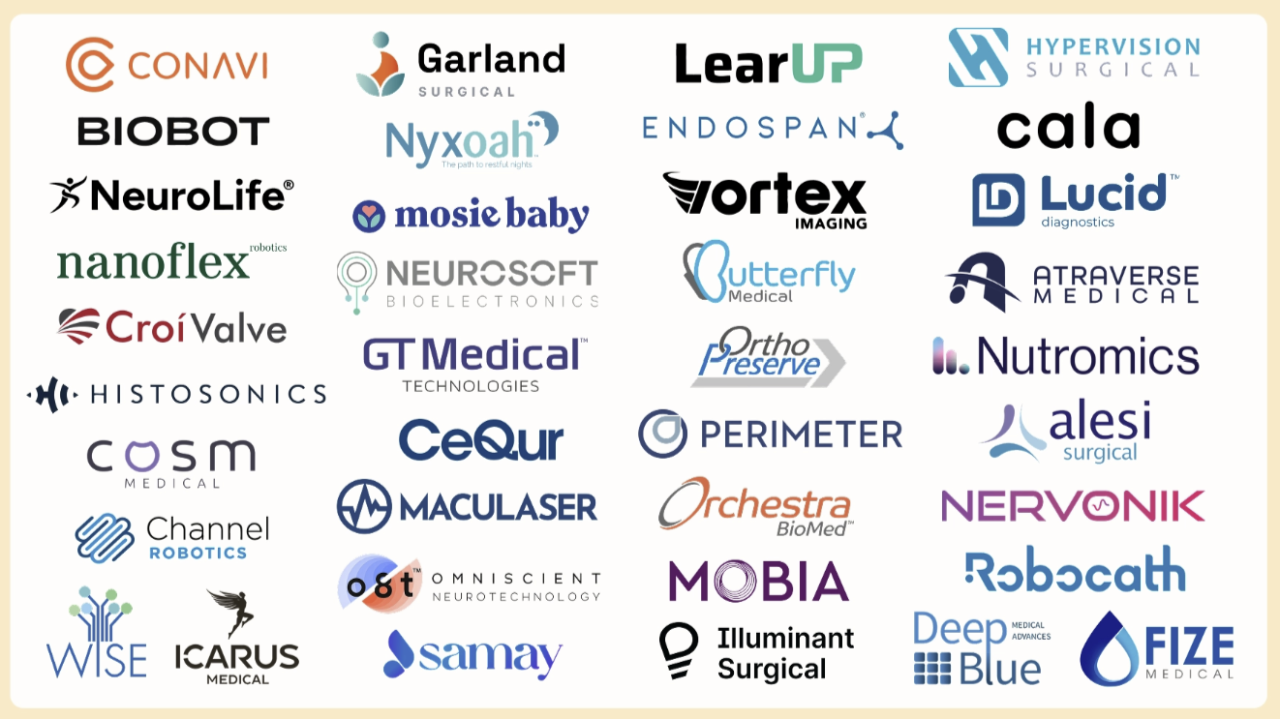
The second quarter of 2026 marked a turning point for medtech funding, but not for the reason many expected. Total disclosed capital surged to approximately $9.6 billion across about 125 tracked deals on Compass AI, making it the busiest quarter for disclosed medtech capital in more than a year. Yet beneath that headline, the market underwent a more meaningful shift. Capital did not simply increase. It moved toward acquisitions, strategic investments, and commercial-stage assets while traditional venture financing lost momentum.
LSI’s own Q2 2026 LSI Alumni Funding Report reflected part of this trend, with LSI-connected companies raising $1.9 billion across 47 financing events during the quarter. Expanding the view to the broader market reveals just how dramatically the investment landscape evolved.
The Shape of Medtech Funding Changed
Compared with Q2 2025, when disclosed medtech funding totaled $3.8 billion, Q2 2026 represented roughly 2.5 times more disclosed capital. The increase, however, was driven by a very different mix of transactions.
Acquisitions accounted for the largest share of activity. Disclosed M&A reached approximately $5.6 billion across 20 disclosed acquisitions, compared with just $1.2 billion across 14 acquisitions one year earlier. In terms of transaction value, the acquisition market expanded by nearly fivefold.
Strategic investment also played an outsized role. Boston Scientific’s $1.5 billion investment in MiRus alone represented one of the quarter’s defining transactions and substantially boosted overall capital deployed.
Meanwhile, venture financing moved in the opposite direction. Private companies completed 97 funding rounds totaling approximately $2.0 billion, down from 177 rounds raising $2.6 billion during Q2 2025. Fewer companies raised capital, and the overall venture total declined as well.
Public markets also showed renewed signs of life. Alamar, Mobia Medical, and Nyxoah collectively raised about $436 million through IPOs after a year in which the category was largely inactive.
Viewed together, these figures tell a clear story. Capital returned to medtech, but investors concentrated their dollars in acquisitions, strategic partnerships, and select public offerings rather than broad early-stage venture deployment.
The Deals Behind the Quarter
The largest transactions reflected this changing investment environment. Rather than being led by venture financings, the biggest contributors were acquisitions and strategic investments.
Among venture-backed companies, several sizable financings still stood out. Aidoc raised $150 million in a Series E to advance its AI imaging platform. CeQur secured $100 million for its insulin patch technology, while GT Medical Technologies also closed a $100 million financing to support its brain tumor brachytherapy platform. Pulnovo Medical raised $100 million in a Medtronic-led round focused on pulmonary hypertension, Contraline completed a $92.5 million financing for its male contraceptive technology, and CereVasc raised $85 million to advance its hydrocephalus treatment.
What the Quarter Says About the Market
Several themes emerged from the data.
First, the anticipated acceleration in medtech M&A became reality. 20 disclosed acquisitions in a single quarter highlighted how aggressively strategic buyers returned to the market. Medtronic acquired both SPR Therapeutics and CathWorks, Stryker expanded its peripheral vascular platform through the acquisition of Amplitude, and Roche strengthened its AI pathology capabilities with the acquisition of PathAI. The largest buyers consistently targeted commercial-stage businesses that complemented existing growth platforms.
Second, Boston Scientific’s investment in MiRus signaled increasing competition in TAVR. By committing $1.5 billion for roughly one-third ownership and an option to acquire the company’s SIEGEL TAVR system for as much as $3 billion more, Boston Scientific made one of the largest strategic bets of the quarter while positioning itself to challenge established leaders in structural heart.
Third, private equity became a significant force alongside strategic acquirers. American Industrial Partners took Avanos private for $1.27 billion at a 72% premium. Strategic buyers and private equity firms pursued different investment theses, but both demonstrated growing confidence in the long-term value of medtech assets.
The primary caution remains venture capital. While exits and acquisitions accelerated, early-stage investment did not keep pace. The decline in both venture round count and total dollars suggests investors continue to favor de-risked, commercial-stage companies over earlier-stage opportunities.
Midyear Momentum
By the halfway point of 2026, Compass AI had tracked approximately $13.7 billion in disclosed medtech capital for the first six months of the year, with Q2 contributing nearly three times the funding recorded during Q1. While first-half year-over-year comparisons are affected by backfilled historical data, the quarter-over-quarter trend is considerably cleaner and points toward a market that is gaining momentum through acquisitions and strategic transactions rather than a broad venture recovery.
Compass AI’s Predictions
Compass AI expects several trends to continue through the remainder of 2026. Compass AI’s Prediction Agent (a Beta capability) projects at least 15 disclosed medtech acquisitions totaling more than $3 billion during Q3, keeping M&A activity elevated.
It also anticipates Boston Scientific will exercise or expand its MiRus option within the next 18 months, formally entering the transcatheter aortic valve market.
On the venture side, Compass AI expects recovery to remain gradual, forecasting fewer than 150 private medtech financings during Q3 2026, reinforcing the view that the current cycle favors large acquisitions and established companies over widespread early-stage investment.
The Agent also predicts Stryker will complete another peripheral vascular acquisition before the end of the year, continuing the thrombectomy-plus-calcium platform it signaled with Amplitude.
The first half of the year made one conclusion difficult to dispute. Medtech funding is expanding again, but the capital is flowing through acquisitions, strategic investments, and commercial-stage opportunities rather than the broad venture market that defined previous cycles.








Request Info

The Lens - Complimentary Issue
Subscription Includes

Global Medtech Market Analysis & Projections (MAP), 2021-2031
Published: 2023
Next Update: Q4 2024
Deliverables:


Global Surgical Procedure Volumes Dashboard, 2018-2029
Published: 2022
Next Update: Q2 2024
Deliverables:
United States Surgical Procedure Volumes, 2018-2029
Published: 2022
Next Update: Q2 2024
Deliverables:
Aesthetics, Global Surgical Procedure Volumes, 2018-2029
Published: 2022
Next Update: Q2 2024
Deliverables:
Cardio, Global Surgical Procedure Volumes, 2018-2029
Published: 2022
Next Update: Q2 2024
Deliverables:
ENT, Global Surgical Procedure Volumes, 2018-2029
Published: 2022
Next Update: Q2 2024
Deliverables:
General, Global Surgical Procedure Volumes, 2018-2029
Published: 2022
Next Update: Q2 2024
Deliverables:
Neuro, Global Surgical Procedure Volumes, 2018-2029
Published: 2022
Next Update: Q2 2024
Deliverables:
OB/GYN, Global Surgical Procedure Volumes, 2018-2029
Published: 2022
Next Update: Q2 2024
Deliverables:
Ophthalmology, Global Surgical Procedure Volumes, 2018-2029
Published: 2022
Next Update: Q2 2024
Deliverables:
Orthopedic, Global Surgical Procedure Volumes, 2018-2029
Published: 2022
Next Update: Q2 2024
Deliverables:
Peripheral Vascular, Global Surgical Procedure Volumes, 2018-2029
Published: 2022
Next Update: Q2 2024
Deliverables:
Spine, Global Surgical Procedure Volumes, 2018-2029
Published: 2022
Next Update: Q2 2024
Deliverables:
SRS, Global Surgical Procedure Volumes, 2018-2029
Published: 2022
Next Update: Q2 2024
Deliverables:
Urological, Global Surgical Procedure Volumes, 2018-2029
Published: 2022
Next Update: Q2 2024
Deliverables:
Global Markets for Hip Replacement Implants, 2023-2028
Published: 2023
Next Update: Q2 2024
Deliverables:
Global Markets for Peripheral Vascular Guidewires, 2023-2028
Published: 2023
Next Update: Q2 2024
Deliverables:
Global Markets for Peripheral Atherectomy Catheters, 2023-2028
Published: 2023
Next Update: Q2 2024
Deliverables:
Global Markets for Electrosurgery, 2023-2028
Published: 2023
Next Update: Q2 2024
Deliverables:
Global Markets for Peripheral Vascular Balloons & Vena Cava Filter, 2023-2028
Published: 2023
Next Update: Q2 2024
Deliverables:
Global Markets for Mechanical Heart Valves, 2023-2028
Published: 2023
Next Update: Q2 2024
Deliverables:
Global Markets for Tissue Heart Valve Replacement, 2023-2028
Published: 2023
Next Update: Q2 2030
Deliverables:
Global Markets for Transcatheter Mitral Valve Devices, 2023-2028
Published: 2023
Next Update: Q2 2024
Deliverables:
Global Markets for Femoral Closure, 2023-2029
Published: 2023
Next Update: Q2 2024
Deliverables:
Global Markets for Tricuspid Valve Repair, 2023-2028
Published: 2023
Next Update: Q2 2024
Deliverables:
Global Markets for Percutaneous Pulmonary Valves, 2023-2028
Published: 2023
Next Update: Q2 2024
Deliverables:
Global Markets for Coronary Angio Guidewires & Catheters, 2023-2028
Published: 2023
Next Update: Q2 2024
Deliverables:
Global Markets for Oncology Ablation Devices, 2023-2028
Published: 2023
Next Update: Q2 2024
Deliverables:
Global Markets for ENT Devices, 2023-2028
Published: 2023
Next Update: Q2 2024
Deliverables:
Global Markets for Cell Delivery Catheters, 2023-2028
Published: 2023
Next Update: Q3 2024
Deliverables:
Global Markets for Urology Devices, 2023-2028
Published: 2023
Next Update: Q3 2024
Deliverables:
Global Markets for External Pain Pumps, 2023-2028
Published: 2023
Next Update: Q3 2024
Deliverables:
Global Markets for Ureteral Access Devices, 2023-2028
Published: 2023
Next Update: Q3 2024
Deliverables:
Global Markets for Pelvic Floor Repair, 2023-2028
Published: 2023
Next Update: Q3 2024
Deliverables:
Global Markets for Atrial Fibrillation, 2023-2028
Published: 2023
Next Update: Q3 2024
Deliverables:
Global Markets for Neurovascular Devices Ischemic, 2023-2028
Published: 2023
Next Update: Q3 2024
Deliverables:
Global Markets for Neuromodulation Devices, 2023-2028
Published: 2023
Next Update: Q3 2024
Deliverables:
Global Markets for Vertebroplasty Devices, 2023-2028
Published: 2023
Next Update: Q3 2024
Deliverables:
Global Markets for Benign Prostation Hyperplasia Implants, 2023-2028
Published: 2023
Next Update: Q3 2024
Deliverables:
Global Markets for Cryoablation, 2023-2028
Published: 2023
Next Update: Q3 2024
Deliverables:
Global Markets for Diagnostic Electrophysiology Catheters, 2023-2028
Published: 2023
Next Update: Q3 2024
Deliverables:
Global Markets for Hernia Repair, 2023-2028
Published: 2023
Next Update: Q4 2024
Deliverables:
Global Markets for CRM Devices, 2023-2028
Published: 2023
Next Update: Q4 2024
Deliverables:
Global Markets for Neurovascular Devices Hemorrhagic, 2023-2028
Published: 2023
Next Update: Q4 2024
Deliverables:
Global Markets for Renal Denervation, 2023-2028
Published: 2023
Next Update: Q4 2024
Deliverables:
Global Markets for Upper+Lower Suture Anchors, 2023-2028
Published: 2023
Next Update: Q4 2024
Deliverables:
Global Markets for Peripheral Stents, 2023-2028
Published: 2023
Next Update: Q4 2024
Deliverables:
Global Markets for Electromagnetic Navigation Systems, 2023-2028
Published: 2023
Next Update: Q4 2024
Deliverables:
Global Markets for GI Endoscopy, 2023-2028
Published: 2023
Next Update: Q4 2024
Deliverables:
Global Markets for Hemodialysis, 2023-2028
Published: 2023
Next Update: Q4 2024
Deliverables:
Globals Markets for Cardiac Ablation, 2023-2028
Published:
Next Update:
Deliverables:
Global Markets for Atrial Septal Occlusion, 2023-2028
Published: 2023
Next Update: Q4 2024
Deliverables:
Global Markets for Aortic Grafts, 2023-2028
Published: 2023
Next Update: Q4 2024
Deliverables:
Global Markets for Interventional Cardiology Devices, 2023-2028
Published: 2023
Next Update: Q4 2024
Deliverables:
Global Markets for Oncology Embolization, 2023-2028
Published: 2023
Next Update: Q4 2024
Deliverables:
Global Markets for Vascular Access Devices, 2023-2028
Published: 2023
Next Update: Q4 2024
Deliverables:
Global Markets for Rotator Cuff Repair Suture Anchors, 2023-2028
Published: 2023
Next Update: Q4 2024
Deliverables:
Global Markets for Electrical Stimulation Devices, 2023-2028
Published: 2023
Next Update: Q4 2024
Deliverables:
Global Markets for Wearable Monitoring Devices, 2023-2028
Published: 2023
Next Update: Q4 2024
Deliverables:
Global Markets for Low Complexity Medical Devices, 2023-2028
Published: 2023
Next Update: Q4 2024
Deliverables:
Canada Surgical Procedure Volumes, 2018-2029
Published: 2022
Next Update: Q2 2024
Deliverables:
Germany Surgical Procedure Volumes, 2018-2029
Published: 2022
Next Update: Q2 2024
Deliverables:
France Surgical Procedure Volumes, 2018-2029
Published: 2022
Next Update: Q2 2024
Deliverables:
U.K. Surgical Procedure Volumes, 2018-2029
Published: 2022
Next Update: Q2 2024
Deliverables:
Italy Surgical Procedure Volumes, 2018-2029
Published: 2022
Next Update: Q2 2024
Deliverables:
Spain Surgical Procedure Volumes, 2018-2029
Published: 2022
Next Update: Q2 2024
Deliverables:
Poland Surgical Procedure Volumes, 2018-2029
Published: 2022
Next Update: Q2 2024
Deliverables:
Netherlands Surgical Procedure Volumes, 2018-2029
Published: 2022
Next Update: Q2 2024
Deliverables:
Belgium Surgical Procedure Volumes, 2018-2029
Published: 2022
Next Update: Q2 2024
Deliverables:
Sweden Surgical Procedure Volumes, 2018-2029
Published: 2022
Next Update: Q2 2024
Deliverables:
Switzerland Surgical Procedure Volumes, 2018-2029
Published: 2022
Next Update: Q2 2024
Deliverables:
Denmark Surgical Procedure Volumes, 2018-2029
Published: 2022
Next Update: Q2 2024
Deliverables:
Finland Surgical Procedure Volumes, 2018-2029
Published: 2022
Next Update: Q2 2024
Deliverables:
Norway Surgical Procedure Volumes, 2018-2029
Published: 2022
Next Update: Q2 2024
Deliverables:
China Surgical Procedure Volumes, 2018-2029
Published: 2022
Next Update: Q2 2024
Deliverables:
India Surgical Procedure Volumes, 2018-2029
Published: 2022
Next Update: Q2 2024
Deliverables:
Japan Surgical Procedure Volumes, 2018-2029
Published: 2022
Next Update: Q2 2024
Deliverables:
South Korea Surgical Procedure Volumes, 2018-2029
Published: 2022
Next Update: Q2 2024
Deliverables:
Australia Surgical Procedure Volumes, 2018-2029
Published: 2022
Next Update: Q2 2024
Deliverables:
Thailand Surgical Procedure Volumes, 2018-2029
Published: 2022
Next Update: Q2 2024
Deliverables:
Malaysia Surgical Procedure Volumes, 2018-2029
Published: 2022
Next Update: Q2 2024
Deliverables:
Singapore Surgical Procedure Volumes, 2018-2029
Published: 2022
Next Update: Q2 2024
Deliverables:
New Zealand Surgical Procedure Volumes, 2018-2029
Published: 2022
Next Update: Q2 2024
Deliverables:
Caribbean Surgical Procedure Volumes, 2018-2029
Published: 2022
Next Update: Q2 2024
Deliverables:
Argentina Surgical Procedure Volumes, 2018-2029
Published: 2022
Next Update: Q2 2024
Deliverables:
Colombia Surgical Procedure Volumes, 2018-2029
Published: 2022
Next Update: Q2 2024
Deliverables:
Chile Surgical Procedure Volumes, 2018-2029
Published: 2022
Next Update: Q2 2024
Deliverables:
Guatemala Surgical Procedure Volumes, 2018-2029
Published: 2022
Next Update: Q2 2024
Deliverables:
Dominican Republic Surgical Procedure Volumes, 2018-2029
Published: 2022
Next Update: Q2 2024
Deliverables:
Costa Rica Surgical Procedure Volumes, 2018-2029
Published: 2022
Next Update: Q2 2024
Deliverables:
Panama Surgical Procedure Volumes, 2018-2029
Published: 2022
Next Update: Q2 2024
Deliverables:
Mexico Surgical Procedure Volumes, 2018-2029
Published: 2022
Next Update: Q2 2024
Deliverables:
Brazil Surgical Procedure Volumes, 2018-2029
Published: 2022
Next Update: Q2 2024
Deliverables:
Turkey Surgical Procedure Volumes, 2018-2029
Published: 2022
Next Update: Q2 2024
Deliverables:
Russia Surgical Procedure Volumes, 2018-2029
Published: 2022
Next Update: Q2 2024
Deliverables:
South Africa Surgical Procedure Volumes, 2018-2029
Published: 2022
Next Update: Q2 2024
Deliverables:
Request Info
See Full Attendee List