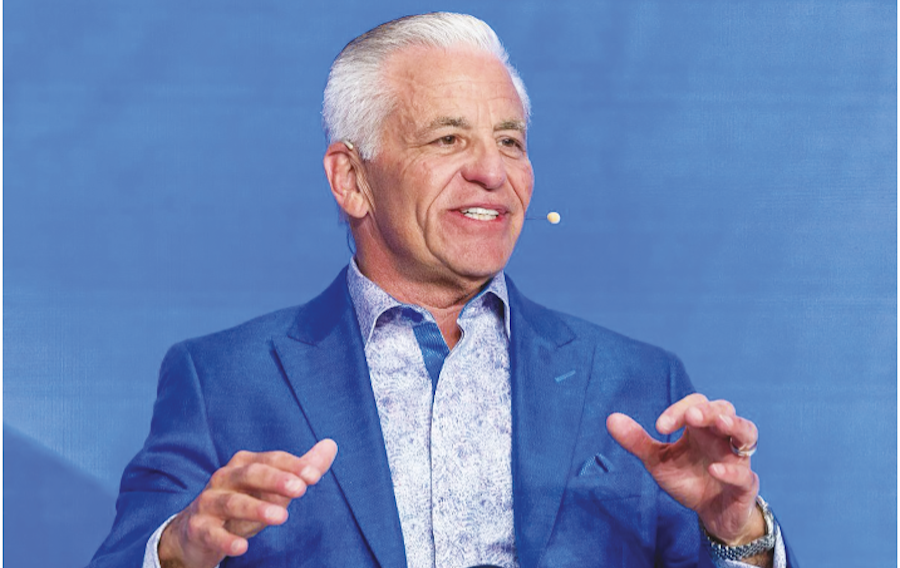
With four decades of company-building, IPOs, boardroom leadership, and monumental exits behind him, Raymond W. Cohen has become one of medtech’s most successful operators. But behind the financial wins—including the recent back-to-back $3.7 billion Axonics and $600 million SoniVie acquisitions by Boston Scientific—is a deeper story of Cohen’s contrarian, full-transparency, people-centered, no-BS approach to leadership and strategy.
“People crave inspired, authentic, and transparent leadership that thinks big and acts boldly. They want to be enrolled in a vision of what is possible, and be recognized and compensated for creating measurable results, not be fed a bunch of platitudes.”
A quote that is classic Ray Cohen—blunt, unapologetic, no-nonsense, and grounded in hard-won experience. With more than four decades in medtech, Cohen has done what many aspire to—build, lead, scale, and sell high-stakes, successful ventures with precision and zero fluff. Known for his no-BS, direct approach, Cohen has turned startups into gritty, focused, execution-driven teams that deliver real results—and big exits—by staying lean, investing in sales and marketing, moving fast, and operating with a ruthless clarity of purpose.
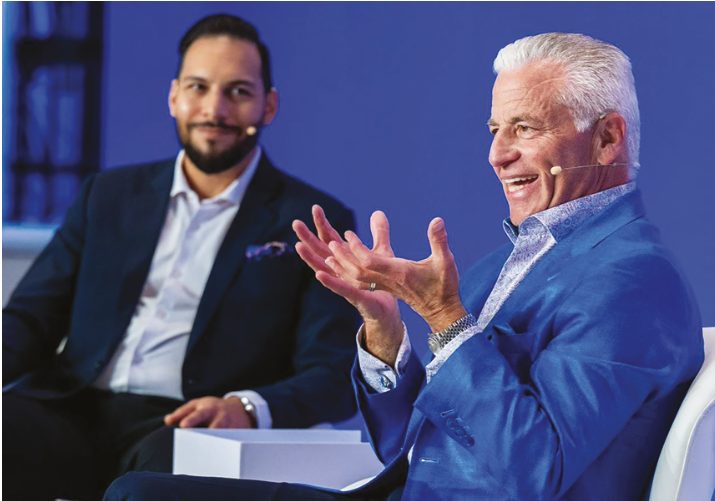
On the LSI USA ‘25 stage in Dana Point this past March, in a discussion entitled “Building and Exiting Companies in Medtech’s New Post-Covid Financial Era,” with State of MedTech podcast host Omar Khateeb, and in a recent interview with The Lens, Cohen offered a glimpse into his personal playbook of successful strategies, best practices, and lessons learned. From growing up in a working-class immigrant household in Queens, NY, to leading back-to-back exits, including his crowning achievement, Axonics, sold to Boston Scientific for $3.7 billion (closed Nov. 2024), and SoniVie ($600 million, closed in May 2025 also to Boston Scientific), Cohen described that his approach, although at times boldly contrarian, has been simple: show up, go all in, execute relentlessly, share the wealth, and build something that actually helps improve patient’s quality of life.
The Axonics Playbook: Go Big, Hire the Right People, Don’t Look Back
Cohen served as the chief executive officer and member of the board of directors of Nasdaq-listed Axonics, an Irvine, CA-based medtech company developing best-in-class solutions for people with incontinence that he co-founded in 2013 and took public in late October 2018. Axonics ranked #1 on the Deloitte Technology Fast 500 and the Financial Times ranking of the fastest-growing companies in the Americas in 2021 and 2022.
Cohen retired from the company following the closing of the acquisition. He led the epic deal and got it over the finish line, leveraging the deep relationships and trust he had earned with the Boston Scientific leadership team, going back to his days as CEO of the renal denervation company Vessix Vascular, that he sold to Boston Scientific in late 2012 (prior to the failed pivotal SYMPLICITY HTN-3 trial debacle in 2014).
Axonics’ success can be traced back to brash, “Cohen-esque” choices made along the way. For one, following Axonics’ IPO in 2018, Cohen threw out the standard commercialization playbook. Instead of hiring a small team and scaling slowly, Axonics went all in.
“People asked me during the IPO roadshow, how are you going to deploy the funds? I told them, despite the fact that we are perhaps as much as a year away from FDA approval, I’m hiring 100 salespeople for the launch, I’m going to guarantee them $20,000 a month, and I’m going to train the hell out of them. After all, we are competing with Medtronic, the largest medtech company on the planet that has enjoyed a monopoly and a 20-year head start on us,” he says.
“We hired 30 or 40 clinical specialists as well. The team trained intensely for an average of six months, so much so that you could wake them up at three in the morning, and they could jump out of bed and sing the company song. A silly expression but it got the point across.”
A lot of people told Cohen that he’s crazy and that’s not the way it’s done.
“I said, ‘well, that’s a common theme that I hear, but that’s what we’re going to do. And when the bell rings after we secure FDA approval, we’re going to hit the ground running on day one.’ And that’s what happened. When we got the green light, we launched like a rocket.”
Axonics’ sacral neuromodulation (SNM) system for the treatment of urinary and bowel dysfunction, the r-SNM System, a rechargeable, full-body MRI-compatible device, received FDA approval in late 2019. Subsequently, in March 2021, Axonics acquired Contura and its flagship Bulkamid product for $225 million, a unique hydrogel to treat women with stress urinary incontinence. Bulkamid had no sales in the U.S. at the time of acquisition, but by 2024, annual revenue was ramping towards $100 million. In addition, a second embodiment of the Axonics system (the F15 recharge-free SNM system) was FDA-cleared in March 2022.
The result of Cohen’s high-risk strategy? Twenty straight quarters of beating revenue targets. Axonics stock moved from an IPO price of $15 per share to $71, and then the $3.7 billion acquisition by Boston Scientific, closing a few days before Thanksgiving 2024.
“The strategy paid huge dividends for us, and we never looked back,” Cohen continues. “We just kept adding more high-quality, field-based commercial folks. In the end, of the 900 people in the company, about 500 were in sales or clinical support roles, 95% in the U.S. In my opinion, you need more salespeople and clinical specialists than any other roles in your company.”
Recipe for a Deliberate, High-Performing Team
When building a company, Cohen is deliberate about who he hires and why.
“An effective team shapes up like a pizza pie,” he says. “The perfect pie, in terms of a team, is that you have all these pointy people, meaning they each have a very specific expertise. What I’ve always tried to do is gather a group of highly specific experts and then fit them together. Now you’ve got the perfect circle of individuals who all have expertise in different areas. Then the key is to get them to work collaboratively as a team. I don’t want to hire a bunch of generalists because you won’t have the expertise that is needed.”
Cohen also believes in treating team members with respect, compensating them well, and providing them with a meaningful equity stake. This not only fosters loyalty but also drives performance.
“When I find great people, I’ve made it a point to stay close to them, treat them with respect, pay them well, provide equity and excellent company-sponsored health benefits. Bottom line, make sure they have a good experience. To the extent that their expertise is needed again, I will invite them to join the next venture. It’s ideal to bring people together with mutual trust and respect. You can’t accomplish anything by yourself. It’s all about people. High-performing people have been the key to success in all my ventures.”
“You can’t accomplish anything by yourself. It’s all about people. High-performing people have been the key to success in all my ventures.”
Real Talk on Commercialization
Cohen describes that at first at Axonics, it was all about feet on the street: well-trained people with a great product who are aggressively going after the business. But commercialization success doesn’t just happen.
“Having a product that’s safe and effective, and perhaps better than your competition, is just the start of it all. There’s no such thing as ‘if I build it, they will come.’ To this day, some entrepreneurs still believe that. And it’s ridiculous,” he says.
Based on his wide and varied experience, Cohen offers his philosophy and advice to startups on device commercialization.
“The skill sets of people that are required to commercialize are very different than they are to develop a product, to run clinical studies, etcetera,” he says. “The question for early-stage companies is, do you want to take this project all the way to commercialization? I think it might be a mistake. However, if you want to do that, you’d better hire people who have the right experience—and be prepared to pay them. It’s really hard if you’re a single-product company and now you’re going to try to commercialize your product. It’s very challenging when you are the new kid on the block. Physicians and hospitals are often reluctant to change the status quo.”
Cohen in Chairman Mode: Influence Without Interference
After Axonics, Cohen shifted gears—but not his pace.
On the very night that the Axonics deal closed in November 2024, and to cure Cohen’s concern about not being busy enough, he became chairman of privately held SoniVie, an Israeli developer of a renal denervation system to treat hypertension. In March 2025, he joined PE-backed Spectrum Vascular, which markets vascular access products, as an independent board member. In addition, as an independent board member, he supported Kestra Medical Technologies’ March 2025 $232 million oversubscribed IPO. In April 2025, Cohen joined peripheral nerve neurostimulation company, Nalu Medical, as chairman.
Then, as this issue of The Lens approached publication time, Cohen agreed to become vice chairman of privately held hydrogel maker, Tulavi. Cohen is also now chairman of Archimedes, a startup that just got funded by Sherpa Healthcare Partners, where Cohen serves as a venture partner.
Cohen’s style remains bold but boundary-respecting.
“As chairman, your job is to support and guide strategy, not to run the company. You influence through the CEO,” he says.
“As chairman, your job is to support and guide strategy, not to run the company. You influence through the CEO.”
The Art of the Preemptive Deal
Cohen’s philosophy on exits is clear, but somewhat controversial: “The best time to sell a company is before you ship the first commercial product,” he advises.
This strategy hinges on presenting a fully developed, regulatory-approved, commercially ready product that hasn’t yet faced the challenges of commercialization. By doing so, companies can maximize valuation while minimizing operational and adoption risks, he advises.
A prime example is the sale of SoniVie to Boston Scientific, announced this March, as Cohen described for the LSI USA ‘25 audience. SoniVie developed the TIVUS Intravascular Ultrasound RDN System, designed to denervate nerves surrounding the renal artery to treat hypertension. Boston Scientific held an equity stake of approximately 10% in SoniVie. The transaction consists of an upfront payment of $400 million and up to $200 million upon achievement of FDA approval.
As chairman, Cohen describes that he negotiated the deal directly with Boston Scientific’s leadership, bypassing traditional investment banking channels.
“Why incur a cost of banking fees when we had the buyer at the table?” he quipped, emphasizing the value of trust and direct communication in deal-making. “I was able to save the company money and get the deal done in record time. Of course, it was a heck of a lot of work, however, the juice was worth the squeeze.”
Navigating IPOs and Strategic Pivots
Beyond exits, Cohen has a keen eye for identifying when to pivot and when to pursue public offerings. His approach involves assessing the total addressable market, and ensuring a robust reimbursement path. Cohen’s ability to craft and communicate a compelling vision has been instrumental in attracting investors and strategic partners alike.
Kestra Medical is a prime example. “In order to execute a successful IPO, you need a big story, i.e., a big TAM, and a good storyteller,” Cohen told the LSI USA ‘25 audience.
Cohen preaches and practices straight talk with investors, and offers innovators his blunt advice.
“Don’t get hung up on dilution,” he says. “You are going to need capital, so don’t be worried about dilution. One hundred percent of nothing is nothing, but 1% of a billion dollars can change your life.”
“Don’t get hung up on dilution … 100% of nothing is nothing, but 1% of a billion dollars can change your life.”
“If you’ve never raised capital, not only do you need a large, underserved market and a compelling, differentiated product, you need to find someone with some gray hair, scars on their back, the right relationships and proven results. You need someone who can speak the investors’ language and help them believe,” he says.
When it comes to communication, he also emphasizes full transparency.
“Keeping investors or board members engaged is really important. If you get the question ‘how’s it going?’ from someone who’s been funding your company, you are screwing up. You need to keep folks upline and downline informed.”
His advice? Push updates to the team. The good, the bad, and the scary stuff. Be real.
“One of the things I would do every weekend morning is sit down and provide an update to the board and copy the executive management team. Here’s what’s going on, folks. These are the initiatives we agreed to, this is the progress we’re making. Here’s what we sold last week, last month, those kinds of details. Flat out push the data to the board members. Because once again, if you’re at an early stage, these are your shareholders,” Cohen says. “The absence of information is the worst possible thing, given that people typically will come up with a story that is worse than the actual facts.”
His mantra is to always share facts, set direction, and enroll stakeholders in the solution.
Takeaway Lessons for Entrepreneurs
Cohen’s nuggets of wisdom offer valuable lessons for medtech entrepreneurs:
- Think Exit Early: Identify potential acquirers from the outset and tailor your strategy accordingly.
- Prioritize People: Invest in building a strong, cohesive team that can execute flawlessly.
- Raise More Capital: Raise more money than you think you’ll need, given things always take longer and cost more than you think. Don’t fear dilution.
- Maintain Transparency: Keep communication open with your team and stakeholders to build trust and align goals.
Giving Back
Even after numerous successes, Cohen isn’t ready to slow down. He remains deeply committed to the medtech ecosystem, serving on multiple boards and actively mentoring emerging entrepreneurs. “I want to stay in the game, be relevant, and share my experiences,” he says.
His passion for improving patient’s lives continues to drive his endeavors. “It’s a privilege to be in an industry whereby we are helping people solve their medical problems,” Cohen affirmed, highlighting the profound impact medtech innovation can have on quality of life.
Cohen takes time to speak to MBA students at UCLA and UC Irvine, and his family has also launched a non-profit foundation focused on helping the less privileged in his local area of Orange County, CA.
“If you can do good for people and do well for your family, that’s what it’s all about. I sleep well at night knowing that hundreds of thousands of people live better lives because of the work done by myself and my colleagues.”

About Raymond W. Cohen
Raymond W. Cohen is an accredited public company director with over 40 years of experience in the life sciences industry. He co-founded Axonics, leading it to a successful IPO and subsequent $3.7 billion acquisition by Boston Scientific.
From 2010 to 2012, he served as CEO of Vessix Vascular, a venture capital-backed renal denervation company that was acquired by Boston Scientific. Previously, he spent nearly a decade as chairman and CEO of Nasdaq-listed Cardiac Science, which was ranked as the fourth-fastest growing company in the U.S. in 2004. From 2006 to 2021, Mr. Cohen served as chair of the board of directors at BioLife Solutions, a developer and manufacturer of preservation media for regenerative medicine. From 2013 to 2020, Cohen served as an independent director, chair of the compensation committee, and member of the audit and nominating committees of Spectrum Pharmaceuticals. Cohen also previously served on the boards of two companies that were successfully sold in 2017: Zurich-based LifeWatch, sold to Biotelemetry; and Colorado-based Syncroness, a privately held contract engineering firm, sold to ALTEN Group, a multibillion-dollar French engineering services company.
Cohen has earned accolades such as Cambridge Healthtech Institute’s 2024 MedTech MVP Award and the Orange County Business Journal’s Businessperson of the Year. In 2021, Cohen received a lifetime achievement award from SoCalBio for his four decades of work in medical technology. In 2020, Cohen was named Entrepreneur of the Year by Ernst & Young for the Pacific Southwest United States.
Related Content:
- Signature Series: Building and Exiting Companies in Medtech’s New Post-Covid Financial Era - featuring Ray Cohen and moderator Omar Khateeb of Khateeb & Co. Visit the LSI website (Resources > Video Library) to access the presentation from LSI USA ‘25, March 20, 2025.
- Omar Khateeb’s “The State of Medtech” Podcast Episode 279: Ray Cohen on Building & Selling Billion-Dollar MedTech Startups Without Bankers (khateebandco.com/state-of-medtech)
For more insights like this, subscribe to The Lens medtech magazine today.





© 2026 Life Science Intelligence, Inc., All Rights Reserved. | Privacy Policy | Your Privacy Choices | Delete my Data
Request Info

The Lens - Complimentary Issue
Subscription Includes

Global Medtech Market Analysis & Projections (MAP), 2021-2031
Published: 2023
Next Update: Q4 2024
Deliverables:



Global Surgical Procedure Volumes Dashboard, 2018-2029
Published: 2022
Next Update: Q2 2024
Deliverables:
United States Surgical Procedure Volumes, 2018-2029
Published: 2022
Next Update: Q2 2024
Deliverables:
Aesthetics, Global Surgical Procedure Volumes, 2018-2029
Published: 2022
Next Update: Q2 2024
Deliverables:
Cardio, Global Surgical Procedure Volumes, 2018-2029
Published: 2022
Next Update: Q2 2024
Deliverables:
ENT, Global Surgical Procedure Volumes, 2018-2029
Published: 2022
Next Update: Q2 2024
Deliverables:
General, Global Surgical Procedure Volumes, 2018-2029
Published: 2022
Next Update: Q2 2024
Deliverables:
Neuro, Global Surgical Procedure Volumes, 2018-2029
Published: 2022
Next Update: Q2 2024
Deliverables:
OB/GYN, Global Surgical Procedure Volumes, 2018-2029
Published: 2022
Next Update: Q2 2024
Deliverables:
Ophthalmology, Global Surgical Procedure Volumes, 2018-2029
Published: 2022
Next Update: Q2 2024
Deliverables:
Orthopedic, Global Surgical Procedure Volumes, 2018-2029
Published: 2022
Next Update: Q2 2024
Deliverables:
Peripheral Vascular, Global Surgical Procedure Volumes, 2018-2029
Published: 2022
Next Update: Q2 2024
Deliverables:
Spine, Global Surgical Procedure Volumes, 2018-2029
Published: 2022
Next Update: Q2 2024
Deliverables:
SRS, Global Surgical Procedure Volumes, 2018-2029
Published: 2022
Next Update: Q2 2024
Deliverables:
Urological, Global Surgical Procedure Volumes, 2018-2029
Published: 2022
Next Update: Q2 2024
Deliverables:
Global Markets for Hip Replacement Implants, 2023-2028
Published: 2023
Next Update: Q2 2024
Deliverables:
Global Markets for Peripheral Vascular Guidewires, 2023-2028
Published: 2023
Next Update: Q2 2024
Deliverables:
Global Markets for Peripheral Atherectomy Catheters, 2023-2028
Published: 2023
Next Update: Q2 2024
Deliverables:
Global Markets for Electrosurgery, 2023-2028
Published: 2023
Next Update: Q2 2024
Deliverables:
Global Markets for Peripheral Vascular Balloons & Vena Cava Filter, 2023-2028
Published: 2023
Next Update: Q2 2024
Deliverables:
Global Markets for Mechanical Heart Valves, 2023-2028
Published: 2023
Next Update: Q2 2024
Deliverables:
Global Markets for Tissue Heart Valve Replacement, 2023-2028
Published: 2023
Next Update: Q2 2030
Deliverables:
Global Markets for Transcatheter Mitral Valve Devices, 2023-2028
Published: 2023
Next Update: Q2 2024
Deliverables:
Global Markets for Femoral Closure, 2023-2029
Published: 2023
Next Update: Q2 2024
Deliverables:
Global Markets for Tricuspid Valve Repair, 2023-2028
Published: 2023
Next Update: Q2 2024
Deliverables:
Global Markets for Percutaneous Pulmonary Valves, 2023-2028
Published: 2023
Next Update: Q2 2024
Deliverables:
Global Markets for Coronary Angio Guidewires & Catheters, 2023-2028
Published: 2023
Next Update: Q2 2024
Deliverables:
Global Markets for Oncology Ablation Devices, 2023-2028
Published: 2023
Next Update: Q2 2024
Deliverables:
Global Markets for ENT Devices, 2023-2028
Published: 2023
Next Update: Q2 2024
Deliverables:
Global Markets for Cell Delivery Catheters, 2023-2028
Published: 2023
Next Update: Q3 2024
Deliverables:
Global Markets for Urology Devices, 2023-2028
Published: 2023
Next Update: Q3 2024
Deliverables:
Global Markets for External Pain Pumps, 2023-2028
Published: 2023
Next Update: Q3 2024
Deliverables:
Global Markets for Ureteral Access Devices, 2023-2028
Published: 2023
Next Update: Q3 2024
Deliverables:
Global Markets for Pelvic Floor Repair, 2023-2028
Published: 2023
Next Update: Q3 2024
Deliverables:
Global Markets for Atrial Fibrillation, 2023-2028
Published: 2023
Next Update: Q3 2024
Deliverables:
Global Markets for Neurovascular Devices Ischemic, 2023-2028
Published: 2023
Next Update: Q3 2024
Deliverables:
Global Markets for Neuromodulation Devices, 2023-2028
Published: 2023
Next Update: Q3 2024
Deliverables:
Global Markets for Vertebroplasty Devices, 2023-2028
Published: 2023
Next Update: Q3 2024
Deliverables:
Global Markets for Benign Prostation Hyperplasia Implants, 2023-2028
Published: 2023
Next Update: Q3 2024
Deliverables:
Global Markets for Cryoablation, 2023-2028
Published: 2023
Next Update: Q3 2024
Deliverables:
Global Markets for Diagnostic Electrophysiology Catheters, 2023-2028
Published: 2023
Next Update: Q3 2024
Deliverables:
Global Markets for Hernia Repair, 2023-2028
Published: 2023
Next Update: Q4 2024
Deliverables:
Global Markets for CRM Devices, 2023-2028
Published: 2023
Next Update: Q4 2024
Deliverables:
Global Markets for Neurovascular Devices Hemorrhagic, 2023-2028
Published: 2023
Next Update: Q4 2024
Deliverables:
Global Markets for Renal Denervation, 2023-2028
Published: 2023
Next Update: Q4 2024
Deliverables:
Global Markets for Upper+Lower Suture Anchors, 2023-2028
Published: 2023
Next Update: Q4 2024
Deliverables:
Global Markets for Peripheral Stents, 2023-2028
Published: 2023
Next Update: Q4 2024
Deliverables:
Global Markets for Electromagnetic Navigation Systems, 2023-2028
Published: 2023
Next Update: Q4 2024
Deliverables:
Global Markets for GI Endoscopy, 2023-2028
Published: 2023
Next Update: Q4 2024
Deliverables:
Global Markets for Hemodialysis, 2023-2028
Published: 2023
Next Update: Q4 2024
Deliverables:
Globals Markets for Cardiac Ablation, 2023-2028
Published:
Next Update:
Deliverables:
Global Markets for Atrial Septal Occlusion, 2023-2028
Published: 2023
Next Update: Q4 2024
Deliverables:
Global Markets for Aortic Grafts, 2023-2028
Published: 2023
Next Update: Q4 2024
Deliverables:
Global Markets for Interventional Cardiology Devices, 2023-2028
Published: 2023
Next Update: Q4 2024
Deliverables:
Global Markets for Oncology Embolization, 2023-2028
Published: 2023
Next Update: Q4 2024
Deliverables:
Global Markets for Vascular Access Devices, 2023-2028
Published: 2023
Next Update: Q4 2024
Deliverables:
Global Markets for Rotator Cuff Repair Suture Anchors, 2023-2028
Published: 2023
Next Update: Q4 2024
Deliverables:
Global Markets for Electrical Stimulation Devices, 2023-2028
Published: 2023
Next Update: Q4 2024
Deliverables:
Global Markets for Wearable Monitoring Devices, 2023-2028
Published: 2023
Next Update: Q4 2024
Deliverables:
Global Markets for Low Complexity Medical Devices, 2023-2028
Published: 2023
Next Update: Q4 2024
Deliverables:
Canada Surgical Procedure Volumes, 2018-2029
Published: 2022
Next Update: Q2 2024
Deliverables:
Germany Surgical Procedure Volumes, 2018-2029
Published: 2022
Next Update: Q2 2024
Deliverables:
France Surgical Procedure Volumes, 2018-2029
Published: 2022
Next Update: Q2 2024
Deliverables:
U.K. Surgical Procedure Volumes, 2018-2029
Published: 2022
Next Update: Q2 2024
Deliverables:
Italy Surgical Procedure Volumes, 2018-2029
Published: 2022
Next Update: Q2 2024
Deliverables:
Spain Surgical Procedure Volumes, 2018-2029
Published: 2022
Next Update: Q2 2024
Deliverables:
Poland Surgical Procedure Volumes, 2018-2029
Published: 2022
Next Update: Q2 2024
Deliverables:
Netherlands Surgical Procedure Volumes, 2018-2029
Published: 2022
Next Update: Q2 2024
Deliverables:
Belgium Surgical Procedure Volumes, 2018-2029
Published: 2022
Next Update: Q2 2024
Deliverables:
Sweden Surgical Procedure Volumes, 2018-2029
Published: 2022
Next Update: Q2 2024
Deliverables:
Switzerland Surgical Procedure Volumes, 2018-2029
Published: 2022
Next Update: Q2 2024
Deliverables:
Denmark Surgical Procedure Volumes, 2018-2029
Published: 2022
Next Update: Q2 2024
Deliverables:
Finland Surgical Procedure Volumes, 2018-2029
Published: 2022
Next Update: Q2 2024
Deliverables:
Norway Surgical Procedure Volumes, 2018-2029
Published: 2022
Next Update: Q2 2024
Deliverables:
China Surgical Procedure Volumes, 2018-2029
Published: 2022
Next Update: Q2 2024
Deliverables:
India Surgical Procedure Volumes, 2018-2029
Published: 2022
Next Update: Q2 2024
Deliverables:
Japan Surgical Procedure Volumes, 2018-2029
Published: 2022
Next Update: Q2 2024
Deliverables:
South Korea Surgical Procedure Volumes, 2018-2029
Published: 2022
Next Update: Q2 2024
Deliverables:
Australia Surgical Procedure Volumes, 2018-2029
Published: 2022
Next Update: Q2 2024
Deliverables:
Thailand Surgical Procedure Volumes, 2018-2029
Published: 2022
Next Update: Q2 2024
Deliverables:
Malaysia Surgical Procedure Volumes, 2018-2029
Published: 2022
Next Update: Q2 2024
Deliverables:
Singapore Surgical Procedure Volumes, 2018-2029
Published: 2022
Next Update: Q2 2024
Deliverables:
New Zealand Surgical Procedure Volumes, 2018-2029
Published: 2022
Next Update: Q2 2024
Deliverables:
Caribbean Surgical Procedure Volumes, 2018-2029
Published: 2022
Next Update: Q2 2024
Deliverables:
Argentina Surgical Procedure Volumes, 2018-2029
Published: 2022
Next Update: Q2 2024
Deliverables:
Colombia Surgical Procedure Volumes, 2018-2029
Published: 2022
Next Update: Q2 2024
Deliverables:
Chile Surgical Procedure Volumes, 2018-2029
Published: 2022
Next Update: Q2 2024
Deliverables:
Guatemala Surgical Procedure Volumes, 2018-2029
Published: 2022
Next Update: Q2 2024
Deliverables:
Dominican Republic Surgical Procedure Volumes, 2018-2029
Published: 2022
Next Update: Q2 2024
Deliverables:
Costa Rica Surgical Procedure Volumes, 2018-2029
Published: 2022
Next Update: Q2 2024
Deliverables:
Panama Surgical Procedure Volumes, 2018-2029
Published: 2022
Next Update: Q2 2024
Deliverables:
Mexico Surgical Procedure Volumes, 2018-2029
Published: 2022
Next Update: Q2 2024
Deliverables:
Brazil Surgical Procedure Volumes, 2018-2029
Published: 2022
Next Update: Q2 2024
Deliverables:
Turkey Surgical Procedure Volumes, 2018-2029
Published: 2022
Next Update: Q2 2024
Deliverables:
Russia Surgical Procedure Volumes, 2018-2029
Published: 2022
Next Update: Q2 2024
Deliverables:
South Africa Surgical Procedure Volumes, 2018-2029
Published: 2022
Next Update: Q2 2024
Deliverables:
Request Info