Understanding Venture Debt: A Non-Dilutive Path to Growth | LSI Europe '25

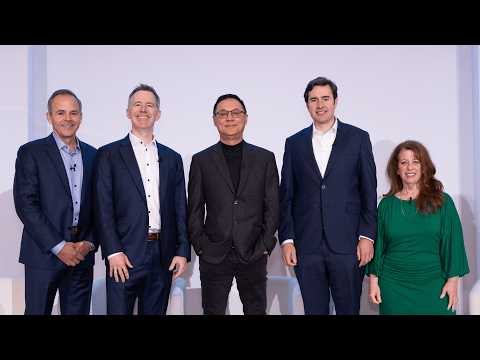
Financial experts from JP Morgan, CRG, Claret Capital, and Ellenoff Grossman & Schole examine venture debt strategies that enable companies to fuel growth without equity dilution, offering practical insights for medtech founders seeking alternative financing.
Join Our Next Event
Partner with the leaders
shaping the future of
Medtech at LSI USA ‘26
March 16th - 20th, 2026
Waldorf Astoria, Monarch Beach

Elena Lovo  0:05  
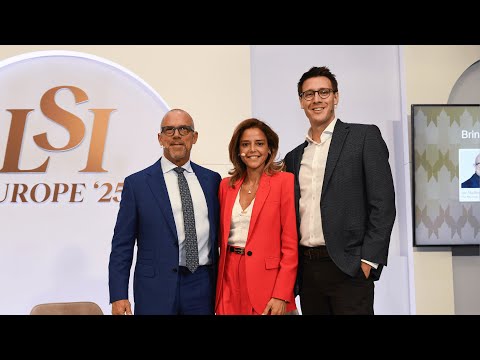
Thanks everyone for being here and being sitting in this room. It is my pleasure to be chairing this panel about understanding venture debt. My name is Elena Lovo. I'm an executive director at JP Morgan and the head of our innovation economy life science theme and strategy here for EMEA. What I do in that role is, first of all, I talk to a lot of companies across EMEA and across the life science spectrum, from biotech all the way to health tech and everything in between. What I talk to companies about is to start with their cash management strategy, Treasury topics, and also venture debt. Surprise, surprise that bank like JP Morgan would be talking about that. But we do. We started this team two years ago in EMEA, in the US, we have a similar team that has been doing that for a lot longer. In fact, we are a bit the younger cousin here. And the other thing that I do is try and help companies think they're through their fundraising strategy, their development plans, and connect them to the rest of the bank so but it is a pleasure for me today to be here, and thanks so much to the LSI organizers for inviting me to really have the experts talk about venture debt today. I will start with a round of interest, then we'll get into some questions, and we leave a few minutes as well for you to ask questions. So get your pens sharp and ready for when we get going with them. I don't know if I should go in particular order or not, but why don't we start at the other end of the city and plan here. Joey, why don't you go?


Joey Mason  1:55  
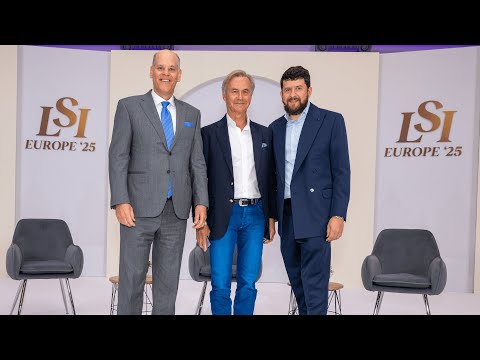
Hi folks. It's Joey Mason. Here I am with clarsh Capital Partners, which is a venture debt fund here based here in London, actually just down the road. It's been around for in this iteration, for about 10 years. It's on fund four. We've just completed a second close of our fourth Fund, which I can't tell you, because you'll have to shoot me right if I told you the number. So it's bigger than the last Fund, which was 300 hint and so Clare has been doing tech for since, I guess, the founders more or less for 20 years. We're doing some healthcare over the last 10 years or so, and I was advising them, but came on fully on board for this fund from join just a year ago. My background is more on the venture side, on the equity side, as well as started a company and did banking and meds and all other stuff like that. So I've been around the table many different times with this new fund. We'll be dedicating about a third to life sciences. So everything from Medtech to health tech, even to biotech. That's half my life, and I still keep a foot in the equity camp, because I work with soft Andover partners in Ireland as a venture advisor. And so that's looking at everything from the equity side. So fairly rounded, I hope.


Barry Grossman  3:26  
I'm Barry Grossman from Eleanor Grossman and shawl. We are a New York based fund or firm, not a fund, sorry. We also have offices out in LA. We're about 140 150 attorneys at this point. We're very active in the space financing space, representing about 35 banks, 4045 funds, something like that. We do a lot of as M and A work, IP, work. And IP is obviously very important. I'm not sure who heard the panel before this, but we've been involved in equity financings, debt financings. We've seen the trials and tribulations of doing it the right way, and, unfortunately, doing it the wrong way, you know, for all the wrong reasons. I started the firm with two of the people. It was about 33 years ago now, which is kind of scary when I say that out loud. And we do probably about a quarter to a third of our work outside the US, with, you know, non US companies that are looking to either raise money merge or do some sort of activities in the US, or just need patent protection in the US.


David Carter  4:26  
Good afternoon. I'm David Carter. I'm a partner on the team at CRG. We're a healthcare focused investment firm that provides capital to commercial stage healthcare companies. We primarily do that with debt. Bite size for us, we'll go as low as low as 20 million. We can go as high as 200 I'd say our average commitments today are about 80. And typically, what groups will do is they'll take down some portion of that at close and then at their option over time, most typically, when they're hitting commercial milestones. At their option, they can take down additional tranches of debt to get to that full $80 million commitment. I. We've been operational for over two decades now. We've raised four and a half billion we're currently investing out of our fifth fund. And we invest across the healthcare spectrum. So Biopharma, med tech, tools and diagnostics, healthcare services, consumer health and healthcare IT. And I think where we're differentiated from some of the more traditional venture debt lenders, is everything we do is a five year bullet. So there's no principal amortization for a full five years, because we take that duration risk, or we're viewed as maybe more expensive debt, but cheap equity, and that's kind of the bucket that we fall into. We have three offices, an office in New York City, an office in Houston, Texas, where I'm based, and then we have an office in Boulder, Colorado as well. Awesome.


Elena Lovo  5:47  
Thanks so much everyone. Thanks David for jumping into a lot of details already this. I would love, though, to take a step back from from all the details and maybe to level set for the room here. Maybe we start from sort of the basics. Mary, would you be happy to have a start with a bit of description of what venture debt is and what are some of the basic features and important features


Barry Grossman  6:11  
of it? Yeah, so venture debt is debt. I mean, there's just no other way of putting it. You can call it fancy equity, you know, you can call it whatever you like, but venture debt is debt and it's, I don't want to say it's surprising how many people don't understand what that means, but what that really means is it's, you know, either some sort of term loan or revolving credit facility. But I keep going back and saying the same thing when I talk to people about venture debt, it is debt. It's got an interest component. Don't be surprised if they want to be secured by all your assets. You know, we had a client came in and she told me, she goes, I don't really have assets. I said, Well, you have IP. Said, don't tell people you don't have anything. Why would the hell they've lend you money? But, you know, but so they're going to take a position in your company. Often ventures, it comes with a warrant or some sort of equity component, and usually it follows equity. So, you know, venture debt people, and you guys can probably talk about this much better than I cannot. Probably definitely what we when we see people using venture debt, it's coming in after the equity. It comes in at a time when there's always what I'll call Smart Money in the deal of or presumably smart money in the deal. And that you're coming in as a follow, following to that money, follow up that money, I should say, so you already have some built in protection venture debt, though, because it's dead, it's not going to be dilutive, and that's a key factor why, you know, companies love it, and that's, I think that's the, I don't want to say, the main reason, but it's one of the main reasons why people end up Going down the venture debt route. General Overview.


Elena Lovo  7:42  
So to keep on the sort of some of the basics and some of the initial consideration, Joey, what would you say are the top pros and the top cons? And when should people be thinking about venture debt?


Joey Mason  7:55  
Well, I think, as Barry said, it is debt. So if I think, what are the three cons? It's debt. It's debt. It's that you have to repay it. So we taking on that you need to be able to foresee how you can repay it. On the pros, I mean, clearly it's non dilutive. The process itself, certainly having been on the venture side for a long time, it's very quick. You can, once you agree term sheets, you can draw debt in five, six weeks. In fact, one of my colleagues here, we've got Council in London, said, if it's a UK deal and it's vanilla, he can do it in two weeks. So it's very fast. You're simply, you're basically, you're negotiating. You're not negotiating anything. You're just going through your loan documentation. There is very little negotiation that happens at the term sheet. And you're not doing shareholder agreements or anything like that. So it's, it is actually very quick. It's also flexible. I mean, we're not on the same size as Dave's group. We go in, you know, five, our range is five to 50. Now that's a huge range, but typically five to 10 is the kind of range. And we can do tranches. We can also then grow with the business. And so, you know, as the companies grow, you can grow your loan with them, and that's something that equity obviously doesn't provide. But I say at the cons bit, it's that it has to be repaid. You have to think about it like that. So when I think of what are the kinds of companies, and where should you be as a company to raise debt. One big exception, biotech, late stage clinical, because we will do that. But that's that's our exception bucket. Most of the companies are they're generating revenues. They're early, you know, less than 5 million in sales. They're growing nicely, and we can lend against that. From a company perspective, I think of two criteria. One is from the with the owners hat on, the greed goggles have to be on. You want to think this is going to I don't want to dilute anymore. Therefore, I want to find as cheap financing as I can get for the company, fear goggles is a. Disaster. If you think debt is going to rescue your investment, forget it. That is just the wrong way to go into looking at debt. And then the other bit is from the company itself's perspective, you I can think our loans are bit different to Dave's. We typically have, you know, their term loans, four or five years interest only for maybe 1518, months, and then everything amortizes. And I kind of think of it, there's a window of about nine months to a year where the company has very cheap money, essentially that it can it really needs to do something with it, though, has to reach some valuation inflection, has to reach some commercial milestone has to meet a regulatory milestone, something that says, Well, we went in at x valuation, and by the end of that cheap time, it was one and a half, 2x 3x otherwise you're just repaying the same loan out of your equity holders, mostly. So I think the timing of how you look at the drawing down debt is really important, and it's worth thinking about, but it can be, you know, very effective if you thought these things through.


Barry Grossman  11:06  
One thing, Joey said, I think people also don't realize there's really no negotiation. I mean, when we see these deals, and people will get a term sheet, we'll get this, we'll get that, whatever they're doing it, and people say, I want to negotiate these points. I'll say, that's great. So do you want to do the deal or not? You know, because, you know, think of going to a typical, you know, commercial lender. You know, they've used the same loan documents 100 times already. You know, if they have it's a typo, maybe they'll fix it. Maybe not. But other than that, there's no changes. I mean, I assume you guys both work the same way, as you said. So, David,


Elena Lovo  11:41  
what about your perspective? Anything to add? What should be companies thinking about? I think,


David Carter  11:47  
when you're in a position where, at least from our perspective, at CRG, where we're really in the business of assuming commercialization risk, until you have some certainty around what a forecast actually looks like, you should probably avoid it until you get comfort with where you see revenue tracking. An important caveat, at least, for what we do is we'll back non cash flowing companies, and so we will come in close to when we think somebody is coming is achieving cash flow break even. But I would agree that until you you know, kind of have that certainty around the forecast. You should, you should avoid it. I think in the just terms of overall appetite, at least in the United States these days, I think if you went out a couple years ago, term sheets were more plentiful. I think in this environment, there's it. If you got 10 two years ago, you make it three or four today. And I think to Barry's point, the restrictions around negotiation are, it's a little bit tougher these days. Yeah, so I agree with that.


Elena Lovo  12:51  
So is that, do you think David also the same in Europe versus the US? Or do you feel the maximum differences


David Carter  13:01  
we've done a couple of transactions in Europe, one in Finland with a wearables company called ora, which people may be familiar with, and then with another smaller group in Belgium. Historically, we have found European companies appetite towards debt just not quite as receptive as it is in the US, and it's almost viewed as if I can't raise equity, then I'm going to go do debt and think about that. But I think that is that is beginning to change. And frankly, you know, the reason we're attending this conference is we would love to meet your more European companies who are interested in exploring debt financings that That being said, I think companies are becoming more cognizant of the fact that you can use these debt instruments to enhance your equity value and effectively protect it. And so, you know, the non dilution aspect and element of this, I think, is hugely important. It's why people take it on. So I think things are starting to change here.


Barry Grossman  14:01  
What I was gonna say is, you know, one of the things that we see all time, and I think the point both you guys are raising, is that people should only raise debt if you're gonna get them to next milestone. Because if you catch it to the next milestone, when you do have to go out and raise money, you're presumably raising that money at a high valuation. So if you're raising the money at a higher valuation. Then, once again, it goes back to the earlier point where it's gonna be less dilutive. I don't it doesn't make sense to raise that today, then have to raise debt tomorrow, to recycle the money. You know, as Joey just said, but it brings you to the next mile. And I think, think that's the whole point of it. One of the major points to avoid that dilution when you know, the younger your company is, the more dilution you can have, presumably, when you bring in the money, the


Elena Lovo  14:47  
equity, Joe, anything else on sort of the European landscape versus, well,


Joey Mason  14:52  
I think it feel it's common to everybody here. I mean Europe as an investment landscape is. I would say at least that we were chatting earlier, at least a decade behind the US. It always has been, for me, was 20 years ago. Just started 20 years even 10 years ago. So it's catching up, but it's, it's far less deep. There isn't the, you know, it's a you don't have the same volume of capital, you don't have the same volume of sophistication. You therefore don't have the same number of players. Number of Players. You are getting groups like the eip trying to fill in the gap. And they will make very large loans to companies on a bullet basis, which are for early stage companies. When you have 20, 30 million euro loans, the five years pass very quickly, and you certainly have to refinance them, and it's like, oh my God, all I do it was cheap all those years ago, and now I can't finance my business because I have this debt to consider, but at least it's there 10 years ago it wasn't. And I just think we're, you know, we're gradually, will, will, I'm not sure we'll get to the same depth as the US will. Certainly is. We're getting more used to the idea of that, and there are more players, even in life sciences. Five years ago, six years ago, you could probably name two or three groups, and now there's quite a few more, which is great, you know, it means people are learning about it. But I think the historic bit is it? There is a bit I'm to everyone Marmite is either love it or hate it, right? It's, there's a real Marmite view of death. I think in in Europe, some people do like and not other people. I mean, I've used it on the other side and it didn't work. But that's like, shame on us. We, we used it in appropriately, but I would say at at the right time. You know, it can be very effective. So it's all education. It's just going to take time.


Elena Lovo  16:49  
Indeed, education is is quite fundamental when things are newer in the market, right? Barry, based on your work with companies, and your role of supporting companies. From your vantage perspective, what is working and what is not with this instrument?


Barry Grossman  17:09  
Well, I think what's working, you know, the ideal candidate for debt, in my mind, is someone that's, you know, got some cash flow, was some ability to repay the debt number one, and they're also at a point where they know that they're about to get, you know, something's going to happen. There's FDA approval down the line there, you know, there's some some event, as you know, kind of py said a few moments ago, that's going to get them to next stage. So when they do go out and raise money, they're not going to have to worry about, you know, being diluted as much as they otherwise might have been. You know, this type of debt is good for a company that's growing, that's got a history, or not not history, I'm sorry, but that's got a future. I should say that there's something there. I mean, where we see problems other companies that don't realize that five years or whatever's happened so quickly that all sudden you have a repayment obligation, and all of a sudden, you know, they're looking at, rather than a, let's call it a friendly venture, debt lender, and they're going to people who may not be as friendly, you know, you said, Europeans aren't used to this. I think the Europeans have a healthy fear of debt, whereas America, you know, we're used to it. You know, it's, you know, shit happens. I don't know how else to put it, but I think, though, having said that, we don't see a lot of defaults with venture debt, what we end up seeing is that they have to, people have to either refinance, or they will go out and raise an equity round to pay it off. So, you know, there obviously are some defaults. I mean, we have have had some over the years, and that's when it really gets ugly, putting it nicely. But you know, you have to be a company that's got a future, that's got growth. You have to believe in yourself, and you have to really believe that the next round is going to make us more valuable. So it's worth doing, because it will impact the company for years and years. You know, having that debt on your books?


Elena Lovo  18:58  
Yeah, absolutely. And enjoy going back to the basics a little bit. What are the type of loans that are available, and what is, what are some of the suggestions potentially for the audience here,


Joey Mason  19:13  
different funds are different firms offer different loans, and ours is fairly vanilla. It's one product. We're not a bank, it's a fund. And so we've these feed these term loans four or five years. You can get longer term loans from bigger institutions and bullet payments. You can get more flexible ones. If they're associated with banks, they're typically they can be, you know, almost like credit facilities. So you can kind of get various shapes of what, what you actually need, and you can craft the LA, the loan to be drawn down in tranches and different groups, then have different capacity to meet that. Because we're a fund, we have an investment period, so everything has to tie. I mean, it's all the. Maths work backwards from how you're repaying our or we're repaying our LPs. That's how our sort of the dynamics work. But if you're in a book group that has different if they're part of a different group, part of a larger organization or a bank, they can be they'll have different flexibilities. They'll have other requirements. Maybe it's on the credit side that they have less tolerance, or they want to mitigate risk in some other way. So I think you can have a selection depending on the stage of the company or what the company wants. The company still has to have be able to demonstrate an ability to repay the loan. I think that doesn't change. And so depending on what the companies are like, if they have, you know, say, long term BD relationships, they're going to give large milestone payments, you can essentially model for that in a way that if you're a regular, routine cash generating business that is growing at sales a month to month basis. That's a different way you might think of financing. From a debt perspective, there's a variety.


Elena Lovo  21:08  
Yeah, what I really like, of your points, all of it, but in particular, one thing that I think in my conversations with companies doesn't come up very often, it's to think about the Euro fund, particularly if they go to a fund that there is a timeline, right? There is a fund timing perspective that people need to be aware of. What we discussed, a little bit about the US versus Europe, sort of appetite and considerations. Any examples of when things went very well versus when things went very badly, not necessarily mentioning names that you'd like to share with the audience for them to have a real example,


David Carter  21:54  
I'm having to go first. I have a few we made. As I said in my opener, we made 80 investments to date, and I'd say 80% of those worked out at a level that we would expect, or better. 15% required more time and more money to get to that market share sort of grab that the company anticipated at launch. And then 5% of the time just something either we missed something in diligence, or something fundamentally changed in the industry in which that company operated and so on the on the positive side, you know, I mentioned aura, that's been a huge commercial success that, frankly, we didn't anticipate. So we made that investment in February of 2022, and at that point, the oura ring was more of a platform with the prospect of adding functionality going forward, and the company's largely done that, and, frankly, exceeded our expectations with respect to kind of what you can do with it. With that ring, that one has been just a fantastic example of how a management team can effectively minimize dilution as they raise equity rounds going forward, and so I probably shouldn't talk about what the equity valuation was when we invested, but it's public just recently, or assigned a strategic arrangement with Dexcom at a $5.2 billion valuation. We ran some back of the envelope math to look at the value creation that that brought to the ORA team and its equity investors, and it was north of a billion. So that was a really good one on the bad side, and I shouldn't mention the company we invested in, 2015 in a group that was really positioned for they were approved in Europe. They were seeking an FDA approval to launch their product in the US. It was a neuromodulation device, and they let their European approval lapse, and it was a paperwork issue. But in the interim, before they got it fixed, which ultimately, they tried to get it fixed, and did not, they implanted 200 patients with the device, and the FDA heard about that and went pencils down, the CEO left in the middle of a fundraise, and we lost the equity, lost their money, and so did we. So that was probably when I have nightmares at night about this business. That's the nightmare. So you know that that was a bad one, and we lost a fair amount of money on that one. So those are two. Joe, you got any good ones?


Joey Mason  24:28  
Yeah, there's probably not that quantity. But in fact, my first experience with venture debt was negative. I was on the board of a French company who's in the spinal sector, and and the company was growing, albeit quite slowly. It had come from, well, we'd invested with a syndicate which probably wasn't the strongest syndicate in the world, in retrospect. And the it had gone from, you know, very high. Growth market, the tool that had essentially collapsed like within nine months of our investing, few years later, it was coming back. And we kind of convinced ourselves, I think, as much as anything else, that you know, growth was coming back into the market. And the company took on an amount of debt, which really, it really struggled with. It then had to restructure, restructured its US organization, which ironically, Claris was a lender in other guys. So I kind of got to know it both sides and Okay, so the US bit got reorganized, but we were in France. It was a French company, and debt in France is a very different business. You've essentially you can go into a process whereby the courts essentially prevent the lenders from doing anything, and you have to abide by whatever the French court decides. And so long story is, the company has still, still kept going, and it will pay back the loan, albeit it's taken, you know, an awful lot longer, and so has it made money? Absolutely not. But it hasn't lost money. And I guess that's with my venture hat on that. It's a helpful prism, because on the debt side, you just don't, you can't lose money. We've half of our team are in operations. We're in earlier companies a love a lot more mess that needs to be fixed and helped and sorted. And it's, you know, restructuring debt, etc, and prolonging things, and but it's essentially, it's mortals in to lose the money asked for our kind of level of fund. And so you always want, then the quantum to be manageable in with respect to the size of the company. And by the way, they're learning about France, and then now that I'm in it, like of all the countries have different rules and regulations, and that's a real eye opener when you're trying to figure out, well, can you actually collateralize your debt and how you're going to collect and all that stuff? So it's can be quite complicated on the positive side, two pieces, one and almost extreme when I mentioned the biotech world. So we were part of a syndicate that invested or supported a company called abhifax, which is a French publicly listed company in inflammatory bowel disease. They're doing clinical trials. It was like ourselves in Kris. Black Rock were part of like you know, think we put in 75 million. It's all public, by the way, that's why I can say it of a 300 plus million dollar crossover round, and it was to fund a clinical trial, two clinical trials in Ulster crisis and Crohn's disease. And the idea is the exact same idea you bought extra time, and what the debt ultimately did was it bought extra time for the company to complete the trial and report out, because unknown to us at the time when we put the money in, it was July two and a half years ago, or just over two years ago. Sorry, maybe it's three even the market just closed for the company. It couldn't raise money. And so, you know, avivax couldn't have given away stock to if it needed to raise 50 million, 100 million, it was just gonna kill the shareholders. And of course, it is your classic. It's never happened to me before. It probably will never happen again. Results get announced in an hour later, this stock is worth, you know, 10 times what it was, because it goes up from 600 million to six and a half billion, and everybody's happy, and it worked. But it was that extra nine months, nine months a year, which they bought from the equity side. Similar thing happened on a much smaller company, which was a medical device company selling into women's health. It was a lymph node Sentinel, Sentinel Lynn node, detector for breast cancer, and it had kind of bootstrapped for years. Really struggled out of here, outside of the UK, out of Imperial UCL, and it was just an unpopular area, but it grad eventually managed to get one investor, and they bootstrap their way to about $10 million in sales in the States. And they were facing an equity round, and it was not going to be a good equity round, because they still needed to really prove the model. They were going to have to sell quite a lot out of, you know, really poor valuation. And we chatted about it, and I said, Well, why would this? Before I tried clarity, why wouldn't you put debt in and for less than 10 million in debt, they were able to grow the business to 30 million. They kept their private equity interest going. And then Hologic went in and bought them for like 330 so to your point about proportional value creation, the equity holders and the founders did very well out of that. They made that nine month year really work to their advantage, because even by the time they got 20 million in sales, they were going to be able to raise money at a much higher valuation, because there were momentum. Is huge so it can work in the right places.


Elena Lovo  30:05  
So I think I heard timing like I heard working with potential inequity raise I heard making sure that you know where your plan is before we open to the public any advice one piece of advice from each of you, I think, for the audience, would be great.


David Carter  30:28  
I would say diligence. Your lenders you're considering


Joey Mason  31:00  
That was mine.


David Carter  30:32  
it was that was yours, yeah, because I think people miss that. They focus on solely the cost of capital when they think about this decision point, it's an important decision point, because whoever is going to provide the debt on the debt side is a partner. And you want to have that partnership element, and you want to feel good about what it's like to work with that group going forward. And what you should do is talk to companies that had good experiences with that group and companies that had challenging experiences and learn about what was that dynamic like? How did it change? And I think that's really important.


Barry Grossman  31:11  
I mean, just to follow up, because that we are okay. I mean, we're on both sides of the equation here, both sides of the deal. We represent companies that are borrowing money and funds that are lending money. So we always tell both, in this certain common thing, you better do a lot of due diligence on each other, okay? And obviously, I'm sure both you do a lot of due diligence on the companies you're giving money to. You want to know about their financials. You know? You know, we had someone that a deal died because her brother in law was the CFO of the company, and no history, and that no Billy and the fund basically said you got to bring in a real CFO. And she goes, if you don't trust my brother in law, that means you don't trust me. I'm like, No, that's not what they're saying. They're saying you got to really bring in someone who knows what they're doing. You have to have real professionals around you. You have to understand what assets or what the security looks like, what the debt looks like, or what the cash flow looks like, Excuse me, you also have to basically have a real board, you know, people want to see real companies, a real, you know, bylaws, certificate of incorporations, and what does your cap table look like. So, so you have to really be prepared. So, you know, just like the banks, excuse me, that the fund or the lender is doing, you know, due diligence on you. You need to do the same due diligence on them. I don't repeat what you said, but you know, what's the history? Yeah, when do they foreclose? I mean, we have some, some funds. I will tell the my clients that funds. We know, if you don't dot the i You're screwed. You know, if they are with you don't miss a comment, you're screwed. Roberts will say, You know what? It's a foot fall. You know, we'll, we'll do something. We'll work with you. It all depends, you know? I mean, no one wants to take over a company, but there are certain groups that want that pound of flesh if you screw up it, whereas others are much more lenient. I don't know how else to put it.


Joey Mason  32:56  
No, no. I agree absolutely. And I think, you know, again, it's where you are in your growth and development stage. Talk to people who understand where you are, and it's back to the same point as essentially diligence each other. And you want to talk to companies. I mean, we've done, I think, over the years, with Clarke and its previous iteration, more than 200 investments, and a bunch of these are in tech, obviously, mostly in tech companies which go up and go down and go up and go down, and you know, you have to be solid as a business to be able to support to support those. The diligence point I seek does go both ways. And England won't be happy with these looking at his phone, but he's the only person that ever diligenced me in my career that I know of, most people don't do it. You know, if you're the company, absolutely diligence your your any equity provider. I mean, it's even worse for the equity side, because you're in there for an awfully long time, and you want to know how people behave, but you do want to know how the lenders behave when times get tough and they will get tough. And I think having, you know, a big experience set really does count. Because, I mean, I certainly well, the expertise that's behind me is way, way more than I'll ever earn in a lifetime. And people have seen everything, and then we don't always get it right, but you want to have a group with you who at least understand what you're facing, what the alternatives are, how to wend your way out of it. As Dave says, We do not want to own businesses. That is not, that's that's just, that's not our model at all. And we don't want to close businesses either. That's certainly not our model. Yeah.


Barry Grossman  34:43  
I mean, I've never seen, sorry, last point, any venture debt lender that wants to take over a company that is disaster scenario for them and for you and for everyone involved, it's not even an option. Mostly, it's just, you know, it's, it's just the work disaster scenario.


Elena Lovo  35:01  
Thank you. That's great. Okay, we have a few minutes, maybe for two or three questions.


Audience Question  35:06  
Please. Need to mention covenants. Maybe that's what you're alluding to, and how they react when you use those.


Barry Grossman  35:16  
The covenants are basically very, very important. It's a good point. Just like some they're taking a lien on your assets. They can be covenants. What you can do, what you can't do. Some most groups are, you know, reasonable, I'll say I don't, but you know, they don't want you going out and borrowing more money. They don't want you going out and paying yourself an absorber in contract all of a sudden. They want to make sure your board is set up the right way. They want to make sure you're using the right auditor. They're fairly extensive. I think you know, in my mind, you have to look at it just as if you were taking money from a commercial bank. You know, if you know, you know JP Morgan was lending you money, they'd have 20 pages of covenants. Don't be surprised if you see the similar 20 pages.


Elena Lovo  36:02  
And Okay, any questions from the audience?


Joey Mason  36:08  
I think when we think, think about things like confidence we certainly have, we'd always look to the equity holders on the board. And there's always equity holders. So we don't typically insist on an awful lot of them, simply because they're, they're already going to be there in the documentation for the company and the shareholders agreements. And so we're, we have issue will clearly be interested in how much debt is in the business. But apart from that, because they're essentially sponsor led companies, they will have proper board structures they will have, you know, governments and all these sort of fairly clear rules about what shareholders will permit, and we can typically stand behind most of those, as long as they don't cross the line on debt. That's our that's the big flag that we have.


David Carter  36:59  
I'll make the the CR, D AD is we're relatively covenant light. So we look for three we look for liquidity covenant, which is an amount of cash the CFO would want to have in the bank anyway. We look for an information rate. So when there's a board meeting, we want to make sure we get the decks, and then we do use revenue covenants. There are some lenders that use revenue covenants and others don't we really use that as a test. So if somebody comes in and says, I did 50 million this year, I think I'm gonna do 100 million next year, we'll say, what's a sleep at night revenue covenant for you next year. And if somebody comes in and says 50, then they're probably not ready for debt if they say 80 or like, Okay, that's great, perfect. We've never called a loan because somebody tripped a revenue


Elena Lovo  37:56  
covenant, still looking for any questions. You've


Joey Mason  38:00  
gone through everything. I'm


Elena Lovo  38:01  
okay. I might have one two. Then to close, how do you think about the market out there? How do you source your opportunities and your deals, anyone and everyone, anything,


Joey Mason  38:19  
certainly from a European perspective, you're basically telling people that the opportunity is there. There is an instrument that that is that that's available. There aren't that many fora to have that within the med tech community, and it's very dispersed in Europe. So essentially marketing, it's letting people know you're out there. Think that's a good part of it. We get referrals from sponsors, from the owners, the VCs. That would be very strong part of the pipeline, but not all of it. And I say we typically, I think we don't look we don't need unicorns, we just need to get repaid. So Europe has very different ways of financing as well. There's high net worth. There's family offices that will fund companies, and they come through advisors very often, and they be the smaller boutique type advisors or law firms, Accountancy. So, we will source deals to all of those and colleagues when we share deals with other lenders as well, if they're of sufficient size.


David Carter  39:31  
And so from CR DS perspective, about 50% of our business comes from people we've provided capital to in the past. So when they have an exit, and an exit is typically one of three ways. So when markets are accommodating, companies are going public, they're getting acquired by strategics, or they're using our capital to get to cash flow positive, and then they're refinancing us out with traditional cash flow lenders. Oftentimes, those management teams. Will land at new companies, and when they're ready for debt, we get the phone call, which is great, because there's a relationship in place, and we know, you know, the people involved. And I think that's a benefit of, you know, we've been doing this since literally, over 20 years now, so we've got a good network of those types of relationships. And then, to Joey's point, there are intermediaries. Sometimes they're with large institutions, and sometimes they're smaller advisory groups, and they'll show us deal flow as well. And then Joey's point about just marketing and meeting people is super important. So the average term or timeline that we've interacted with a group before we provide capital is typically about two and a half years. So we, you know, we know the groups, and they know us, and there's a relationship in place, because we sit at a strange point where, you know, somebody's gotten through the development process and then they're launching, but they're not typically cash flow positive yet, and so it's hard to find those types of companies, but that's what we look for


Elena Lovo  41:02  
Barry any comment on your end.


Barry Grossman  41:06  
I mean, listen, we're a source for funds, for people lending. As I said, we represent a bunch of funds, so people will hear us speaking at conferences like this, people, you know, word of mouth. We haven't had a lot of success in Europe, to be honest with you. So on the venture debt side, it's almost been exclusively, you know, us, us companies, and it's really just a word of mouth business from my perspective,


Elena Lovo  41:31  
fair enough people. People are the source and the key part of everything, right? Super. We did reasonably well. We're just one minute 40 beyond time. Well, Joey, Barry, David, thank you so much for your conservation. Actually, this has been helpful. Thanks everyone.


David Carter  41:50  
Thanks everybody.