Turning Conversations Into Capital: VC Interactions 101 | LSI Europe '25

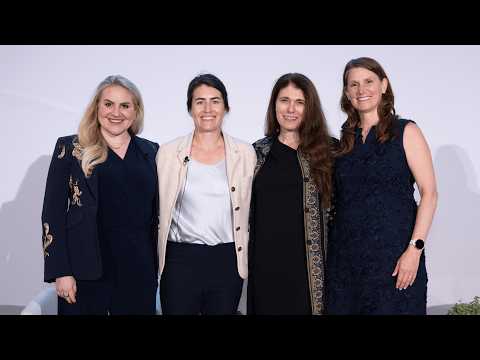
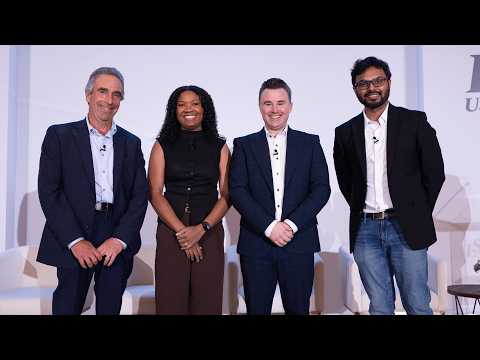
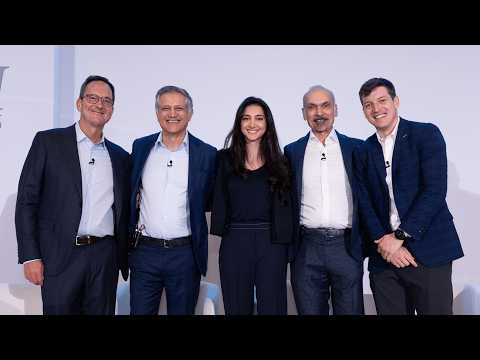
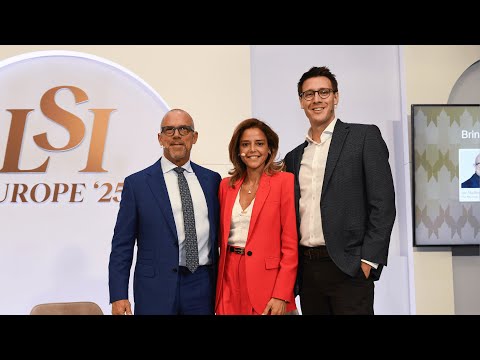
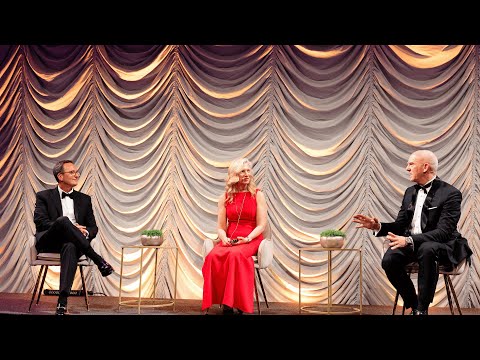
Learn essential strategies for effective venture capital interactions with industry experts from ONWARD Medical, Supernova Invest, RM Global BioAccess Fund, and Good Growth Capital as they share insights on transforming startup conversations into successful funding opportunities.
Join Our Next Event
Partner with the leaders
shaping the future of
Medtech at LSI USA ‘26
March 16th - 20th, 2026
Waldorf Astoria, Monarch Beach

Dave Marver  0:05  
All right, thank you for joining us on this last session. For a lot of you as founders and entrepreneurs, it's a bit of a mystery how to penetrate this world of venture capitalists, and so we're going to talk today about how to approach and build relationships with VCs, with the outcome, hopefully, of getting capital for your enterprises. I think I was selected to moderate this panel because I have a lot of scars. I've raised probably $300 million in every way you can imagine, through IPOs and follow ons and private placements and debt and through a lot of angels as well. And it's never easy, never easy, but hopefully, with the benefit of the expertise and counsel from this esteemed group, we can make it easier for all of you, just a brief commercial, if I may, on onward. So I have the pleasure currently to serve as CEO of onward medical, which is a Neurotechnology company. We have technology that stimulates the spinal cord to restore movement and other functions lost after spinal cord injury and Parkinson's disease, and we're now commercial in the United States. So we got FDA approval about three quarters ago, and as of this weekend, we also have CE mark, so that's good news, and we're starting our pivotal study for our second technology as well in the coming months. So very busy times at onward. If you haven't heard of it, please look us up. Okay, now with that over, I'd like to ask each of our esteemed panelists to introduce yourselves and maybe tell us a bit about your firm. And Celia, may we start with you today with pleasure.


Celia Hart  1:54  
Okay, so I'm Celia Hart. I'm co founder and general partner supernova invest it's, it's a French it's a French firm. We have a long existence, but I would say we kind of started in depth to be independent in 2017 although the history starts more in the year 2000 and so now we cover, you know, investments from seed to, I would say early growth. We manage about 800 million. We do quite a lot of med tech. And myself, actually, I came into this business a little bit by chance, because I was like more aiming to be in R and D. So I did a PhD in academia in Oxford, and then I worked in the biotech industry in Cambridge for a few years. Loved it. And the life took me just somewhere else, you know, and I ended up, you know, doing it a bit of BD and an MBA. And in France, I stepped a bit upon this opportunity to start up, start startups from scratch. So I would say my sweet spot and I'll finish years, has always been seed funding, because we're talking a lot here about how to approach founders. So so it's very much about first interactions with often, founders who've never actually raised money before.


Dave Marver  3:18  
Thank you. Celia. Samuel.


Samuel Scofield  3:21  
Yeah, so my name is Sam Scofield. I'm a investor at good growth capital. We are a Charleston, South Carolina based early stage venture capital firm founded by two women that wanted to they were entrepreneurs for a number of years, and felt like there was a gap in the market and really early stage technology with institutional capital. So the general thesis of the firm is investing in transformative science and technology, typically investing in seed and series A we also do have a separate fund for pre seed investments, often academic spin outs, and we, you know, follow on in our in our investments beyond the series a stage, as I said, investor at the firm been here for about three and a half years, and came in from Life Science strategy consulting, primarily on The Biopharma side, and at my time at good growth, been really focused on medical devices as an investment area. Been a part of about 10 new investments, and probably 20 or so total investments into into companies. So certainly, have had lots of interactions with existing companies. We have some portfolio companies in the audience, so good to see that, but also new companies as well. So looking forward to the conversation here.


Dave Marver  4:50  
Thank you. Bruce.


Bruce Roberts  4:51  
Thanks Dave, and thank you to my panelists. I'm Bruce Roberts. It's nice to see everybody at this bright and early. Hour, and to give a few words on myself, I've been in the medical device sector for now 25 years. So from that vantage point, I've been able to see quite an evolution in the venture capital ecosystem, both for medical technology and for Life Sciences. More broadly, I got into the sector through actually work that I had done in launching with several other partners in New York, a boutique investment bank and investment management firm called RM global. And it looks like you can keep that date, RM global actually has been in business for 25 years, and particularly in the last 10 years, we've been active as a venture capital fund manager and venture capital or investor, both managing corporate venture programs as well as managing our own proprietary fund vehicles. That experience has given me perspective on the dialog between VCs and entrepreneurs from both angles, both as someone seeking capital for my companies, as well as now allocating capital the current fund that we are investing from into med tech is focused primarily on clinical stage companies in cardiovascular, neuro oncology and immunology, and certainly look forward to sharing more about some of the experiences we've had.


Dave Marver  6:40  
All right, thank you. So we have a well constructed panel here with a lot of experience from both sides of the Atlantic. So bravo, LSI. So let's start at the beginning. Founder, entrepreneur, needs funding. They don't know you, and they don't know anyone who knows you, so they can't facilitate a warm introduction. How should they get your attention? Can they email you? Can they call you? Maybe just explore some do's and don'ts for that initial outreach, what has worked for founders and entrepreneurs, what has resonated and what has been really annoying and maybe turned you off or discouraged you from engaging with them. So we'll start with Celia again.


Celia Hart  7:23  
So you already cut the question, because I was going to say, if you can find, indeed, someone who can introduce you, that makes a tremendous difference. So if you don't still try to try to find someone, because I think you you may be attached to an incubator, you will find someone. Basically, you should be able to find someone. So that's always the best way is to enter recommended. Now, having said that, you know, we do get a lot of companies who come to us cold. We do review the decks. So obviously, the clarity on information and the right targeting is important. You know, blankets email you we need to see that it's tailored to who we are, but generally we will respond to that as I think, as regard to the channel, it's a very personal thing. I think some people, personally, I don't like being called, but that's very personal. I've got people in my team who are quite comfortable with that. I prefer to have a bit of a formal email which, you know, details the main elements of the company's value proposal. Then we review it internally, and we have a process for that, and then we'll get back to the company. We always, always get, get back to companies. You know, we always answer, either we answer very quickly, no, because it's not in the scope, or we take a quick call, and then you have your chance.


Samuel Scofield  8:51  
Basically, I would also say, I mean, so I would echo a lot of what you said there. I think, you know, Dave to your question. I mean, warm introductions are obviously key if you can get them. And we appreciate that those are not necessarily always accessible. But, you know, it's, it's not a function of, you know, we don't want to look at companies that are coming in cold. It's just we have respected networks that, you know, there's a certain level of work that's gone into it. If it's coming to us, they understand our thesis well. They understand what type of investments we like to make. And to your point, we really want to make sure that you know, if you are doing a cold outreach, make sure that you're reaching out to the right people and with the right type of company. So we're seed in Series A, there's, you know, you can probably find that on pitch book or crunch base, or even just on our website. So if you're a series B stage company that's raising a commercial round, we're probably not the right fit. So definitely do your homework. It's very obvious when companies reach out and they haven't done that homework, it makes it a lot easier to, you know, not focus on those we're obviously, you know, LPs are paying us a. You know, to see deals. So we want to see things, but, but I think that's definitely try and focus on that. And I would say another thing to do, which you know, for those there in the audience, you know, you're making the right move coming to events like this. Because I think you know, you can, you can see people in person, and you know, we like to call it kind of like guerrilla marketing, right? You can just, you go up to an investor and introduce yourself and kind of develop that relationship so that at a later date, once they're, you know, looking at a pitch deck, something that, sort that they, you know, recognize what you are, who you are, and what you're building. I think that that goes a long way


Bruce Roberts  10:39  
anything to add? Bruce, well, certainly, I think that any investment to attend a conference like this is well spent, because, you know, as Dave, as Sam mentioned Dave, the personal connection, particularly as we've come out of covid, really is a key to overcoming this. What is indeed a very, I think, critical wall where cold calling is just not going to be that effective. And I would add one other curious development that's made cold calling, unfortunately, even less effective, which is that people really are worried about cyber attacks now on email platforms, and there's a sensitivity about unsolicited emails that I've seen from recent cyber events, you know, amongst people in my circle, that adds another layer of, if you will, wariness, apart from clearly doing your homework on the focus of the fund, I would say that if you are going to endeavor to do a cold call or a semi cold call, it might be a good idea to start not at the highest level, but actually with a junior person who's going to potentially take that cold call and to work your way up, it's obviously not perhaps seen as the easiest way, but it's probably a more realistic way to penetrate cold the other practical bit of advice I would Give if you're having trouble finding a point of referral. Try to research whether the fund has a group of KOLs they work with. Sometimes those KOLs might be part of your network or an easier pathway in and KOLs and sab advisors matter a lot to us as fund principals, so we will spawn to them


Dave Marver  12:44  
already, some good feedback. I must say, when I think about approaching a firm, I'll think, well, I don't want to start with the associate. I want to go and engage with a decision maker. Why waste time with the associate? That's very valuable feedback already. Another thing that that happens quite a bit, even for a more mature company, and even in a banker led process, we get set up with meetings with funds where we don't fit the mandate. And you mentioned pinch book, pitch book, we don't have subscriptions to pitch book, you know, and often your websites are inscrutable. You can't determine what your mandate is, or what your investment preference are. It's almost like sometimes it's the more stealth you are, the more cool and exclusive you are as an investor you see. So this is difficult just for an operator to wade through this, but what I'm hearing loud and clear is network him, and that network will help the founder to discern whether indeed your fund is a fit for their company and get you to the right place. So very clear, was that a question over there? Were you saying hello to me? Do we know each other? I wasn't sure. Go ahead.


Audience Question  13:54  
We're looking for somewhere between the Neo the haystack or Neil the haystack. About exist. So for us to go through 300 VC firms to see what your criteria is. That's our doing your work. I think we should just send in Reddit, send 300 VC, perps. So hey, we're doing a series B. This is the we take you and let you do your work, because otherwise you know. And on your point of the website, I don't the website stop for the entrepreneur or your limited partners, but we read your websites and we believe is, wow, this is, this is the surrounding game, my tonic, and it's invariably not. So I get to your point that is much better, like as a great idea, and can well the guerrilla marketing, but as a you know, when you talk for the by the way, supernova, I sent you a PowerPoint and it gave me back a recent response within a week. That was great.


Celia Hart  14:45  
Thank you.


Dave Marver  14:47  
I was worried, thought he was gonna say something bad, so nice. Well, the other thing is, when you hear no as a founder, entrepreneur, often it's because you. A company does not fit the mandate, or you're just at a different phase in the life cycle of your fund, right? So I think that's important to to understand. It doesn't mean you don't have a good value proposition. It just may not be a fit for that point of time.


Bruce Roberts  15:13  
Yeah, and that's the biggest challenge, because that's often one of the most important data points, but it's the most inscrutable, and no one's putting on their website, where they are in their fund.


Dave Marver  15:22  
Michael, that's so you just have to kiss a lot of frogs. That's just the nature of it. So, so let's say you don't fund an entrepreneurs company, but they want to stay in touch, because they want you to fund them the next time around. What is the best way to maintain contact with you without being annoying.


Celia Hart  15:46  
I think, well, first of all, and we try to be clear in our answers. I mean, sometimes it's really not in our target, and we will probably never fund the company. And I think that's if that's the case, there's no really point coming back. But as you said, I mean, sometimes it's a question. Often for us seed funders, it's it can be a question of maturity of the fund, and maybe we can come back to that question later. But often it's a question of maturity of the company. As seed funders, you know, we see a lot of ideas. We often really like an idea, because yeah answers, medical need. There's a there's a dynamic in the market. We like the founder, there's an innovation IP, but it's the maturity is not quite there, and the team needs to be built a bit. So what we try to do is, I think we try to engage. We try to make it quite clear when we like an idea, we say it. And we try to engage with the people and advise them in a quite a light way. They said, Look, you know, maybe you should think about complementing your team, and these are the things you should focus on. And we try to explain what are for us, the prerequisites to look at the the deal in a more active way. We try to do that. I mean, I don't know if we do it always very well, I admit, but we at least once, we start initially initiating the conversation. We try to have this dynamic.


Dave Marver  17:20  
So Samuel should, should a founder entrepreneur, put you on their mailing list so you are made aware of their achievement of milestones and other developments? Is that okay to do? Yeah, I


Samuel Scofield  17:32  
would say so for sure. I think you know the original question. I wish this dynamic played out more in my specific case. So we're typically, as I said, investing in seed in Series A. Oftentimes we have CEOs come to us looking for financing for a Series A, and it, you know, I would love to have met them during the seed time, you know, when they raise that seed, and just so I could get to know them. And I think one thing that just generally that applies, I think, in raising venture capital is, I would look at it way more like relationship development as opposed to a transaction. You know, we invest in people that's every VC will tell you that. And certainly, you know, in with with people that we are, you know, trust, and we think will do a good job and are good stewards of our capital. So, you know, getting to know somebody, understanding what they you know, how they operate. You know, it's a much better position to to have that relationship in place. And then, you know, here's what we've done over the last six months, or the last 18 months, and then come and bring that series. A, if, if you were, you know, fortunate enough to have made the connection during a seed, and it didn't make sense for us at the time, but you felt like, you know, there was a good potential fit, and maybe the Fund said, you know, this is interesting, come back to us during the series. A, I would, for sure, put you on the mailing list. I do look at those, I think those newsletters, you know, whether they're quarterly or, you know, biannually, I think is they're very useful. It's and so certainly be doing that, and also at all these events, I would, I'd encourage every CEO to be reaching out to, you know, investors, especially if they're not raising money. So I think oftentimes people think, Oh, well, if we don't have a round, why are we? Why are we out here? Again? Back to the relationship development. I love taking meetings with people that aren't raising capital, because then it's not an immediate, oh, I got to make a decision. It's, let's, let's actually evaluate the opportunity and track over time. So I would focus heavily on relationship development.


Dave Marver  19:46  
So Bruce, you always have to find something clever to add after these two have opined anything you'd


Bruce Roberts  19:52  
like that was your job. But I agree with all of those comments. I think that if you get up. Pass based on stage, if, particularly if you've had a presentation and a face to face or a zoom, you're definitely well in your rights to aim to get a little more specifics to make sure that that's just not a polite pass. And as my colleague said, There's nothing better than engaging with people when you don't really need anything from them. People really appreciate the opportunity to build relationships. You know, I think the venture business is very much a relationship driven business, and every venture player wants to feel like they're building a proprietary network and deal flow. So I think it's appreciated, but ultimately structuring interactions where the takeaway that you're delivering is we're executing on everything we promised we would do. That's a great foundation to build.


Dave Marver  21:01  
Certainly it's good to build relationships with the VCs so they can get to know you over time. But you want to get to know them too, because they are going to be in your life. You're going to want them to fund you again, or provide positive references to others in their network who may fund you in the future, and they may be on your boards as directors or observers, and you want to make sure that you can have an open, easy chemistry, transparency, directness and good collaboration. So I would think of it as a two way street. In fact, you're getting to know them just the same way.


Celia Hart  21:39  
Yeah, I think you're absolutely right. And I would really encourage you to to get to know us, and we do due diligence on you. Do due diligence on us, because it's true. It's, you know, it's not a transaction, it's a relationship. It's very we're going to be together for a very long time. We need to have be able to have really difficult conversations sometimes, and honestly, if the chemistry is not there, you know, it's not worth doing the deal with a certain type of VC. It's is really critical.


Dave Marver  22:11  
Yeah, I agree.


Samuel Scofield  22:12  
And I would just add to just a different angle on this, you know, I think something that CEOs who are raising venture capital. Don't always think about this, but VCs are actually acutely aware of this dynamic, because they have to raise money too. And so if you're raising money from LPs, LPs want two, three years, even five years, of experience getting to know a manager, especially if they're an emerging manager. And so you know that obviously we're raising capital and deploying it. So the other half of our role, you know, we're, we're thinking about relationship development and that, you know, they're, they're underwriting us as people. And so we're seeing it from that lens. And so we're, we're in a similar spot and trying to do the same type of thing.


Dave Marver  22:58  
It's good point. So far, I would take money from Celia Bruce, I'm not so sure, but let's see how it goes. Okay, you still have a shot, all right, so let's say you like a company and you want to prefer a term sheet. Okay, now it gets kind of serious. You're talking about really specific, difficult terms, and so what do you see as best practices and good behavior and bad behavior from your your founder, CEOs, who at this stage don't have necessarily good board directors to advise them? So what can you share there about how to conduct oneself in the term sheet negotiation stage? We'll start with you. Bruce, yeah, yeah.


Bruce Roberts  23:43  
Well, I think that two key words I would start off with are deal fatigue. I think you have to be very mindful that in any VC, like most counterparties, is really constantly assessing what the potential is of reaching a closing and how much time to allocate. And to Celia's point, whether there really is, you know, an alignment of interest in chemistry. So it's important, clearly, to advocate strongly and to negotiate hard and strong for your interests, but there is an underlying dynamic and minuet. And I would, you know, certainly be careful not to let lawyers, you know, sort of grind out a long period of negotiating a term sheet, which is then going to be followed by a long period of negotiating definitive documents. And I think also it's quite important to just focus on a fairly limited list of key points. And. And to realize that you will actually be able to revisit a lot of the other points when it comes to definitive documents.


Samuel Scofield  25:08  
Yeah, I would agree with that. I think, you know, negotiation, hopefully you have a good relationship going into it, and so it can be cordial throughout. I think I would say it boils down to two things in a negotiation you're looking at valuation and control, I think everything else is less important. There are terms that are, you know, negotiated that I think are not necessarily always worth negotiating. And so I think you want to have a focus on especially if you feel like the relationship is strong and the you know, investor that you're working with is really trying to get a deal done that there's certain things that are worth kind of fighting for, and there's certain things that are not worth fighting for. And I think you want to make sure you have a good legal team that are not, you know, over engineering these term sheets and, you know, racking up the legal fees. So I think, generally speaking, focus on the key things and don't worry as much about the stuff that aren't, frankly, as important.


Dave Marver  26:10  
You notice the Americans don't like lawyers. That's one conclusion I can draw. Okay, Celia,


Celia Hart  26:17  
I think, Well, I think, first of all, it's very different if you are, you know, it's your first time you negotiate. And, I mean, we've done a lot of new companies originating from academia, and I think it's a really hard moment, because you've had all this. Sometimes you've been interacting for 123, years, and at the end, you do the deal, and you have this very good relationship, and then suddenly, boom, this term sheet arrives, and it's a bit of a shock for the founders to think, wow. They feel like it's an aggression for them, it's really hard. And, I mean, it took us some time to understand that, and we thought, I mean, the best thing for me, my best advice, is to say, get advice from people who've negotiated term sheets like this before and make sure, yeah, you have the right lawyers, as you said, who are not over engineering details, who will tell you what to focus on, what is market practice? Because honestly, if you don't have that, it can be a complete disaster, because the lawyer can put some more oil on the fire, and it's so it's really critical. But I think for again, it's completely different for people who've already raised because they've gone through that, they know what is important what isn't. But first time round, it is a quite a strange crossroads, and you have to Matt, you, we can try to manage that well as well by doing a lot of explanation. But this they suddenly feel you on the other side of the table. You know, you were walking together, and there's this moment where, of course, you're a little bit facing each other. So you have to overcome that. And if you do, I think you come out of it probably stronger, indeed.


Dave Marver  28:00  
And for the founder, this is a brand new language. You deal with it all the time, many times a year, and and there's an imbalance there. They're learning about liquidation preferences and participating preferred and all these things that are quite foreign to them, but are deeply important to the eventual returns that might flow their way. So I would encourage the founders to get smart on those things, otherwise they can be disadvantaged. And again, also your lawyer works for you, right? So don't let them assert themselves too much. Get the deal done. As a business person, you know you need the money to operate. Get the deal done. That has to be the mindset from the from the beginning.


Bruce Roberts  28:40  
Dave, I'd like to also address what sometimes can be a happy situation where you as a founder, do have leverage, where you may have multiple term sheets or potentially competing strategic interests with a VC interest. And of course, you want to be able to play that card, and it's okay to play that card to let a VC know there's competition. Nothing focuses the mind better. But one thing that I have observed in several deals, and you do need to be careful about it, particularly if you're a serial entrepreneur who plans on tapping the VC community regularly, is to inject as much transparency as you can. Don't invest an enormous time negotiating a term sheet with a VC if you're simultaneously negotiating a deal with a strategic to sell the company early and drop that on the VC at the last minute, without any inkling that there's competition, because ultimately, there is a very keen appreciation of closing risk among species who are leading deals, in particular, because they're in getting to a term sheet, they're investing substantial amounts of certain. Only team hours and external consulting hours on initial diligence. So you don't want to leave anyone with a feeling that they've just been strung along as a stalking horse, but that you know they were in a fair but fierce competition and they lost, but that will make them all the more anxious to invest in you next time.


Dave Marver  30:24  
Just pause, any questions, any thoughts or arise. No, that's okay. And then when it comes to the syndicate formation, oh, excuse me, how much do you take on that responsibility as the lead to pull together that syndicate among other firms with whom you've collaborated in the past, and how much do you want the CEO to play an active role in recruiting additional investors? And in what ways does it vary? Does it really depend on the capabilities and network of the CEO so you'll step in if he or she cannot? Like, how do you think about that?


Celia Hart  31:02  
Yeah, I think you're right. It depends on the on the experience of the CEO. What we want is to end up with a good Syndicate, and that's that means many things, the the ability to, of course, reinvest in the company, but of course, you end up on the board, and it's, it's the the quality of the board and the quality of the people who are going to be around the table with a CEO, with independent board members, but also your up investors when you're in moments that are a little bit tricky, is absolutely critical. So we more than ever. We extremely careful with whom we syndicate now. So we would be super open, of course, to every suggestion from the CEO and but, but we will. We want to have our say. So I think that the ideal thing is we bring people around the table and we make the choice together. It's very rare that we didn't agree on a syndicate with the CEO.


Dave Marver  31:57  
So what happens behind the curtain that the CEO doesn't see. Are you having calls with these potential syndicate members to ensure alignment around, let's say, the time horizon and the the overall business strategy, the the management talent, like, how does this work? We never see it. Yeah.


Samuel Scofield  32:17  
So I would say, from a lead perspective, I think you know, the syndicate building is bespoke every time. So in some cases, you'll have a CEO who's just incredibly well connected, and they're going to build the syndicate themselves. And that's, you know, one of the advantages, you know that that CEO is going to be able to raise capital on a go forward basis. And that's sometimes part of the part of the appeal, and then in other cases, you, you know, as the lead investor, you do need to make sure that you're, you know, kind of getting that round coming together and closing, and so, you know, kind of, depending on where that minimum to close is, making sure that you can reach that because we don't really want a broken deal. That's not that doesn't do anything for us. We're not super excited about doing those. That's a as you pointed out, it's a waste of time and resources. So chances are, if we're issuing a term sheet, at least our perspective is that we want to get that deal done. So we will do what it takes to pull the syndicate together, and certainly that involves talking people behind, you know, without the CEO in the room. You know, oftentimes we have CEOs who introduce us to the other interested parties that we haven't necessarily gotten to know previously, just to make sure there's that alignment on, you know, terms and you know where the company is going, and governance and all those things.


Dave Marver  33:36  
So Bruce, it's probably common when you're assessing a company, you look at the management team, you say, Okay, I have confidence that this person can take the company to the next level, but I'm not so sure about their clinical leader. For example, how do you assess whether the CEO will accept your suggestions and maybe show the flexibility that's necessary to evolve the management team as the company evolves.


Bruce Roberts  34:05  
So it's clearly one of the most important judgment calls that any investor needs to make, and also a way in which a new investor, a new venture investor, can be helpful, because sometimes you need that external feedback and perspective, I've seen it play out in a variety of ways. I've seen deals where, which we've been involved with, where the replacement of a certain key management member, and often it is that clinical person is actually a fairly Express condition to the term sheet, not always, obviously outlined in the four corners of the term sheet, but a key part of the negotiation. Other times, of course, it's better for that conversation to happen after the investment and when the board is coming. Together in terms of this, the conversation with the CEO himself or herself as to whether they're the right person to lead it to the next level. That's obviously a very sensitive conversation, I would say that generally doesn't happen before you know, an early stage investment, but it's often part of the conversation about what the goals are for that founder or CEO. And, you know, I think VCs are trying to get a sense as to whether they are flexible to changing their role as the company changes,


Dave Marver  35:38  
which is one of the reasons you want multiple touch points in the months leading up to the actual financing. Is this something that you openly discuss in your investment committee? Well, the CEOs, you know, he's very smart, but he might be a bit difficult.


Celia Hart  35:51  
Oh gosh, yeah, because it's, it's so central to the investment thesis that we will the CEO its ability, or her ability to listen, to surround themselves. So all of that, you know, to build a strong team. But also we, we personally, I try to have that conversation with the founders, because I think it's deserve personally. I think it's dishonest to wait, if you if, if you've made that analysis, you have to share it. And for me, it's very important that you, you share it in the way to see how the person also responds, is there is there some listening? There is there some ability to, yeah, take on both these comments? And for me, is really critical, because, you know, the best CEOs I've had, and I think that's probably common knowledge. I mean, it's people who are generally know themselves well and know how to surround themselves and and, you know, are open to that type of discussion, but, yeah, definitely. You know, in value creation, there's clinical milestones, but there's team evolution.


Dave Marver  36:53  
Yeah, so you're, you're, you're entering the relationship with the transaction with no surprises, and you're being very forthcoming about the changes that you think should be made, you're then able to see how this CEO reacts in advance of the deal. I think that's a very fair and a good way to go.


Samuel Scofield  37:10  
Yeah, I think, unfortunately, Celia is probably in the ways, is probably one of the more transparent, taking one of the more transparent approaches, and actually telling the CEO that maybe or opining on this situation in terms of the management team, I think too often, investors will just walk you won't even get that feedback. So I think you know, as part of the management team, you need to be thinking through, you know, who is, who are the, who are the folks that need to be around the table to get it to the next step. Because, look, there's lots of great companies out there with with amazing entrepreneurs that that we're excited to back and so if you have great technology, you have to have a great entrepreneur leading it, or else it's going to be a lot harder to get funded. So I think it's something to be proactive about to the extent that you can be because, unfortunately, I mean, we see it as well on the again, back to the raising capital for VCs. We don't hear often why LPS will pass in our fund, right? And so that's that can be a reason, presumably. And same with raising VC from from investors, that's often a big focus is the management team.


Dave Marver  38:22  
And we talked at the beginning about this is a two way thing. You're assessing the VC, just like they're assessing you. So one of the things I would assess is, can you help me with your network to attract talented people that I need for the next stage of the company's growth? That's an important role for you to play. So how should I do that? Like, if Celia, everything you've said is perfect so far. RC, but like, how would you convince me that supernova can help me populate my management team for the next stage? Like, what would you respond if


Celia Hart  38:57  
I think we one has to be very modest when it comes to comes to hiring, it's one of the most difficult thing to to do. I think the what we can do is first help them think about the profiles, maybe exchange on what Bruce was saying, different scenarios we've seen. Because again, there's no absolute answer. You know, there's many ways to take a company forward, and then, then we have some network, but we also need the help of head hunters. You know, we do try to reach out to some network, some sometimes it helps, but sometimes we just also need to go


Dave Marver  39:38  
just, and I see some room which


Celia Hart  39:41  
people whose whose job it is and who do that extremely well. So we, we use a med hunters quite a lot.


Dave Marver  39:48  
Actually, the US market is quite important in med tech, just as a venue for commercialization. Do you think that enough early stage European companies add us? Men? Management and director talent. Provocative question.


Celia Hart  40:04  
Sorry, could you do you think that


Dave Marver  40:07  
European companies at early stage add American Management and directors, early enough to prepare themselves for us commercialization?


Celia Hart  40:19  
It's a good question. Probably not.


Dave Marver  40:23  
That's why I asked the question. I think, I think that's that's one area of improvement potentially. Okay, we're about done here. Any more questions?


Audience Question  40:33  
Tell us about the conversation of the CEOs and board directors are having.


Bruce Roberts  40:39  
So I think for most of the deals we do, it's an expectation that the CEO will be on the board of directors, and actually a negative if there's some reason why the CEO would not be appropriate for the board of directors. But I think that really picks up on the need for there to be conversations about what the CEO's role is, how the CEO sees, you know, their trajectory, you know, as a manager, as a founder, and you know, I think, is noted by The panel. You know, these are conversations that happen in small and large ways over a period of time as you really get to a close. But I think if at the point of the close there's a feeling that the CEO shouldn't be on the board, that that something's wrong from


Dave Marver  41:37  
IO needs to be on the board. You're not the hired help. You contribute to the strategy of the company and interact with the investors as peers and partners and non negotiable get money from somebody else. Thank you very much. I think you, you're waving us. You want us to finish? Yeah, okay, is there another question? Yeah, some


Audience Question  41:56  
company that would have a Chairman that's different from CEO, and well, what's your opinion of that? What does Chairman do and not do that CEOs do?


Dave Marver  42:04  
You want to take that? Samuel,


Samuel Scofield  42:06  
sure. Yeah. I mean, I think just quickly. I think in some cases, if it's a first time CEO that, you know, is really technical and is growing into the role of becoming, you know, full executive, I think it's great to have a chairman. In some cases, I think there's multiple ways to skin the cat. I think they can be very useful. They don't always are needed, though, so it just kind of depends on what the management team looks like.


Dave Marver  42:32  
Okay, anything else, we'll wrap it up. Thank you so much. The attendance actually improved during the session. Supposed to be good. Thank you. Okay. Thank you. 


Celia Hart  42:43  
Thank you.