Signature Series: Unlocking the Potential of Device-Based Hypertension Therapies | LSI USA '25

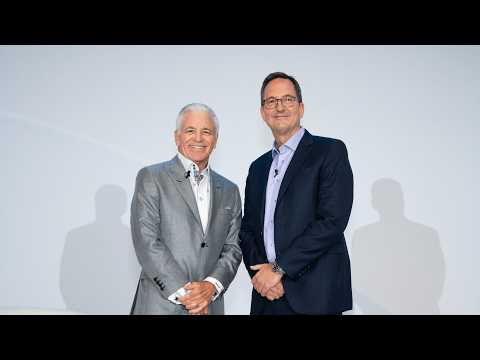
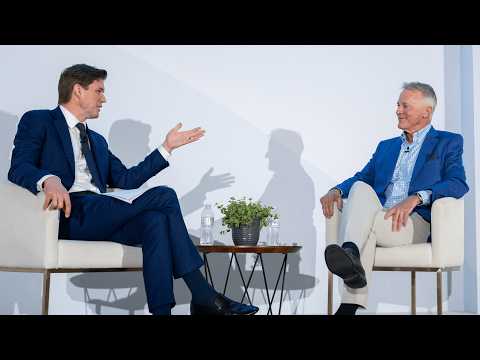
Join moderator David Hochman (Orchestra BioMed, Inc.) and speaker Chris Eso (Medtronic) as they discuss groundbreaking innovations and strategic partnerships reshaping cardiac pacing, device-based hypertension therapies, and risk-reward sharing models in medtech.

David Hochman  0:00  
It's good to be here with you, Kris, so early you want to talk about, yeah, I think we're here to talk about unlocking the power of device based hypertension and partnerships. And early the last decade, Medtronic, with its acquisition of arty and made a big entry into device based hypertension, actually, around the same time the predecessor company to Orchestra, BioMed, started development of what we call backbeat cardiac neuromodulation therapy. Now we refer to as atrioventricular interval modulation therapy. 2022 we teamed up to move that through a pivotal trial and to commercialization, Hypertension is a huge market, 1.2 billion patients worldwide, one in every two adults in the United States. 120 million people have hypertension, number one contributed risk factor for death. Every year in the US, almost 700,000 people die as a direct or indirect result of hypertension. Talk about Medtronic view on why this is such a compelling market for device based innovation, device based therapies. Yeah.


Chris Eso  1:13  
First of all, thanks for having this panel and for LSI for hosting this great event. Look, I mean, if you, if you think about hypertension, right, it is a global health care crisis. Half of this auditorium here is has half hypertension. So just think about the magnitude every person, every other person you come to, they probably have hypertension. And so when you think about the big opportunity to make a big impact on health care, this is the number one space, bigger than diabetes, bigger than, you know, other other things from a cardiovascular perspective. And so when we looked at it, and actually, we got involved into, into it, you know, in 2009 with an investment. Because, you know, it was, it was early in the device world to be looking at hypertension, because it must have been, must have previously, it was all drug based, right? And so, you know, back then, right, the opportunity was like, wow, we know hypertension is big. We don't know if there's a opportunity for device based therapies for treating hypertension, but there was a lot of learning along the journey to where we are today, and it still is the number one, you know, factor that we're everybody's trying to solve for and and we think we have a good solution.


David Hochman  2:41  
In a conversation I had earlier this morning, a friend referred to hypertension as the trunk of the tree. Hypertension drives heart attack. Hypertension drives stroke in older patients, which we're really focused on with our therapy. Hypertension is that key driver of progression to heart failure, to end stage kidney disease. You talked about pharmaceutical therapy at the end of the day. What do you think therapies like a V i m or renal denervation offer in terms of filling the gap that drugs alone really haven't been able to solve for?


Chris Eso  3:13  
Yeah. I mean, if you you mentioned the statistics, right? So 120 million US, basically half of the of the adult population, but 75% of that is uncontrolled. So even though they're on meds, they're not controlled, and they're not getting to the levels that they need. And so that's the opportunity that device based therapies can actually have in hypertension is making an impact to try to get more of the population that has hypertension to a controlled state. Obviously, there's a lot of challenges with pharmaceuticals, right? There's side effects, there's the compliance, right, that they you know, I don't know about you, but taking three to five medications every day for the rest of my life isn't something that I, you know, want to look forward to. That's what these patients are dealing with. And I think device based therapies is is a alternative to a lot of this, this compliance challenge that we see because, like I said, half of the people that are on meds are not compliant, right?


David Hochman  4:18  
Exactly. So I know there's a panel later today on frontiers in real derivation, a lot of momentum. It's been an exciting last year, year and a half, FDA approval, add on reimbursement. I know there's national coverage decision in momentum, but maybe talk about the, you know, where Medtronic is with, with commercialization, the program, what the outlook is, what's in the innovation pipeline with respect to your rd and program? Yeah,


Chris Eso  4:46  
I mean, so if you, if you think about the journey that we've been on. So we did the acquisition in 2011 HD and three happened in 2014 we ended up redoing our clinical program from to. 14 to, you know, call it a few years ago, and did five additional trials right to really go after it. We've now treated over 30,000 patients with our device. And, you know, obviously we now have FDA approval. We're in the process of getting the reimbursement. And obviously that was announced at JP Morgan that, you know, by October, we should have NDC notification and reimbursement there. And so from a commercial perspective, we've been doing a lot of work. Obviously, it was approved, and we had sales originally early on in Europe. And we learned a lot then about the ecosystem that you have to create around this therapy and the clinic that you have to put together. And so we've been doing a lot of work around that aspect over the last few years to really be able to pinpoint what is needed for the clinician to access those patients, get treat those patients, and then, and then manage those patients. And so it's been a tremendous effort, using social media, using a bunch of different things, to to to really drive kind of that patient population. So it's been a it's been a whirlwind. But we're, you know, we're right there, and I expect to see really good things. The other thing that we've done, you know, we started to look at multi organ derivation, and so we did some small acquisitions around some IP and some assets around that to really bolster our overall kind of offering. Because we do think that there's going to be a need for multiple kind of opportunities in device therapy. We've


David Hochman  6:45  
looked at that data. The hepatic innovation looks like you might be able to improve the efficacy, maybe get higher response rates population. So maybe you talk about, yeah, and it looks like people are jumping in. So, you know, a lot of people believe that there's going to be, finally, a real market here. We're excited about the work that you guys are doing. Avim, yeah, I'd love to introduce so what we're doing, together with your cardiac pacing therapies team is now running a pivotal trial for what we call atrioventricular interval modulation therapy. And originally we called it backbeat CNT. Backbeat trial is our pivotal so AB I am. I still refer to it as many in the room that fondly myself include, included, refer to it to backbeat and will so the trial will live on, and we'll see how the branding works down the line. But AB I am is another approach to creating a potent, always on treatment for hypertension that really, in our view, targets an older, comorbid patient population with increased cardiovascular risk, starting, of course, with a patient population that Medtronic serves and has been serving for decades, the pacemaker population. Avim is an algorithm, a programming of a standard dual chamber pacemaker that by running a separate algorithm where you are shortening AV timing, essentially directly reducing the amount of time that the ventricle can fill, you're reducing cardiac preload. You see an immediate drop in blood pressure. But key to the intellectual property is modulating that AV timing, essentially modulating blood pressure with inter intermittent beats with longer AV intervals. And what this does is prevent an autonomic nervous system response. So we're also working on modulating the autonomic nervous system lat responses, increase in sympathetic activity, increase in peripheral resistance. So ultimately, avim is able to affect the key targeted targets for pharmaceutical therapy, cardiac preload, cardiac afterload and sympathetic tone, all at once, simply through pacing without and what makes our collaboration so exciting, leveraging the technology that Medtronic helped bring to market and is the dominant market leader, the dual chamber pacemaker, we Don't change the hardware. We don't change the implant procedure. We take advantage of the existing leads, and frankly, medtronics doing a great job driving conduction system pacing. We saw phenomenal results. As you know, we've run two perspective trials, a double blind randomized trial, high response rates with Avi most patients respond double digit reductions in ambulatory blood pressure, highly statistically significant. Great safety profile to date. And now we're running the backbeat study, which is a 500 patient global, double blind, randomized study, which we think is going to allow Medtronic to commercialize broadly. So it's an exciting therapy, but also an exciting collaboration


Chris Eso  9:42  
well. And the interesting thing is, I think in my from my perspective, there's two aspects to it. One, it's a patient population that we already have right in our domain, but we're adding additional kind of capability to address another need that that patient population has to really penetrate. A broader patient population of the hypertension world, right? That's the first thing. The second thing is, is that what I really like about it is that it's always on. That's the same kind of our thesis, right? For renal denervation, it's always there. We've We've denervated. It's always there. Medication, you know, wears off over time when your sleep, it goes off and it goes away, right? And so with the both you The A V, I m, as well as the renal denervation, it's a treatment algorithm that is actually always there and on and treating the patient and maintain maintaining control. Yeah, I


David Hochman  10:36  
think that's a key point of where device based hypertension offers value, and also really good insight into how Medtronic is approaching through a portfolio approach, having multiple options, having, ideally, a care pathway and a continuum of care. And it's been exciting to work with the pacing team, but also the rdn team to think about how that synergy can be one. What can we learn in terms of clinical trial execution? Because these trials are difficult, and we're innovating not just in the technology, but how you introduce that technology into that collaborative care approach, but also thinking about how you're going to serve patients at different stages, patients in their 50s that you know now are being put on meds for for their hypertension, versus patients in their 70s, where you really have worrying about significant risk of hypertension, driving heart failure. Interesting, to get your thoughts on that. Yeah.


Chris Eso  11:33  
I mean, the easy answer of that, right is hypertension at the end of the day is a lifestyle disease, right? And so you have to meet the patient where they're at and what the needs that they have. And every patient is different in how they interact and how they respond and how they want to be medicated or treated. And so having that, you know broad spectrum kind of offering of various different opportunities of therapy is what is going to really go after and hopefully tackle this, this global crisis that we have here. And so you need to wrap around the patient and the and the physician and the clinic to make sure that you're being able to be flexible to address all of those individual needs. It's very much like diabetes, right? And you think about that ecosystem and the various different aspects that need to play, it's critically important. We're


David Hochman  12:39  
learning that as we execute on the clinical trial of having to build collaboration between the EPS that typically are the implanters or pacemakers and their colleagues, both clinical cardiologists, hypertension specialists, and we've gained great insight through the rd and team about how they had to do the same thing in executing the trials and ultimately now bringing the therapy to


Chris Eso  13:00  
market? Yeah, you bring up the the referral channel, right? I mean, that is something that I would say we underestimated, pre HTN three, when we were commercializing it. The the referral pathway was a very important gatekeeper to getting those patients treated, and so we we've spent a lot of time since HTN three luckily. We've had the opportunity, luckily or unluckily, however you want to think about it, to really kind of digest those burdens and barriers that were there to now as we look to go forward, to really kind of commercialize and capitalize on that. I mean, the the interesting thing is, if you think about how this, how this has played out. So before HD and three, I was on the BD side for reload innovation, and we were tracking close to 70 different companies, startups, HD and three happened. There were three. Everybody else. Startup went away right, and now there's still three, right? If you think about it, at the end of the day for current, excluding, obviously the pacemaker based. But if you think about it from that perspective, also the patient population was restricted. Hypertension now it's uncontrolled, so it's a bigger pie with less competitors. But the important piece of it that I think, is we need to have more competitors, because in order to get to that billion patient population and really have a difference, we need to have everybody thinking about, what are the different aspects that we can contribute to the overall ecosystem of treating


David Hochman  14:49  
hypertension. So some of your competitors making acquisitions recently is something you welcome.


Chris Eso  14:53  
Well, I mean, they're, they're far behind us, so I'm happy about that as well, because we'll, we'll be out in the front, um. But, yeah, I think, you know, having somebody help and look at it from different perspectives, and if you think about it again, from the from the global crisis, more people coming in and having different, you know, solutions, I think, is critical.


David Hochman  15:15  
The backdrop you talk about the 70 companies pursuing Guardian was the same time where we started initiating work on backbeat CNT, and it was an interesting environment. Part of why we found that concept and IP was, hey, we're not going to jump into the mix in that kind of field as innovators. And we spent, you know, a lot of what we've collaborated on is built around we. We like to think of it as a mountain. There's about 120 patents that protect avim therapy that now we're working with exclusively. We spent three years not talking to anyone, yeah, as we were working on development of the algorithm and the first clinical data. And so it's interesting now to be at this this point where we're actively collaborating Medtronic. Who is? It's a foundational business. You dominate in terms of that one in every two pacemakers, roughly as a Medtronic pacemaker around the world. And being able to think about how to leverage, actively, leverage that knowledge base, that market share, that expertise, and what we're doing is certainly very powerful, and thinking about how that pairs with, and there's really a renaissance going on in cardiac pacing that you guys are driving leadless conduction system pacing and now, obviously working together on new therapies that pairs with, ultimately bringing this whole continuum of care and device based hypertension. It's pretty fun to be working together


Chris Eso  16:38  
on this. Oh, it's very fun. And I think that's why the relationship is working, right is you guys, at a time where everybody was getting out came at it from a different direction and an innovative direction to say, okay, maybe there's a different way of thinking about this and a different patient population that we can focus on that could be additive to the opportunity. And so to me, that's that's why we have a very similar mindset of what we're trying to achieve. But I would love to hear how you know, how you feel, you know partnering with with big blue, right? And there's pros and cons, right? So I'd love to hear that


David Hochman  17:20  
we're about two, you know, two and a half years into the partnership, and I would say we feel great, but it's been a learning exercise. One of the challenges for a small company is having to be able to match up and create the right, effective relationships throughout the counterparty organization. So we work mainly with the cardiac pacing therapies group. But for example, one of the things that's happened over the last year is a lot of collaboration has been opened up with the Ardian team as well and sharing insights there. So collaborations in this partnership, to me, is strong, not just because everything's going well. A lot of things have gone well. I think we planned a robust study. We really see the study as a standard of care study. How do you essentially provide clinical evidence, not just for approval, but to take advantage of medtronics, enormous market leadership worldwide. But we've also learned what I think I'm most proud of, and I think what your teams would say is we've learned how to solve problems and encounter obstacles and get through those obstacles together. And because of that, there's this gelling that gives us confidence that we now are much faster to identify problems, much faster to find solutions. We're thinking long term, not just about executing the trial, but how do we establish through the work we're doing, that care pathway to make sure the therapy can be used in the existing infrastructure. And you know, thinking about alignment, big part of orchestras model is built, built on risk, reward, sharing, sharing partnerships. So we're learning with with your team, clearly, this things that we couldn't do without the partnership with Medtronic, and it's powerful and enabling. The exciting part is your team's also seeing that there's things that they normally couldn't do without a sponsor, like orchestra, that's actually taking the lead. It's effectively our study. We're the sponsor, we're we're taking that charge. And so it's been a it's been a learning exercise, but a really exciting one, which really proving a thesis we have that risk, reward, sharing, partnerships can be a powerful way of driving innovation. Sometimes it's lonely to be an innovator and not have those resources. So we have the benefit of both, what are the feedback gotten from your team? And


Chris Eso  19:37  
I know that we debated the title right of unlocking the opportunity. But I also was, you know, it's a new frontier, because it is, it is for us, right? We've learned a lot over the last, you know, whatever, almost 20 years in this in this space, and we're still learning, right? And so, but then we, we partner with folks like yourselves that actually have the. To be very disciplined, very focused in a subject matter expertise that actually can complement and move things along much faster than then probably what we could do internally. And so as well as challenge our thinking right? Because as you get longer into a space, you get biases, right? And so it's good to have kind of partners that are looking at it from from different perspectives and and really kind of thinking about, how do we push the envelope of that new frontier and actually get into something different?


David Hochman  20:35  
So certainly, something that orchestra does in our day to day collaboration with Medtronic. Is it challenge? Some ingrained thinking come from a perspective of different ideas? Well, maybe that's the way traditionally, studies were done in pacing. But how do we think about applying different approaches to this study? How do we think about designing the study differently, but Khalid from our perspective, being able to be part of thinking about, where are we going to be with Avi and therapy in three, 510, years? How does it fit in this continuum of care? Alongside Medtronic is really powerful as an innovator,


Chris Eso  21:12  
well, and I also think that right, we bring value because we have a different relationship with the agency. Right? We can help you guys get things kind of off the table that may are never going to fly with the agency through a very, you know, normal interaction that we would have, whereas you would have to have a very formal interaction, right? And so there is the benefits on both sides that I've seen so far.


David Hochman  21:40  
You guys should be aware that when you are the market leader in pacemakers, the FDA wants to have a standing monthly call with your regulatory team just to check in on topics when you're the partner developing a new therapy that's very powerful, and it's very helpful to be able to have extra access and take advantage of that, and we've used that effectively on multiple fronts to advance this program. So there's strength on both sides. I think what now is we're in the trial. I think the excitement around this therapy, and we were talking about this earlier, the patient population is distinct the patient population we're currently serving is indicated for a pacemaker. But who are those patients you're talking to patients that are on average, 72 years old. They generally have high rates of comorbidity. The number one comorbidity is hypertension. Upwards of 70% of patients worldwide that get a pacemaker also have hypertension, but it's not run of the mill hypertension, high rates of isolated systolic hypertension last last month is, you know, we put out data from our prior trial. The other thing you see in these patients is diastolic dysfunction, vessel stiffening, the heart essentially loses its ability to relax. What we're seeing with our therapy that I think is a great promise in terms of what its clinical impact and potential is actually remodeling that effect on the heart, not just lower in blood pressure in patients where it's really difficult to do so, but remodeling that and it's been exciting to work alongside the team to say, Okay, where do we go with This for the patient population we're serving, but also beyond. And it's, it's been phenomenal have that type of thought process going back and forth


Chris Eso  23:28  
Well, and that's the power of partnership, right? I mean, if Lisa was up here yesterday talking about she had never thought that she would ever partner with Medtronic coming from Abbott or being at Abbott, right? On diabetes, that's how you tackle these types of huge, complex challenges that are going to make a difference in in society. And I think that's what we're trying to all do. This is obviously a big undertaking, and it's going to take a lot of effort and and a long journey, but that's, that's what we're up for, right? And I think that's what you guys are up for as well now 100%


David Hochman  24:05  
so let's, let's talk about what we think the future holds. You know, I think we all like to fast forward. We're here, you know, talk about the future of medical technology. So maybe five years, we certainly expect to be through our pivotal trial. We're very confident in the results. You talked about some of the key developments that are that are happening in real time to open up the global commercial opportunity for Ardian. Where do you see, you know, Medtronic now having a powerful portfolio and and how big a part of your future growth? Do you see these type of opportunities being,


Chris Eso  24:38  
yeah, I mean, obviously, Hypertension is a big part of our growth story, not only our market leading position, our Head Start, but the just like I said, the size of the opportunity, and we think that it could have a material, material impact on on medtronics growth. But you know, we're not standing still because. And in TCT in 2004 24 we announced that we are doing a multi organ denervation trial, and so we're looking at, how do we continue to advance and grow this first starting, obviously on the hypertension side. But if I go back to the years, you know, before HD and three, we had a lot of different ideas of where to take renal denervation or denervation and heart failure. You know, obviously, is a critical, big need, and unmet need of that. And so there's lots of opportunities beyond just the hypertension project. But, you know, we're right now solely focused on the hypertension and wanting to make a dent into that.


David Hochman  25:49  
So with an art, with an already in launch, with trials going on and expanding the capability with the backbeat study and avim, do you feel very confident Medtronic is going to set the pace, some total pun intended for, you know, what will be a real in this decade and beyond, device based hypertension therapeutic market?


Chris Eso  26:11  
Yeah, absolutely. I would love to sit up here, in five years and say, we've made a big dent into that billion patient it would be fun to be part of that. I would actually love to see, you know, the number of patients that we've treated, you know, at that point in five years, because I think it's going to be massive. Like I said, we've already traded 30, over 30,000 I think it's going to be, you know, well over, you know, 300 maybe 400 500,000 patients by then, and maybe even more beyond that.


David Hochman  26:37  
I envision that as well. And the other part is to be able to complement that organic market development growth with what we're doing together, which is taking a foundational business and opening up what we see, as, you know, multi billion dollar additional growth market. It's, it's nice to be I mean, what


Chris Eso  26:59  
are you hearing from your investor group, and you're out in the road alone talking about this we


David Hochman  27:04  
are. I mean, I think the data speaks for itself. I think the collaboration is novel. I think clearly as we talk to investors, as we talk to the clinical community, there's a huge boost to the credibility of our program by we're literally running our therapy on your devices. We're in the clinic together, and I think what is taking shape is a shared vision that not only can this capability impact the patients they're treating every day, but it along with the other innovations that are coming, pacemakers becoming something you can plant in the heart, not just single chamber, but dual chamber pacemakers being able to deliver therapy that is physiologic and reduces the risks. And now pacemakers offering ways to control blood pressure, but also ultimately prevent events and progression, is exciting to work with, with the physician community now sees, wait a minute, something that sort of a sleepy business. You know, an important one is becoming a innovation business. From an investor standpoint, it's out of the box, just the idea that orchestra is executing on data generation and clinical evidence generation, but will benefit over the long term, through what uniquely Medtronic is able to accomplish, particularly in this field, where your market share has pretty much been number one from day one and hasn't really changed. So a lot of excitement, but still questions people worry about, do we control our own destiny and so on? So it's been fun. It's fun to talk about this, and I would say, as we progress, it's exciting to have these opportunities to bring something novel, and hopefully it inspires other collaboration, collaboration through the industry. Our big conviction is it's hard to be an innovator when you have to take on everything by yourself, including commercialization. It is powerful to be able to do this together and problem solve together and envision where we can be 510 years in the future in an aligned fashion. So it's, it's exciting, a lot more work to do, but I think we're pretty confident in how that works. Gonna go.


Chris Eso  29:12  
Let's make sure five years from now, we're back on this stage, and Scott puts us there, and we talk about it, 


David Hochman  29:19  
Henry, you got that, all right, we make an appointment. All right, thanks so much, Chris. 


Chris Eso  29:22  
Appreciate it.

LSI USA ‘26 is filling fast. Secure your spot today to join Medtech and Healthtech leaders.

March 16th - 20th, 2026  Waldorf Astoria, Monarch Beach Register arrow