Signature Series: New Era in Medtech - Chapter 3 | LSI Europe '25

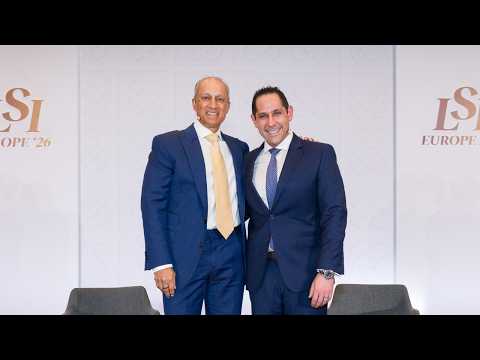
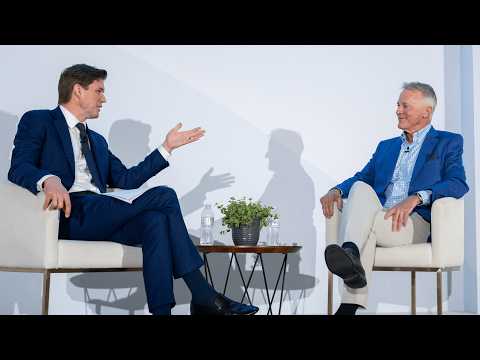
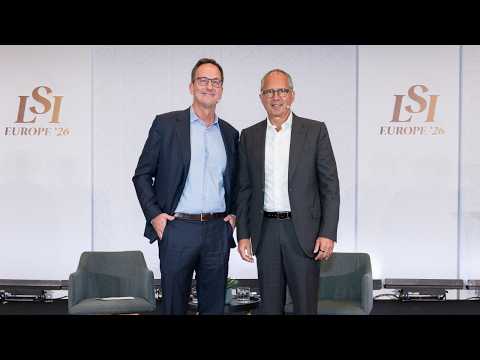
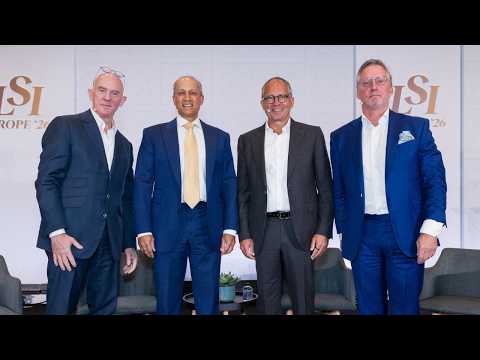
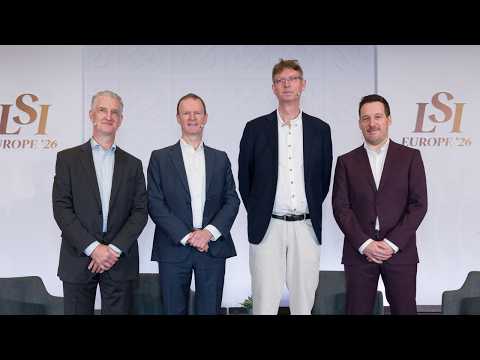
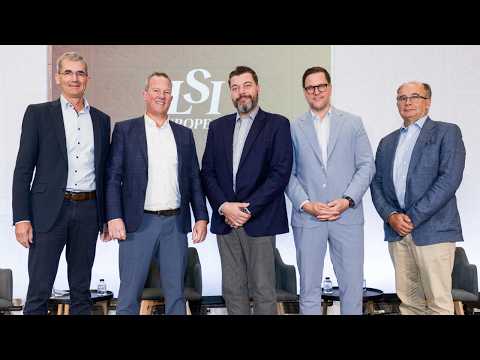
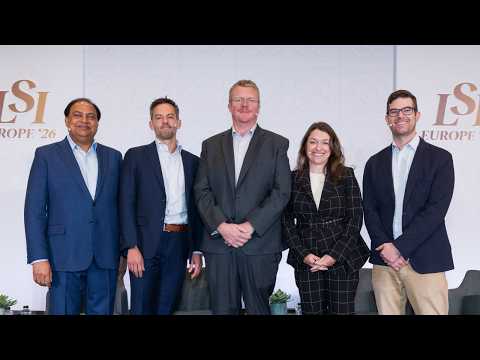
Industry leaders from The Mullings Group, CathWorks, Tulyp Medical, Faction Imaging, and Oxford Science Enterprises discuss emerging trends and innovations shaping the future of medical technology in this forward-looking panel discussion.
Join Our Next Event
Partner with the leaders
shaping the future of
Medtech at LSI USA ‘26
March 16th - 20th, 2026
Waldorf Astoria, Monarch Beach

Joe Mullings  0:05  
Okay, well, thank you for joining us. I promise this is going to be not as entertaining as the 8am set. First of all, let's just give Scott Pantel a hand for enduring that seriously. Talk about bold and courageous. Okay, so we've got, this is our signature series. This is our third session. Ramin, would you take us with the impetus was behind the session and why we developed this?


Ramin Mousavi  0:34  
Yeah. So you know, great to be here, Joe and thank you guys. CathWorks is the very first company, or that's what Scott reminds me, that ever signed up for LSI. So we were the very first company of the very first meeting, and it has had a huge impact on the journey of the company. And I'll tell you about Cathworks in a second. But as we have grown, you know, each year, we try to find the right theme that we bring up. And one of the things that this year became very clear, given the dynamics that we've had for investments and where we are with the capital of steel, was that there are some questions that don't have a binary answer yes or no. So the new era was created to address a series of those questions. We started with a bill to buy. You know, is the bill to buy, as you have helped lead and moderate all three of these. Then we were in Asia, and then we asked the questions about, you know, all the unknowns of Asia to investors through strategics and to start a world. And I think you're now here in Europe, where I think one of the themes that we've seen is that there are different investment strategies. There's no right or wrong answers, but understanding what each investor wants to do, which I'm very excited about, the group that we have here, you know represents, and then maybe there is a right answer for each company an investor, but not one right answer for everyone in that regard, just to bring everybody up to speed, Kathy's is an Israeli funded company. Back in 2013 we are now in a global commercial, commercial stage companies run out of Southern California, and we are in a publicly disclose strategic partnership with Medtronic for the past three years. And you know,


Joe Mullings  2:27  
you know, we'll see where it goes. I think we know where it's going. So if my panel would briefly just introduce yourself, who you're associated with, and just a little background in yourself.


Mano Iyer  2:40  
Thanks. Mano Iyer, I am with sofinova partners. Sofinova is a 50 year old European venture capital firm with a multi platform strategy, about 4 billion euros under management, a bit more now perhaps we invest primarily in life science and sustainability across seven different strategies, and we invest from very early company creation through to growth. I am on. I spend most of my time on the very early side in our incubator called MD start, where the model is that we invest, you know, with innovators and new ideas. We build companies. We invest our own capital at the seed stage, and we are the initial CEO. So I'm currently also CEO of one of our companies,


Liliane Chamas  3:23  
and Liliane, I'm with Oxford science enterprises. I'll call it OSC from now on, we're kind of the young kid compared to sofinova. We've been around for about 10 years now, but with the health tech investment arm, which I invest in, I'd say maturing the last four years, we are a private, independent investment firm. Our capital is structured in a long term, patient manner, which is quite interesting. We'll come to that later on. We have over a billion under management. We're based out of Oxford, just an hour away from here, well, depending on how the trains are doing, but an hour away from here. And what we do really is, or our mandate is in is unique, because we invest and build on the back of Oxford University IP and expertise. The way we do that is either if there are clinicians or academics with ideas that come to us, or, I would say, 80% of our time now, and it's a strategy that I'm really keen to kind of open up more. We've been kind of actively building on the back of convictions in various market areas and really seeking out the right teams to pull together what is unique, either clinical IP or academic IP that we could find in the ecosystem. We're very new at doing this. We are trying to kind of borrow from the knowledge and experience of giants like sofanova and others on the west coast as well. So hence, I think part of that came into play when Ramin and I were discussing how we're thinking about it. And yeah, I'm keen to talk about it bit more today.


Matt McGrath  4:54  
Awesome. Matt McGrath, I am leading Faction Imaging. We're. Building a robotic platform, not for the operating theater, but for the exam room. We spent a number of years, almost seven, doing broad, broad research to look at what could be a next big, high volume, consequential business to build. So our area is imaging, and it's ultrasound. So we're building a platform. My background is industrial design. I designed a laryngoscope when I was 22 and built a company over 15 years, got next colleague here. It was a journey. We sold it to Medtronic, and in 2015 always thinking about the new era and what's next. So glad to be here.


Joe Mullings  5:42  
So I thought it would be interesting to start. Where do ideas come from. So I often see in Liliane, the team had a discussion on our prep call about our Well, I won't put the ownership on you, but we seem to be in a rinse and repeat technology cycle where venture is looking for us to solve similar, similar problems that are out there. Are we really asking the right question before we're coming up with the the initial answer? And Matt, you had a very interesting stage, is your power is that you have no encumbrances when you're not necessarily trading an IP from a previous play, and OC comes from you use it as a supermarket of ideas and technologies. I think I got that right, which is really interesting. And of course, sofinova, in the open market, sources ideas in different ways than that. So Matt, I'll start with you. First your thought you're solving a huge problem, a huge tam in a product platform that doesn't sit out there right now. Take us through what was the impetus for that? It was a luxury for you. You had a sizable exit so you can potentially have a little more patience than others.


Matt McGrath  6:57  
Yeah, I my first instrument was a gateway procedure, intubation, which starts surgeries, and it's now started 60 million I would estimate surgeries. I wanted to take a step further back and look at a gateway procedure that would start even more and reach even more patients. So diagnostics, without a diagnosis, there's no treatment. So we looked at venipuncture cannulations and general imaging, and spent four years studying that around the world, and then it distilled it down. But yeah, it was definitely an outsider. Definitely we had no specific technology that we started with. It was just understanding a demand and then distilling it down into how can we act, and what do we need to build to make a difference in that specific area?


Joe Mullings  7:50  
And the innovation is starting. I'm going to ask you the innovation so you've got technology inside OSI, and now you're looking for where that technology, though, can create innovation,


Liliane Chamas  8:04  
and maybe just to reframe a bit. So OSE is based in Oxford. We're separate to the university, but our ecosystem is very much both the University of Oxford and the academic hospitals of Oxford. And as such, there is both innovation that obviously comes from that. I mean, the hospitals themselves are territory sites of care. Over 800 beds. They see over a million and a half patients. That is a lot of patient content. That is a lot of clinicians that are kind of both providing solution and care, but also seeing where the pinch points are and what things they can solve, and if they have the time to come off of their lists, they usually have a lot of ideas. So there's one source of innovation, the university itself. I'm going to retract the supermarket award. I think apologies I might have planted that. I think it's think of it as obviously, the University of Oxford is, you know, unanimous with excellence and academic rigor, and years on, years of academic research. And as such, there's a lot of technologies that have come to bear now, whether that technology means innovation and solving a particular need is an open question we can have. We find ourselves always trapped in the interesting question of this is a really exciting technology, but is it addressing an actual need, or has it been so overdeveloped that it's probably kind of skirted away from a need? But I guess, to answer your question, we see innovation in a lot of shapes. Some of it is a bit of a technology push that we try to work out. You know, how do we where do we put with that can kind of finesse it and turn it into a commercial direction? That's interesting. But we also see a lot of innovation in folks that are so close, close to the need that they're really happy to iterate and kind of work with you on coming up with a solution, which I think is that's the spark, right? That's the spark of innovation that we want to support model,


Mano Iyer  9:56  
as you said. I mean, it's market based nowadays, right? So we're, we're seeing a. Ideas from all over the world, right? And so from a traditional venture capital standpoint, I think you're you're seeing companies which exist, right? And I think that's being validated by other investors. And I think as part of this process of raising your capital, the upside of that is you're looking for a lead investor, and the job of elite investor is to do due diligence and to revalidate what the what the previous investors already done. So I think you constantly have validation of whether you know about just the nature of the opportunity, right? And you hope that they're there, maybe not going to the depth that that Matt's gone through, but now they are assessing, you know, the viability of it at that point in time, from our standpoint on empty start, you know, we're starting from from zero, right there. There There isn't any Excel sheet to look at for with net present values of anything. And so we're we have to go back to the beginning and assess, you know, working with physicians, working with innovators, you know, just going through the various buckets of the assessing the clinical need, right, assessing the various the operational plan, the risks you know, that will happen along the way, from regulatory, you know, development and so forth, and and determine whether we want to, you know, invest our time and efforts there, right for the next, you know, in essence, five to 10 years, or perhaps longer.


Ramin Mousavi  11:12  
So, you know, I think, as I think about, and we've had this conversation with Matt. You know, when you think about the startups that have gone through the journey and you've had an exit, and you know, I think there's this myth that if you were successful doing something, then there's a rinse and repeat. You know, you can just take that and apply it to something else. My point of view, and I think Matt and I share this is that the most common thing that you can apply from one success to another is the mistakes you made in one and not make those on the other ones. So it's a very interesting view to be in a place. And I think this is one of the reasons that I'm very fascinated with what OSC does, is being able to look at something at different parts of the journey. Because it's one thing. If you want to start something, you can go after the unmet need. And if you have the element of time, and I think that's one of the biggest benefit that you guys have, you know, being able to be patient, to actually come up with a solution that meets the need. And then if you're in a later stage, I think yoga is basically the pattern of what you have done. And you know, what is more likely to be successful than not? And I think kind of knowing where you fit in, if you're pitching what you're pitching, you know where you fit in that area. Because I think otherwise, you'll end up with what Lilane was describing as you have a very cool solution, desperately in the need of a need for somebody to be convinced.


Joe Mullings  12:37  
Liliane, you mentioned solving big, gnarly problems, which I love, and Matt, you're pursuing that solving an enormous, gnarly problem. If we're in the EU and we're developing technology yet due to regulatory and let's just call it EU overreach, it seems like the EU market is not necessarily where we're going first anymore, where a few years ago, that's where it was. But when you take an idea out of the EU or UK and you bring it to the US market, the problem you might be solving might be one of the health care system in the EU or the fragmentation thereof, versus the US market, how do you work that through in your thesis?


Liliane Chamas  13:22  
Yeah, I think that's an excellent point, just question. And as much as I can opinion it, about it, and we've had a couple of experiences in our portfolio, I'd love to hear how you also cover that from the operational standpoint, and what we have done again. So we were recently on the market. I suppose we've been around for 10 years, but in the last four years, kind of have double down on the Medtech side of things. The couple portfolio companies initially that kind of adopted the EU first for all the right reasons. You know your market, you're embedded within a hospital. You've developed all your clinical evidence. There are the first champions there, I think, have faced the you know, maybe story that some in the audience know very well, which is it's actually a lot harder to get meaningful traction, particularly whether it's in the NHS or, more broadly, in the EU which is a more fructicanity system. This is if you've solved regulatory so this is even before all of the perturbances, if you like. What we had are companies that did that and then tried to onshore to the US. And to your point, it was a completely different fit in the workflow or certain product features meant that you didn't quite map onto reimbursement, like all of these things that are quite fundamental, we've changed tack in the last few years. And in fact, what we try to do, even at pre seed, and we're still pulling together the IC, the IC memo for the company that we're building, we try to get either advisors that come in or really executive chairs, or just real core professionals that have navigated these journeys to kind of from the outset, say, hold on. You should be thinking about the product this way if you're trying to solve this exactly because of regulatory reimbursement, because it'll be too late once you're so basically, we're. Preparing companies for the US from the outset. It's unfortunate because we're not necessarily doing as much as we want in our local markets, and we still try to. But there's the issue of focus resource and just in general, we are, at the end of the day, looking for returns as investors, and it's a much larger market. The path to market is, I don't, wouldn't say rinse and repeatable, but it is a lot more straightforward. And you know, you can get there in a less perturbed way. Again, to overuse that


Joe Mullings  15:31  
word, man, when you think about markets, especially if you think about the US market, you've got these dynamic sites of care changing dramatically there, meaning the ASC. You've got referral patterns now evolving certain ways. You've got procedures now that people are looking to expand to other clinicians and interventionalists. When you look at a technology that is not us born, but is European born, there can't be that same acute awareness there by the entrepreneur, as if they were building that technology in the US. Do you find that to be the case?


Mano Iyer  16:06  
So just one quick caveat to it to the previous discussion, I would say, you know, with with cardiovascular implants, it still feels like there is a faster path in Europe than there is in the United States. And I think just historically, with Tavor, and I think now with Mitchell, I think said better in surround sound. You. I think there are, there are faster paths to CE mark in Europe than then four or five, 600 patient trials in the United States reveals. And again, the benefit then, because once you get CE mark, it's no longer Europe. It then becomes country by country, by country, right? And I think it's like, okay, we can commercialize and get show clinical commercial validation in Germany, and then maybe Germany, Switzerland, or Germany, Switzerland, UK. And ultimately, that can help you raise money and fund the PMA trial in the US, right? But to your question, so, you know, yeah, we're all, we're all European, European based and but all have experience, you know, navigating the US markets in our previous lives, and it's, it's fundamental, because I think most of the product we see, most of the business plans that we see, or we develop and craft ourselves, involves doing development work primarily in Europe, and leveraging kind of the ecosystem here, and non dilutive funding that we can, we can get access to, and then, first in human in some other part of the world, which we all know, and then you have to go to the US. It's just a reality. I think the challenges with MD are just highlighted. You know that, why does it even Why do you even start given how hard it is to get reimbursement in various countries in Europe? So if you're not going to tackle the reimbursement side, why talk why tackle the MDR side, and why start it all and so then all capital then gets focused on building a business in the US.


Joe Mullings  17:50  
But the proposition then is challenge, because the business model in the unit us is dynamically different than there is in rest of world. And so how does that impact your decision as an investor, or investors in general, because any of those small nuances we're finding out that there's a less than successful first time launch in the US, on the EU countries, there's usually a reset. I have found very, very often with those organizations,


Ramin Mousavi  18:16  
if I can throw this lunar wrench at it, just a real example. We were living this. So we did basically that experience, right? We, I mean, the device was, you know, cleared under MDD, but we never went to market in Europe, you know, went to us. And again, after that, we went to Japan, and we proved the model. It was actually very US centric. I think that created the excitement around it, and the success of Japan validated that globally, this is viable. Now we had a place where, from a strategic perspective, actually Europe continues to be the second largest region. So as you're trying to turn this into a franchise, you can do it without having Europe. So now everything that you said is coming to life. It's not one it's one continent, 27 different countries with 27 different reimbursements. So and you are at the stage where you can go back and ask for non diluted funding, and then take your time. So how do we solve that? Like, it's a it's an interesting thing that we are like, do you do? And I'm very curious to get the European view of it, you know, do do we need to rethink this long term that there is some quiet parallel path that happens for Europe, that even if you're not commercializing, you're basically feeding into it, because, you know, trying to actually do a reimbursement work in some of the countries, like Germany, takes years, you know. So what do you think about that? Because, I mean, I would argue that we did the way it's supposed to be done, and created value and, you know, the opportunity for exit, but now we're trying to solve this strategic ask, and I don't know if there's an easy answer to


Joe Mullings  19:55  
it, yeah, Matt, do you have a phone on that? I mean, you're standing. Out there with, let's just say, healthy tension, but maybe not the tension a typical entrepreneur would have just given your your your time you're spending asking the question before coming up with the solution.


Matt McGrath  20:12  
Yeah, I think it depends on the device or the different classifications have different headwinds. I guess we're US based, but we're the European sensibility. Let's say our previous business was across 1/3 Asia, 1/3 and then 1/3 the US. So I think winding back before the I think a good approach is, and we've taken it is, we've interviewed in India, Taiwan, Japan, Europe, across Europe and the US to try and find commonality so that our first product is as common as it can be, and it will take whichever is the easiest route in. And we don't know that what that will be, because we're some years away. And I think, as I've heard, it's all changing the regulatory environment,


Joe Mullings  21:03  
but the if you won't mind sharing when you looked at this first from in a pursuit of a technology first, we're solving a problem. What's the TAM you're looking at right now? You started at a tam first, didn't you


Matt McGrath  21:17  
started at numbers of procedures. So 1 billion per year was at the minimum of interest. So yeah, it's approaching 2 billion procedures a year. So then that's multiplied by how long does it take to do that procedure? What's the capital costs? And it's 500 million hours. Is the amount of time taken to deliver Ultra time services? I think surgery is about 400 million higher cost per minute. Of course, I think delivering babies is 200 million hours. So we picked, we picked a higher so therefore there is a big tap,


Joe Mullings  21:54  
William, when you decide on an investment, what are the drivers? If you can give me the handful of top three drivers when you look at deciding to spin something out of OSI


Liliane Chamas  22:07  
so it feels like stating the obvious pitch, obviously, is this a real problem? Is there a real market need for it? And we force ourselves into that kind of question a lot, because again, we see some of the most exciting technologies and some of the kind of the most exciting blue sky thinking, and you need to kind of stretch your mind. And although we're happy to support it, because, again, of our capital structure, it's just like, Well, is it solving a real need? And how many others are solving that need? And back to overlay, we usually go us first and think through right, what would it look like? So is this going to be a completely novel reimbursement mechanism, or is it? Are we kind of mapping onto existing reimbursement kind of walk back in terms of what it means for whether, then the technology that we're seeing or the proposed technology actually fits what the market potential is. So I guess market potential and need in general, and then kind of how that fits within and what it means in terms of capital requirements. Maybe, if I just go back to one of the earlier question from Rameen, because it's still sitting with me, the what do you, how do you kind of choose the EU, us, etc. I was just reflecting, I think Medtech in particular, because we invest, and I invest both Medtech and kind of what would be digital med center tech enabled services. I personally kind of tend more on the Medtech side of things, but when I reflect on our more digital med center enabled services, I think there is a cycle of development and potentially early commercialization that can happen in local markets. It's a really nice evidence, proof point of traction, and we've actually seen some of our companies that have moved to the US market and have fostered some really deep Health System partnerships, and kind of got caught and got traction as a result in the US war, because they looked at some of the results, whether in the NHS or in other markets of that early adoption. But of course, it's much faster cycle when it's doesn't have a hardware component, it's not as regulated. So I just want to add that nuance, because I think Medtech is special and complex. So just makes you kind of think different.


Ramin Mousavi  24:07  
And I do think that, you know, reflecting back, actually, even at our journey and how we always have this conversation of between our Series C and D, you know, could we have skipped one of them if we, you know, didn't make all the mistakes that we made altogether, and one of them is you trying to do this kind of limited launch in the clinical setting, that you do your evidence generation, which can be done locally, and you get that validation, and you actually build a small, you know, maybe it is not to the scale that would convince an investor. And I do want to come back on it, because you guys do have a more traditional approach to that of like, what do you look at? You know when something you know when you want the proof of the commercialization. What is, is it? Is $1 value? Is it that it has gone deep into a small size? Offset, like, what does that, you know, do? And I want to come back because Matt has a very unique approach, because of the exit that you've had. But are you seeing that? What's one of the, one of the things about OSC that makes me very fascinated. I want to come back in this the time bound thing is not to be actually underestimated. But if you can weigh in on, like, when you look at the benchmark for this shows enough commercialization that we are willing to, you know, invest, assuming that all the other things have cleared. Would that be enough? If you have a local market, a small validation,


Mano Iyer  25:33  
it You mean that an existing company with existing, let's


Ramin Mousavi  25:37  
say you were out of, you know, they were out of Oxford, you know, in London, and then they chose to go to NHS, and they have a very small but reliable, you know, proof of


Mano Iyer  25:46  
concept, yeah, now listen, I think it's, it's the question of the day. I think the the biggest thing that's changed in early stage investing over the past decade is the need for much greater clarity of market access, reimbursement information earlier on, right? Even at the seed stage, we're getting asked that question, right? And so we're trying to get that clarification from ourselves. So to your to your question, you know, I think to Leah's point, if you're talking about an AI algorithm, you know, and the and how you develop, test and commercialize that versus what you do with a heart valve, it's, it's completely different, right? So everything you know, Medtech is all an all encompassing term. So, you know, I hate to say it depends, but I think generally speaking, if what you said is true and you have this traction, think any commercial, clinical and then commercial traction is fantastic, right? If you, if you can show it, I think the question is, can you take this, this, this microcosm you've created in Oxford, does that translate to the US healthcare system? Does it translate to the markets where you're going, right? That would be, but maybe that's a pretty simple question to answer at that point.


Ramin Mousavi  26:46  
You had a question for me, yeah, if you weigh in, because there's a talent aspect that way, but maybe you weigh in on that as well. So Matt, you're doing this thing in a very, you know, I must admit, a very patient way. That's just not a skill set I've been gifted with. And I actually worry that you set a precedent for my team of, you know, being adaptation, you know, but, but I think there's an interesting thing because you, you're doing it because there was a successful experience, and now you, you're taking your time because you, you want to go after something really meaningful. Can you kind of walk us through that requires a very different approach than, you know, the typical, you know, startup mindset, and you're trying to get it to the next point, and Allen, maybe that is a good place to kind of bring to, because I think just the fact that you guys, the way your have, your investment, doesn't have your standard, traditional clock, does give the time element of, hey, maybe something does take A couple of years before you're sure, because it's better to invest upfront and say it's a bad idea and kill it, versus be into a Series C, right?


Matt McGrath  27:49  
Yeah, so good question. Thank you. I we were moving slowly for the first four years. We're moving faster now, because, sorry, how


Ramin Mousavi  28:00  
much of it was it was it because you were tired from the last deal I will you were taking your time, or how much was that you were


Matt McGrath  28:05  
doing one day a week to two days a week? Yes, no, it was a slow bill, but we, frankly, we were trying to build a massive Foundation, and so there was some setting out to be done. So that just took time. But it was, it was a luxury. I don't think it's immediately transferable. But I do think spending as much time as you can assessing, analyzing all the different corners, whether it's purchasing behaviors, workflow, shortages, technical things, observing procedures, yeah, I think you success is based on the information, I think, and acting on it. So gathering as much as you can was what we did


Joe Mullings  28:45  
given these timelines, and start metal with you on those given the timelines we're in right now, the investment environment, I was sitting in the lobby chatting with somebody, and it was the third time in a day and a half I heard about a fund. Now is also offering to its LPS off on the side in order for them to invest in because some of them don't want to invest in a 10 year fund with a 22 arrangement in it, it takes you 13.2 years for a PMA these days, I think that's what the average number is. And so now the LPs are becoming a lot more selective and wanting access to some of these external or special vehicles that they can invest in. So we've got pm as 13 years even the ide de novo pathways burdensome these days, you've got a different product mix of AI versus heart valve to use your two examples. Is the classic venture fund durable enough to where Medtech going? Or is med tech durable enough to endure the classic 22 fund? So, Mano, I'll start with you.


Mano Iyer  29:54  
Did you get that question? Carrie Smith, this morning, 


Joe Mullings  29:58  
I'm just asking the question, I'm not giving a judgment.


Mano Iyer  30:03  
Medtech has never been easy place, right? I joke that it's, it's, you have to do charity work, I think when you're in the early stage side of things here. So it's, it's true. I think there's been inflation across the board, inflation from an economic standpoint, and how much it costs to develop these things, as well as in time. And I think we all do our best as we look at opportunities, right to to make that as efficient as possible, to identify key opportunities. But the bottom line is it that becomes a barrier to entry from a competitive standpoint, because the illness isn't going away, the disease state isn't going patients still need a solution to this problem, right? That is the fundamental bottom line that we're all trying to solve. So regardless of how long a PMA takes, regardless of MDR reimbursement, no one else is doing it. No one else can do it, right? There's no other magic pathway to get you in and solve this problem. So we have to do it right. There is no other way, right? You have to solve this problem. So I think that's why we're all here, right? We're trying to do good and right, and we're trying to to create, at least. That's why I'm here for trying to, trying to do good. And, yeah, you have to figure out in negotiating with LPs. And frankly, we haven't seen this right, that we're in the very early side, so there's no other place for our LPs to go, right, if they, if they believe in us, they if they believe in us, they believe in us. And so far, that's that's worked out well. And I think we announced that we raised, you know, 1.5 billion at the end of 2024 so I think that's purely from new LPs and new funds. So I think that was positive and and room for optimism, right? For the future of investment in Medtech,


Joe Mullings  31:35  
I'll stop there. But alternative solutions for those that are LPs, that well, that that aren't ready to commit to that kind of fund, but bring dry powder to the table for special vehicles, special investments. So I'm just curious. Liliane, if you have a thought on that as well. Mano, your thoughts on that. I mean, you're obviously going to be biased, but


Liliane Chamas  31:57  
so we're a company structure, so it doesn't quite we have shareholders, and maybe this is a kind of RefleXion on your question again, Ramin, in terms of what is that kind of long term patient capital mean when it's a complex equation like Medtech, I think what it's practically and we're still trying to work it out, I don't think we've solved anything, but at least our experience in the last few years, what it's meant is, while Maybe because of fund structures, some investors might choose to, I guess, retire risk sequentially. So you go physiological, great, and then technological, and then regulatory, commercial, etc. We've kind of been trying to because we can deploy capital. Are not worried about the time kind of constraints as much, but are trying to see whether there's an opportune time to pounce, if you like. And so one of the examples is one of the companies that I was founding investor in, and has done quite well in the last series. They we basically took a punt and kind of vertically integrated and acquired an OEM partner. That's critical, because that was one of our kind of technology slash manufacturing red flags, if you like. And although we were still in the part where we're de risking physiology and elements of the technology, we're like, well, there's an opportune time right now to quote, unquote, pounce and try to de risk, or retire some of the risk of kind of down line manufacturing. Because we very much believe, if this therapy is successful, we need to show that we can go all the way, whether we do or not, we to show that we can go all the way, and retiring supply chain risk is a good way to do that in any other IC. And I didn't quite know this because I wasn't the investor before then, but I didn't know that in any other investment committee, you would have been laughed out of the room because they're like, Well, no, hold on. Have we proven, you know, have we gotten all of our results from France to human but I think in RC, the question is like, well, how big is the prize, and can we get there with the right team, etc? And the answer was yes, in that situation, and we took the risk, took on, you know, put a bigger check at that stage of the company, which actually ended up that vision ended up translating, because we got an incredible syndicate for series, a to kind of power Amber's journey going forward. And it was quite interesting, because the exact time at the market where exonics exited, it was just kind of, you know, we didn't see necessarily that coming, but it all kind of came together and validated what we're trying to prove out, and I suppose, learn from and see what we do next is, you know, if you are not limited by kind of fund structures, do we Need to do things sequentially, or can we pull back and do more blue sky things? Because we can take some of that risk, and how do we kind of still make that equation work at the end of the day? Because we're still needing to provide returns. So not saying we've solved it. We're very hard at work talking to all kinds of partners to understand what is the place of an of kind of an institution like ours with big ambitions, patient capital kind of off the balance sheet investing, but also we have an ecosystem of both clinical and academic substrate that we can leverage. How do we use all of these things together with partners? By the way, we are super keen to syndicate from the first day, because we know this is a long journey and. And so it's kind of an open call to action, I suppose, because keen to see what we can build from that. And yeah, I guess hopefully that answers part of your question is, I don't have the full answer, but, you know, reporting on it. So just


Ramin Mousavi  35:12  
going to about talent part, you know, do you recommend anything different than what you used to like? You know, especially if somebody comes says, I'm to try and do something we want to build on that particular success. You know, what do you suggest?


Joe Mullings  35:28  
The suggestion I always give first is, expect nothing on the in the startup world, expect nothing on the exit. Go there purely for the experience, purely for the network, purely for the technology, because statistically speaking, you're going to be disappointed if you think you're going to receive that something on the back end, given the environment, given preferences, giving everything else, everybody knows, the list where you know below a certain level, you're really not going to see anything. So go there for the network. Go there for the technology, especially with the acceleration of technology right now, there's going to be a number of people, whether it's clinical, regulatory, design, development, reimbursement, market access, that if you don't move quick enough, you're going to become irrelevant with your skill sets. We're seeing that very, very clearly right now with the acceleration of certain things, not just AI. So I would say, CEO, leadership team, technology, count on it for a three to five year stint. Expect nothing more than your cash compensation every year that that is it. And if you go beyond that, you're going to be this point and let everything else be a pleasant surprise. So I would say that that would be my advice to anybody right now, look for the experience more than anything else.


Mano Iyer  36:45  
What percentage of people you encounter understand liquidation preferences. I feel like this is probably the least understood and the most important aspect that for all folks in the room, right?


Joe Mullings  36:55  
Yeah, it's it's critically important, I mean that that your network informs everything that you're going to do moving forward, and especially in that startup world, for sure. Okay, so I know we've only got one minute left, so Matt, we'll start with you on the end. What are you going to be watching for? If you think about the EU market, where we are today, we think about the US market, we think about the investment community, what are you going to keep in your eyes for, give me 2025 seconds.


Matt McGrath  37:23  
I I'm excited about the 24 keys and the 2050s and I think anything that looks like it's a platform that, if successful, will exist then, then I want to invest in that today.


Liliane Chamas  37:38  
William, I think the last, well, last couple years, but going forward, have been and will be will continue being difficult for me to companies think European assets or innovators or companies are pretty agile and capital efficient, so I'm really keen to see how the squeeze is going to really kind of sharpen and polish the next generation of companies, and we're really keen to see what that is and boring.


Mano Iyer  38:06  
I've been doing this for 30 years, and so it continues. I think there's no shortage of opportunities in quote, unquote, traditional Medtech, for me, right, in making catheter based technologies for various vascular conditions. And, of course, there's a new age with robotic technology, incorporating AI as a tool and not necessarily a product like all of that is the next generation for us.


Ramin Mousavi  38:30  
I think we're just entering a new era. So, you know, there's a lot of learning to take from the last few years, this year and next year. I think we've had some success stories, but they look good in short term. You get to watch them and see, you know, how do some of these IPL, look on the 181 and then 365, days? And I think that will dictate the dynamic of what we will have in 26 and beyond.


Joe Mullings  38:55  
And I think what we'll see is, and Liam pointed out, the capital efficiency of Europe, the technology hot spots, whether it's Israel, whether it's part of France, part of the UK, figuring out, how do they transfer that capital efficiency and technology superiority to the US market, then convert that through the regulatory and then commercial pathways, But giving up control in order to be successful. That's where I think the rub is going to lie, is the ownership of the idea. Then being told in the US market, your baby is ugly, it needs some adjustment, and then taking that through to a commercial success, that's what I always keep my eyes on, and that's typically the tell on an O US company coming to the US is sharing part of the baby and knowing that it needs some fixing. So I thank everybody for joining us today and certainly hoping you were enjoying the sessions during the day. Thank you.