Mike Ward 0:05
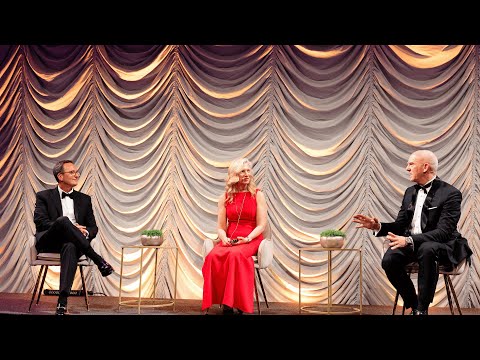
Okay, so as the door closes, we start. So it's a very discreet little group we've got here, so that should be interesting. So it should also be easy for when we do have Q and A, because I don't have to, like, stare through lots and lots of people's hand. So this is the press perspective panel script, and you sort of see that the the state of journalism is now such that, yeah, nobody actually wants to hear what we've but actually they're going to miss a treat with you two guys. Essentially, this is, this is about your what journalists are hearing versus actually what they've been writing about. So I'm delighted to be joined today by two, two journalists who are working on some of the most important publications. It's covering this little Medtech space and have been doing for a long, long time. So here on my immediate right is Shani Alexander. She's from bio world Medtech, which is a car of eight company. And then we have Natasha Barrow from Medtech insight, which is published out of the sightline group Shani, has got more than a decade's year of experience covering some Medtech sort of the developments, business transactions, regulatory approvals, AI machine learning developments. Natasha, who actually had before she went into journalism, had some sort of background in the sort of the med tech space in companies she focuses on Diagnostics, AI, digital technologies, and she joined Medtech insight, November 2023 Yeah, yes. So both have been covering the industry extensively, and today we're going to sort of explore, you know, what they've been hearing in the corridors and in the conference rooms here at LSI Europe, and how that aligns, or actually, more interestingly, how it doesn't align with some of the trends that they've actually been reporting in their publications. So I'm going to still start by asking you both, what you've been hearing at LSI Europe, what conversations have caught your attention in the past few days. So Shani, would you like to start Sure?
Shani Alexander 2:43
Hi, hi everyone. I'm Shani. I'm Shani, as Mike said, I'm with bio world, a daily publication. We have news and data and analysis on what's going on in the healthcare industry, and I focus on med tech over the last few days, I guess it's financing. It's, it's the opportunities for for early stage companies. I guess, as many of you know, it's, it's about the problems in Europe and companies looking to the US. That's one of the themes that have been covering, and one of the themes that that companies are struggling with, we're not quite struggling, but the MDR situation, and companies still trying to navigate that, so most of them are looking to the US market to sell their products, but at the same time having the support from investors to navigate that market, and what do you have to do there? So that's one of the, one of these things I've been I've been hearing that's, that's quite interesting.
Natasha Barrow 3:44
Natasha, yeah, so from the panels I've attended so far, I think there's been a bit of a focus on unmet clinical need, like, we hear that quite frequently. There isn't much information on what that specifically means, though, think it's one of those, like buzz words that gets thrown around, and it's interesting to understand what that means for a startup. Again, obviously AI is heavily topical, but also the business model and infrastructure around that. So quibiam was one of the on one of the panels yesterday, and they were discussing how they're structuring their business model to allow for workflow automation, but also, you know, like the future of precision medicine as well. I mean,
Mike Ward 4:35
digital health is something that has been talked about a lot, for example, in your publications. I mean, if you sort of seen sort of a lot here, I mean, I can't, sort of, it hasn't been sort of necessarily standing out to me. But, you know, I don't necessarily cover the sector the way the use guys would look at it, yeah.
Natasha Barrow 4:56
I mean, the way I see. Yeah, digital health is that it's kind of integrated into everything. Now, there seems to be a digital element to all technologies we come across. I wouldn't say there's been a particular focus on that as a sector, but I think there's clear like themes with all the companies in terms of integrating. Ai, yeah,
Shani Alexander 5:20
Right, can I just add one of the one of the sessions I attended was about, but AI, and because it's quite easy to start up, and there are lots of AI companies, for imaging, for guiding, and there is a lot of lot of them. So the session was about, how do you get the investor interest? It's about the teams, and the teams having to not just to be able to innovate their technology, not just focus on one thing, but innovate in other areas of AI. It's about the data as well, because the data is quite important in that because, as we see in the AI space, there's so many of them offering a second pair of eyes. So how do you differentiate one, one from the other? And how do investors decide? Okay, this one is offering me clear a clear imaging to be able to see the tumors. This one's doing the same thing. So how, how do they navigate that? So it was just offering advice to the startups. It's easy to start up, but to get to the next level and to get the money out.
Mike Ward 6:26
Yeah, so we're going to dig deep in here on that, because I think it's an interesting one, but I just probably should have really mentioned that my name is Mike Ward for my day job. I'm the Global Head of thought leadership for Life Sciences and healthcare at Clarivate, which is an international provider of Life Sciences intelligence, insights, data that helps companies, both pharma and med tech, accelerate their innovation. I've been covering as a journalist, the life sciences sector for over 40 years. So in fact, I've worked with both your companies, and just reflect you, have had management positions in both publications. So I know this sort of companies that they represent. But coming back to that sort of sense of sort of investment, etc. So there are, we see, there's a lot of investors here, and I just sort of in the sort of conversations you guide. And we'll come to you first, Shani, because you've raised sort of investment a couple of times. What are you hearing from both investors and companies about what they're actually, what is resonating with them. You know, sort of, how do we distinguish between the reality and the hype?
Shani Alexander 7:57
I guess that's, that's, that's a good question. Mike, Mike, I think, but investors are believing the hype a little bit, because we've seen lots of funds that are set up for AI. Early Stage med tech have normally struggled and they have been early stage Medtech funds, but we've seen lots of AI based funds for start up because they're believing in the potential of AI to help with diagnostics, especially, and that's one area where it's where it's working. So so the hype is kind of playing out as well. There is a lot of companies that in the space that's that they will get the they will weed some out, but it's bearing fruits in workflow efficiencies, in helping with guidance, in helping with imaging and early diagnostics as well. Ai, these companies are helping clinicians and radiology so that the hype is is not just all hype. It's kind of grounded in reality and then addressing some of the some of the needs that's there, especially with the shortage of radiologists and things like that to help help diagnosis and help with imaging and things like that. So the so, so it's there. It's working.
Natasha Barrow 9:10
Yeah, I would just jump in on that and say that I do think investors are finding it difficult to determine the value of AI. So it's a difficult thing for them to assess, and I think what they're looking at is the impact. So that's why everything's referring back to the clinical unmet need, like, how is AI then delivering impact to the patient? So they're using the structures that already exist for, you know, biotech and Medtech, and try and apply that to a new technology. I think one of the issues is there is there isn't as much education on AI as that is for other areas of life sciences. And I think the problem probably startups are having is being able to communicate the value that they're bringing in a. Language that investors understand when there's, like, not that foundation level of understanding, yeah.
Mike Ward 10:08
So, okay, so Yeah, clearly, there's had to be a sort of a fast learning on what this all means. So in, you know, a what you've heard here, but also in the sort of the coverage that you guys have got, are you sort of seeing sort of any evolution in the sort of the investment criteria that these investors are now using as they become more familiar with with what is possible and what is probably unlikely? So, yeah, are the investment criteria becoming more stringent?
Natasha Barrow 10:48
I mean, the answer to that is probably yes, but the thing that I am picking up on is specifically referring to AI technologies that seems to be more about the data, like Shani said. So like a quote I hear a lot is garbage in, garbage out. If you don't have the right data, you're not going to be able to develop a tool that is actually impactful and useful. So I do think it's going back to the like mechanisms for assessing whether something is clinically relevant is centered in data. So like their diversity of data, data access is one of the biggest problems for startups. So I think sometimes investors may potentially be investing because a startup has access to unique data.
Mike Ward 11:35
Okay, so it's, it's a the quality of the data, but also then sort of your how that actually will sort of integrate into the sort of the business plan, the sort of the road to commercialization.
Natasha Barrow 11:49
Yeah, exactly the road to commercialization. The ability for something to be clinically adopted also seems to be quite a major stumbling block. When I speak to startups, you know, integration into the workflow, ultramix, for example, they've completed, I think, a Series C, 50 million pound raise, one of the main challenge they faced was integration into clinical workflow.
Mike Ward 12:17
And I mean, is that something that you're seeing this sort of, guess, integration of data and sort of, you know, the sort of use of real world, real world data, real world evidence,
Shani Alexander 12:29
that that's that's one of the thing as well, because, as Natasha said, physicians are not adept at using AI and the latest technology, so you have To make it easier for them to be like, Okay, this is going to help me with what, what I'm doing. So the easier it is for them to pick up, the easier it will be for for for the company to to to convince them to use the latest technology. So that's quite interesting. But I also see that the teams are it's not just the tea, isn't it's not just like the teams have to be able to it's not someone that you see on their computer all the and analyze the data, they have to have the next idea. How can we use this data to do something else as well, not just in the heart space? Can we use it in another part of the body. So it's all it's also about evolving that technology, because you have a platform. So how can you use that platform to to do other to do other things, monetize and make the most of that platform? And that's what the investors like as well. They don't just want you to have to be a one man band or to just have one solution. You your solution should be able to evolve into green, into other areas? Yeah.
Natasha Barrow 13:43
I mean, I suppose one of the interesting things from one of the panels yesterday was they don't like the idea that you introduce a platform too early. So they like you to have a singular focus and then have the potential to develop a platform, which is interesting because obviously that's really just about the communication and timing around your vision. So you know that goes back to what we do. It's about structuring your writing, putting the idea at the right time point for investors to be receptive to that
Shani Alexander 14:13
that's when investors come in as well. Because if you're a startup, you have, you have the idea of one thing, and then bring others with more knowledge of the sector and opportunities out there to say, maybe you can also do that and go into that place as well. So that's, that's one of the messages I got from startups. It's like you're a founder as well, but your vision could be different to how the investors eat and when you that's why lots of investors have seats on the boards of startup as well. To maybe say you can go. There you can go. And this is the up. This is a bigger opportunity for your technology, okay,
Mike Ward 14:46
so when you're when you're talking to these startup companies, yeah, you know, given the sort of the knowledge you just shared there, and the and the companies said, I. We're going to do this, this, this and this. Do you ever kind of try and sort of like shape, shape the conversation sort of say, well, I've heard that it's actually, you know, invent when I'm talking to this investor or that investor, they pretty much prefer a much more sort of precise, focused pitch. And we're going to save the world.
Natasha Barrow 15:23
I mean, I kind of take my position as a journalist is not to impart knowledge, but more to just get people talking. So I think, yeah, I definitely think those sort of conversations happen more when you're like in a community environment, rather than an interview for an article when it's a bit more of a knowledge sharing, and you can kind of reveal the thinking that you've come across, obviously, that's really interesting and important, because a lot of the time you'll say something to you know, either an investor or startup, and they might actually choose to contradict something that you've learned.
Shani Alexander 15:59
Yeah, what I find interesting with the conversation is the fact that it's like through the first and only and we're, we were, we were unique in this space, and then based on the knowledge and the database and everything we have like, but no, but there are other companies doing something similar or the same. How do you stand out? How do you what does your clinical data show that makes you different? So you get, you try to get them to share more about what they're actually doing. Because if they're like, yeah, we've got this. We're sticking with AI and this platform that offers a second pair of eyes for des breast cancer so that they can see it. But I'm like, I know five of the companies doing the same thing, yeah. How do you stand out? Yeah, yeah. So, so it is kind of pushing them to try to get to the to the grit of the of the situation on and the technology and what it actually offers, yeah, because a lot of them is, like, Natasha said, it's a clinical match need,
Mike Ward 16:57
and you don't want, you don't want the CEO sort of saying, Oh, we're we're focusing on the unmet medical need.
Natasha Barrow 17:04
What does that mean?
Shani Alexander 17:04
And they're all doing it. The thing is, your investors say, we want to invest in unmet needs, so then the company say our solution that addresses, I think that's it.
Natasha Barrow 17:15
Though, when you're interviewing someone, you get a lot of jog, and that you can tell is coming from that pitch deck, yeah. And it's like, that doesn't actually mean anything to me. I need to know that detail to be to be able to understand, how are you addressing a clinical unmet need? Like, how are you identifying a clinical unmet need? Like, that decision making process. I think that's worth an article rather than just the statement.
Mike Ward 17:39
So actually, that sort of segues quite nicely into, you know, sort of how you actually really derive insights from the front from the interviews you do. So Shani, you've just written a really interesting piece on on women's health funding and the challenges around that. And there was a quote from the investors, sort of saying, I'll have to ask my wife, how does that conversation sort of reflect what you normally find understood the broader funding environment that you've been covering. But it is,
Shani Alexander 18:20
it is interesting, because Women's Health is an area that investors is like, Yes, we were looking at it, but then you look at the details, and they're actually not putting as much money into women's health. So that's an area that that we are by world are trying to cover and and to raise awareness of the issues when there is a startup that's developing something, a device to focus on, on women sales. We try to highlight that as well, but, but to put it in the bigger context, it is, it is hard for all companies to raise money, but in speaking of your quote, to get attention, because we there are lots of startup and there are lots of pitches, and there are lots of press releases and a lot going on. But if you have a conversation with someone and they tell you something other than we're meeting a clinical or needed, or they say something interesting, then that grabs your attention and you write about it. But when everyone says the same thing, it's like, this is what a device does. This is how it's different from others, yes, but also have something interesting to say about your device. Maybe give a patient story as well of how we transform someone's life. And I think that's that's what should be like when you're talking to journalists. Don't just read from your from your presentation, or just say what the what you pitch to investors and tell journalists this is, this is what we do. But how exactly do you do it? Bring your story to life, bring your company to life so that we can tell a really good story as well about your company. And that's, that's what's like, okay, that's, I want to write this, not just like, Okay, here we go again. The same thing. Yeah.
Mike Ward 20:00
So, I mean, I mean, I think it gives us some insights in terms of actually, the way that you guys look at what's presented you in the first place. So, you know, clearly you get the press release, blah, blah, blah, we're going for an unmet medical need. This, this technique or this technology is unique, etc, etc. You mentioned about sort of jargon, etc, that's in there. So what when you're actually doing your triage, because you must get hundreds of press releases a week, and you're clearly you haven't got the bandwidth to to do all of them justice. So what, actually, what? What is it that peaks your interest? What is it that's likely to sort of say, You know what? I'm going to spill some ink on this. I'm showing my age here. I'm now going to hit the keyboard with this.
Natasha Barrow 21:01
Natasha, yeah, it's really, it's a really good question. I think sometimes it's difficult to reflect on that because we are under like, time constraints, so you're making quite quick decisions. I think there's a lot of, like, big, shiny stories, right? So there will be, you know, big pharma strategic investment. There'll be large funding raises, and that will, like, obviously, immediately grab our attention, because there's a reason why big players in the industry are putting their, you know, their weight behind something. So you can immediately assess that there might, you know, there's a bigger story behind that, because it is a strategic move in terms of like press release, maybe from like, up and coming companies. You are just looking for a hook that maybe does tie in with some previous coverage. So I recently interviewed salient bio. They've they've raised 2.3 5 million from senior capital. I'd interviewed Athena in a previous story, and understand they had a different sort of investment thesis, and this is the result of that investment thesis. So that picked up my attention interest, because I knew I could build on some previous coverage. So I think it is a little bit about, you know, playing into, like, a journalist's interests as well.
Shani Alexander 22:32
Yeah, yeah. I agree. I agree with what you said. Because sometimes you see if a company has raised 50 million, or they've got CE mark. And it's like, okay, yes, another story. But then a company raises 1.2 million for a blood test, maybe to rule out Alzheimer's or the theme that we're writing about. And it's like that that's quite, quite interesting, a start of trying to do something different or going against the green of what's what's there, or what's there already, but so we so we do that. But for me, speaking of interest, I if there's areas that really piques my interest, like brain computer interface, and there's a lot of companies in that space, and they're all doing, they're going into clinical trials, and investors are now pouring money into these companies. I mean, there are a lot of companies in Europe and in the US doing clinical trials, and the potential because, I mean, yes, the need is there. There are so many spinal cord injury stroke patients that can benefit from that technology. So if I see a press release from a company saying we're going to start clinical trials, I'd be like, Oh, another one. But automatically, I'm like, Okay, another company is getting into this space, which is growing. So it's quite exciting.
Mike Ward 23:48
So in that situation, are you? Are you more interested in thematic stories, rather than company specific stories? So for example, if you see a sort of a brain into computer connectivity, sort of like, you know, cyber Borg type technology, you would bring that together with others that you've seen to create a
Shani Alexander 24:14
put into context, a bigger exactly of this is a growing area that's, that's, that's the next thing In med tech, or that's green in Medtech, for example, like surgical robotics, it's, it's, it's, it's another area where lots of companies are developing their robot, robots to have to help with surgeries. But if another one says, Oh, we've got FDA approval for for, for on Europe robot, oh, yeah, it's another one. But, because it's the story has, it's been in development, and it's been there, and there's touch indicate market share. I would try. I would write a story on BCI, because it's still in the clinical trials. It's not out there as yet, but, but, but for me, something else. I mean, I mentioned fine. Financing is also an area that that I that I write a lot about. I mean, I talk to investors to get an idea of what they're seeing, what they're excited about, and I also talk to companies. The two doesn't necessarily go together, with investors saying the money is available and then the company saying that we're struggling to find to get access to the money. But so it's good to hear about size and to and to see what's going on within the company. Depends on the stage of development, how much they're looking for and and what the investors are excited about, because sometimes they don't they're not interested in the early stage. Might take their demo. They prefer to go after the commercial stage companies and then so the Medtech, the smaller stage have to target the family office or the of the other smaller funds that goes into them. But that's one area that I'm excited as well.
Mike Ward 25:59
So both publications, I mean, you mentioned surgical robotics, and you both been sort of, you know, covering that space, or at least your publications. Have you know what I mean, did you hear anything here LSI Europe in that space? Or what can we sort of say about surgical robotics, because one can sort of get see that getting into the sort of the mainstream press, because people like robots, and the idea that you could, you know, they can, sort of like, potentially do surgery, sounds pretty cool, if not science fiction. Charles, no, the conference,
Shani Alexander 26:38
haven't heard anything about surgical robotics. Actually, it's another area haven't heard anything about, but we've been, I mean, we write about about it a lot, because there is, there are a lot of European companies that that have have surgical robot, quantum Moon, Moon, surgical MMI, Distalmotion, they're all getting FDA approval for the for the robots to to treat patients, but, but they're but the put the markets there, right? Because most, most procedures are still done by surgeons, by by surgeons with their hands, and intuitive as shown the way that the potential and and it dominates the market, and it's a huge device. A lot of the new robots that's coming on, they're all much smaller, more nimble, more you can move them around. So so the sort of potential, the market potential for growth, is there. It's not just like science fiction or just being operated by robot. The surgeons actually need to know what they're doing, but they're investing a lot into that space. Yeah.
Natasha Barrow 27:46
I mean, I think I've had a few things through the grape vine on surgical robotics, just from, like, lunchtime conversations. And one of the things I'm interested in that space, like tying into, like surgical robotics and like the digital ecosystem around that is how much surgeons are willing and interested in adopting that sort of technique and technologies. Yeah, because I recently did a piece with J and J profiling their digital ecosystem, and obviously it's like tracking surgeons movements a lot. They have a they have basically feedback on their performance, which isn't something they had previously. So that's what I'm interested in that space at the minute.
Mike Ward 28:38
So before we come to questions from from the audience, ecosystems, when you mentioned ecosystems? And yeah, I kind of understood in the context. But actually, I was at a panel yesterday where it was talking about London and the ecosystem in London and how London is potentially a hot spot of Meg, tech innovation, etc. Now, yeah, LSI, this conference, it has a global perspective. There are companies from all over the world here, investors, etc, but I've been just interested to sort of you know, from from your perspective, where are the hot spots, both for innovation but also for actual commercialization, because I kind of heard the lot of companies in Europe now find it so difficult to tread that path to commercial success in Europe that they that their first the first port of call is the US. So could you sort of give us some sort of what you've been hearing or also what you've been writing about in the. Space. I mean,
Natasha Barrow 30:01
the main thing I hear is like, post Series A, Series B, people leaving to go to the US, essentially, because they're not going to be able to relate the funds to continue the business in the UK. It seems like the UK has a lot of, you know, really positive grants and schemes like, I think there's a biomedical catalyst accelerator that Innovate UK just launched five new accelerates programs. So there seems to be, like good, strong foundations for bringing research and spin out out of universities. But when it becomes to those later stage of business, that's when and you know, for market reach as well market access, that's when they choose to look elsewhere. I definitely think London and the UK is a hub for med tech innovation. I think there's a lot of really promising facilities here, like the London Institute of Healthcare Engineering. They've really put themselves on the map recently. They're one of the institutes that's running one of innovate UK's accelerator programs. It seems like these ecosystems also have, you know, lab space, or they have connections to be able to support startups growth. It's not just about providing funding as about providing facilities to enable, you know, manufacturing of medical devices, for example.
Shani Alexander 31:29
I'm broader in that out, not just just London and UK, but elsewhere in Europe. I mean, Europe is an innovative hub. I mean in France, in Spain, in Germany, lots of ideas that they're developing, lots of companies in those spaces. But the thing with, like you mentioned earlier, is wanted once they've gotten to a certain level, and then they have CE mark, then this each each market, they still have to go to 27 individual countries to get reimbursement. And then that creates a problem for many companies. So that's why they decide to to go through the FDA route, because they've got one big market reimbursements there and and maybe they get a better returns on it. So that's why, even though innovate Europe is an innovative hotbed, a lot of the the companies look to the US market, and then at the same time, we see lots of you, US investors coming to Europe for these ideas as well, because, you know, the ideas are here and and one thing I didn't hear about at the conference, which I was surprised, was about about the tariff And and how that's going to impact investment decisions, because it will getting European devices, because we cover companies at different stages, commercial stage, you have your manufacturing facility here now you have to go pay 10% temp. It's a 10% tariff in the UK, 15% in the EU. I think Switzerland is like 39% and these companies who have the manufacturing facilities, what's that going to happen? Was that's going to do so that was something that didn't really hear a lot about at the conference, but that's one thing that we're covering a lot, and people are talking about
Mike Ward 33:17
Dan, I guess also it's going to impact supply chain resilience, and where do you actually establish your manufacturing but, of course, you know, presidents only last four years, and it might all change in two and a half. So you know, whereas these sort of decisions maybe a 1015, year timeline, so maybe the people are just sitting out and thinking, so do we have any questions from the audience? Yes, sir, could you identify yourself, please?
Audience Question 33:54
I'm from ador. So my my question is, I guess, a bit general, and just like feeding off of some of your comments, is, we're Company X, we're serving an unmet clinical and generic, generic, what you've heard 1000 times before, but I'm struggling to understand what, what is the, What is the advantage for us of the press at all? Because we sit in front of investors and and they're like, Yo, another press release. Do this, but it seems it's actually, it's actually just a waste of time, because I don't understand who you serve. If I want to understand more, as an investor, of what's going on in the markets. I would rather look at a banking report or LSI data to see what things are going on if, if we want to explain our clinical need, of course, we put, we put effort and resources in marketing to tell the story, but, but you just said, you know, you've got to tell the story. Be better, but isn't that also the role of the press? So I'm not, I don't understand. What is the what is the role of the press for a company like ours, I mean, and we struggle to get exposure, because trying to get a device in the patient is a lot of work, and there's a lot of time before that where we need to get our story out, or where there needs to be some exposure, or there should be some thematic coverage of a topic. You know, we're in heart failure, but I guess you know that's really big. And so, yeah, I just like to understand. What do you what is the is the press still needed?
Mike Ward 35:36
Wow, wow, wow. So, so yes, in the goal, so just, if I just justify why you exactly lose
Shani Alexander 35:47
my job, important as well to investors, but I think it's who we who read us, right? I mean, yes, you're in front of investors, but we're read by the doctors the government agencies when you doing your clinical trial and you want doctors to adopt your your device, they will be like, Oh, I read about this in bio world or your publication, and it's out there. It's putting it out there. So it's nice, is it? Is it the general public as well? I mean, it's yes, you tell your story. But who reads us like I read this, this technology in about this technology, in bio world, I'm going to ask my doctor about it to see if they have it in their clinic so I can get access to it. So, yeah, and then individual investors want to know, I mean, are the doctors adopting your technology? So it's, it's getting there. It's the government agents who read us as well. It's, I mean, it's, it's, yes, we do have a have a joke of your is, and it's also the strategics, and then the people you want to buy your company. I mean, every med tech company and pharma company, they read a publication, so they then did to be on top of the latest devices and what's going on. So, so they'll be like, I've read about this company by well, maybe I'll follow it and see what's going on, where they are with the technology, where the clinical data, date data, is what, what's the results showing? So yes, you want the money from investors, but there are other people that you have to get the attention of at the same time. Yeah.
Natasha Barrow 37:16
I mean, I think I would look at it as you know, part of the comms and marketing strategy. So like, what are you obviously looking to achieve from speaking to a journalist? And one of the questions I do get asked is, What is our readership? And ask for, like, a detailed breakdown on that there are obviously various different ways of communicating news. I think, like LinkedIn is definitely a source that people use to understand the industry. So, yeah, I think it, I think it's a good question. I think definitely, like as a startup, if I was in your shoes, I'd be looking to understand exactly what I'm going to get away from appearing in a press. But it seems like your investors want that from you. So I think, yeah, I just think about what is the result that you want to see. And you know, appearing in community newsletters, having a presence is important. So if someone Googles like the Stu the company name, and you've featured in med tech insight, you featured in bio world, you've got a media presence that is beneficial, because you know your names out there, you're setting that education level and that foundation, as there's also, if investors are looking to understand and do their due diligence, they might be able to pick up a few different insights from those articles. So it's about building like your brand and how you want people to perceive your company as well. I think that's a good question. I think it's valid. I think, yeah, as I said, look at whether it's gonna positively affect your business. Look at Community newsletters as well. I think they are really, really good, and they can really deliver value as well.
Mike Ward 39:11
So I think you've been very polite there. So having, I mean, we're right at time. So I'm going to just, I've been doing it for 40 odd years. So, yeah, so what? So what do you actually do? I think, I think one of the things that is potentially missing, and this is where you know, so publications like, you know, Medtech insight and bio world, Medtech, these guys, I've been covering sector for decades, and therefore there is a huge amount of institutional some memory and insight. So you're when you see the next, what you think is the next best thing, you know, the next best sliced bread or whatever they're actually able to. Put it in perspective, they can actually sort of see what the pitfalls were. And in fact, sometimes in their questioning, and I've had this where I've sort of spoken to startups, the questions I'm asking are sometimes they are thinking, Oh, I hadn't thought of that. And it actually helps them sort of shape shape that message, because there are plenty of businesses that have withered on the vine because they didn't communicate at the right time, at the right place, to the right people. And what I would, sort of, you know, recommend for someone who is skeptical about the value of journalists is the companies who have been successful are those who actually develop a relationship with the journalists, who do belong to those publications that are actually interested In what you're doing. It's not just about sort of flashy headlines or whatever, and you can, sort of, you know, develop a perspective. So your story today might not be enough to, sort of, you know, get them to take their covers off their typewriter. I'm showing my age, but by seeding and sort of just explain it. When you actually have that eureka movement, they're already well versed in what you're doing. As Oscar Wilde said, there's one thing worse than being talked about, and that's not being talked about, okay, I think that we should finish on that. Thank you very much for your attention. Thank you for the question. And I'd like you to thank our panelists for for the sort of the insights that they've shared. Thank you.
Mike Ward 0:05
Okay, so as the door closes, we start. So it's a very discreet little group we've got here, so that should be interesting. So it should also be easy for when we do have Q and A, because I don't have to, like, stare through lots and lots of people's hand. So this is the press perspective panel script, and you sort of see that the the state of journalism is now such that, yeah, nobody actually wants to hear what we've but actually they're going to miss a treat with you two guys. Essentially, this is, this is about your what journalists are hearing versus actually what they've been writing about. So I'm delighted to be joined today by two, two journalists who are working on some of the most important publications. It's covering this little Medtech space and have been doing for a long, long time. So here on my immediate right is Shani Alexander. She's from bio world Medtech, which is a car of eight company. And then we have Natasha Barrow from Medtech insight, which is published out of the sightline group Shani, has got more than a decade's year of experience covering some Medtech sort of the developments, business transactions, regulatory approvals, AI machine learning developments. Natasha, who actually had before she went into journalism, had some sort of background in the sort of the med tech space in companies she focuses on Diagnostics, AI, digital technologies, and she joined Medtech insight, November 2023 Yeah, yes. So both have been covering the industry extensively, and today we're going to sort of explore, you know, what they've been hearing in the corridors and in the conference rooms here at LSI Europe, and how that aligns, or actually, more interestingly, how it doesn't align with some of the trends that they've actually been reporting in their publications. So I'm going to still start by asking you both, what you've been hearing at LSI Europe, what conversations have caught your attention in the past few days. So Shani, would you like to start Sure?
Shani Alexander 2:43
Hi, hi everyone. I'm Shani. I'm Shani, as Mike said, I'm with bio world, a daily publication. We have news and data and analysis on what's going on in the healthcare industry, and I focus on med tech over the last few days, I guess it's financing. It's, it's the opportunities for for early stage companies. I guess, as many of you know, it's, it's about the problems in Europe and companies looking to the US. That's one of the themes that have been covering, and one of the themes that that companies are struggling with, we're not quite struggling, but the MDR situation, and companies still trying to navigate that, so most of them are looking to the US market to sell their products, but at the same time having the support from investors to navigate that market, and what do you have to do there? So that's one of the, one of these things I've been I've been hearing that's, that's quite interesting.
Natasha Barrow 3:44
Natasha, yeah, so from the panels I've attended so far, I think there's been a bit of a focus on unmet clinical need, like, we hear that quite frequently. There isn't much information on what that specifically means, though, think it's one of those, like buzz words that gets thrown around, and it's interesting to understand what that means for a startup. Again, obviously AI is heavily topical, but also the business model and infrastructure around that. So quibiam was one of the on one of the panels yesterday, and they were discussing how they're structuring their business model to allow for workflow automation, but also, you know, like the future of precision medicine as well. I mean,
Mike Ward 4:35
digital health is something that has been talked about a lot, for example, in your publications. I mean, if you sort of seen sort of a lot here, I mean, I can't, sort of, it hasn't been sort of necessarily standing out to me. But, you know, I don't necessarily cover the sector the way the use guys would look at it, yeah.
Natasha Barrow 4:56
I mean, the way I see. Yeah, digital health is that it's kind of integrated into everything. Now, there seems to be a digital element to all technologies we come across. I wouldn't say there's been a particular focus on that as a sector, but I think there's clear like themes with all the companies in terms of integrating. Ai, yeah,
Shani Alexander 5:20
Right, can I just add one of the one of the sessions I attended was about, but AI, and because it's quite easy to start up, and there are lots of AI companies, for imaging, for guiding, and there is a lot of lot of them. So the session was about, how do you get the investor interest? It's about the teams, and the teams having to not just to be able to innovate their technology, not just focus on one thing, but innovate in other areas of AI. It's about the data as well, because the data is quite important in that because, as we see in the AI space, there's so many of them offering a second pair of eyes. So how do you differentiate one, one from the other? And how do investors decide? Okay, this one is offering me clear a clear imaging to be able to see the tumors. This one's doing the same thing. So how, how do they navigate that? So it was just offering advice to the startups. It's easy to start up, but to get to the next level and to get the money out.
Mike Ward 6:26
Yeah, so we're going to dig deep in here on that, because I think it's an interesting one, but I just probably should have really mentioned that my name is Mike Ward for my day job. I'm the Global Head of thought leadership for Life Sciences and healthcare at Clarivate, which is an international provider of Life Sciences intelligence, insights, data that helps companies, both pharma and med tech, accelerate their innovation. I've been covering as a journalist, the life sciences sector for over 40 years. So in fact, I've worked with both your companies, and just reflect you, have had management positions in both publications. So I know this sort of companies that they represent. But coming back to that sort of sense of sort of investment, etc. So there are, we see, there's a lot of investors here, and I just sort of in the sort of conversations you guide. And we'll come to you first, Shani, because you've raised sort of investment a couple of times. What are you hearing from both investors and companies about what they're actually, what is resonating with them. You know, sort of, how do we distinguish between the reality and the hype?
Shani Alexander 7:57
I guess that's, that's, that's a good question. Mike, Mike, I think, but investors are believing the hype a little bit, because we've seen lots of funds that are set up for AI. Early Stage med tech have normally struggled and they have been early stage Medtech funds, but we've seen lots of AI based funds for start up because they're believing in the potential of AI to help with diagnostics, especially, and that's one area where it's where it's working. So so the hype is kind of playing out as well. There is a lot of companies that in the space that's that they will get the they will weed some out, but it's bearing fruits in workflow efficiencies, in helping with guidance, in helping with imaging and early diagnostics as well. Ai, these companies are helping clinicians and radiology so that the hype is is not just all hype. It's kind of grounded in reality and then addressing some of the some of the needs that's there, especially with the shortage of radiologists and things like that to help help diagnosis and help with imaging and things like that. So the so, so it's there. It's working.
Natasha Barrow 9:10
Yeah, I would just jump in on that and say that I do think investors are finding it difficult to determine the value of AI. So it's a difficult thing for them to assess, and I think what they're looking at is the impact. So that's why everything's referring back to the clinical unmet need, like, how is AI then delivering impact to the patient? So they're using the structures that already exist for, you know, biotech and Medtech, and try and apply that to a new technology. I think one of the issues is there is there isn't as much education on AI as that is for other areas of life sciences. And I think the problem probably startups are having is being able to communicate the value that they're bringing in a. Language that investors understand when there's, like, not that foundation level of understanding, yeah.
Mike Ward 10:08
So, okay, so Yeah, clearly, there's had to be a sort of a fast learning on what this all means. So in, you know, a what you've heard here, but also in the sort of the coverage that you guys have got, are you sort of seeing sort of any evolution in the sort of the investment criteria that these investors are now using as they become more familiar with with what is possible and what is probably unlikely? So, yeah, are the investment criteria becoming more stringent?
Natasha Barrow 10:48
I mean, the answer to that is probably yes, but the thing that I am picking up on is specifically referring to AI technologies that seems to be more about the data, like Shani said. So like a quote I hear a lot is garbage in, garbage out. If you don't have the right data, you're not going to be able to develop a tool that is actually impactful and useful. So I do think it's going back to the like mechanisms for assessing whether something is clinically relevant is centered in data. So like their diversity of data, data access is one of the biggest problems for startups. So I think sometimes investors may potentially be investing because a startup has access to unique data.
Mike Ward 11:35
Okay, so it's, it's a the quality of the data, but also then sort of your how that actually will sort of integrate into the sort of the business plan, the sort of the road to commercialization.
Natasha Barrow 11:49
Yeah, exactly the road to commercialization. The ability for something to be clinically adopted also seems to be quite a major stumbling block. When I speak to startups, you know, integration into the workflow, ultramix, for example, they've completed, I think, a Series C, 50 million pound raise, one of the main challenge they faced was integration into clinical workflow.
Mike Ward 12:17
And I mean, is that something that you're seeing this sort of, guess, integration of data and sort of, you know, the sort of use of real world, real world data, real world evidence,
Shani Alexander 12:29
that that's that's one of the thing as well, because, as Natasha said, physicians are not adept at using AI and the latest technology, so you have To make it easier for them to be like, Okay, this is going to help me with what, what I'm doing. So the easier it is for them to pick up, the easier it will be for for for the company to to to convince them to use the latest technology. So that's quite interesting. But I also see that the teams are it's not just the tea, isn't it's not just like the teams have to be able to it's not someone that you see on their computer all the and analyze the data, they have to have the next idea. How can we use this data to do something else as well, not just in the heart space? Can we use it in another part of the body. So it's all it's also about evolving that technology, because you have a platform. So how can you use that platform to to do other to do other things, monetize and make the most of that platform? And that's what the investors like as well. They don't just want you to have to be a one man band or to just have one solution. You your solution should be able to evolve into green, into other areas? Yeah.
Natasha Barrow 13:43
I mean, I suppose one of the interesting things from one of the panels yesterday was they don't like the idea that you introduce a platform too early. So they like you to have a singular focus and then have the potential to develop a platform, which is interesting because obviously that's really just about the communication and timing around your vision. So you know that goes back to what we do. It's about structuring your writing, putting the idea at the right time point for investors to be receptive to that
Shani Alexander 14:13
that's when investors come in as well. Because if you're a startup, you have, you have the idea of one thing, and then bring others with more knowledge of the sector and opportunities out there to say, maybe you can also do that and go into that place as well. So that's, that's one of the messages I got from startups. It's like you're a founder as well, but your vision could be different to how the investors eat and when you that's why lots of investors have seats on the boards of startup as well. To maybe say you can go. There you can go. And this is the up. This is a bigger opportunity for your technology, okay,
Mike Ward 14:46
so when you're when you're talking to these startup companies, yeah, you know, given the sort of the knowledge you just shared there, and the and the companies said, I. We're going to do this, this, this and this. Do you ever kind of try and sort of like shape, shape the conversation sort of say, well, I've heard that it's actually, you know, invent when I'm talking to this investor or that investor, they pretty much prefer a much more sort of precise, focused pitch. And we're going to save the world.
Natasha Barrow 15:23
I mean, I kind of take my position as a journalist is not to impart knowledge, but more to just get people talking. So I think, yeah, I definitely think those sort of conversations happen more when you're like in a community environment, rather than an interview for an article when it's a bit more of a knowledge sharing, and you can kind of reveal the thinking that you've come across, obviously, that's really interesting and important, because a lot of the time you'll say something to you know, either an investor or startup, and they might actually choose to contradict something that you've learned.
Shani Alexander 15:59
Yeah, what I find interesting with the conversation is the fact that it's like through the first and only and we're, we were, we were unique in this space, and then based on the knowledge and the database and everything we have like, but no, but there are other companies doing something similar or the same. How do you stand out? How do you what does your clinical data show that makes you different? So you get, you try to get them to share more about what they're actually doing. Because if they're like, yeah, we've got this. We're sticking with AI and this platform that offers a second pair of eyes for des breast cancer so that they can see it. But I'm like, I know five of the companies doing the same thing, yeah. How do you stand out? Yeah, yeah. So, so it is kind of pushing them to try to get to the to the grit of the of the situation on and the technology and what it actually offers, yeah, because a lot of them is, like, Natasha said, it's a clinical match need,
Mike Ward 16:57
and you don't want, you don't want the CEO sort of saying, Oh, we're we're focusing on the unmet medical need.
Natasha Barrow 17:04
What does that mean?
Shani Alexander 17:04
And they're all doing it. The thing is, your investors say, we want to invest in unmet needs, so then the company say our solution that addresses, I think that's it.
Natasha Barrow 17:15
Though, when you're interviewing someone, you get a lot of jog, and that you can tell is coming from that pitch deck, yeah. And it's like, that doesn't actually mean anything to me. I need to know that detail to be to be able to understand, how are you addressing a clinical unmet need? Like, how are you identifying a clinical unmet need? Like, that decision making process. I think that's worth an article rather than just the statement.
Mike Ward 17:39
So actually, that sort of segues quite nicely into, you know, sort of how you actually really derive insights from the front from the interviews you do. So Shani, you've just written a really interesting piece on on women's health funding and the challenges around that. And there was a quote from the investors, sort of saying, I'll have to ask my wife, how does that conversation sort of reflect what you normally find understood the broader funding environment that you've been covering. But it is,
Shani Alexander 18:20
it is interesting, because Women's Health is an area that investors is like, Yes, we were looking at it, but then you look at the details, and they're actually not putting as much money into women's health. So that's an area that that we are by world are trying to cover and and to raise awareness of the issues when there is a startup that's developing something, a device to focus on, on women sales. We try to highlight that as well, but, but to put it in the bigger context, it is, it is hard for all companies to raise money, but in speaking of your quote, to get attention, because we there are lots of startup and there are lots of pitches, and there are lots of press releases and a lot going on. But if you have a conversation with someone and they tell you something other than we're meeting a clinical or needed, or they say something interesting, then that grabs your attention and you write about it. But when everyone says the same thing, it's like, this is what a device does. This is how it's different from others, yes, but also have something interesting to say about your device. Maybe give a patient story as well of how we transform someone's life. And I think that's that's what should be like when you're talking to journalists. Don't just read from your from your presentation, or just say what the what you pitch to investors and tell journalists this is, this is what we do. But how exactly do you do it? Bring your story to life, bring your company to life so that we can tell a really good story as well about your company. And that's, that's what's like, okay, that's, I want to write this, not just like, Okay, here we go again. The same thing. Yeah.
Mike Ward 20:00
So, I mean, I mean, I think it gives us some insights in terms of actually, the way that you guys look at what's presented you in the first place. So, you know, clearly you get the press release, blah, blah, blah, we're going for an unmet medical need. This, this technique or this technology is unique, etc, etc. You mentioned about sort of jargon, etc, that's in there. So what when you're actually doing your triage, because you must get hundreds of press releases a week, and you're clearly you haven't got the bandwidth to to do all of them justice. So what, actually, what? What is it that peaks your interest? What is it that's likely to sort of say, You know what? I'm going to spill some ink on this. I'm showing my age here. I'm now going to hit the keyboard with this.
Natasha Barrow 21:01
Natasha, yeah, it's really, it's a really good question. I think sometimes it's difficult to reflect on that because we are under like, time constraints, so you're making quite quick decisions. I think there's a lot of, like, big, shiny stories, right? So there will be, you know, big pharma strategic investment. There'll be large funding raises, and that will, like, obviously, immediately grab our attention, because there's a reason why big players in the industry are putting their, you know, their weight behind something. So you can immediately assess that there might, you know, there's a bigger story behind that, because it is a strategic move in terms of like press release, maybe from like, up and coming companies. You are just looking for a hook that maybe does tie in with some previous coverage. So I recently interviewed salient bio. They've they've raised 2.3 5 million from senior capital. I'd interviewed Athena in a previous story, and understand they had a different sort of investment thesis, and this is the result of that investment thesis. So that picked up my attention interest, because I knew I could build on some previous coverage. So I think it is a little bit about, you know, playing into, like, a journalist's interests as well.
Shani Alexander 22:32
Yeah, yeah. I agree. I agree with what you said. Because sometimes you see if a company has raised 50 million, or they've got CE mark. And it's like, okay, yes, another story. But then a company raises 1.2 million for a blood test, maybe to rule out Alzheimer's or the theme that we're writing about. And it's like that that's quite, quite interesting, a start of trying to do something different or going against the green of what's what's there, or what's there already, but so we so we do that. But for me, speaking of interest, I if there's areas that really piques my interest, like brain computer interface, and there's a lot of companies in that space, and they're all doing, they're going into clinical trials, and investors are now pouring money into these companies. I mean, there are a lot of companies in Europe and in the US doing clinical trials, and the potential because, I mean, yes, the need is there. There are so many spinal cord injury stroke patients that can benefit from that technology. So if I see a press release from a company saying we're going to start clinical trials, I'd be like, Oh, another one. But automatically, I'm like, Okay, another company is getting into this space, which is growing. So it's quite exciting.
Mike Ward 23:48
So in that situation, are you? Are you more interested in thematic stories, rather than company specific stories? So for example, if you see a sort of a brain into computer connectivity, sort of like, you know, cyber Borg type technology, you would bring that together with others that you've seen to create a
Shani Alexander 24:14
put into context, a bigger exactly of this is a growing area that's, that's, that's the next thing In med tech, or that's green in Medtech, for example, like surgical robotics, it's, it's, it's, it's another area where lots of companies are developing their robot, robots to have to help with surgeries. But if another one says, Oh, we've got FDA approval for for, for on Europe robot, oh, yeah, it's another one. But, because it's the story has, it's been in development, and it's been there, and there's touch indicate market share. I would try. I would write a story on BCI, because it's still in the clinical trials. It's not out there as yet, but, but, but for me, something else. I mean, I mentioned fine. Financing is also an area that that I that I write a lot about. I mean, I talk to investors to get an idea of what they're seeing, what they're excited about, and I also talk to companies. The two doesn't necessarily go together, with investors saying the money is available and then the company saying that we're struggling to find to get access to the money. But so it's good to hear about size and to and to see what's going on within the company. Depends on the stage of development, how much they're looking for and and what the investors are excited about, because sometimes they don't they're not interested in the early stage. Might take their demo. They prefer to go after the commercial stage companies and then so the Medtech, the smaller stage have to target the family office or the of the other smaller funds that goes into them. But that's one area that I'm excited as well.
Mike Ward 25:59
So both publications, I mean, you mentioned surgical robotics, and you both been sort of, you know, covering that space, or at least your publications. Have you know what I mean, did you hear anything here LSI Europe in that space? Or what can we sort of say about surgical robotics, because one can sort of get see that getting into the sort of the mainstream press, because people like robots, and the idea that you could, you know, they can, sort of like, potentially do surgery, sounds pretty cool, if not science fiction. Charles, no, the conference,
Shani Alexander 26:38
haven't heard anything about surgical robotics. Actually, it's another area haven't heard anything about, but we've been, I mean, we write about about it a lot, because there is, there are a lot of European companies that that have have surgical robot, quantum Moon, Moon, surgical MMI, Distalmotion, they're all getting FDA approval for the for the robots to to treat patients, but, but they're but the put the markets there, right? Because most, most procedures are still done by surgeons, by by surgeons with their hands, and intuitive as shown the way that the potential and and it dominates the market, and it's a huge device. A lot of the new robots that's coming on, they're all much smaller, more nimble, more you can move them around. So so the sort of potential, the market potential for growth, is there. It's not just like science fiction or just being operated by robot. The surgeons actually need to know what they're doing, but they're investing a lot into that space. Yeah.
Natasha Barrow 27:46
I mean, I think I've had a few things through the grape vine on surgical robotics, just from, like, lunchtime conversations. And one of the things I'm interested in that space, like tying into, like surgical robotics and like the digital ecosystem around that is how much surgeons are willing and interested in adopting that sort of technique and technologies. Yeah, because I recently did a piece with J and J profiling their digital ecosystem, and obviously it's like tracking surgeons movements a lot. They have a they have basically feedback on their performance, which isn't something they had previously. So that's what I'm interested in that space at the minute.
Mike Ward 28:38
So before we come to questions from from the audience, ecosystems, when you mentioned ecosystems? And yeah, I kind of understood in the context. But actually, I was at a panel yesterday where it was talking about London and the ecosystem in London and how London is potentially a hot spot of Meg, tech innovation, etc. Now, yeah, LSI, this conference, it has a global perspective. There are companies from all over the world here, investors, etc, but I've been just interested to sort of you know, from from your perspective, where are the hot spots, both for innovation but also for actual commercialization, because I kind of heard the lot of companies in Europe now find it so difficult to tread that path to commercial success in Europe that they that their first the first port of call is the US. So could you sort of give us some sort of what you've been hearing or also what you've been writing about in the. Space. I mean,
Natasha Barrow 30:01
the main thing I hear is like, post Series A, Series B, people leaving to go to the US, essentially, because they're not going to be able to relate the funds to continue the business in the UK. It seems like the UK has a lot of, you know, really positive grants and schemes like, I think there's a biomedical catalyst accelerator that Innovate UK just launched five new accelerates programs. So there seems to be, like good, strong foundations for bringing research and spin out out of universities. But when it becomes to those later stage of business, that's when and you know, for market reach as well market access, that's when they choose to look elsewhere. I definitely think London and the UK is a hub for med tech innovation. I think there's a lot of really promising facilities here, like the London Institute of Healthcare Engineering. They've really put themselves on the map recently. They're one of the institutes that's running one of innovate UK's accelerator programs. It seems like these ecosystems also have, you know, lab space, or they have connections to be able to support startups growth. It's not just about providing funding as about providing facilities to enable, you know, manufacturing of medical devices, for example.
Shani Alexander 31:29
I'm broader in that out, not just just London and UK, but elsewhere in Europe. I mean, Europe is an innovative hub. I mean in France, in Spain, in Germany, lots of ideas that they're developing, lots of companies in those spaces. But the thing with, like you mentioned earlier, is wanted once they've gotten to a certain level, and then they have CE mark, then this each each market, they still have to go to 27 individual countries to get reimbursement. And then that creates a problem for many companies. So that's why they decide to to go through the FDA route, because they've got one big market reimbursements there and and maybe they get a better returns on it. So that's why, even though innovate Europe is an innovative hotbed, a lot of the the companies look to the US market, and then at the same time, we see lots of you, US investors coming to Europe for these ideas as well, because, you know, the ideas are here and and one thing I didn't hear about at the conference, which I was surprised, was about about the tariff And and how that's going to impact investment decisions, because it will getting European devices, because we cover companies at different stages, commercial stage, you have your manufacturing facility here now you have to go pay 10% temp. It's a 10% tariff in the UK, 15% in the EU. I think Switzerland is like 39% and these companies who have the manufacturing facilities, what's that going to happen? Was that's going to do so that was something that didn't really hear a lot about at the conference, but that's one thing that we're covering a lot, and people are talking about
Mike Ward 33:17
Dan, I guess also it's going to impact supply chain resilience, and where do you actually establish your manufacturing but, of course, you know, presidents only last four years, and it might all change in two and a half. So you know, whereas these sort of decisions maybe a 1015, year timeline, so maybe the people are just sitting out and thinking, so do we have any questions from the audience? Yes, sir, could you identify yourself, please?
Audience Question 33:54
I'm from ador. So my my question is, I guess, a bit general, and just like feeding off of some of your comments, is, we're Company X, we're serving an unmet clinical and generic, generic, what you've heard 1000 times before, but I'm struggling to understand what, what is the, What is the advantage for us of the press at all? Because we sit in front of investors and and they're like, Yo, another press release. Do this, but it seems it's actually, it's actually just a waste of time, because I don't understand who you serve. If I want to understand more, as an investor, of what's going on in the markets. I would rather look at a banking report or LSI data to see what things are going on if, if we want to explain our clinical need, of course, we put, we put effort and resources in marketing to tell the story, but, but you just said, you know, you've got to tell the story. Be better, but isn't that also the role of the press? So I'm not, I don't understand. What is the what is the role of the press for a company like ours, I mean, and we struggle to get exposure, because trying to get a device in the patient is a lot of work, and there's a lot of time before that where we need to get our story out, or where there needs to be some exposure, or there should be some thematic coverage of a topic. You know, we're in heart failure, but I guess you know that's really big. And so, yeah, I just like to understand. What do you what is the is the press still needed?
Mike Ward 35:36
Wow, wow, wow. So, so yes, in the goal, so just, if I just justify why you exactly lose
Shani Alexander 35:47
my job, important as well to investors, but I think it's who we who read us, right? I mean, yes, you're in front of investors, but we're read by the doctors the government agencies when you doing your clinical trial and you want doctors to adopt your your device, they will be like, Oh, I read about this in bio world or your publication, and it's out there. It's putting it out there. So it's nice, is it? Is it the general public as well? I mean, it's yes, you tell your story. But who reads us like I read this, this technology in about this technology, in bio world, I'm going to ask my doctor about it to see if they have it in their clinic so I can get access to it. So, yeah, and then individual investors want to know, I mean, are the doctors adopting your technology? So it's, it's getting there. It's the government agents who read us as well. It's, I mean, it's, it's, yes, we do have a have a joke of your is, and it's also the strategics, and then the people you want to buy your company. I mean, every med tech company and pharma company, they read a publication, so they then did to be on top of the latest devices and what's going on. So, so they'll be like, I've read about this company by well, maybe I'll follow it and see what's going on, where they are with the technology, where the clinical data, date data, is what, what's the results showing? So yes, you want the money from investors, but there are other people that you have to get the attention of at the same time. Yeah.
Natasha Barrow 37:16
I mean, I think I would look at it as you know, part of the comms and marketing strategy. So like, what are you obviously looking to achieve from speaking to a journalist? And one of the questions I do get asked is, What is our readership? And ask for, like, a detailed breakdown on that there are obviously various different ways of communicating news. I think, like LinkedIn is definitely a source that people use to understand the industry. So, yeah, I think it, I think it's a good question. I think definitely, like as a startup, if I was in your shoes, I'd be looking to understand exactly what I'm going to get away from appearing in a press. But it seems like your investors want that from you. So I think, yeah, I just think about what is the result that you want to see. And you know, appearing in community newsletters, having a presence is important. So if someone Googles like the Stu the company name, and you've featured in med tech insight, you featured in bio world, you've got a media presence that is beneficial, because you know your names out there, you're setting that education level and that foundation, as there's also, if investors are looking to understand and do their due diligence, they might be able to pick up a few different insights from those articles. So it's about building like your brand and how you want people to perceive your company as well. I think that's a good question. I think it's valid. I think, yeah, as I said, look at whether it's gonna positively affect your business. Look at Community newsletters as well. I think they are really, really good, and they can really deliver value as well.
Mike Ward 39:11
So I think you've been very polite there. So having, I mean, we're right at time. So I'm going to just, I've been doing it for 40 odd years. So, yeah, so what? So what do you actually do? I think, I think one of the things that is potentially missing, and this is where you know, so publications like, you know, Medtech insight and bio world, Medtech, these guys, I've been covering sector for decades, and therefore there is a huge amount of institutional some memory and insight. So you're when you see the next, what you think is the next best thing, you know, the next best sliced bread or whatever they're actually able to. Put it in perspective, they can actually sort of see what the pitfalls were. And in fact, sometimes in their questioning, and I've had this where I've sort of spoken to startups, the questions I'm asking are sometimes they are thinking, Oh, I hadn't thought of that. And it actually helps them sort of shape shape that message, because there are plenty of businesses that have withered on the vine because they didn't communicate at the right time, at the right place, to the right people. And what I would, sort of, you know, recommend for someone who is skeptical about the value of journalists is the companies who have been successful are those who actually develop a relationship with the journalists, who do belong to those publications that are actually interested In what you're doing. It's not just about sort of flashy headlines or whatever, and you can, sort of, you know, develop a perspective. So your story today might not be enough to, sort of, you know, get them to take their covers off their typewriter. I'm showing my age, but by seeding and sort of just explain it. When you actually have that eureka movement, they're already well versed in what you're doing. As Oscar Wilde said, there's one thing worse than being talked about, and that's not being talked about, okay, I think that we should finish on that. Thank you very much for your attention. Thank you for the question. And I'd like you to thank our panelists for for the sort of the insights that they've shared. Thank you.
17011 Beach Blvd, Suite 500 Huntington Beach, CA 92647
714-847-3540© 2026 Life Science Intelligence, Inc., All Rights Reserved. | Privacy Policy