Darrol Baker 0:05
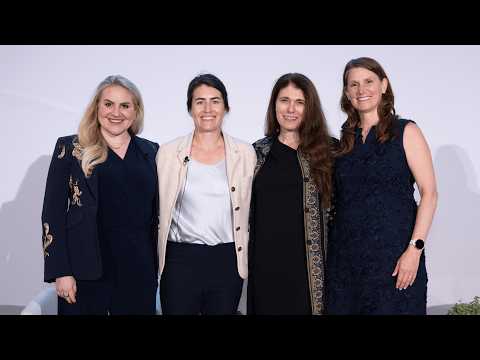
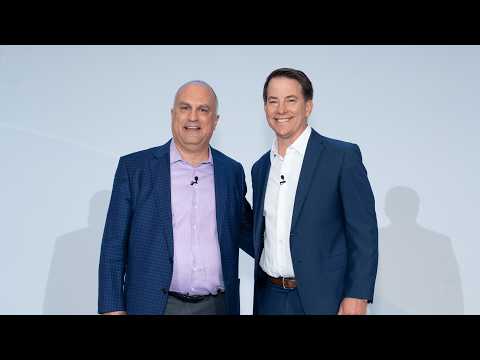
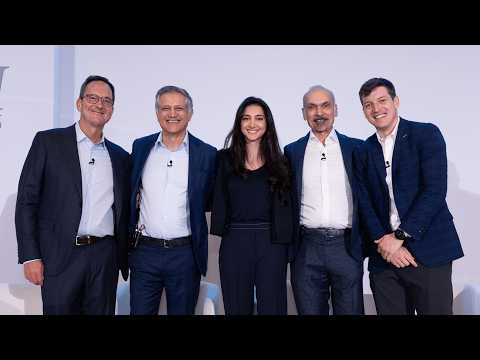
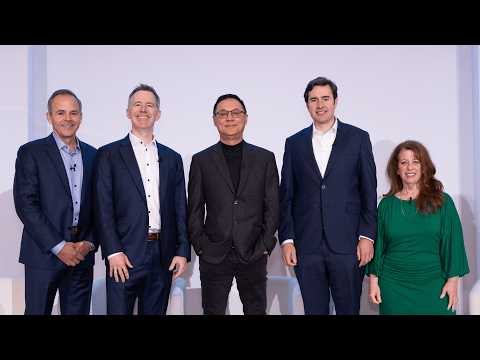
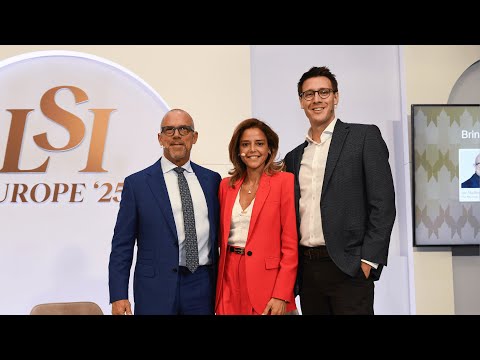
Well, thank you everybody. And thank you for allowing us to talk come to the LSI London, Europe, 2025, Fireside. We're going to focus on Kapoor Wealth of Partners, KWP, as I like to call it, and and the work that Kapoor wealth, a partner, does in longevity. To start off with, I'd like to introduce two amazing people, Dr Kapoor, Dr Anmol. Kapoor is a to me visionary, a cardiologist, an entrepreneur, founder, chair, CEO of Kapoor wealth, of partners, an amazing which is co authors, is a family run Office which is really redefining investment in the biotech med tech, and I'd argue, the longevity solutions at this moment in time. And his profile is quite breathtaking in terms of the companies that he's invested in, and you can see them behind me. I And it covers everything from Ai driven diagnostics through to precision healthcare, which we'll talk about. And then secondly is Raman Kapoor herself, chief health span officer at bio arrow, a registered diet trician, a global leader in and it has a unique blend of of skill sets that makes a to drive this academic and understanding and really push things into health span as well. So the quote, and what we mean by health span is the quality of years that we all want to have. So I really want to start with Dr Kapoor. Let's start with you, and I want to understand your philosophy when it comes to Kapoor wealth of partners and what, what started you in down this journey to to create such a an amazing group of companies and environment.
Anmol Kapoor 1:54
Well, the idea was to push a limit. And being a cardiologist, I was tired of same old, same old stories, patients coming to me in the clinic asking, why have a cardiomyopathy, about heart failure. Why me, at age of 35 have bad CD coronary disease? Why not my brother or my dad or someone else had this problem, and every time we were doing the same thing, this aspirin, beta blockers, ACE inhibitors, statins, and send them home. So but it wasn't working, and we realized that during covid times, there was people getting heart failure, cardiomyopathy, and we have no idea why. So it was the worst, first global, unauthorized or not properly consented clinical trial that happened that shown that there are certain people who are born with certain genes, and it doesn't matter as a vaccine or a viruses or a bacteria or a drug that could trigger the gene activation and expression and leads us to development of disease, and that essentially is the instigator for us. So for me personally, to invest into future technologies that they're not looking at the today's healthcare problems. They're looking at 2030, 2040, or 2050, word with the word, we'll have a quantum computers in people's home. Hopefully by that time, we won't be dealing with the way we have laptops today. I'm predicting quantum will be so cheap that everyone will be dealing with the quantum computing and predicting things. And we already know that clinical trials can be done rapidly during covid times, the era of med tech or pharmaceuticals taking 1015, years, and only have a five years of making money if they're successful. And there's so many opportunities that exist because of an AI and precision medicine. So the challenges we are solving, these companies solving, and many more along the way. So I believe in investing the future. So I believe that where the healthcare will be, healthcare will be in people's home. It won't be in hospital base. And the robotics will be coming in people's home. They will be taking many Vitals and blood testing will be happening. I think we will be we are seeing, literally an end of the hospital based systems and the lab based systems and more going towards people's home the old way, when Doctor used to visit people's home, I think now doctors will be more empowered. The health care is more empowered when they're visiting, they'll have more knowledge AI can provide that insight. And is the best time. I think the longevity is one of those things we truly can people who are born today, they can live up to 150 if they want. We literally have the technologies. We have the know how, just we have to bring you to the level of the people.
Darrol Baker 4:51
I think longevity is what we're talking about today, and my background and it parallels what you how you've been. It and been involved in this, you you've come from this from a a patient centric point of view, whereas my background is in genomics. And so it was this idea of people coming to you and literally the last chance solution and and working out how to do this, and then running genomes for us. It wasn't sort of like for us. It's a research only for anybody out there that's done that and understands what that means. It's quite, quite funny. When it's not clinical, it's for research only, purposes only. So it kind of made me laugh what you're saying there. But longevity comes with many for in many forms, I think. And we've talked about this in many, in many areas, I guess we can think in terms of life, life, quality, lifespan. But what does that mean to you, Raman?
Raman Kapoor 5:43
I think longevity, I mean, it's just a big buzzword right now, and everybody's talking about longevity, but I think longevity truly is the number of years, not necessarily the number of years we're living or how long, but the number of years that we live well. And I think that we emulate longevity in every moment of our lives, every single day, from, you know, the time you wake up to the type of clothes you wear, you know what kind of fibers you're putting on, to the types of foods you eat, to the type of activity you do. I think longevity is something that is built into our lives, and it has many, many different aspects and places that we can incorporate it in. Yeah.
Darrol Baker 6:23
I mean, I think, I think longevity is a really interesting thing, because we, when we start going down this route and talking about longevity, there's lots of Hy, lots of what we think, what's proven, what's not proven, what's unique. What examples can you think of Dr Kapoor in terms of, in terms of longevity and
Anmol Kapoor 6:42
Well, right now we can understand epigenetic factors that are playing a huge role. There was an era we never understood as a theory that how the epigenetic impacts and in my own family, I saw that my dad was born in refugee camp in 1947 so when we were doing telomere testing in our lab in Calgary. So I saw the tags were passed from me to my kids. And so just in telemetry, impact, just impacts, no theory anymore. We have seen in Chinese Famine. We have seen in so many hunger things are happening. So impact of epigenetic is real, and we can measure it now. So there are many clocks out there. Some are good, some are not good, but we recognize that there are certain drugs we have recognized, GLP, one inhibitors, now been promoted as a longevity drug, as GLT, two inhibitors, you can name it. So one of the drugs we are recognizing as a only coming in place when the disease is happening. So now the theory is essentially confirmed that, for example, statins alone. So people recommend statins when you have a CD or have a stroke. But now we are going in the direction where we are introducing much earlier. So the lifetime exposure that matters if you have lipid exposure life long, even within normal range, there's a very high chance of developing coronary disease and heart events or a stroke risk. So what's happening is is intersection of the medicine we have learned that has been validated now, applying the knowledge in a healthier people, not a people have diseases anymore. So people who want to prevent the disease, they want to prolong their healthy part of their life. We have a large amount of data we can churn in, like panomic technology, we invested being the world's only company technology. They're going to whole genome analysis in less than five minutes. If you call anyone in HSR or any other company globally, ask them to give a whole genome sequencing report, I bet you no one can give you in a day. Forget getting in five minutes within one week, if you're lucky. So this is how the facet technology is moving. And now imagine we put microbiomic data, epigenetic data, we look at gene expressions and then the downstream impact on the proteins. We used to discover drugs on the protein side, and we are invested into a multi omics beta Discovery now, why it was very important. Because, go on is an era where we are selecting people on the phenotypes. We have diabetes, this risk factor, that risk factor is male, female and done, and what the medication using and trying to predict which drug is good or bad. So I do believe that even I was laughing with my colleagues at University of Cardiology Congress recently, it's a few years we have beta blockers, blockbusters, then a bit of beta blockers. Don't need it, then we need it again. So the same reputation, regurgitation of the same data, coming back after a few years, making Plavix better, not Plavix better. So, but essentially, though I believe those are not good data sets anymore in the era of genomics. So our clinical trial should be in all the genomics. We should be doing a genome sequencing, understanding gene expression when enrolling people, then there's a higher chance of being successful. Oncology is doing it. So now we have to implement in everyday practices in medicine.
Darrol Baker 9:59
Yeah. Yeah, I mean, that's a great point you make there, because we were talking about it at lunch, this idea of making data clean, and how we can actually run information through that, and whether it's, I think one of the first things we talked about Dr Kapoor was this idea of patients coming towards and they have a problem, they have an issue, and now it's, we're getting to that age, that stage now, where we can with within the UK the 100,000 half moon genomes and the newborns project, 100,000 project that I was part of, where we can actually go out and really sort of cast a net out and say to people, there is a possibility of something happening that has many impacts to the community itself, but it also empowers individuals to do things with their information. I think that's a really important message to take away. And for me, that's where longevity is. It hits into sort of what people would traditionally call personalized medicine. And what about yourself, Roman, how do you see that?
Raman Kapoor 10:54
You know, I see longevity playing a big role when you're saying in personalized medicine in the world of sport. So you think of athletes, and you think of, you know, whether it be an amateur athlete or an athlete that's pro in their game, or an Olympian, or even somebody who uses their fitness ability for their work, whether that police officer is military. A lot of people feel that their their longevity or their health span ends because of age. But if you think of a typical athlete, really, their longevity ends when they get injured. Yeah, and if we could focus on that preventative piece and focus on how to, you know, understand our risk of injury, understand how we could maybe build programs that are built individualized to each person, rather than a generic program, we'd not only enhance their ability to perform, but their longevity in the field.
Darrol Baker 11:45
Yeah, indeed, I could have done with the application on Thursday when my ankle was telling me there's something wrong there. And I was like, no, no, no, it's okay. And then come Baker as a game of squash on Sunday, and this Hank all feels like it's this big me now, so yes, and so you're right. You're absolutely right. There's something that sometimes you need a somebody, a little angel on your shoulder, telling you you shouldn't do that, and that's
Raman Kapoor 12:10
what the bio sport does. So the bio sport is basically the intersection of how our genomics, using your whole genome sequencing, combining it with AI, and providing that person a personalized coach that focuses on workout routines, on their nutrigenomics, on their microbiomics to help them really understand their risk and how to elevate their game. So I think longevity comes in all formats.
Darrol Baker 12:36
There's one other element that I wanted to sort of discuss, is the difference between, obviously, this today and over the last couple of days, we've been talking about the difference between North America and Europe. I'd love to see your perspective on that side of things, when it comes to things like healthcare, but equally, the others perspective that which seems to me more that's happening in Canada, which is, there's a real push towards female healthcare too, which I don't kind of see very much in, particularly the UK.
Raman Kapoor 13:08
Well, I think as a female, there is definitely a lack of push in in female health. And that's one thing that we've incorporated in the bio sport, is Hormonal Health. And the reason we incorporated Hormonal Health is because that actually really does impact a woman, especially in their athletic potential and abilities, depending on where in their cycle, what's happening with their hormones has an impact on the output that they play in the sport. Another area that I think, from a longevity perspective, that's been kind of not so much ignored, but maybe put in the background is microbiomes. So when we look at things like gut microbiomes, and for women, particularly vaginal microbiomes, and the amount of information that they can provide us, really does help to bring these items to the forefront. So I think that longevity needs to move more into the space of data, understanding the data of ourselves and using tools such as, you know, microbiome testing and genetic sequencing and telomere testing, DNA methylation, all these different tools that are now available to us.
Anmol Kapoor 14:14
It is true, and methylation is one of those things many people understand. It's like a whole genome sequencing, and it's predisposition. Same with methylation, is a predisposition. So understand this gene is expressing, not expressing, and the new drugs which we are investing in, and I'm sure the company is doing it too, they're looking at those things, the impact of epigenetic the gene expression, exactly downstream impact that's ushering us a new era, and getting is woman health is very important. Half the population is not, is misunderstood. I always tell patient that ECG electrocardiogram is sexist. Seriously, when patient come for stress testing to me, and half the time I get a wrong result. So I get asked. Depression. And they asked me, Why? Because you Woman, why you can make a neutral ECG stress test? So it does. It is sexist. It is gives a wrong result. Most often, women comes back abnormal. They are subjected to unnecessary testings. And you can still imagine it's only 70% algorithm in many one. So we are still using this rudimentary old technologies in the sport side to clear athlete for extreme sport so and to say they can go ahead and play FIFA or triathlon and someone dies on the field. We are still doing rudimentary medicine in my different ways in Europe and all over the world. So yes, coming back to your question regarding what are changes, I'm seeing that in America was a Europe. So in America, you're seeing a lot of hyper processed foods. You're seeing a lot of foods are never tested properly in human and they are contributing into significant disease, morbid conditions, obesity, depression, cancers, you name it. Europe is little bit strict in that area, so you really have to be careful before you putting those chemicals inside. So to me, personally, I would trust food product coming here probably better than in buying in America. Can have something in between, say, little bit of Europe, little bit of America being a next door neighbor. But I do believe that data is important. The data is you can deny anymore, is a woman health man health doesn't matter. And things we see now in medicine, and we are changing the paradigm right now. So traditional healthcare systems, what I used to call, I wrote an article few weeks ago, and as a cardiologist, we define alternative medicine. So there's a medicine, there's alternative medicine. What is alternative medicine? Anyone who's not a medicine? Meaning is that if a doctor or MD is not prescribed, recommending, so that is alternative medicine. So now I think, with the genomics and multi omics coming in play, if a doctor healthcare systems are not going to use genomics and make a call on the patient life, just with a gut feeling, with whatever they have learned in the old textbooks that's alternative medicine going to be soon, and the current medicine in the future forward will be omics based. Look at Saudi Arabia. Look at UAE Emma, at the Genome Project. Look at Qatari Genome Project. Look at NHS implementing in babies, newborns, and pharmacogenomics getting implemented in Spain. So the changes are coming. You just we don't see that. So imagine going to a pharmacist with a getting a drug given to you in the future. They actually know from DNA which drugs are good or bad for you, and you know it before you even put in your mouth.
Darrol Baker 17:39
Yeah, I think, I think the first genome that I sequenced was $300,000 and that guy was happy 30x he, you know, and since then, it's gone down to, you know, next to nothing, almost Jay flat, little from from alumina, says that the sequencing is going to be nothing. And it's the interpretation that's going to be the most expensive there, which does rely on good, clean data, which I know we're going to get to, but I want to sort of play the play a bit, a bit of devil's advocate with this longevity. Where do you see it going into the future and and do you believe you can live long enough to live forever?
Anmol Kapoor 18:15
Well, we don't know we can live forever, but we can stay healthy the longest. Okay, so I believe in that. How the longest means, cognitively, you're good, your joints are good. You're able to work to the same potential you're 4050, year old, and you can achieve that when you're 1900 that's doable as today's knowledge we have, and we have means to be able to pay attention, measure data and measure your data, the way you measure your phone's data, how much memory you're using every day and how much data you're using for your cell phone. So measure body's data every day and understand how your body is changing. So if you can do that, you can then pivot much easier and faster than later on. So in Dubai, we launched a longevity clinic, Dubai's first longevity clinic with the prison health approach, and in fact, we ran world's first longevity fitness challenge in Dubai last in December, where 1000s of people participated, and million steps were walk, and people were given free longevity assessment as a reward. And there's so much excitement and awareness about it, and especially younger population and Gen Z and other people, they truly are paying attention. So what example I tell the people is always that to take an apple, if an apple is taken from the tree, put in the refrigerator, eventually the dean is programmed to die. Doesn't matter what you do, the Dean of an apple will kill it. But event, but the apple will last the longest. But you take a wrinkly apple out in the sun, maybe a London rain, and put it inside the fridge. It may not last that long. So key to preservation your body starts much younger age much earlier, paying attention. So that's what you're seeing in America, the alcohol consumption rates are going down, yeah. So you're seeing below. Bully like a nightclub culture in UK is also diminishing. People are more participating in a health based lessons and experiences. People are going direction.
Darrol Baker 20:10
So where do you see things like wearables becoming part of this? I know we've talked about this in terms of med tech and biotech and and longevity, but where do you see that that sort of progressing. And how would you think of things like bio Arab, bio sport, Pan omics watchers? To some extent,
Anmol Kapoor 20:27
it's moving so fast, like we have companies we we're talking to, they can put a chip in your hand. All your health record system is inside with the QR code of visit scanning your phone, you can get all the information body temperature and so many different things. There are variables you can wear the eyes, in the ears. There's a neuro plants we're discussing for for a cognition cycle, connecting brain with the robotic systems. There are different kind of variable, Apple watches and Fitbit, the early part of that see billions of dollars they're making every year. So people are recognizing that. So now the data stays with them, but the data is not in doctor offices anymore, right? So Apple knows more about you than your doctor. So that's the gap that exists. You never have to bring to the doctor. From doctor to you, so what the interpreting doctor is? So that's why we are heavily invested in AI, our own data centers, our own computing centers, GPUs, our own programming coding languages. We are investing heavily in those areas, because if we can bring bridge this gap where the big companies have an access to more information about you than your doctor, that is going to be negative on your health, let's bridge that gap, take that information to the doctor, have an AI tool, and there's a you are also more engaged and improve your health and perhaps family's health.
Darrol Baker 21:47
I think for somebody like myself, that's that that's built llms and AI and knows at sort of a very deep level what you can do and and how to build those and incorporate those. A lot of the talk this week, or the last couple of days, has been about how to integrate our AI into these systems. And to me, it's kind of interesting how, how the centralized systems are being used, and people just blindly give you do talk about the iPhone and this Google and this whole host of whatever's pathways and and for me, it's kind of impressive and interesting to see how easily people give information away for free. I'll probably get onto that in a few minutes. And, you know, I'm trying not to do it my pitch, basically, but, but the importance of what I call longevity of data, and more, moreover, your own data. I want to start it by kicking the can or, again, throwing a throw in a devil's advocate your way in terms of digital twins, and how do you see that developing into the future?
Anmol Kapoor 22:53
I would love to, if you're working in the area where I want to see a real time so people are doing glowing digitally, which is hypothetical projection of who you could look like it what we are working on a real time. So what type of drug I'm consuming and how it's going to express in my gene before I take it. I want to see that. And the same way we have tried in oncology. So we do functional pharmacogenomics testing. Where you grow the cancer cells, inject the chemotherapy C is killing the cancer, then you give to the patient. Don't give chemotherapy to everyone. Same way. So same concept. Now, can you apply it in the human health as a digital twin longevity space, any food you're eating, how you could react in your body? You can, literally can see that just a matter bringing all the competing powers and tools together, and we are not far away to deploy those technologies.
Darrol Baker 23:42
Herman, how do you see digital twins and things like that developing? Is it something that appeals to you, or is it something that's just like,
Raman Kapoor 23:49
No, it's a very interesting concept. And I think you know what you're saying is that you know before trying it on ourselves, if we could try it digitally, it gives us a really good opportunity to see what works and what doesn't. So it kind of takes that trial and error approach out, which we've been always basing medicine and health care on. It's always been try this, and if it works, try this. You know, as a registered dietitian, when I worked with clients and things, you'd have a simple diet, like, people would say, oh, you know, I want to try the keto diet. And so on, one person the Keto would be really, really good. And the next person that would come in, they develop, you know, higher cholesterol and heart disease. And then the third person, you know, it induced, induced obesity. So wouldn't have been so great to have something like that digital twin, to be able to see, okay, what is their genetic makeup? What? How do they actually metabolize it? What are their nutrigenomics? And what would the impact of following, you know, this kind of lifestyle really have on them?
Darrol Baker 24:44
Yeah, I think pharmacogenomics is an interesting one when it comes to things like that. We work with Prima Mohamed on that up at Liverpool, and it's kind of some crazy things that we've kind of finding that some people need a small amount and some people need an. Have to kill a kill a horse, basically, just to just to get the same effect. And it was fascinating for me to to correlate that with genomics and medicine. Dr Kapoor, what do you what do you think it is
Anmol Kapoor 25:11
like many people in an audience probably eating taking an aspirin, and we know that one in seven to perhaps maybe 15 estimation are people who are not responding to aspirin, and they're still taking it every day, as simple as that simple medicine given to cardiology patients every day, and many are non responders, and they still bleed. Say we are giving something that potentially could have bleed, and perhaps you're going to kill them. So pharmacogenomics is the key. I don't take any drug, any supplement, unless is my DNA, I asked my team, I don't give it to any more family members without pharmacogenomics analysis, unless an emergency, I'm stuck, I have no access. But my whole life journey is based on pharmacogenomics and microbiomics, my diet plan, my Excellence Program, everything is based on that I get.
Darrol Baker 25:57
I guess the next thing on from that is that you've talked about yourself and the family. How do you see this being adopted as a in on the population level? How do you see that being adopted?
Anmol Kapoor 26:08
There are challenges, and this opportunity lies. The challenges are the healthcare systems don't have money to fund it, and people are educated now. Awareness is happening. The biggest challenge is the doctors are not aware of it, the benefits. So there's a lot of lack of awareness in healthcare systems. Regulatory authorities don't understand how to apply this new science into clinical practices. They're still stuck to the evidence based medicine. Evidence medicine is end of the era. Now we're doing precision medicine era. So they're still relying on evidence. They did a good job. So we came to this level. We improved quality of life, quality of life. But I think we have to move ahead now getting a person medicine era, and there are no textbooks on this in a medical school. They're still not teaching as much. I was in Auckland talking to medical school students, and now they have starting some chapters. There some lesson for personal medicine. So I think the new generation doctors will be able to bring this change, and old doctors will have to follow through this whole guideline based medicine will be changed, because by the time guidelines are coming out, it's only 510, years late. So then the renumeration coming in, the person is dying. The population is aging faster. So look at Japan, population so fast. They're struggling with the loneliness. 1/3 here, one in three Japanese are alone, and over 50,000 people died in the room. No one even knew that.
Darrol Baker 27:28
But then they have the blue zone there as well, which is, yeah,
Anmol Kapoor 27:31
so this drawback of that too. So there are challenges that exist globally, but I do believe some countries have taken a lead in this area. Middle Eastern countries have taken a really big step in this direction, and the Western world discovered these things. But the applications are happening in the Middle East.
Darrol Baker 27:49
It's fascinating that when you talk about going to the Gulf War, going to Saudi going to the UAE, going to Kuwait, and seeing the innovation that's happening there, the mind seem to be a lot open to, to to, sort of like, expose yourselves, because,
Anmol Kapoor 28:04
again, you a they implement a law. Yeah, everyone should have a pre metal screening before Matt. Yeah, all the Emiratis,
Raman Kapoor 28:11
that's the thing. I think it has to begin at a population level. Yeah. It has to have buy in from the the population level, from that building capacity at the ground level, and then from there, it funnels up as simple as you were talking about the foods, like when you look at even something as simple as cereal in a Kellogg's brand in the States versus Canada versus the year in Europe, the ingredients are completely different, with the most detrimental being in the states and the least detrimental Being in Europe. So I think it has to start at that population level. And the fact that there's so many people at conferences like this, you can see that momentum and that movement beginning in that direction.
Darrol Baker 28:51
We do get a lot of people contacting us to ask about, how can we implement certain things, and I'm keeping that very vague, because the conversation actually the previous conversation. I actually wrote to them physician reimbursement. There was a similar thing to do with hospital reimbursement this morning as well. And they were talking about how investors want to hit the ground running, or get some revenue stream, or get generate some capital, as you know, pre seeds, or to try and generate this thing. And I was thinking in terms of what we do, in terms of, like the data. It's particularly what I do really, which is empowering people with their data and utilize this, what I call the longevity of data, and so that each of us are empowered of our own data, our own different types of data that we're generating, and how do we then monetize that information. And I think on hospital level, physician level, there's a whole level of really interesting aspects that we can go down and talk about that. It sort of triggered me this today, particularly listening to several people and talking to several people about, how did we reimburse a. From data that we have. And it seems like we talk about this a lot silo data within individual phones or individual institutes that there's data there that's been locked away and they can't use for various types of HIPAA compliance, GDPR rules and things like that. I'll talk about voucher in a few minutes, and how we do it on a web three decentralized kind of way. But I'd love to hear your views in terms of, how do we empower people to use their data?
Anmol Kapoor 30:27
Well, you're doing it. So you're doing with the water. So it's one of the companies we have, we love to promote and we invested in, is a decentralized data storage is unhackable technology with the current quantum computing, no no one has the power to access data. There's no back end key. And I do recommend because when you're doing some zoom meetings, when you whenever you're activating AI with the Microsoft meetings, so what is happening is you're also giving access to your conversations. So you may have an NDA with couple of humans, but in between, you have no idea who's making this communication happen, and what the recording they're doing for your data or information they have an access to, and what IP they're stealing from you. So you may be storing your data at a Google Drive thinking your patent files are there, and someone else has already peeked into the patent files. You're getting patent denied later on. Hey, by the way, someone else just filed those last day. So how do you protect that, right? So we are into healthcare world. IP is very important. So I love water's vision, where you own your own cloud. Yeah, your data goes there, your smartphone, your desktop, your working computer, your businesses. I use it, water technology as my second third backups. So yes, we have traditional clouds. Yes, you have to infrastructure kind of move immediately, in many different ways, but our second third backups in blockchain and encryption, because we have to protect it if we don't protect our own IP, our own assets and technologies, so we are going to get harmed by someone else. Someone is going to access unauthorized someone is going to steal something without us knowledge it is happening, right? People access your phone without you knowing it. So that's why I believe data longevity is important for healthcare, especially and protecting and securing your data in your own cloud is very important, but the cloud should be under control, not a multinational company. It'd be decentralized. Should not be a one company who's providing you. They may tell you as a cloud, but they they have an access. In fact, in America is American company, so it doesn't matter which country you are, they can, they can access your data from Europe, from Middle East, from Canada, as because American law gives a power to force American companies to allow them to access your information in the UK, and they can also give usual gag order. Gag order means you can even talk about in public, yeah, and you have to be quiet so they can keep access your information and you have no clue. Yeah.
Darrol Baker 32:58
I mean the whole idea of centralized versus decentralized storage. Most people here will be using these centralized storages. A simple way to think about that. It's a bottle of water and it's there, and you can access that water anywhere. Decentralized means it's all over. It's centralized over a node system backed by blockchain, so there's lots of security there. It can't be destroyed. It can't be hacked. You know exactly what's happening to that data, where it is if, even if there's an attempt to hack it, you can actually find out who did that as well. It's why the FinTech community are going down that route, too, and it does allow you to really control your data. Votre is the only application on the planet that does that. And I'm kind of proud to be CEO of votre. It's it, because it's opening up the doors, not just to the healthcare space and the biotech space. It's opening up to the financial industry, which is, you know, the traditional blockchain, Bitcoin and tokenization and things like that. But equally, things like, we've spoken to people from Bollywood that are having people, people downloading their their movies by piracy. It stops that. It's I triple E. It's a counterfeit, counterfeit parents
Raman Kapoor 34:11
and their kids pictures. It'll help parents put pictures of their kids and, you know, and if it's decentralized, there's a whole level of security.
Darrol Baker 34:19
And then it's creating things like nfts and the marketplace for those too, so that you, once you upload your data, you can actually create some non fungible tokens based on that. And again, to some people think that's just some goofy comic or some artists from a few years ago, I spoke to someone in the audience a few minutes well, just before this, where we were talking about the potential for sharing patient information globally. I've spoken to somebody else who had to have a medical test to get a patty certification in in Thailand, and she was in Canada, so she had to spend money to get that where. Whereas if she could have had a way of taking that information and with her, it would have been great. And. And this is one of those aspects where it's empowering individuals and it's empowering groups, and it's empowering companies to actually really do really interesting information with that data. And that's what we mean by owning your own data and owning your own future. Because, as Dr Kapoor said, there's all kinds of nastiness coming down when it comes to quantum attacks on that data, which you then centralized systems are, as we know now, you can see on a daily basis. Anybody that went to Marc and Spencers will know about that kind of thing. There's all kinds of hacks that are happening on those, on those individuals and those things. And so it's allowing those groups to empower themselves, and I think it's a great way for reimbursement, allowing control access to hospitals too, and that's a revenue stream that I put here for that particular person asking that question too.
Anmol Kapoor 35:49
Well it is. And UK is taking a lead in this area and blockchain, and so are many European countries, and the US has jumped in lately. Anything in a blockchain now is hot. So I do believe, I think the future medical devices needs to be linked with blockchain and where the business opportunity coming in for businesses basically real world assets, so that you're making medical devices and those and assets you created, you're selling them, renting them. What are the model you have now? You can tag them, monitor them in the lifespan. You can update accordingly. So you can assign ownership much easier, and know that someone buy a machine from you sell in second hand. You can stop it. You can put an agreement like that is you only want to service, you only own it. So the blockchain benefits are here. You can track all of those things as medical device company, I strongly encourage that. And having link with real world assets, technologies, areas, you can rent it. If you don't have money you want to raise money for your project, tokenize it. And if you don't, if the family offices, VCs or funds are not giving you money. Tokenize your project.
Darrol Baker 37:02
We even talked about things like charitable things where people have hospital need, that need procedures and they need to raise revenues. And that's another aspect of things like stake, and that can be used as part of the NFT, where you can actually then give tokenize tokens and things, yeah,
Anmol Kapoor 37:18
give ownership, fraction ownership, to people who believe in your cause, and that's your first angel investment. So I do believe blockchain has changed many things, especially the area of healthcare. I think it's revolutionizing it for data security and privacy and ownership, and that is going to fuel area of longevity, medicine and many different innovation coming in next, 2030, 2040, 2050, and no, we are super excited, so we are heavily invested in that's what we're looking to bring in 100 million dollar fund now next year, and our focus will be on dreams, dreamers. So I'm a dreamer, so I'll be looking for dreamers. We'll be looking for them and invest in those companies and ideas. So people think is not possible today, but it's possible in the future. We need those ideas, absolutely.
Darrol Baker 38:09
Raman, would you like certain last points?
Raman Kapoor 38:11
I think that everything that you've said really does emulate it. And I think the future, the future, is about longevity and health span and and our own data. Knowledge is power. If, if there's anything, it's that knowledge is power.
Darrol Baker 38:25
Any questions got a few? A few got a minute for questions? Anybody got a question? Was a
Anmol Kapoor 38:41
question? Dead of longevity. It is so oral microbiome has taken off and is linked with very esophageal and gastric cancers. And what is happening is a very periodontal disease, people developing recurrent diseases. And there's more understanding oral microbiome linked with that. And the many studies are getting published at the dental conference, so they're talking about that. So it is coming in. And I do believe knowing what putting in your mouth is important. Disease start from your mouth, as a dentist told me, so watch out. Don't say anything bad to the people.
Raman Kapoor 39:17
Yeah, I think oral, oral microbiome something that should be done more often and be part of you know, people go to their dentist twice a year. Neural microbiome should somehow be incorporated to see the changes that are happening in their microbiome.
Darrol Baker 39:32
So we're on the LSI app. So if you want to get in contact with us talk about sort of how we can empower you your data, please drop us a message, and I'm happy to talk that again. There's many areas where we can help you with and help with additional revenue streams that you probably didn't think you could actually get. So drop me a message, and I'm happy to help and to explore some some solutions for you. Okay, thank you.
Darrol Baker 0:05
Well, thank you everybody. And thank you for allowing us to talk come to the LSI London, Europe, 2025, Fireside. We're going to focus on Kapoor Wealth of Partners, KWP, as I like to call it, and and the work that Kapoor wealth, a partner, does in longevity. To start off with, I'd like to introduce two amazing people, Dr Kapoor, Dr Anmol. Kapoor is a to me visionary, a cardiologist, an entrepreneur, founder, chair, CEO of Kapoor wealth, of partners, an amazing which is co authors, is a family run Office which is really redefining investment in the biotech med tech, and I'd argue, the longevity solutions at this moment in time. And his profile is quite breathtaking in terms of the companies that he's invested in, and you can see them behind me. I And it covers everything from Ai driven diagnostics through to precision healthcare, which we'll talk about. And then secondly is Raman Kapoor herself, chief health span officer at bio arrow, a registered diet trician, a global leader in and it has a unique blend of of skill sets that makes a to drive this academic and understanding and really push things into health span as well. So the quote, and what we mean by health span is the quality of years that we all want to have. So I really want to start with Dr Kapoor. Let's start with you, and I want to understand your philosophy when it comes to Kapoor wealth of partners and what, what started you in down this journey to to create such a an amazing group of companies and environment.
Anmol Kapoor 1:54
Well, the idea was to push a limit. And being a cardiologist, I was tired of same old, same old stories, patients coming to me in the clinic asking, why have a cardiomyopathy, about heart failure. Why me, at age of 35 have bad CD coronary disease? Why not my brother or my dad or someone else had this problem, and every time we were doing the same thing, this aspirin, beta blockers, ACE inhibitors, statins, and send them home. So but it wasn't working, and we realized that during covid times, there was people getting heart failure, cardiomyopathy, and we have no idea why. So it was the worst, first global, unauthorized or not properly consented clinical trial that happened that shown that there are certain people who are born with certain genes, and it doesn't matter as a vaccine or a viruses or a bacteria or a drug that could trigger the gene activation and expression and leads us to development of disease, and that essentially is the instigator for us. So for me personally, to invest into future technologies that they're not looking at the today's healthcare problems. They're looking at 2030, 2040, or 2050, word with the word, we'll have a quantum computers in people's home. Hopefully by that time, we won't be dealing with the way we have laptops today. I'm predicting quantum will be so cheap that everyone will be dealing with the quantum computing and predicting things. And we already know that clinical trials can be done rapidly during covid times, the era of med tech or pharmaceuticals taking 1015, years, and only have a five years of making money if they're successful. And there's so many opportunities that exist because of an AI and precision medicine. So the challenges we are solving, these companies solving, and many more along the way. So I believe in investing the future. So I believe that where the healthcare will be, healthcare will be in people's home. It won't be in hospital base. And the robotics will be coming in people's home. They will be taking many Vitals and blood testing will be happening. I think we will be we are seeing, literally an end of the hospital based systems and the lab based systems and more going towards people's home the old way, when Doctor used to visit people's home, I think now doctors will be more empowered. The health care is more empowered when they're visiting, they'll have more knowledge AI can provide that insight. And is the best time. I think the longevity is one of those things we truly can people who are born today, they can live up to 150 if they want. We literally have the technologies. We have the know how, just we have to bring you to the level of the people.
Darrol Baker 4:51
I think longevity is what we're talking about today, and my background and it parallels what you how you've been. It and been involved in this, you you've come from this from a a patient centric point of view, whereas my background is in genomics. And so it was this idea of people coming to you and literally the last chance solution and and working out how to do this, and then running genomes for us. It wasn't sort of like for us. It's a research only for anybody out there that's done that and understands what that means. It's quite, quite funny. When it's not clinical, it's for research only, purposes only. So it kind of made me laugh what you're saying there. But longevity comes with many for in many forms, I think. And we've talked about this in many, in many areas, I guess we can think in terms of life, life, quality, lifespan. But what does that mean to you, Raman?
Raman Kapoor 5:43
I think longevity, I mean, it's just a big buzzword right now, and everybody's talking about longevity, but I think longevity truly is the number of years, not necessarily the number of years we're living or how long, but the number of years that we live well. And I think that we emulate longevity in every moment of our lives, every single day, from, you know, the time you wake up to the type of clothes you wear, you know what kind of fibers you're putting on, to the types of foods you eat, to the type of activity you do. I think longevity is something that is built into our lives, and it has many, many different aspects and places that we can incorporate it in. Yeah.
Darrol Baker 6:23
I mean, I think, I think longevity is a really interesting thing, because we, when we start going down this route and talking about longevity, there's lots of Hy, lots of what we think, what's proven, what's not proven, what's unique. What examples can you think of Dr Kapoor in terms of, in terms of longevity and
Anmol Kapoor 6:42
Well, right now we can understand epigenetic factors that are playing a huge role. There was an era we never understood as a theory that how the epigenetic impacts and in my own family, I saw that my dad was born in refugee camp in 1947 so when we were doing telomere testing in our lab in Calgary. So I saw the tags were passed from me to my kids. And so just in telemetry, impact, just impacts, no theory anymore. We have seen in Chinese Famine. We have seen in so many hunger things are happening. So impact of epigenetic is real, and we can measure it now. So there are many clocks out there. Some are good, some are not good, but we recognize that there are certain drugs we have recognized, GLP, one inhibitors, now been promoted as a longevity drug, as GLT, two inhibitors, you can name it. So one of the drugs we are recognizing as a only coming in place when the disease is happening. So now the theory is essentially confirmed that, for example, statins alone. So people recommend statins when you have a CD or have a stroke. But now we are going in the direction where we are introducing much earlier. So the lifetime exposure that matters if you have lipid exposure life long, even within normal range, there's a very high chance of developing coronary disease and heart events or a stroke risk. So what's happening is is intersection of the medicine we have learned that has been validated now, applying the knowledge in a healthier people, not a people have diseases anymore. So people who want to prevent the disease, they want to prolong their healthy part of their life. We have a large amount of data we can churn in, like panomic technology, we invested being the world's only company technology. They're going to whole genome analysis in less than five minutes. If you call anyone in HSR or any other company globally, ask them to give a whole genome sequencing report, I bet you no one can give you in a day. Forget getting in five minutes within one week, if you're lucky. So this is how the facet technology is moving. And now imagine we put microbiomic data, epigenetic data, we look at gene expressions and then the downstream impact on the proteins. We used to discover drugs on the protein side, and we are invested into a multi omics beta Discovery now, why it was very important. Because, go on is an era where we are selecting people on the phenotypes. We have diabetes, this risk factor, that risk factor is male, female and done, and what the medication using and trying to predict which drug is good or bad. So I do believe that even I was laughing with my colleagues at University of Cardiology Congress recently, it's a few years we have beta blockers, blockbusters, then a bit of beta blockers. Don't need it, then we need it again. So the same reputation, regurgitation of the same data, coming back after a few years, making Plavix better, not Plavix better. So, but essentially, though I believe those are not good data sets anymore in the era of genomics. So our clinical trial should be in all the genomics. We should be doing a genome sequencing, understanding gene expression when enrolling people, then there's a higher chance of being successful. Oncology is doing it. So now we have to implement in everyday practices in medicine.
Darrol Baker 9:59
Yeah. Yeah, I mean, that's a great point you make there, because we were talking about it at lunch, this idea of making data clean, and how we can actually run information through that, and whether it's, I think one of the first things we talked about Dr Kapoor was this idea of patients coming towards and they have a problem, they have an issue, and now it's, we're getting to that age, that stage now, where we can with within the UK the 100,000 half moon genomes and the newborns project, 100,000 project that I was part of, where we can actually go out and really sort of cast a net out and say to people, there is a possibility of something happening that has many impacts to the community itself, but it also empowers individuals to do things with their information. I think that's a really important message to take away. And for me, that's where longevity is. It hits into sort of what people would traditionally call personalized medicine. And what about yourself, Roman, how do you see that?
Raman Kapoor 10:54
You know, I see longevity playing a big role when you're saying in personalized medicine in the world of sport. So you think of athletes, and you think of, you know, whether it be an amateur athlete or an athlete that's pro in their game, or an Olympian, or even somebody who uses their fitness ability for their work, whether that police officer is military. A lot of people feel that their their longevity or their health span ends because of age. But if you think of a typical athlete, really, their longevity ends when they get injured. Yeah, and if we could focus on that preventative piece and focus on how to, you know, understand our risk of injury, understand how we could maybe build programs that are built individualized to each person, rather than a generic program, we'd not only enhance their ability to perform, but their longevity in the field.
Darrol Baker 11:45
Yeah, indeed, I could have done with the application on Thursday when my ankle was telling me there's something wrong there. And I was like, no, no, no, it's okay. And then come Baker as a game of squash on Sunday, and this Hank all feels like it's this big me now, so yes, and so you're right. You're absolutely right. There's something that sometimes you need a somebody, a little angel on your shoulder, telling you you shouldn't do that, and that's
Raman Kapoor 12:10
what the bio sport does. So the bio sport is basically the intersection of how our genomics, using your whole genome sequencing, combining it with AI, and providing that person a personalized coach that focuses on workout routines, on their nutrigenomics, on their microbiomics to help them really understand their risk and how to elevate their game. So I think longevity comes in all formats.
Darrol Baker 12:36
There's one other element that I wanted to sort of discuss, is the difference between, obviously, this today and over the last couple of days, we've been talking about the difference between North America and Europe. I'd love to see your perspective on that side of things, when it comes to things like healthcare, but equally, the others perspective that which seems to me more that's happening in Canada, which is, there's a real push towards female healthcare too, which I don't kind of see very much in, particularly the UK.
Raman Kapoor 13:08
Well, I think as a female, there is definitely a lack of push in in female health. And that's one thing that we've incorporated in the bio sport, is Hormonal Health. And the reason we incorporated Hormonal Health is because that actually really does impact a woman, especially in their athletic potential and abilities, depending on where in their cycle, what's happening with their hormones has an impact on the output that they play in the sport. Another area that I think, from a longevity perspective, that's been kind of not so much ignored, but maybe put in the background is microbiomes. So when we look at things like gut microbiomes, and for women, particularly vaginal microbiomes, and the amount of information that they can provide us, really does help to bring these items to the forefront. So I think that longevity needs to move more into the space of data, understanding the data of ourselves and using tools such as, you know, microbiome testing and genetic sequencing and telomere testing, DNA methylation, all these different tools that are now available to us.
Anmol Kapoor 14:14
It is true, and methylation is one of those things many people understand. It's like a whole genome sequencing, and it's predisposition. Same with methylation, is a predisposition. So understand this gene is expressing, not expressing, and the new drugs which we are investing in, and I'm sure the company is doing it too, they're looking at those things, the impact of epigenetic the gene expression, exactly downstream impact that's ushering us a new era, and getting is woman health is very important. Half the population is not, is misunderstood. I always tell patient that ECG electrocardiogram is sexist. Seriously, when patient come for stress testing to me, and half the time I get a wrong result. So I get asked. Depression. And they asked me, Why? Because you Woman, why you can make a neutral ECG stress test? So it does. It is sexist. It is gives a wrong result. Most often, women comes back abnormal. They are subjected to unnecessary testings. And you can still imagine it's only 70% algorithm in many one. So we are still using this rudimentary old technologies in the sport side to clear athlete for extreme sport so and to say they can go ahead and play FIFA or triathlon and someone dies on the field. We are still doing rudimentary medicine in my different ways in Europe and all over the world. So yes, coming back to your question regarding what are changes, I'm seeing that in America was a Europe. So in America, you're seeing a lot of hyper processed foods. You're seeing a lot of foods are never tested properly in human and they are contributing into significant disease, morbid conditions, obesity, depression, cancers, you name it. Europe is little bit strict in that area, so you really have to be careful before you putting those chemicals inside. So to me, personally, I would trust food product coming here probably better than in buying in America. Can have something in between, say, little bit of Europe, little bit of America being a next door neighbor. But I do believe that data is important. The data is you can deny anymore, is a woman health man health doesn't matter. And things we see now in medicine, and we are changing the paradigm right now. So traditional healthcare systems, what I used to call, I wrote an article few weeks ago, and as a cardiologist, we define alternative medicine. So there's a medicine, there's alternative medicine. What is alternative medicine? Anyone who's not a medicine? Meaning is that if a doctor or MD is not prescribed, recommending, so that is alternative medicine. So now I think, with the genomics and multi omics coming in play, if a doctor healthcare systems are not going to use genomics and make a call on the patient life, just with a gut feeling, with whatever they have learned in the old textbooks that's alternative medicine going to be soon, and the current medicine in the future forward will be omics based. Look at Saudi Arabia. Look at UAE Emma, at the Genome Project. Look at Qatari Genome Project. Look at NHS implementing in babies, newborns, and pharmacogenomics getting implemented in Spain. So the changes are coming. You just we don't see that. So imagine going to a pharmacist with a getting a drug given to you in the future. They actually know from DNA which drugs are good or bad for you, and you know it before you even put in your mouth.
Darrol Baker 17:39
Yeah, I think, I think the first genome that I sequenced was $300,000 and that guy was happy 30x he, you know, and since then, it's gone down to, you know, next to nothing, almost Jay flat, little from from alumina, says that the sequencing is going to be nothing. And it's the interpretation that's going to be the most expensive there, which does rely on good, clean data, which I know we're going to get to, but I want to sort of play the play a bit, a bit of devil's advocate with this longevity. Where do you see it going into the future and and do you believe you can live long enough to live forever?
Anmol Kapoor 18:15
Well, we don't know we can live forever, but we can stay healthy the longest. Okay, so I believe in that. How the longest means, cognitively, you're good, your joints are good. You're able to work to the same potential you're 4050, year old, and you can achieve that when you're 1900 that's doable as today's knowledge we have, and we have means to be able to pay attention, measure data and measure your data, the way you measure your phone's data, how much memory you're using every day and how much data you're using for your cell phone. So measure body's data every day and understand how your body is changing. So if you can do that, you can then pivot much easier and faster than later on. So in Dubai, we launched a longevity clinic, Dubai's first longevity clinic with the prison health approach, and in fact, we ran world's first longevity fitness challenge in Dubai last in December, where 1000s of people participated, and million steps were walk, and people were given free longevity assessment as a reward. And there's so much excitement and awareness about it, and especially younger population and Gen Z and other people, they truly are paying attention. So what example I tell the people is always that to take an apple, if an apple is taken from the tree, put in the refrigerator, eventually the dean is programmed to die. Doesn't matter what you do, the Dean of an apple will kill it. But event, but the apple will last the longest. But you take a wrinkly apple out in the sun, maybe a London rain, and put it inside the fridge. It may not last that long. So key to preservation your body starts much younger age much earlier, paying attention. So that's what you're seeing in America, the alcohol consumption rates are going down, yeah. So you're seeing below. Bully like a nightclub culture in UK is also diminishing. People are more participating in a health based lessons and experiences. People are going direction.
Darrol Baker 20:10
So where do you see things like wearables becoming part of this? I know we've talked about this in terms of med tech and biotech and and longevity, but where do you see that that sort of progressing. And how would you think of things like bio Arab, bio sport, Pan omics watchers? To some extent,
Anmol Kapoor 20:27
it's moving so fast, like we have companies we we're talking to, they can put a chip in your hand. All your health record system is inside with the QR code of visit scanning your phone, you can get all the information body temperature and so many different things. There are variables you can wear the eyes, in the ears. There's a neuro plants we're discussing for for a cognition cycle, connecting brain with the robotic systems. There are different kind of variable, Apple watches and Fitbit, the early part of that see billions of dollars they're making every year. So people are recognizing that. So now the data stays with them, but the data is not in doctor offices anymore, right? So Apple knows more about you than your doctor. So that's the gap that exists. You never have to bring to the doctor. From doctor to you, so what the interpreting doctor is? So that's why we are heavily invested in AI, our own data centers, our own computing centers, GPUs, our own programming coding languages. We are investing heavily in those areas, because if we can bring bridge this gap where the big companies have an access to more information about you than your doctor, that is going to be negative on your health, let's bridge that gap, take that information to the doctor, have an AI tool, and there's a you are also more engaged and improve your health and perhaps family's health.
Darrol Baker 21:47
I think for somebody like myself, that's that that's built llms and AI and knows at sort of a very deep level what you can do and and how to build those and incorporate those. A lot of the talk this week, or the last couple of days, has been about how to integrate our AI into these systems. And to me, it's kind of interesting how, how the centralized systems are being used, and people just blindly give you do talk about the iPhone and this Google and this whole host of whatever's pathways and and for me, it's kind of impressive and interesting to see how easily people give information away for free. I'll probably get onto that in a few minutes. And, you know, I'm trying not to do it my pitch, basically, but, but the importance of what I call longevity of data, and more, moreover, your own data. I want to start it by kicking the can or, again, throwing a throw in a devil's advocate your way in terms of digital twins, and how do you see that developing into the future?
Anmol Kapoor 22:53
I would love to, if you're working in the area where I want to see a real time so people are doing glowing digitally, which is hypothetical projection of who you could look like it what we are working on a real time. So what type of drug I'm consuming and how it's going to express in my gene before I take it. I want to see that. And the same way we have tried in oncology. So we do functional pharmacogenomics testing. Where you grow the cancer cells, inject the chemotherapy C is killing the cancer, then you give to the patient. Don't give chemotherapy to everyone. Same way. So same concept. Now, can you apply it in the human health as a digital twin longevity space, any food you're eating, how you could react in your body? You can, literally can see that just a matter bringing all the competing powers and tools together, and we are not far away to deploy those technologies.
Darrol Baker 23:42
Herman, how do you see digital twins and things like that developing? Is it something that appeals to you, or is it something that's just like,
Raman Kapoor 23:49
No, it's a very interesting concept. And I think you know what you're saying is that you know before trying it on ourselves, if we could try it digitally, it gives us a really good opportunity to see what works and what doesn't. So it kind of takes that trial and error approach out, which we've been always basing medicine and health care on. It's always been try this, and if it works, try this. You know, as a registered dietitian, when I worked with clients and things, you'd have a simple diet, like, people would say, oh, you know, I want to try the keto diet. And so on, one person the Keto would be really, really good. And the next person that would come in, they develop, you know, higher cholesterol and heart disease. And then the third person, you know, it induced, induced obesity. So wouldn't have been so great to have something like that digital twin, to be able to see, okay, what is their genetic makeup? What? How do they actually metabolize it? What are their nutrigenomics? And what would the impact of following, you know, this kind of lifestyle really have on them?
Darrol Baker 24:44
Yeah, I think pharmacogenomics is an interesting one when it comes to things like that. We work with Prima Mohamed on that up at Liverpool, and it's kind of some crazy things that we've kind of finding that some people need a small amount and some people need an. Have to kill a kill a horse, basically, just to just to get the same effect. And it was fascinating for me to to correlate that with genomics and medicine. Dr Kapoor, what do you what do you think it is
Anmol Kapoor 25:11
like many people in an audience probably eating taking an aspirin, and we know that one in seven to perhaps maybe 15 estimation are people who are not responding to aspirin, and they're still taking it every day, as simple as that simple medicine given to cardiology patients every day, and many are non responders, and they still bleed. Say we are giving something that potentially could have bleed, and perhaps you're going to kill them. So pharmacogenomics is the key. I don't take any drug, any supplement, unless is my DNA, I asked my team, I don't give it to any more family members without pharmacogenomics analysis, unless an emergency, I'm stuck, I have no access. But my whole life journey is based on pharmacogenomics and microbiomics, my diet plan, my Excellence Program, everything is based on that I get.
Darrol Baker 25:57
I guess the next thing on from that is that you've talked about yourself and the family. How do you see this being adopted as a in on the population level? How do you see that being adopted?
Anmol Kapoor 26:08
There are challenges, and this opportunity lies. The challenges are the healthcare systems don't have money to fund it, and people are educated now. Awareness is happening. The biggest challenge is the doctors are not aware of it, the benefits. So there's a lot of lack of awareness in healthcare systems. Regulatory authorities don't understand how to apply this new science into clinical practices. They're still stuck to the evidence based medicine. Evidence medicine is end of the era. Now we're doing precision medicine era. So they're still relying on evidence. They did a good job. So we came to this level. We improved quality of life, quality of life. But I think we have to move ahead now getting a person medicine era, and there are no textbooks on this in a medical school. They're still not teaching as much. I was in Auckland talking to medical school students, and now they have starting some chapters. There some lesson for personal medicine. So I think the new generation doctors will be able to bring this change, and old doctors will have to follow through this whole guideline based medicine will be changed, because by the time guidelines are coming out, it's only 510, years late. So then the renumeration coming in, the person is dying. The population is aging faster. So look at Japan, population so fast. They're struggling with the loneliness. 1/3 here, one in three Japanese are alone, and over 50,000 people died in the room. No one even knew that.
Darrol Baker 27:28
But then they have the blue zone there as well, which is, yeah,
Anmol Kapoor 27:31
so this drawback of that too. So there are challenges that exist globally, but I do believe some countries have taken a lead in this area. Middle Eastern countries have taken a really big step in this direction, and the Western world discovered these things. But the applications are happening in the Middle East.
Darrol Baker 27:49
It's fascinating that when you talk about going to the Gulf War, going to Saudi going to the UAE, going to Kuwait, and seeing the innovation that's happening there, the mind seem to be a lot open to, to to, sort of like, expose yourselves, because,
Anmol Kapoor 28:04
again, you a they implement a law. Yeah, everyone should have a pre metal screening before Matt. Yeah, all the Emiratis,
Raman Kapoor 28:11
that's the thing. I think it has to begin at a population level. Yeah. It has to have buy in from the the population level, from that building capacity at the ground level, and then from there, it funnels up as simple as you were talking about the foods, like when you look at even something as simple as cereal in a Kellogg's brand in the States versus Canada versus the year in Europe, the ingredients are completely different, with the most detrimental being in the states and the least detrimental Being in Europe. So I think it has to start at that population level. And the fact that there's so many people at conferences like this, you can see that momentum and that movement beginning in that direction.
Darrol Baker 28:51
We do get a lot of people contacting us to ask about, how can we implement certain things, and I'm keeping that very vague, because the conversation actually the previous conversation. I actually wrote to them physician reimbursement. There was a similar thing to do with hospital reimbursement this morning as well. And they were talking about how investors want to hit the ground running, or get some revenue stream, or get generate some capital, as you know, pre seeds, or to try and generate this thing. And I was thinking in terms of what we do, in terms of, like the data. It's particularly what I do really, which is empowering people with their data and utilize this, what I call the longevity of data, and so that each of us are empowered of our own data, our own different types of data that we're generating, and how do we then monetize that information. And I think on hospital level, physician level, there's a whole level of really interesting aspects that we can go down and talk about that. It sort of triggered me this today, particularly listening to several people and talking to several people about, how did we reimburse a. From data that we have. And it seems like we talk about this a lot silo data within individual phones or individual institutes that there's data there that's been locked away and they can't use for various types of HIPAA compliance, GDPR rules and things like that. I'll talk about voucher in a few minutes, and how we do it on a web three decentralized kind of way. But I'd love to hear your views in terms of, how do we empower people to use their data?
Anmol Kapoor 30:27
Well, you're doing it. So you're doing with the water. So it's one of the companies we have, we love to promote and we invested in, is a decentralized data storage is unhackable technology with the current quantum computing, no no one has the power to access data. There's no back end key. And I do recommend because when you're doing some zoom meetings, when you whenever you're activating AI with the Microsoft meetings, so what is happening is you're also giving access to your conversations. So you may have an NDA with couple of humans, but in between, you have no idea who's making this communication happen, and what the recording they're doing for your data or information they have an access to, and what IP they're stealing from you. So you may be storing your data at a Google Drive thinking your patent files are there, and someone else has already peeked into the patent files. You're getting patent denied later on. Hey, by the way, someone else just filed those last day. So how do you protect that, right? So we are into healthcare world. IP is very important. So I love water's vision, where you own your own cloud. Yeah, your data goes there, your smartphone, your desktop, your working computer, your businesses. I use it, water technology as my second third backups. So yes, we have traditional clouds. Yes, you have to infrastructure kind of move immediately, in many different ways, but our second third backups in blockchain and encryption, because we have to protect it if we don't protect our own IP, our own assets and technologies, so we are going to get harmed by someone else. Someone is going to access unauthorized someone is going to steal something without us knowledge it is happening, right? People access your phone without you knowing it. So that's why I believe data longevity is important for healthcare, especially and protecting and securing your data in your own cloud is very important, but the cloud should be under control, not a multinational company. It'd be decentralized. Should not be a one company who's providing you. They may tell you as a cloud, but they they have an access. In fact, in America is American company, so it doesn't matter which country you are, they can, they can access your data from Europe, from Middle East, from Canada, as because American law gives a power to force American companies to allow them to access your information in the UK, and they can also give usual gag order. Gag order means you can even talk about in public, yeah, and you have to be quiet so they can keep access your information and you have no clue. Yeah.
Darrol Baker 32:58
I mean the whole idea of centralized versus decentralized storage. Most people here will be using these centralized storages. A simple way to think about that. It's a bottle of water and it's there, and you can access that water anywhere. Decentralized means it's all over. It's centralized over a node system backed by blockchain, so there's lots of security there. It can't be destroyed. It can't be hacked. You know exactly what's happening to that data, where it is if, even if there's an attempt to hack it, you can actually find out who did that as well. It's why the FinTech community are going down that route, too, and it does allow you to really control your data. Votre is the only application on the planet that does that. And I'm kind of proud to be CEO of votre. It's it, because it's opening up the doors, not just to the healthcare space and the biotech space. It's opening up to the financial industry, which is, you know, the traditional blockchain, Bitcoin and tokenization and things like that. But equally, things like, we've spoken to people from Bollywood that are having people, people downloading their their movies by piracy. It stops that. It's I triple E. It's a counterfeit, counterfeit parents
Raman Kapoor 34:11
and their kids pictures. It'll help parents put pictures of their kids and, you know, and if it's decentralized, there's a whole level of security.
Darrol Baker 34:19
And then it's creating things like nfts and the marketplace for those too, so that you, once you upload your data, you can actually create some non fungible tokens based on that. And again, to some people think that's just some goofy comic or some artists from a few years ago, I spoke to someone in the audience a few minutes well, just before this, where we were talking about the potential for sharing patient information globally. I've spoken to somebody else who had to have a medical test to get a patty certification in in Thailand, and she was in Canada, so she had to spend money to get that where. Whereas if she could have had a way of taking that information and with her, it would have been great. And. And this is one of those aspects where it's empowering individuals and it's empowering groups, and it's empowering companies to actually really do really interesting information with that data. And that's what we mean by owning your own data and owning your own future. Because, as Dr Kapoor said, there's all kinds of nastiness coming down when it comes to quantum attacks on that data, which you then centralized systems are, as we know now, you can see on a daily basis. Anybody that went to Marc and Spencers will know about that kind of thing. There's all kinds of hacks that are happening on those, on those individuals and those things. And so it's allowing those groups to empower themselves, and I think it's a great way for reimbursement, allowing control access to hospitals too, and that's a revenue stream that I put here for that particular person asking that question too.
Anmol Kapoor 35:49
Well it is. And UK is taking a lead in this area and blockchain, and so are many European countries, and the US has jumped in lately. Anything in a blockchain now is hot. So I do believe, I think the future medical devices needs to be linked with blockchain and where the business opportunity coming in for businesses basically real world assets, so that you're making medical devices and those and assets you created, you're selling them, renting them. What are the model you have now? You can tag them, monitor them in the lifespan. You can update accordingly. So you can assign ownership much easier, and know that someone buy a machine from you sell in second hand. You can stop it. You can put an agreement like that is you only want to service, you only own it. So the blockchain benefits are here. You can track all of those things as medical device company, I strongly encourage that. And having link with real world assets, technologies, areas, you can rent it. If you don't have money you want to raise money for your project, tokenize it. And if you don't, if the family offices, VCs or funds are not giving you money. Tokenize your project.
Darrol Baker 37:02
We even talked about things like charitable things where people have hospital need, that need procedures and they need to raise revenues. And that's another aspect of things like stake, and that can be used as part of the NFT, where you can actually then give tokenize tokens and things, yeah,
Anmol Kapoor 37:18
give ownership, fraction ownership, to people who believe in your cause, and that's your first angel investment. So I do believe blockchain has changed many things, especially the area of healthcare. I think it's revolutionizing it for data security and privacy and ownership, and that is going to fuel area of longevity, medicine and many different innovation coming in next, 2030, 2040, 2050, and no, we are super excited, so we are heavily invested in that's what we're looking to bring in 100 million dollar fund now next year, and our focus will be on dreams, dreamers. So I'm a dreamer, so I'll be looking for dreamers. We'll be looking for them and invest in those companies and ideas. So people think is not possible today, but it's possible in the future. We need those ideas, absolutely.
Darrol Baker 38:09
Raman, would you like certain last points?
Raman Kapoor 38:11
I think that everything that you've said really does emulate it. And I think the future, the future, is about longevity and health span and and our own data. Knowledge is power. If, if there's anything, it's that knowledge is power.
Darrol Baker 38:25
Any questions got a few? A few got a minute for questions? Anybody got a question? Was a
Anmol Kapoor 38:41
question? Dead of longevity. It is so oral microbiome has taken off and is linked with very esophageal and gastric cancers. And what is happening is a very periodontal disease, people developing recurrent diseases. And there's more understanding oral microbiome linked with that. And the many studies are getting published at the dental conference, so they're talking about that. So it is coming in. And I do believe knowing what putting in your mouth is important. Disease start from your mouth, as a dentist told me, so watch out. Don't say anything bad to the people.
Raman Kapoor 39:17
Yeah, I think oral, oral microbiome something that should be done more often and be part of you know, people go to their dentist twice a year. Neural microbiome should somehow be incorporated to see the changes that are happening in their microbiome.
Darrol Baker 39:32
So we're on the LSI app. So if you want to get in contact with us talk about sort of how we can empower you your data, please drop us a message, and I'm happy to talk that again. There's many areas where we can help you with and help with additional revenue streams that you probably didn't think you could actually get. So drop me a message, and I'm happy to help and to explore some some solutions for you. Okay, thank you.
17011 Beach Blvd, Suite 500 Huntington Beach, CA 92647
714-847-3540© 2026 Life Science Intelligence, Inc., All Rights Reserved. | Privacy Policy