Alessio Beverina 0:05
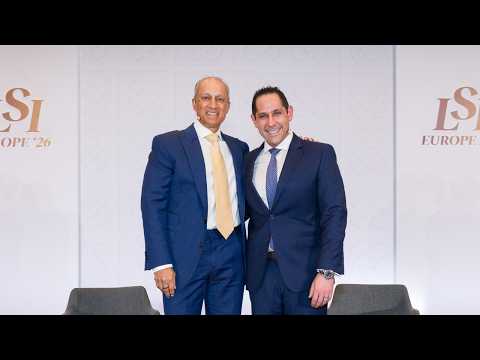
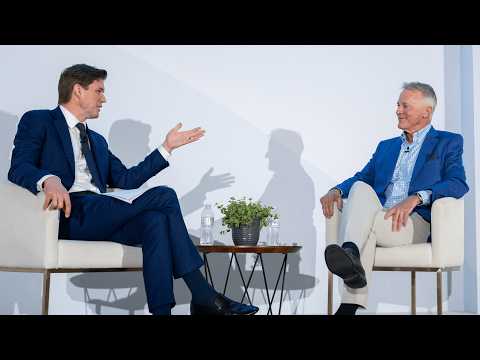
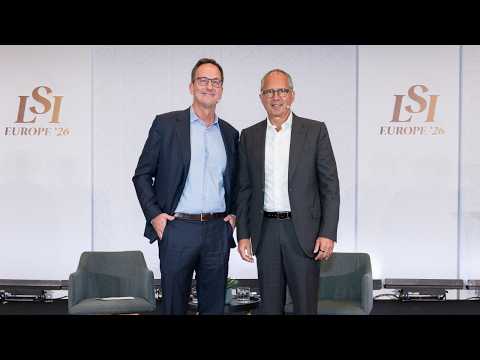
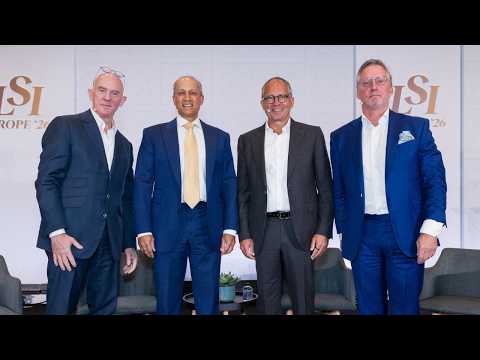
Good morning, everyone. I'm Alessio Beverina. I'm one of the Founder and Managing Partner of panakas Partners, which is a venture capital firm based in Milan. I randomly do moderating panel, which is not my first job, so apologies for the crazy things. I try to ask these senior individuals expert in their domain, in the venture capital, in particular, on a domain which is on a sector, on a subject which is particularly of interest Europe and US, right difference, Trent, investment funds, difficulties, issue, exit, etc. So I will try to manage all these in 40 minutes. Try to be a little bit controversial, because otherwise and the first day of the conference get get, you know, tired, so I tried to make a little bit more dynamic. I hope my colleagues will let me know. So I'll let each of you present yourself, starting from my left.
William Dai 1:11
Okay, yeah, I'm a William Dai, yeah. Thank you for LSI kind invitation. So we are based in the Bay Area, Palo Alto so Shan Bae capital and management partner, and Shan Bay capital has been operation for the past 10 years. We have had, we have invested in 73 companies so far, and we have had 11 exits, and we got three companies ready for IPOs, and we have just raised phone five. And I'm very happy to be here and to share our experience with our panelists and audience.
Fernando Pacheco 1:53
Thank you. So my name is Fernando Pacheco. I'm a partner with endeavor vision, which is a growth stage focused Med, tech, VC, based in Geneva and Switzerland. I don't know the stats at the top of my head, but they're not as good as us. So I won't, I won't. I won't start there on purpose, perhaps, but we invest in both Europe and the US right now, it's about two thirds us, 1/3 Europe. And I think it's, it's an interesting topic for sure, to talk about
Murielle Thinard McLane 2:25
your Murielle Thinard McLane. So I head up intuitive ventures. We are much younger than you are, about five years old, managing two 50 million asset on the management we invest early through growth and both US Europe. We have about a third of our portfolio in Europe. So happy to be here.
Josep Ll. Sanfeliu 2:46
Good afternoon, everyone. I'm Josep Sanfeliu. I'm the managing partner and co founder of Savas partners. It's a venture capital firm based in Barcelona. We manage 400 million euros, approximately under management in med tech and biotech. So you hybrid models. We try to invest in everything that has a clinical impact. So focus on therapeutic approaches for innovation. I've been in the medical device investment arena for 15 years, instead of my career back at these shows capital, where I started investing in companies like Endo sand or stagnostica or other companies severe Rex in the US, this is typically what I've been doing in the last years. And recently, today, we announced the type of investment we like to do, which is the investment in safe Hill, together with sofinova, which is a really implantable device, in this case, for colorectal cancer post surgery to avoid the complications of an anthropology so this is the type of investment we do. We're here to just sharing experience and obviously getting to know other entrepreneurs and projects that we might be interested in in the same space. So thanks everyone.
Alessio Beverina 3:56
So thanks everyone. So you understand we have a panel of venture capital from the corporate from Europe, from the States, from Europe invest in the state. So let me give you short numbers right about Europe and the United States. To let just put the figure in the states in 2024 in Medtech. 13 billion has been invested Europe is about 2 billion. So a sixth of it, the size of the round in the States is probably much larger in the US than in Europe, right, multiplied by 15 in average the stage of the rounds. You know, we we see that Europe, the around the smaller, but in particular, when you go later stage, they are still smaller, if you compare to the American one, which are hundreds of million even in metech, we saw these kind of things particularly nicely invited in metech are super large. Then the last. Point, which is the exit right in in the States, as you know, there are most of the fire from the Boston Metro entity, etc, etc. In Europe, there are not many. And if you look at the exit, in the latest years, there have been not many, as we know, unfortunately, but still, you know, even at the beginning of the year, there were a couple of IPO like kenstra, meta, Bionics, Tempus, AI, Omid, etc, and some of major MNA, while in Europe, still a contact two, Right? Steve by both by American cop. So lots of difference. But what is the major reason of this difference is about the technology that you see, or the entrepreneur that you see, of the investor that you see, the ambition of the both entrepreneurs. So let's start with the easy one that relate to you. What about the investor? How do you see the attitude of the investor, or the capacity of this investor to invest, different between the two major region?
William Dai 6:12
Yeah, I always say, I think, since we are based in San Francisco Bay area, so it's more kind of herb of innovation. So the whole ecosystem, I think, really encourages people to be more creative, more innovative. And so certainly, there is a lot of money surrounding that. So it's been, you know, history in the Bay Area. I think we are very fortunate to be in that ecosystem, so that we have opportunity to see so many great minds and a great technologies, a great innovations. And plus, I think people are willing to take a risk and in putting money with those entrepreneurs. So I always say, in the US, probably people are more, you know, used to the kind of ecosystem which we, you know, take a risk, and they try to, really, I think, put money to try to make some technology to become a reality. So versus Europe, Europe, I am not so familiar with Europe, but I think Europe probably more from government perspective, there's not much big VC fund, really, to support the innovation and but I think so from our side, from us, we are very fortunate to be able to to engage and to invest in some best technologies.
Fernando Pacheco 7:53
I mean, I think on our view, I agree with all that blame. I think on our Medtech is a kind of a weird space, right? Pharma isn't quite like that, where 50% of the global Medtech market is in one country, in the US, right? That's, that's pricing related. You can call it ineffective reimbursement scheme over there, too. Effective reimbursement scheme over here, right? But it's, it's very weird, I think, across segments in industry that you have such a concentration or such a disproportionate importance of one market relative to others. And there's brilliant innovation here. There's brilliant innovation there. But if, if we want to scale these technologies and bring them to as many patients as possible, you there's, it's very hard to do a story that doesn't involve us commercialization, because more likely than not, that's, you know, you're not making things at scale, and therefore your cogs are going to be high. And at least you can survive on an okay gross margin with a US ASP in a way that you could never do once you go through a, you know, European NHS, tender et cetera, thing in the early days. Eventually you'll get there. So it's, you know, I hear you. There's a cultural aspect, for sure, but I think we're in the med tech industry. The Medtech industry is 50% of is in the US and so whatever stories we look at, whether it's a European company, whether it's a US company, almost every single time you have to have a what's going to be the US opportunity for this? Otherwise, it's going to be hard to get the attention of the strategics as well, as you said at some point, right? So I think that plays a really big role that we should acknowledge.
Murielle Thinard McLane 9:31
So to add to that, I think SUD, one from an investor ecosystem you have, obviously the exits are all associated to acquisition or IPO. Really hard to IPO in Europe. So the liquidity is in the US. Therefore the fund that are doing the crossover are in the US, the N on the strategic side, most of the larger strategic outside of Philips and. Siemens are actually American. So you have late stage is very much us focus. I would say Fernando. You're one of the few with Gilder who are in that growth stage, and luxera and then that are sizable and that are in Europe. And so that drives a certain market dynamic. So the to your point, 60% of the market is us, I would argue, in bio pharma, it's the same thing, but you have European strategics, you can do exits in other markets. So that creates a very different dynamic. So late stage is very dynamic in the US, the funds, therefore size appropriately with larger asset under management, and have a lot more flexibility in what they can do than in Europe. Now, on the European side, and I'll go to government funding allows to have a very dynamic, early stage market. And so as US based and the same place as William in Palo Alto, I actually think it's really important to come in and see the night dynamism. There are certain industry I will going to talk about robotics, even though that's not an area that we necessarily invest, even though I'm in Twitter ventures, but it's very dynamic in Europe. Why? It's very capital intensive having access to that non dilutive funding allows you to be a lot more innovative in that area than you would be able to in the US on the early stage. So I think there's pro and cons to both markets, and it's really understanding where you need to go to find the type of investors that are relevant to your stage?
Josep Ll. Sanfeliu 11:43
Yeah, probably would like to add a different, more institutional, political when we talk about investors, we talk about money owners, money managers, GPS, LPs, we are on the same boat. I don't see any of my investors here, but I talk to them very often. It's like we are on the same boat when we look at the investor community and the sentiment and the way we operate in Europe and the US, that's changing completely the way we look at investments as GPS, we have to obviously consider factors like risk, time to exit. We're looking for the return, the financial and the disbursement and reimbursement back to investors. But also we have a situation with Europe, GPS, the money owners, the guys that manage private funding, but also public funding, like eaf, which is doing a great job in Europe, and many other institutions. We have to understand that Europe, and that's in the Draghi report, and that's in so many statistics about the private available money for innovation is super limited. You said six times one, six of what is invested in Europe in med tech, unless you mentioned during the introduction. Yeah. But if you look at how much of that percentage is available for private investment money to innovation in Europe, it's not even a it's not even probably a 10th. So there's something that there has to change. I don't see we are in a right competitive manner. It's not that they want more public money, which obviously is always welcome, but Europe has to play this additional layer of supporting managers of investment in innovation, like any of us in this in this room, and some of the guys here in the room that compensate for the lack of risk less averse innovation resources. So we can invest in areas in which the European Union has still a lot to offer to the world. In medical research. Actually, in April, the economies had a very interesting publication which I can send you, or you can, you can just look for it, where he had some the peer review journal publications in which areas was still by the origin and nationality of the public publishers or the authors, which areas where we are still competitors, or competing with enough advantages in front of China, the US as Europeans. And it's not surprise, and that is why, still the industry is here. We still were raising money. We still investing in the future of medical research. Because clinical medicine, it was clinical medicine, biology, neurosciences, etc. There were like three or four categories, compared to material science, compared to AI, compared to computer science, compared to other areas in which Europe still has a scientific advantage. We need the funding for that. So that difference in between Europe and US from investor perspective, which affects a lot of you in the room, because it's hard to raise money, it's hard to talk to investors. It's hard for the investors take, to take big bets when you have a market which is fragmented with MDR, which became a headache for a long time, for too long, too much of a long time, it's impossible that we have the same views on how to invest. I understand Americans invest in a different way, because I. Market, the push of their capital, private capital available to invest in this type of businesses is 10 times bigger. So no, it's not. It's not a surprise to see that we are so we will establish, will still invest, we will still advocate for the European Union and and state sponsored instruments to invest innovation, obviously in collaboration with the private investment. But of course, if we don't have that additional layer to compensate what the private money cannot do, we will be like 4054, or five of us in Europe doing investments, and, you know, a bunch of companies not looking, not getting funding. And it
Fernando Pacheco 15:38
sometimes isn't just EIF, or, you know, BP in France, it may not be direct investment. Sometimes it's simple. Regulation changes around, you know, pension funds, for example, right? They've changed some of that here in the UK, I believe, but they kept it to the UK citizen, those who did it recently, right? Changing the mix of what can be allocated to riskier but longer term assets, classes of assets, such as, such as venture
Alessio Beverina 16:05
it is, you know, a very, you know, I think in each country, we have discussion with government in order to push the private money, even from pension fund, to go into innovation, venture Capital, startup and etc. And you know, because we know that this money today is going from Europe to United States. And the only reason they go to United States because the performance of the public market, or at the m&a again, because there is more seismic and the public market is there. Europe is below the water, etc, etc. It's exit. But I'll go back to my first point, right Europe and the US you have been investing, apart from William E Europe and US right in start up here and there, a different stage of the company, early stage, later stage, etc. How do you see the counterpart, the other, VC, the from the American perspective, the European one, and from the European one, the US one. How do you see them behaving differently from you, on the day by day, once the investment is done?
William Dai 17:19
Yeah, it's a very good question. So, yeah, for us, I think, you know, we, we try to actually invest in company close by, you know, I think you read off of some more opportunity for us to get to meet startups, CEOs and entrepreneurs, and
Alessio Beverina 17:41
60 kilometers away from,
William Dai 17:43
yeah, I I think, you know, we validate, we invest. I think the most companies in the Bay Area, I always say 100 Yeah, another 100 you know, I think we, we also invest in some of the areas. So, so 95% of our preferred companies in base in the US, and a couple of in Canada. And when you New Zealand wing China, that's it. And so we haven't made any investment in Europe yet.
Alessio Beverina 18:10
Are you invested with European Yeah,
William Dai 18:13
well, well, I think so. We start looking at some projects. We, we actually, we, we do see a lot of great companies in Europe and Germany, UK and France, but I think we are kind of still reluctant to put money into European company because it's really too far away. Okay, and and also, I think as as we discuss, I think a lot of you know, we really focus on some of the entrepreneurs. They have prior experience in working with a big medical device companies in the US. And you know, a lot of times we were seeing that those with experiences in working with the big corporations, they usually, I think their focus areas make more sense and, and I think that they are close to strategics. They know what they need and, and I think so, but in the future, so we will keep looking for opportunity in the UK and Germany and in the EU, and I think we don't rule out the possibility to invest in
Alessio Beverina 19:32
Europe, yeah. But frankly, 20 years ago, I could agree with you, but nowadays we conference like LSI internet easy assets to the corporates, because they have the BD running around all over the place and and CVC, well, we have an example with intuitive here, right? So there is more assets to the companies and the corporate. It. But most art can aspects. So it's easier to if you are good at and finding and you have the right product, and say it right. So it's easier. So I don't see why. You know, cannot invest in Europe and your side. But anyway, so,
Josep Ll. Sanfeliu 20:17
but let me. Let me. How do you say you me? I mean, we are investors in Europe. So we can, we can understand that there are two markets, two global markets, Europe and the US. And we see investments from the side of European. Well, we do some us. We have couple of years investments in, I've been in the board of companies in the US and but I also get why you already can suddenly look at the European Union, and if you do a pure financial evaluation of the projections that you had a discount rate on the on the model, in a continent with more population, we have 27 markets where you have to have talks With all the reimbursement players, I can see, how rational can it be to assign an additional layer of risk to these investments in Europe just because we have a van was saying, not an integrated system of integrated payers, integrated, not even integrated. Well now we have
Alessio Beverina 21:18
that say, you know, there are startups in Europe that and since MD R, as you mentioned before, which is a disaster, so for a particular class or medical device, not for all right, most of our company goes directly to the US because of the reason that you mentioned guys before. And larger market, larger corporates, they value FDA more than MDR, blah, blah, blah, okay, we all agree in that, but it doesn't mean that Europe doesn't not have the great technology that we are financing, right? And the reason why, I don't see any reason why an American BC cannot come to Europe where the price are much lower than a Silicon Valley and again, and find an amazing technology and say, Well, fantastic, great. And let's focalize the company efforts to get the FDA clinical and commercial in the state. Sorry, fuck Europe on the commercialization, right? Who cares? Because of so
Murielle Thinard McLane 22:20
on that one, sure. And I do that right, that means I'm on a plane 12 hours. Sure. I know, I know, every month, to William's point, if there's an ecosystem that's around that has companies in the 60 kilometers, it's better parameter. It's a little easier. So yes, they are zoom and we do that, but you don't get the same depth.
Alessio Beverina 22:43
But that's my question. What makes you different when you are evaluating a new European company comparable with an American company?
Murielle Thinard McLane 22:53
What was the State community to be superior? If it's in Europe, because I need to travel there, it must be
Alessio Beverina 22:59
superior, right? No, but there is valuation. There are a lot of parameters, and sometimes the card you are done much cheaper, right? Engineer call
Murielle Thinard McLane 23:11
advantage can be better pricing. The question then becomes the management team and making sure, depending on what stage they're at, that they think about the US market, right? But that's part of the key criteria. I would say, for an American investor, those are like any other I would say you need a big market, you need a good team, and you need a good technology wisdom up fine, but then when you're traveling across the pond, it's a big pond. It needs to also be at significantly better price or with a significantly better technology, because you're taking that additional risk, and they're not within the US, so you're far away from sort of the Kol the health care system, the reimbursement, so, yes, may know it, yet you're still a little further removed. And that's what we bring to the table. Is that knowledge right
William Dai 24:05
now, I think a look at stats, right? So only 5.4% of medical device startups eventually can exit, even through, you know, merge acquisition or IPO. So basically, in the US, only one out of 20 companies can eventually be successful, right? So, as you said, you know, unless you know the startup in Europe has tremendous, you know, advantage, or you know, superior technologies can attract invest from us. Otherwise, you know, we kind of it's really hard for us to manage.
Alessio Beverina 24:50
Is it really right? We understand it?
Fernando Pacheco 24:55
Yeah, I will say, I think at least people that have been in med, device, pre, MDR. Are right from the States. You know, I think Europe has probably the most innovative group of doctors in the world. Still, I don't know if that's still the case, but, you know, the amount of inventions, whether it's in spine surgery, whether it's, you know, transcatheter heart valves, it all came out of Europe, often France, by the way, where they have some of the craziest surgeons, but, but it's, it's a lot of people who've been in Medtech for long enough still know that and remember that and appreciate that. I think, up until MDR, a lot of you know early clinical work was on here, absolutely right? And so people who've been doing this long enough still remember that. So I think from the US side, at least the interactions I have, I don't see it any different with US investors in how they look at Europe. I do think that they and frankly, like we share this view is that commercializing in Europe can be, or is, more often than not, not the right thing to do in the early stages. And we all make that mistake time and time again. It's just often not worth it initially, and it sucks, especially if you're you know, if you're French company and you're not commercializing in your local market with the KOLs that help you got there, and sorry, we're not commercializing right now. We did the click. It's a really hard thing to say no to those people, right? But economically, the road unfortunately goes to the US first before it comes back to Europe.
Alessio Beverina 26:25
So how do you see the difference? Put yourself with your Swiss CC flag, if you're not, and you compare yourself on the attitude, day by day, in the operation, at the operation, on the board level of the company compared to your American colleagues of other funds. How do you work? How do you see the major difference on apart from the quantity of money that they can
Fernando Pacheco 26:52
deploy, compared to you? I see it's a small difference, but I suspect, and this, there may be legal situations around this, but my sense is board members and board conversations in Europe are perhaps more transparent. And you know, you know that the Delaware law issue around, you know, board members are putting the common shareholders versus, you know, the preferred stock, etc, etc. That issue is still also true in Europe, but people take it way less seriously, I find than than in the US, where it's people are really careful about that, and that limits a little bit, I think so. They're like breeze perhaps that limits a little bit, you know, the conversation that you know. I think it perhaps on board levels, at least, our experience in Europe is you can get things done faster, because people get scared of those things. Then in the US, where there's a lot more, takes longer to get to those, some hard decisions sometimes, or
Alessio Beverina 27:52
yeah, you're French, but living in the States, working for American, tell us the truth.
Murielle Thinard McLane 28:01
I so I would say I was trying to reflect on that. I think on the early stage, I found us investors to be more impatient than European investors on the board and chambers, impatient the one thing so very focused, let's go fast to get to the next stage, especially because, I mean, now we're starting to see again, more deals on the early stage, but in the US, there was really a challenge in the early stage in terms of financing. So you better go through that def, you know, the valley of death before you get to pivotal in the crow stage, Frank, I don't see a lot of differences across the board. So I don't know if it's because I'm French, living in America, but working with an endeavor or with, you know, healthquests is not that different. You know, the KPIs are the same. The way to think about the good market, how to get the growth, we're all looking to the same KPI. So I would say see more difference on the organization, the
Alessio Beverina 29:11
on the early stage. You mean that Europe are afraid of getting the company go bankruptcy? Yes, so they prefer to keep it them alive.
Murielle Thinard McLane 29:20
It is regulatory, right? I mean, if you need to lay off people, it's really harder here than it is in the US. In the US, you can say, Okay, I need to extend
Alessio Beverina 29:30
that the killer experiment. Yeah, Bunny,
Murielle Thinard McLane 29:33
and so you kill it quickly, or you can reduce the size of a company a lot faster in order to extend the runway to get to your milestone. Here it's a little harder.
Alessio Beverina 29:43
And in Europe, you can get assets from public money that can sustain the company a little bit longer. But it's
Murielle Thinard McLane 29:52
a it's a double edged sword, right? Because of that, you get to have really interesting technology that would never be developed in the US. Uh, to Fernando's point. I think MDR changed a little bit that, unfortunately.
Fernando Pacheco 30:05
But there's another thing too that I think is worth mentioning on that is, is there's better awareness amongst the entrepreneurs in the US of how to raise money, because it's, it gets, maybe gets taught in kindergarten, I don't know, right, but, but it's, it's like, it's, it's a or even a medical device development. I more often see things here. There are some incredible technologies coming for university in research. They kind of, it's kind of looking for a problem to solve, right? Even though they won't. Some people won't admit it. Initially, there's a lot of that happening, I think in the US, with things like Biodesign, right? We're really starting on the unmet need. That's a discipline that I think we haven't gotten here yet, and it's just maybe it's the way the research gets funded, right? They know, for in the US, you know that for it to be successful, it has to be a viable business opportunity, even as a research project here, you can survive off of stuff. I don't know but, but, you know, I see it's just as an investor, it's so much easier to evaluate an opportunity when they follow, you know that Biodesign type structure, right, unmet need, etc, etc. It's and if you're trained, versus starting, this is a really cool technology, right? When you're, if you're preparing your work, and how you think, like that, it makes it much easier for me to come to, or our team to come to this decision.
Murielle Thinard McLane 31:23
And I think that's the difference. So in the US, we have both. We have the fundamental research with the well, you used to with the NIH grants, yeah, we changed a little bit, but we used to have fundamental research that didn't need to be a business. But then you have a whole ecosystem to your point of seed fund that are really focus on solving and business unmet need in addition to clinical whereas in Europe, I felt those lines are a little bit
Fernando Pacheco 31:47
more blurry. We're shy to admit that right that to scale technology, it needs to be a good business. Yeah, in
Josep Ll. Sanfeliu 31:54
the experience, just to add something a little bit along the lines or what has been said is that the teams in execution are much more trained for that. So I've seen innovation which probably is not as good as competitive innovation in Europe that's perfectly executed. I'm not saying that's worse. It's just saying that the execution was perfect. So sometimes is, you know, is what they say, No, so and so idea with an amazing team. Sometimes is better than a great idea with a poor team, right? So this track record of execution capacities in the US teams also gives a lot of comfort at the board level when you are sharing a board level with other US investors. And this is something that I would also like to stress that we try to bridge this gap, bringing a lot of us talent to European companies. And we have several companies. We have us board members, US executives, and this is part of the work as investors we need to do, which is bringing and help bringing which, which, with all that that means, which means it's not only salaries, policies around salaries in companies in Europe, which we have to it's a critic that we have to also apply to ourselves. Sometimes we have, we want to sell ourselves up cheap startups, right? And we don't have to think about we are less labor, expensive. No, no. We have to bring talent from wherever the talent comes from. But that is one thing, and the other thing, it's when then we have these US investors. Also, I would say that the difference is, when you have a US, corporate investor, a strategic in the board of a European company, you then see how they appreciate that. There's no difference when they are sitting in the board. We are all sitting in the board. There's no difference that science is top notch. The clinical capacity the company or the product or solution is, is a good one. So I think it has it's much more a matter of how perceive talent is. The talent around the companies is and and therefore we are, like, more shy the European company. So, and if you're shy, US investors are not used to shy. CEOs, and shy so it's like everything gets so I think we have an opportunity, again, transatlantic opportunity, to mix up more talent among pumped and that can probably make flows of capital and probably align US and European investors. Apart from that. Well, of course, there's one topic, which is probably it's harder for us as investors in Europe to close down companies, for sure, the early kill concept in the USF, it's hard to see in Europe, you do your best to keep them, not alive, but you always see a hope. We just had an issue in one of our companies. It took us a lot of time, too much time, but sometimes it's regulations in Europe to bankrupt and to and sometimes it's just, I don't know, I'm Mediterranean. I might get more emotional some of the things I'm doing.
Alessio Beverina 34:50
So come back to the title of discussion. Katz are in talking about Europe in the US a lot, right? The title of these today meeting was. Wrong trends. So can you give us a little bit about sector, and also stage what you the trend that you see in your investment, in Europe, in the States, or whatever you do? Yeah? And don't tell me, just AI, yeah?
William Dai 35:15
I know, yeah. So
Alessio Beverina 35:18
everybody knows about that. Yeah.
William Dai 35:20
I think so every company really tries to integrate something, some AI technology, into their project. So, yeah, we are more, I think seeing that, you know, neuro moderation is very hot, so a lot of companies, I think we have invest in quite few neuro moderation and structure Hart and the vascular so there are a lot of startups working on vascular sectors and digital health. And I think it's very exciting to see some of great technologies to be emerging. And so
Alessio Beverina 35:59
not just the one that are selling drugs for obesity or for the men with issues, right?
William Dai 36:05
But the market has been very tough for the past three years, and for you know, most of you know, startups are struggling, but I still am seeing that the best you know companies, they still can manage to raise money. And so for the first half of this year, so we got 10 companies to be able to raise money. And in 2023 2024 we got a 24 company got financed.
Alessio Beverina 36:38
But it was easier the later phase or earlier stage in these three last three years, mixed.
William Dai 36:44
You know, I think the early stage is always difficult, right? So, because there are a lot of risks involved, and so there are many, there are not many investors actually invest in early stage. So, so we are one of
Alessio Beverina 37:00
which, on the opposite what we have in Europe. We have a lot of early stage, yeah, not many later stage, but, yeah, apart from free number, right?
William Dai 37:10
Yeah, but, but it's all I say is, I think it's, it's been very challenging, and so there's no liquid. There almost no there have not being many liquidity events, right? So LPS don't have cash to reinvest with, with, with VCs. VC have complete that deployment, and they don't have cash
Alessio Beverina 37:35
either. So we have one minute to have 40 minutes, yeah.
William Dai 37:38
So 40 seconds Yeah. I always say, you know, I think about, I think things is getting little better. And I think US market, second market is getting very strong. They got truck record pie yesterday. Hopefully that will help. You know, tee is early stage investment.
Fernando Pacheco 37:56
I won't talk about sectors. I think there's one thing that Europe is starting to wake up around defense, and allocating money to and budgets to defense, and I think in the US, across a number of different therapeutic areas, what's in robotics, whether it's in orthopedics, companies have been really good at exploring, you know, DARPA, BARDA, all of these different pots of money that come from the Defense Department in the in the US, it's not for everyone, but I think that in Europe, there's probably pots of money in that that were previously wouldn't even want to talk about it. I think we can start talking about it as well. So I think that that's an area that should be, should be interesting for us to think about, unfortunately, frankly. But it is what it is.
Murielle Thinard McLane 38:40
I've seen a lot of money chasing the same deals. So late stage, very competitive. There's no I mean, the IPO market is starting again a little bit this year, still bet. But there are a lot of companies that are in the funnel that should be IPO ready, at least in the US, because they're past a 70 mill rev, and their good growth. And so you see a lot of recapital, not recapitalization, but financing happening instead of IPOs on the early stage. It's tough. So what we've done a lot is deals that are actually getting us through milestone and value, value, infection points, getting us through pivotal so really large, you find us all the way, all the way with a larger you find the right grade. And so that's where in the US it's easier, because you have more of those people that can get around the table with larger pool of money, but that can put, you know, 70 100 mil to that, think I looked recently from a PMA to exit is 10 years and 89 mil. Yeah, so you were sort of looking at ways to pass that valley of death through those sort of milestone based. Types of deals.
Josep Ll. Sanfeliu 40:02
And just to finalize, we had no time with the three areas or hot areas. We really pay attention at based on the trends. But this changes a little bit from time to time. But now it's we are very focused on Neurotechnology, material sciences and robotics, and these three areas, you can sub develop them into areas like cardiovascular and the different applications these three areas, should we pay attention to fundamental science and research in those areas that then have an application, cardiovascular, in oncology, in different areas? But these are the three areas we're just paying attention obviously, all of them with the painting of AI. You know? It's like a layer of AI that covers everything and is everywhere and a little cartoon.
Alessio Beverina 40:44
So that's our thanks a lot. I don't know if I have time for question. Do I No? Thank a lot for your attention. Hopefully, in guard you.
Alessio Beverina 0:05
Good morning, everyone. I'm Alessio Beverina. I'm one of the Founder and Managing Partner of panakas Partners, which is a venture capital firm based in Milan. I randomly do moderating panel, which is not my first job, so apologies for the crazy things. I try to ask these senior individuals expert in their domain, in the venture capital, in particular, on a domain which is on a sector, on a subject which is particularly of interest Europe and US, right difference, Trent, investment funds, difficulties, issue, exit, etc. So I will try to manage all these in 40 minutes. Try to be a little bit controversial, because otherwise and the first day of the conference get get, you know, tired, so I tried to make a little bit more dynamic. I hope my colleagues will let me know. So I'll let each of you present yourself, starting from my left.
William Dai 1:11
Okay, yeah, I'm a William Dai, yeah. Thank you for LSI kind invitation. So we are based in the Bay Area, Palo Alto so Shan Bae capital and management partner, and Shan Bay capital has been operation for the past 10 years. We have had, we have invested in 73 companies so far, and we have had 11 exits, and we got three companies ready for IPOs, and we have just raised phone five. And I'm very happy to be here and to share our experience with our panelists and audience.
Fernando Pacheco 1:53
Thank you. So my name is Fernando Pacheco. I'm a partner with endeavor vision, which is a growth stage focused Med, tech, VC, based in Geneva and Switzerland. I don't know the stats at the top of my head, but they're not as good as us. So I won't, I won't. I won't start there on purpose, perhaps, but we invest in both Europe and the US right now, it's about two thirds us, 1/3 Europe. And I think it's, it's an interesting topic for sure, to talk about
Murielle Thinard McLane 2:25
your Murielle Thinard McLane. So I head up intuitive ventures. We are much younger than you are, about five years old, managing two 50 million asset on the management we invest early through growth and both US Europe. We have about a third of our portfolio in Europe. So happy to be here.
Josep Ll. Sanfeliu 2:46
Good afternoon, everyone. I'm Josep Sanfeliu. I'm the managing partner and co founder of Savas partners. It's a venture capital firm based in Barcelona. We manage 400 million euros, approximately under management in med tech and biotech. So you hybrid models. We try to invest in everything that has a clinical impact. So focus on therapeutic approaches for innovation. I've been in the medical device investment arena for 15 years, instead of my career back at these shows capital, where I started investing in companies like Endo sand or stagnostica or other companies severe Rex in the US, this is typically what I've been doing in the last years. And recently, today, we announced the type of investment we like to do, which is the investment in safe Hill, together with sofinova, which is a really implantable device, in this case, for colorectal cancer post surgery to avoid the complications of an anthropology so this is the type of investment we do. We're here to just sharing experience and obviously getting to know other entrepreneurs and projects that we might be interested in in the same space. So thanks everyone.
Alessio Beverina 3:56
So thanks everyone. So you understand we have a panel of venture capital from the corporate from Europe, from the States, from Europe invest in the state. So let me give you short numbers right about Europe and the United States. To let just put the figure in the states in 2024 in Medtech. 13 billion has been invested Europe is about 2 billion. So a sixth of it, the size of the round in the States is probably much larger in the US than in Europe, right, multiplied by 15 in average the stage of the rounds. You know, we we see that Europe, the around the smaller, but in particular, when you go later stage, they are still smaller, if you compare to the American one, which are hundreds of million even in metech, we saw these kind of things particularly nicely invited in metech are super large. Then the last. Point, which is the exit right in in the States, as you know, there are most of the fire from the Boston Metro entity, etc, etc. In Europe, there are not many. And if you look at the exit, in the latest years, there have been not many, as we know, unfortunately, but still, you know, even at the beginning of the year, there were a couple of IPO like kenstra, meta, Bionics, Tempus, AI, Omid, etc, and some of major MNA, while in Europe, still a contact two, Right? Steve by both by American cop. So lots of difference. But what is the major reason of this difference is about the technology that you see, or the entrepreneur that you see, of the investor that you see, the ambition of the both entrepreneurs. So let's start with the easy one that relate to you. What about the investor? How do you see the attitude of the investor, or the capacity of this investor to invest, different between the two major region?
William Dai 6:12
Yeah, I always say, I think, since we are based in San Francisco Bay area, so it's more kind of herb of innovation. So the whole ecosystem, I think, really encourages people to be more creative, more innovative. And so certainly, there is a lot of money surrounding that. So it's been, you know, history in the Bay Area. I think we are very fortunate to be in that ecosystem, so that we have opportunity to see so many great minds and a great technologies, a great innovations. And plus, I think people are willing to take a risk and in putting money with those entrepreneurs. So I always say, in the US, probably people are more, you know, used to the kind of ecosystem which we, you know, take a risk, and they try to, really, I think, put money to try to make some technology to become a reality. So versus Europe, Europe, I am not so familiar with Europe, but I think Europe probably more from government perspective, there's not much big VC fund, really, to support the innovation and but I think so from our side, from us, we are very fortunate to be able to to engage and to invest in some best technologies.
Fernando Pacheco 7:53
I mean, I think on our view, I agree with all that blame. I think on our Medtech is a kind of a weird space, right? Pharma isn't quite like that, where 50% of the global Medtech market is in one country, in the US, right? That's, that's pricing related. You can call it ineffective reimbursement scheme over there, too. Effective reimbursement scheme over here, right? But it's, it's very weird, I think, across segments in industry that you have such a concentration or such a disproportionate importance of one market relative to others. And there's brilliant innovation here. There's brilliant innovation there. But if, if we want to scale these technologies and bring them to as many patients as possible, you there's, it's very hard to do a story that doesn't involve us commercialization, because more likely than not, that's, you know, you're not making things at scale, and therefore your cogs are going to be high. And at least you can survive on an okay gross margin with a US ASP in a way that you could never do once you go through a, you know, European NHS, tender et cetera, thing in the early days. Eventually you'll get there. So it's, you know, I hear you. There's a cultural aspect, for sure, but I think we're in the med tech industry. The Medtech industry is 50% of is in the US and so whatever stories we look at, whether it's a European company, whether it's a US company, almost every single time you have to have a what's going to be the US opportunity for this? Otherwise, it's going to be hard to get the attention of the strategics as well, as you said at some point, right? So I think that plays a really big role that we should acknowledge.
Murielle Thinard McLane 9:31
So to add to that, I think SUD, one from an investor ecosystem you have, obviously the exits are all associated to acquisition or IPO. Really hard to IPO in Europe. So the liquidity is in the US. Therefore the fund that are doing the crossover are in the US, the N on the strategic side, most of the larger strategic outside of Philips and. Siemens are actually American. So you have late stage is very much us focus. I would say Fernando. You're one of the few with Gilder who are in that growth stage, and luxera and then that are sizable and that are in Europe. And so that drives a certain market dynamic. So the to your point, 60% of the market is us, I would argue, in bio pharma, it's the same thing, but you have European strategics, you can do exits in other markets. So that creates a very different dynamic. So late stage is very dynamic in the US, the funds, therefore size appropriately with larger asset under management, and have a lot more flexibility in what they can do than in Europe. Now, on the European side, and I'll go to government funding allows to have a very dynamic, early stage market. And so as US based and the same place as William in Palo Alto, I actually think it's really important to come in and see the night dynamism. There are certain industry I will going to talk about robotics, even though that's not an area that we necessarily invest, even though I'm in Twitter ventures, but it's very dynamic in Europe. Why? It's very capital intensive having access to that non dilutive funding allows you to be a lot more innovative in that area than you would be able to in the US on the early stage. So I think there's pro and cons to both markets, and it's really understanding where you need to go to find the type of investors that are relevant to your stage?
Josep Ll. Sanfeliu 11:43
Yeah, probably would like to add a different, more institutional, political when we talk about investors, we talk about money owners, money managers, GPS, LPs, we are on the same boat. I don't see any of my investors here, but I talk to them very often. It's like we are on the same boat when we look at the investor community and the sentiment and the way we operate in Europe and the US, that's changing completely the way we look at investments as GPS, we have to obviously consider factors like risk, time to exit. We're looking for the return, the financial and the disbursement and reimbursement back to investors. But also we have a situation with Europe, GPS, the money owners, the guys that manage private funding, but also public funding, like eaf, which is doing a great job in Europe, and many other institutions. We have to understand that Europe, and that's in the Draghi report, and that's in so many statistics about the private available money for innovation is super limited. You said six times one, six of what is invested in Europe in med tech, unless you mentioned during the introduction. Yeah. But if you look at how much of that percentage is available for private investment money to innovation in Europe, it's not even a it's not even probably a 10th. So there's something that there has to change. I don't see we are in a right competitive manner. It's not that they want more public money, which obviously is always welcome, but Europe has to play this additional layer of supporting managers of investment in innovation, like any of us in this in this room, and some of the guys here in the room that compensate for the lack of risk less averse innovation resources. So we can invest in areas in which the European Union has still a lot to offer to the world. In medical research. Actually, in April, the economies had a very interesting publication which I can send you, or you can, you can just look for it, where he had some the peer review journal publications in which areas was still by the origin and nationality of the public publishers or the authors, which areas where we are still competitors, or competing with enough advantages in front of China, the US as Europeans. And it's not surprise, and that is why, still the industry is here. We still were raising money. We still investing in the future of medical research. Because clinical medicine, it was clinical medicine, biology, neurosciences, etc. There were like three or four categories, compared to material science, compared to AI, compared to computer science, compared to other areas in which Europe still has a scientific advantage. We need the funding for that. So that difference in between Europe and US from investor perspective, which affects a lot of you in the room, because it's hard to raise money, it's hard to talk to investors. It's hard for the investors take, to take big bets when you have a market which is fragmented with MDR, which became a headache for a long time, for too long, too much of a long time, it's impossible that we have the same views on how to invest. I understand Americans invest in a different way, because I. Market, the push of their capital, private capital available to invest in this type of businesses is 10 times bigger. So no, it's not. It's not a surprise to see that we are so we will establish, will still invest, we will still advocate for the European Union and and state sponsored instruments to invest innovation, obviously in collaboration with the private investment. But of course, if we don't have that additional layer to compensate what the private money cannot do, we will be like 4054, or five of us in Europe doing investments, and, you know, a bunch of companies not looking, not getting funding. And it
Fernando Pacheco 15:38
sometimes isn't just EIF, or, you know, BP in France, it may not be direct investment. Sometimes it's simple. Regulation changes around, you know, pension funds, for example, right? They've changed some of that here in the UK, I believe, but they kept it to the UK citizen, those who did it recently, right? Changing the mix of what can be allocated to riskier but longer term assets, classes of assets, such as, such as venture
Alessio Beverina 16:05
it is, you know, a very, you know, I think in each country, we have discussion with government in order to push the private money, even from pension fund, to go into innovation, venture Capital, startup and etc. And you know, because we know that this money today is going from Europe to United States. And the only reason they go to United States because the performance of the public market, or at the m&a again, because there is more seismic and the public market is there. Europe is below the water, etc, etc. It's exit. But I'll go back to my first point, right Europe and the US you have been investing, apart from William E Europe and US right in start up here and there, a different stage of the company, early stage, later stage, etc. How do you see the counterpart, the other, VC, the from the American perspective, the European one, and from the European one, the US one. How do you see them behaving differently from you, on the day by day, once the investment is done?
William Dai 17:19
Yeah, it's a very good question. So, yeah, for us, I think, you know, we, we try to actually invest in company close by, you know, I think you read off of some more opportunity for us to get to meet startups, CEOs and entrepreneurs, and
Alessio Beverina 17:41
60 kilometers away from,
William Dai 17:43
yeah, I I think, you know, we validate, we invest. I think the most companies in the Bay Area, I always say 100 Yeah, another 100 you know, I think we, we also invest in some of the areas. So, so 95% of our preferred companies in base in the US, and a couple of in Canada. And when you New Zealand wing China, that's it. And so we haven't made any investment in Europe yet.
Alessio Beverina 18:10
Are you invested with European Yeah,
William Dai 18:13
well, well, I think so. We start looking at some projects. We, we actually, we, we do see a lot of great companies in Europe and Germany, UK and France, but I think we are kind of still reluctant to put money into European company because it's really too far away. Okay, and and also, I think as as we discuss, I think a lot of you know, we really focus on some of the entrepreneurs. They have prior experience in working with a big medical device companies in the US. And you know, a lot of times we were seeing that those with experiences in working with the big corporations, they usually, I think their focus areas make more sense and, and I think that they are close to strategics. They know what they need and, and I think so, but in the future, so we will keep looking for opportunity in the UK and Germany and in the EU, and I think we don't rule out the possibility to invest in
Alessio Beverina 19:32
Europe, yeah. But frankly, 20 years ago, I could agree with you, but nowadays we conference like LSI internet easy assets to the corporates, because they have the BD running around all over the place and and CVC, well, we have an example with intuitive here, right? So there is more assets to the companies and the corporate. It. But most art can aspects. So it's easier to if you are good at and finding and you have the right product, and say it right. So it's easier. So I don't see why. You know, cannot invest in Europe and your side. But anyway, so,
Josep Ll. Sanfeliu 20:17
but let me. Let me. How do you say you me? I mean, we are investors in Europe. So we can, we can understand that there are two markets, two global markets, Europe and the US. And we see investments from the side of European. Well, we do some us. We have couple of years investments in, I've been in the board of companies in the US and but I also get why you already can suddenly look at the European Union, and if you do a pure financial evaluation of the projections that you had a discount rate on the on the model, in a continent with more population, we have 27 markets where you have to have talks With all the reimbursement players, I can see, how rational can it be to assign an additional layer of risk to these investments in Europe just because we have a van was saying, not an integrated system of integrated payers, integrated, not even integrated. Well now we have
Alessio Beverina 21:18
that say, you know, there are startups in Europe that and since MD R, as you mentioned before, which is a disaster, so for a particular class or medical device, not for all right, most of our company goes directly to the US because of the reason that you mentioned guys before. And larger market, larger corporates, they value FDA more than MDR, blah, blah, blah, okay, we all agree in that, but it doesn't mean that Europe doesn't not have the great technology that we are financing, right? And the reason why, I don't see any reason why an American BC cannot come to Europe where the price are much lower than a Silicon Valley and again, and find an amazing technology and say, Well, fantastic, great. And let's focalize the company efforts to get the FDA clinical and commercial in the state. Sorry, fuck Europe on the commercialization, right? Who cares? Because of so
Murielle Thinard McLane 22:20
on that one, sure. And I do that right, that means I'm on a plane 12 hours. Sure. I know, I know, every month, to William's point, if there's an ecosystem that's around that has companies in the 60 kilometers, it's better parameter. It's a little easier. So yes, they are zoom and we do that, but you don't get the same depth.
Alessio Beverina 22:43
But that's my question. What makes you different when you are evaluating a new European company comparable with an American company?
Murielle Thinard McLane 22:53
What was the State community to be superior? If it's in Europe, because I need to travel there, it must be
Alessio Beverina 22:59
superior, right? No, but there is valuation. There are a lot of parameters, and sometimes the card you are done much cheaper, right? Engineer call
Murielle Thinard McLane 23:11
advantage can be better pricing. The question then becomes the management team and making sure, depending on what stage they're at, that they think about the US market, right? But that's part of the key criteria. I would say, for an American investor, those are like any other I would say you need a big market, you need a good team, and you need a good technology wisdom up fine, but then when you're traveling across the pond, it's a big pond. It needs to also be at significantly better price or with a significantly better technology, because you're taking that additional risk, and they're not within the US, so you're far away from sort of the Kol the health care system, the reimbursement, so, yes, may know it, yet you're still a little further removed. And that's what we bring to the table. Is that knowledge right
William Dai 24:05
now, I think a look at stats, right? So only 5.4% of medical device startups eventually can exit, even through, you know, merge acquisition or IPO. So basically, in the US, only one out of 20 companies can eventually be successful, right? So, as you said, you know, unless you know the startup in Europe has tremendous, you know, advantage, or you know, superior technologies can attract invest from us. Otherwise, you know, we kind of it's really hard for us to manage.
Alessio Beverina 24:50
Is it really right? We understand it?
Fernando Pacheco 24:55
Yeah, I will say, I think at least people that have been in med, device, pre, MDR. Are right from the States. You know, I think Europe has probably the most innovative group of doctors in the world. Still, I don't know if that's still the case, but, you know, the amount of inventions, whether it's in spine surgery, whether it's, you know, transcatheter heart valves, it all came out of Europe, often France, by the way, where they have some of the craziest surgeons, but, but it's, it's a lot of people who've been in Medtech for long enough still know that and remember that and appreciate that. I think, up until MDR, a lot of you know early clinical work was on here, absolutely right? And so people who've been doing this long enough still remember that. So I think from the US side, at least the interactions I have, I don't see it any different with US investors in how they look at Europe. I do think that they and frankly, like we share this view is that commercializing in Europe can be, or is, more often than not, not the right thing to do in the early stages. And we all make that mistake time and time again. It's just often not worth it initially, and it sucks, especially if you're you know, if you're French company and you're not commercializing in your local market with the KOLs that help you got there, and sorry, we're not commercializing right now. We did the click. It's a really hard thing to say no to those people, right? But economically, the road unfortunately goes to the US first before it comes back to Europe.
Alessio Beverina 26:25
So how do you see the difference? Put yourself with your Swiss CC flag, if you're not, and you compare yourself on the attitude, day by day, in the operation, at the operation, on the board level of the company compared to your American colleagues of other funds. How do you work? How do you see the major difference on apart from the quantity of money that they can
Fernando Pacheco 26:52
deploy, compared to you? I see it's a small difference, but I suspect, and this, there may be legal situations around this, but my sense is board members and board conversations in Europe are perhaps more transparent. And you know, you know that the Delaware law issue around, you know, board members are putting the common shareholders versus, you know, the preferred stock, etc, etc. That issue is still also true in Europe, but people take it way less seriously, I find than than in the US, where it's people are really careful about that, and that limits a little bit, I think so. They're like breeze perhaps that limits a little bit, you know, the conversation that you know. I think it perhaps on board levels, at least, our experience in Europe is you can get things done faster, because people get scared of those things. Then in the US, where there's a lot more, takes longer to get to those, some hard decisions sometimes, or
Alessio Beverina 27:52
yeah, you're French, but living in the States, working for American, tell us the truth.
Murielle Thinard McLane 28:01
I so I would say I was trying to reflect on that. I think on the early stage, I found us investors to be more impatient than European investors on the board and chambers, impatient the one thing so very focused, let's go fast to get to the next stage, especially because, I mean, now we're starting to see again, more deals on the early stage, but in the US, there was really a challenge in the early stage in terms of financing. So you better go through that def, you know, the valley of death before you get to pivotal in the crow stage, Frank, I don't see a lot of differences across the board. So I don't know if it's because I'm French, living in America, but working with an endeavor or with, you know, healthquests is not that different. You know, the KPIs are the same. The way to think about the good market, how to get the growth, we're all looking to the same KPI. So I would say see more difference on the organization, the
Alessio Beverina 29:11
on the early stage. You mean that Europe are afraid of getting the company go bankruptcy? Yes, so they prefer to keep it them alive.
Murielle Thinard McLane 29:20
It is regulatory, right? I mean, if you need to lay off people, it's really harder here than it is in the US. In the US, you can say, Okay, I need to extend
Alessio Beverina 29:30
that the killer experiment. Yeah, Bunny,
Murielle Thinard McLane 29:33
and so you kill it quickly, or you can reduce the size of a company a lot faster in order to extend the runway to get to your milestone. Here it's a little harder.
Alessio Beverina 29:43
And in Europe, you can get assets from public money that can sustain the company a little bit longer. But it's
Murielle Thinard McLane 29:52
a it's a double edged sword, right? Because of that, you get to have really interesting technology that would never be developed in the US. Uh, to Fernando's point. I think MDR changed a little bit that, unfortunately.
Fernando Pacheco 30:05
But there's another thing too that I think is worth mentioning on that is, is there's better awareness amongst the entrepreneurs in the US of how to raise money, because it's, it gets, maybe gets taught in kindergarten, I don't know, right, but, but it's, it's like, it's, it's a or even a medical device development. I more often see things here. There are some incredible technologies coming for university in research. They kind of, it's kind of looking for a problem to solve, right? Even though they won't. Some people won't admit it. Initially, there's a lot of that happening, I think in the US, with things like Biodesign, right? We're really starting on the unmet need. That's a discipline that I think we haven't gotten here yet, and it's just maybe it's the way the research gets funded, right? They know, for in the US, you know that for it to be successful, it has to be a viable business opportunity, even as a research project here, you can survive off of stuff. I don't know but, but, you know, I see it's just as an investor, it's so much easier to evaluate an opportunity when they follow, you know that Biodesign type structure, right, unmet need, etc, etc. It's and if you're trained, versus starting, this is a really cool technology, right? When you're, if you're preparing your work, and how you think, like that, it makes it much easier for me to come to, or our team to come to this decision.
Murielle Thinard McLane 31:23
And I think that's the difference. So in the US, we have both. We have the fundamental research with the well, you used to with the NIH grants, yeah, we changed a little bit, but we used to have fundamental research that didn't need to be a business. But then you have a whole ecosystem to your point of seed fund that are really focus on solving and business unmet need in addition to clinical whereas in Europe, I felt those lines are a little bit
Fernando Pacheco 31:47
more blurry. We're shy to admit that right that to scale technology, it needs to be a good business. Yeah, in
Josep Ll. Sanfeliu 31:54
the experience, just to add something a little bit along the lines or what has been said is that the teams in execution are much more trained for that. So I've seen innovation which probably is not as good as competitive innovation in Europe that's perfectly executed. I'm not saying that's worse. It's just saying that the execution was perfect. So sometimes is, you know, is what they say, No, so and so idea with an amazing team. Sometimes is better than a great idea with a poor team, right? So this track record of execution capacities in the US teams also gives a lot of comfort at the board level when you are sharing a board level with other US investors. And this is something that I would also like to stress that we try to bridge this gap, bringing a lot of us talent to European companies. And we have several companies. We have us board members, US executives, and this is part of the work as investors we need to do, which is bringing and help bringing which, which, with all that that means, which means it's not only salaries, policies around salaries in companies in Europe, which we have to it's a critic that we have to also apply to ourselves. Sometimes we have, we want to sell ourselves up cheap startups, right? And we don't have to think about we are less labor, expensive. No, no. We have to bring talent from wherever the talent comes from. But that is one thing, and the other thing, it's when then we have these US investors. Also, I would say that the difference is, when you have a US, corporate investor, a strategic in the board of a European company, you then see how they appreciate that. There's no difference when they are sitting in the board. We are all sitting in the board. There's no difference that science is top notch. The clinical capacity the company or the product or solution is, is a good one. So I think it has it's much more a matter of how perceive talent is. The talent around the companies is and and therefore we are, like, more shy the European company. So, and if you're shy, US investors are not used to shy. CEOs, and shy so it's like everything gets so I think we have an opportunity, again, transatlantic opportunity, to mix up more talent among pumped and that can probably make flows of capital and probably align US and European investors. Apart from that. Well, of course, there's one topic, which is probably it's harder for us as investors in Europe to close down companies, for sure, the early kill concept in the USF, it's hard to see in Europe, you do your best to keep them, not alive, but you always see a hope. We just had an issue in one of our companies. It took us a lot of time, too much time, but sometimes it's regulations in Europe to bankrupt and to and sometimes it's just, I don't know, I'm Mediterranean. I might get more emotional some of the things I'm doing.
Alessio Beverina 34:50
So come back to the title of discussion. Katz are in talking about Europe in the US a lot, right? The title of these today meeting was. Wrong trends. So can you give us a little bit about sector, and also stage what you the trend that you see in your investment, in Europe, in the States, or whatever you do? Yeah? And don't tell me, just AI, yeah?
William Dai 35:15
I know, yeah. So
Alessio Beverina 35:18
everybody knows about that. Yeah.
William Dai 35:20
I think so every company really tries to integrate something, some AI technology, into their project. So, yeah, we are more, I think seeing that, you know, neuro moderation is very hot, so a lot of companies, I think we have invest in quite few neuro moderation and structure Hart and the vascular so there are a lot of startups working on vascular sectors and digital health. And I think it's very exciting to see some of great technologies to be emerging. And so
Alessio Beverina 35:59
not just the one that are selling drugs for obesity or for the men with issues, right?
William Dai 36:05
But the market has been very tough for the past three years, and for you know, most of you know, startups are struggling, but I still am seeing that the best you know companies, they still can manage to raise money. And so for the first half of this year, so we got 10 companies to be able to raise money. And in 2023 2024 we got a 24 company got financed.
Alessio Beverina 36:38
But it was easier the later phase or earlier stage in these three last three years, mixed.
William Dai 36:44
You know, I think the early stage is always difficult, right? So, because there are a lot of risks involved, and so there are many, there are not many investors actually invest in early stage. So, so we are one of
Alessio Beverina 37:00
which, on the opposite what we have in Europe. We have a lot of early stage, yeah, not many later stage, but, yeah, apart from free number, right?
William Dai 37:10
Yeah, but, but it's all I say is, I think it's, it's been very challenging, and so there's no liquid. There almost no there have not being many liquidity events, right? So LPS don't have cash to reinvest with, with, with VCs. VC have complete that deployment, and they don't have cash
Alessio Beverina 37:35
either. So we have one minute to have 40 minutes, yeah.
William Dai 37:38
So 40 seconds Yeah. I always say, you know, I think about, I think things is getting little better. And I think US market, second market is getting very strong. They got truck record pie yesterday. Hopefully that will help. You know, tee is early stage investment.
Fernando Pacheco 37:56
I won't talk about sectors. I think there's one thing that Europe is starting to wake up around defense, and allocating money to and budgets to defense, and I think in the US, across a number of different therapeutic areas, what's in robotics, whether it's in orthopedics, companies have been really good at exploring, you know, DARPA, BARDA, all of these different pots of money that come from the Defense Department in the in the US, it's not for everyone, but I think that in Europe, there's probably pots of money in that that were previously wouldn't even want to talk about it. I think we can start talking about it as well. So I think that that's an area that should be, should be interesting for us to think about, unfortunately, frankly. But it is what it is.
Murielle Thinard McLane 38:40
I've seen a lot of money chasing the same deals. So late stage, very competitive. There's no I mean, the IPO market is starting again a little bit this year, still bet. But there are a lot of companies that are in the funnel that should be IPO ready, at least in the US, because they're past a 70 mill rev, and their good growth. And so you see a lot of recapital, not recapitalization, but financing happening instead of IPOs on the early stage. It's tough. So what we've done a lot is deals that are actually getting us through milestone and value, value, infection points, getting us through pivotal so really large, you find us all the way, all the way with a larger you find the right grade. And so that's where in the US it's easier, because you have more of those people that can get around the table with larger pool of money, but that can put, you know, 70 100 mil to that, think I looked recently from a PMA to exit is 10 years and 89 mil. Yeah, so you were sort of looking at ways to pass that valley of death through those sort of milestone based. Types of deals.
Josep Ll. Sanfeliu 40:02
And just to finalize, we had no time with the three areas or hot areas. We really pay attention at based on the trends. But this changes a little bit from time to time. But now it's we are very focused on Neurotechnology, material sciences and robotics, and these three areas, you can sub develop them into areas like cardiovascular and the different applications these three areas, should we pay attention to fundamental science and research in those areas that then have an application, cardiovascular, in oncology, in different areas? But these are the three areas we're just paying attention obviously, all of them with the painting of AI. You know? It's like a layer of AI that covers everything and is everywhere and a little cartoon.
Alessio Beverina 40:44
So that's our thanks a lot. I don't know if I have time for question. Do I No? Thank a lot for your attention. Hopefully, in guard you.
17011 Beach Blvd, Suite 500 Huntington Beach, CA 92647
714-847-3540© 2026 Life Science Intelligence, Inc., All Rights Reserved. | Privacy Policy