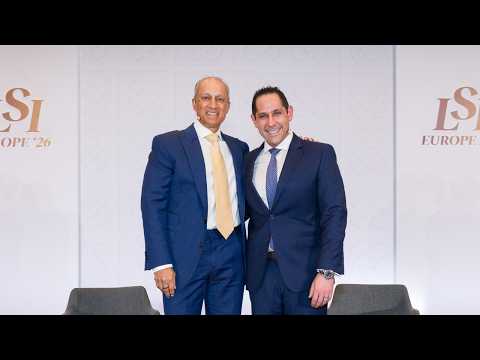
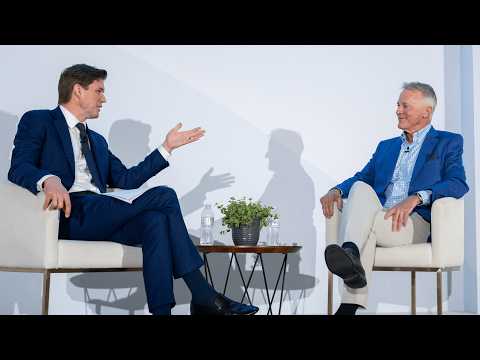
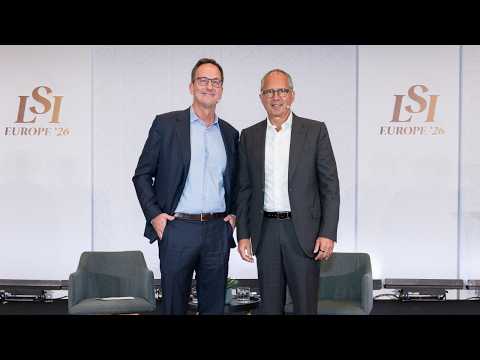
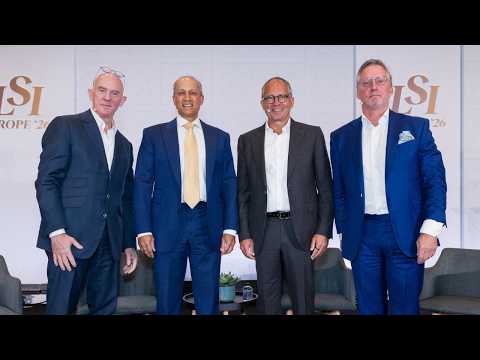
Joseph Ferrara 0:05
Good. I'm Joe Ferrara, Chief Strategy Officer at veronax, privilege to be here with you and with this expert panel. Today, we're going to talk about everybody's favorite subject, evidence, clinical, non clinical and so forth, as a development partner for med tech, a lot of what we're focused on is evidence. And questions we're getting asked are, what evidence do I need, beyond regulatory approval? Do I have enough evidence or an aligned evidence approach for pay or acceptance, clinical adoption, of course, and purchasers. So we're going to cover that today. I'm going to let the panelists introduce themselves, and then we'll get into a Q and A and maybe give us a little bit of not only your role, but sort of intersection with with evidence, clinical and non clinical, from a strategy perspective. Laurent,
Laurent Pacheco 1:02
Sure. Good morning, everybody. I'm Laurent Pacheco, a venture partner with solars bio ventures. We are a US based. License is only VC around 200 million invested, and med tech is around 2/3 portfolio. I trained a medic and health economist, and my link to this discussion is, before investment, I was managing director in market access at seniors health, a large CRO for international markets, which is very much Europe, and the rise from an American perspective, looking forward to extending
Bill Niland 1:36
Bill Hi, good morning. I'm Bill Nyland. I'm the CEO of regeltech. Regeltech, right now is an injectable polymer into a lumbar disk for patients with degenerate this disease. Prior to that, I ran harpoon medical, which is a mitral valve repair minimally invasive, and then invented a product called vapotherm.
Erin McEachren 1:57
Hi, good morning. My name is Erin McEachren. I'm the VP general manager of enabling technologies for CST at Medtronic.
Pablo Morales 2:08
Pam, good afternoon. Pablo Morales, I am a trained vascular surgeon who spent the last 16 years with the Food and Drug Administration, first as a medical officer in the office of cardiovascular devices, then a chief medical officer in the office of clinical evidence and analysis, and I believe that's what I'm here and the last four is a senior advisor to a former FDA commissioner. And I want to thank Ben next for giving me the opportunity to be here. Thanks.
Shai Ran Sapir 2:35
I'm Shawn For Mayo Clinic ventures, which is both the tech transfer office and the investment arm of Mayo Clinic, I lead the cardiovascular portfolio.
Joseph Ferrara 2:45
Well, you're getting the perspectives of regulator, investor, strategic. And I think innovator, which, you know, is a critical question. And I think the title of the panel obviously integrated evidence planning. I think let's spend a little time on what is it? You know, I talked about thinking broadly about stakeholder evidence needs. Maybe I'll start with you, Erin, just to introduce the concept from from your perspective.
Erin McEachren 3:19
So so for us at Medtronic, our evidence based planning is really about creating a forward looking roadmap. We've learned, certainly in the past decade that a lot of our evidence has to do double duty or triple duty, and so we're looking at ways to make sure that the evidence that we create at times needs to be modular based on the countries that we want to launch in and the cadence of that, but also making sure that evidence could support a health economic strategy, a payer discussion, you know, potentially training surgeons, making sure EU, MVR, FDA, ukca, there's, there's a lot to consider out there, and We've tried to become a lot more thoughtful about our roadmap so that we don't run into hiccups, you know, 510, years down the road. And even with EU, MDR, with the post market surveillance, you have to keep the life of the product. So it's a lot of thinking to make sure that we get to the right, right place with our evidence.
Joseph Ferrara 4:18
I mean, the roadmap, a comprehensive evidence roadmap makes complete sense. And as a strategic you can think that broadly. I mean, Bill, maybe you can talk a little bit about, you know, as a as an earlier stage company, how you're thinking about,
Bill Niland 4:32
yeah, evidence is, is definitely important for market generation early on, you know, you're trying to get regulatory approvals in your countries, which is going to build your valuation of your valuation of your company and been able to continue to raise, raise dollars to bring this product to market. It's it's tougher in this environment right now capital environment, because it costs a lot of money just doing the clinical trials you need. Like right now, our clinical trial to get FDA approval is probably $30 million I'm. Them 250 patients, which is expensive in this in this environment, just to get there. So building that, we expect to increase that 250 patients to probably about 350 patients, just to build the evidence we'll need for reimbursement, since we don't fit into a category that's existing today in the United States, we did recently get MDR CE MDR. So we're looking country to country in Europe, and start to build out there, and looking at the registry we have to have with our notified body, and the register we expect to build with the notified body at the same time. But the dollars to collect that is the larger companies that eventually, hopefully you acquire. You expect that, but the dollars to do it is getting more difficult, so you got to do your best to try and make sure your budget for that too.
Joseph Ferrara 5:50
And did you go,
Bill Niland 5:52
as Erin was describing, did you go and build that roadmap to really from the beginning? Or how did you think about it was more of an iterative process? Was it a formalized plan? Formalized planning process? I guess I don't think we've, you know, we're a small team, so I don't think it's formalized, formalized, but everybody knows where we need to go and what we need to collect. We have a good clinical research team, and right now, we know the data that that we need and how we're going to collect that data going forward, I think we have a good plan.
Pablo Morales 6:23
Pablo, maybe, yeah, I would like to jump in, because I think that the perspective from Medtronic is very good, because you are at the forefront as a large company, but a lot of people in the audience in here are a small venture and small startups, and I think they can when you're thinking of evidence in early product development. I think it's a different ball game. You also need to have a road map, but the word I would call it will be like a landscape assessment, because you have a great idea that is intended to help patients or clinicians do something better. In your mind, as an engineer, that's great, but make sure that you get a clinical opinion in the end user, because I have seen a lot of ideas that were great from the engineer perspective, that didn't have any clinical utility. So when you're doing that landscape assessment, you need to invest a little bit front, like when you're developing the technology, to get a clinical opinion to tell you, Yes, this can help people. We can use it. Then you need a regulatory consultant that is going to help you what what type of evidence you miss, clinical evidence is at the at the very end of the evidence generation. But depending on where your device fall, 510, K, PMA or exam, you have different requirements in different regulatory agencies and different a lot of five thinking devices come to a United States without clinical data. Only about 10% to 15% required clinical data, so you are relying on bench top and before you go and do an animal study, make sure that you talk to the FDA if you are an American company, so that you don't end up sacrificing Pete's unnecessarily because you asked the wrong question, because you partner with an academic that told you this is what we need to look for. But guess what? That's not what the FDA needs to assess biocompatibility or something like that. So take a step back. Think about your great idea. Do a landscape assessment at the earliest days to know how you get from point A to point B, and then invest to try to understand that your roadmap is well established. And then you continue with the clinical study the payers and so forth and so on. But I think it's important to understand that this wonderful idea is really doable and in a tangible world.
Joseph Ferrara 8:30
So a structured a structured approach to assessing evidence needs by stakeholder. How do you think about it from an investor perspective? Shai, I think, and Laurent, you know, in terms of are, how are innovative companies thinking about this evidence demand, and are they aligning it effectively with business strategy?
Shai Ran Sapir 8:55
Yeah, so that's a very good question, and I would divide it into two, right? So when we talk about integrated evidence, so there's the clinical evidence that's obviously needed with anything that we develop, but also market evidence, which we believe is is super important Mayo Ventures is the office that's the job is basically to make sure that whatever we're developing at Mayo or together with our partners, eventually reaches market is we have to make sure that there is a market and, well, we're all in the same industry, and I don't know if we'll be amazed or not, but how many companies are actually trying to solve a problem that doesn't necessarily exist, and that's something that we see very often, and a lot of money is being thrown away on those kind of ventures, basically. So what we try to do at Mayo ventures, and that's together with our partners within the strategic companies as well, is whenever we get an innovation to our basically to our work badge, we make sure that it's going to be adopted at the end of the road. Old, right? So we, often time, will jump on a call with Medtronic or Boston or Abbott and say, All right, we're developing this crazy idea. Do you think maybe it can be a companion device to one of your product lines? Or is this a standalone and you know, with an organization with over 70k employees, where everyone can innovate and come to us at Mayo ventures, we oftentimes see innovation comes from residents, or, you know, new physicians in our practice, and sometimes a solution that would make a lot of sense to a resident, if you you know, gain a little experience. It's no longer needed. So while doors open to everyone at Mayo and obviously external partners at the end of the day, from day one, understanding if, the if, obviously, we already talked about the clinical evidence, but from day one, understanding that there's going to be a how, a home for that technology down the road with with a valuable market is super important, otherwise we're just going to waste resources, and it's a never ending cycle. Everyone can waste money. Lauren, I'd
Joseph Ferrara 11:13
like to hear your perspective, because I think we see a lot of intense focus, of course, on market authorization, but perhaps not thinking longer term, from an evidence generation perspective, to these issues around adoption and to really building a new standard of care. It's one thing to enter a market. It's another thing to build a new standard of care.
Laurent Pacheco 11:34
Yes, absolutely. We've discussed a bit, quite a bit, rightly so, FDA or EMA requirements, this regulatory focus that we all have for development and on the line adoption, which indeed ideally comes with updates in clinical guidelines as new rules for prescribers and patients. But in between, you want to secure funding, right reimbursement, and as we know, Europe or other places in the world are quite a patchwork with regards to to reimbursement expectations from decision makers, more so than the regulatory perspective. And even if, in the process, we tend to think, well, safety first, efficacy, which is all about regulatory and if we get the green light, we will push for CMS or reimbursement wherever it matters. Well, actually you need to plan for that upfront and pretty much everything at the same time. Why? Of course, it takes time to build this dossier that you will send to your reimbursement authorities, and we call that health technology assessment in Europe. But also because this data you will need specifically for that. And what is quite specific is the economic dimension you would need to collect it up front. And the best way to collect that information, if you want, for example, to build a cost savings case, is to track these economics of hamako or med tech economic information alongside your clinical trial, so you can say yes, safety, efficacy, but at the same time, patient is released earlier from hospital. So that's savings. You need fewer follow up consultations, fewer nursing hours, and that's the way you start building an economic an economic case that will be eventually needed at the time of reimbursement negotiation. So again, it's not overnight that you will have this data pack if you haven't planned years ahead, almost as early as as regulatory and another important point is each such HTA agency or reimbursement decision making body have their perspective. They don't have to align with any other and there are many of them. And of course, we can't develop specific trials for each of those expectations, right each of those markets, so we need to navigate and find this kind of best common denominator whereby we make a development choice that will tick, of course, the regulatory box. But at the same time, I'm thinking an appropriate comparator. What could it be so that it serves as many markets as possible? And one last point is the comparator is also a tricky exercise. Marketplaces are different, hence standard of care are different. And a comparator, a relevant comparator, for a trial in country A may actually not have been launched at all in Country B, sure. Right? So that is a tricky puzzle to navigate.
Joseph Ferrara 14:33
Now you're not suggesting it all gets done in one study, right? I mean, does it collecting economics during a study may not always be practical. We may have to rely on real world evidence. Maybe you could talk a little bit about Erin, about how this is fitting into Medtronic strategy, and how you're thinking about this.
Erin McEachren 14:54
The complexity is really hard, and I know we are a big company, but even funding. Our evidence is a real discussion that we talk about each and every day and deciding what to do and where to do it. I love what you said about being very thoughtful before you engage because you want to. We always talk about the outputs, but we often ask for help. You know, we go to 10 different stakeholders and then decide that roadmap, and particularly something that I'm passionate about, and just will speak about Europe for a moment. Since we're all here, I think there's great evidence coming out of Europe, real world evidence, specifically, because there's a bit more socialized medicine, right? And so some of the hospitals aren't up for pain as much as other devices in the world. And I think there's something unique to push us to think about that return on investment for each patient. And also, you mentioned this really nicely speaking, like, what are the clinical benefits, but also the operational benefits to the hospitals, and how long procedures take and time, and a lot of times we index on the clinical side, but the operational side, I think, is as often as important, along with the strategic side and understanding the market. So there's just a lot to take in and to organize and to fund. But I think being really thoughtful in the beginning stages is really important
Joseph Ferrara 16:15
now, as a strategic when you're looking at an emerging innovator and a strategic partnership. Is this something you're really looking for, or is it something you just take, take it in?
Erin McEachren 16:26
And yeah, so So for me personally, I look for, you know, thoughtful teams that have thought through their strategy. It doesn't mean they have to have all of it done. I also think a modular approach is important, right? So you started, not everyone can do big multi center trials because they're so difficult and challenging to do, and they also take a long time. So I look for modularity, right? Are you able to start something and maybe pick it up later, in a different region, and just just thoughtfulness of the approach Pablo
Joseph Ferrara 16:58
kind of, where does the FDA stand on real road evidence here. I mean, it's quite advanced in pharma. I think, I think device, it's really an emerging concept from it.
Pablo Morales 17:07
Well, I've been thinking so when you were all talking, I think I want to take a step back when we're talking about clinical areas for multiple purposes. I think Erin is absolutely right. I think there is an opportunity to do your pivotal study, collecting data that CMS, which is the biggest payer in the US, is going to answer it. One of the problems we often see is that we partner with academics. And I love academics. My firing law is one of them. I used to be one, but they like to collect far too many variables that don't have anything to do with the safety of the effectiveness of the device. So when you are developing the trial, you need to make sure that you stay focused and you collect what you need. And then, oftentimes, you can match the FDA and the CMS bars for reasonable assurance of safety and effectiveness, for approval and is evidential, is reliable and necessary, relevant and necessary, and you can collect the same variables back to a real world evidence. I think there is a similar phenomenon in real world evidence, where, for example, the transcatheter valve therapy registry or the TBT, which is like the green unicorn in real world evidence in the United States that allow for so many Arctic valves, labeling modification is very unique, but it's a collaboration. I think collaboration is critical between the professional societies, between the payers, between the manufacturers, between the patient. I think we all have a stake in the sun, and if we work together, we are able to move the neon forward. The activity registry is being reported up to 70% of the variables collected are never used. So that tell you that the real and real world evidence what is at the top is being not as useful as we could make it efficient. I agree, the Europeans are ahead of the game in the sense that they have registries as Scandinavian countries, for example. Because one of the challenges we have in the United States with the American College of Cardiology registry or the Society of vascular surgery registry is that we don't have a denominator. The Europeans have a denominator. They know how many patients are going to the hospital in the OSI we are only seeing the ones that we sense. So, so it's very hard to draw meaningful comparisons when you're looking about safety on effecting of devices. That said, I think CD, Rh, more than see there and see where are ahead of the game with real world evidence, because I was doing real world evidence 10 years ago, expanding labeling of approved devices for other indication using the ACC and CD R registry, the TBT registry sometimes claim data from CMS. And I think it's just a matter of also educating between the FDA the community to be comfortable with a new type of alien generation, because it's not pivotal data against real world evidence data. They complement each other. They both have a place in the product development, and one is not a replacement of the other one. And it depends how much evidentiary data of safety and effectiveness you may have about a device that is going to help you take in the next step use. In real world
Laurent Pacheco 20:01
evidence on on real world evidence from, again, a player perspective, it's, of course, more and more taken into account. But I think in the industry, we're not still inputting that parameter in thinking, where should I launch first as a no launch sequence, right? And because it plays, it is important and in place in terms of like your chances of having coverage at various price points or quantity of reimbursement as a percentage, for example, you can understand and you can explore where you could launch first, so that builds a real world evidence base that would be valued in subsequent countries, as opposed to the other way around, if you launch where it is actually needed, but before launching you don't have any right, sure? So I think that's an important parameter also to take into account in launch sequence.
Shai Ran Sapir 20:54
Yeah, I want to echo something that Pablo said. And he said, take a step back. I want to take I want to take four steps back. And so you were thinking about the advanced, the advanced stages of commercialization, or market penetration. From from an innovation perspective, I want to reiterate that only get the data that you actually need for the next step. There's no need to waste time. So, you know, in the startup world, we say, fail fast, kill quickly. So oftentimes you would see clinicians build a roadmap, clinical evidence roadmap for a device that would have, like, you know, a publication inside, or we don't need that in innovation. This is not about research. This is about making sure that the product can reach the next level. Let's think about it later. So let's work lean and mean. So I really want to reiterate what you said. Only collect the data that you need, because sometimes collecting data might hurt you, you know, because you would reach next David, so now you need to reiterate your prototype, right? And if you don't, then you will collect data that might hurt you down the road. So understand what is the end point you want to reach with each and every stage, collect only that data, nothing else, and then move on.
Joseph Ferrara 22:11
Yeah. I mean, this is a theme, the inefficiency of evidence generation. It's definitely something that we see. This is where the planning and the modular approach come in, but really understanding where you need to go launch sequence, I think, is a big part of it. Bill, I want to go back to you, just because you're kind of on the front lines, raising, raising funds, you know, to fund evidence generation and and I guess, what are some of the challenges when you're when you're talking to stakeholders, when you're talking to investors, is it something that they're demanding? It's something that you're volunteering this information? What's that exchange like? And well,
Bill Niland 22:52
they're usually looking for, what's your regulatory path? First, what's your regulatory path, and the second is your reimbursement path, which this all kind of goes into right the evidence for reimbursement. If you don't have an existing code already, do you have both of those? Unfortunately, we're in a situation where we have two things. The regulatory path is clear, but you're not there yet. You're working on it. You have a good path. You have a good plan, and then at the other side, you know, where are you on the building, the evidence at the same time during that path? But I think you can get both in the same path. It's just the dollars right now to do it at that level are expensive to do, sure. So you figure out, what do we have to do? What is? What is the investor want? The commercial investor? If you can get through your regulatory effort, then you got investors who are more like for to build your commercial. You know, what are they looking for? What's the next step with them? And get ahead of that. So you know before you get to that point what they're looking for.
Joseph Ferrara 23:52
And from a strategic alignment perspective, are you thinking early on about global approach, or us focused? How do you think about that?
Bill Niland 24:02
No, obviously, I just believe everything, the valuation of the company, is all based, usually going to be based on FDA, more than you get a valuation based on CE. MDR, right. CE, MDR is going to give you a little bit, but everybody's looking for FDA approach at the same time. But CE is used to be much, much easier. Now it's a little bit harder to get CE. It's definitely the first step, but I believe you have to, you know, if you have commercialization approval, you have to go start a commercialization process at some point and then start to build that and country by country in Europe, obviously, is a little bit you have to pick the right country to go into the right place.
Joseph Ferrara 24:46
I mean, I'd love to hear from the other panelists on this, US versus EU and the regulatory dynamics there, because I think it has flipped a while ago now, and we also hear about it possibly coming back. And. And maybe some lower barriers in Europe,
Laurent Pacheco 25:03
I recommend on the integrated word we have in our in our panel today, which I think is very important. Of course, it's difficult to work on 360 degrees of everything can be done from day one, like expand on the commercial strategy, even before you know we know about regulatory for sure, but at the same time, picking one by one need to be explored eventually costs a lot, and typically, companies would work with service providers. And if you were to have this need, because you know, you will launch that to start exploring your partners, consultants, they will kind of start from scratch everywhere, from your evidence, and explore the market and build a strategy, as I said before, maybe it can come a bit too late, but beyond that, eventually all of altogether will come quite costly. Now, what is the balance and where is the inflection point? Where content like that, again, can be everything from scratch day one. But then it surely shouldn't be one by one, right? And back to US, Europe. Indeed, we may launch first in the US, because of the market, because it's more homogeneous, etc. But then when it comes to Europe, yes, it's chapter B. But then maybe not country by country, one by one. There is a type of balance to be had, but you need to understand enough about these markets to priority Exactly. Yeah, and where to go.
Joseph Ferrara 26:30
Erin, how are you thinking about, you know, I think again, when a smaller innovator is coming to you, are you expecting a global view? Is this something that
Erin McEachren 26:43
I almost think it's a little bit unrealistic right now with the challenges that we've had, and so just just having a lot of products on the market, we have in my division, 60% of all of the SK use in Medtronic, and so we have multi generation products out there, and it's been really overwhelming to understand, like in EU MDR, that if you have three generations of product, which one do you leave? Which one do you take? Because different countries like different things and so, so even, certainly, we face those complexities, but when we're thinking of from a founder standpoint, for me, it's about intentionality and knowing that the company has been thinking through and asking the right people for the right help so that they're set up for success. And I do hope that, you know, I think the intent of EU MD R was was a good one for patients. I think that industry, small companies and the regulators really need to partner together, because there has been such a big log jam. You know, it was hard to even hire someone in a regulatory function in Europe three years ago, like you couldn't find the people. There wasn't enough bodies to do the body of work that was needed. And so I hope we need to not get ourselves in that position again, and work together to make sure that we are doing right by our patients, but that we're also able to move because I think innovation in Europe is really important.
Joseph Ferrara 28:07
How about process? So you talked about this portfolio view and putting an evidence lens on process. We talk a lot about evidence ROI and, you know, back to the reimbursability and we can achieve. How are you taking a look at that? And is it? Is it a, I'm sure, I'm assuming it's a cross functional group, but it's, it's, can be complex to manage. I'd love for you to talk
Erin McEachren 28:33
a little bit it is. And I think in a larger company, cross functional partnership and collaboration is super important with our regulatory partners, but also internally. And so a lot of times, I found our health economic team is is not always as tight as we need to be with them, because I think that's a really important piece to me. That's functionality, right of the evidence that you create. And so working together, challenging each other, understanding we have this much amount of money. And I think you said it really nicely, really deciding what is the most important thing that we're going after? Because I think the more people you get in the room, the more evidence you want, and the bigger it gets. But actually peeling back the onion and said, What is the number one thing that we need for this procedure? What is the second most important thing, what is the third? And then saying, Okay, we're going to get those three things and then move on to the rest. But I think sometimes we've gotten a bit comfortable in a world of nice to have, and then we can't necessarily fund that. Yeah, and then we haven't gotten enough in the beginning stages.
Joseph Ferrara 29:34
It does come back to know your stakeholders, because, and Shai, you brought this up. I mean, I think if we don't do the diligence on understanding what the stakeholder evidence or needs, it's going to be very difficult to go through that prioritization exercise. Shai, how are you thinking about it?
Shai Ran Sapir 29:53
Yeah, you know, sometimes you see a company stack just bells and whistles with all the nice to haves in the world. Old, but, you know, they didn't really measure the right endpoint, or they don't really, you know, make it better when you compare it to an existing solution. So, yeah, I think what Erin said that when you have so many cooks in the kitchen, everybody has their own taste, so maybe creating smaller groups with some advisors. Sometimes you just need to just keep going. Just keep going. And so someone, someone will always have something to say. But if the clinical need is clear and it's actually needed, everything else will align.
Pablo Morales 30:39
I would like to add something that is missing. I think this is great, but FDA always say, Come early and come often. So when you're developing them, plan, reach out to the FDA. They're going to give you free advice of what you need and what to do and what not to do, and their advice is not going to change. It's based on science that is back up by the regulations and is translated in through guidance documents. So a clear mistake that happened is, you know, I don't want to see the FDA. Everyone asked you continue doing you raise money, you go there, you ask the wrong questions, or you partner with the wrong people. So go to fda early in the state. Don't be afraid. They're humans like me, and they're public servants. They want to promote and protect public health, not just in the United States, but worldwide. And they're not going to change their mind. It is by the regulation and is reflected in the guidance you were asking about innovation in the US versus in Europe. I don't know much about innovation in Europe because it's not my area of expertise. But like someone that expanded over 16 years at the FDA, I think Jeff shooting in the center of devices make a great thing. When he changed the vision, I say, I want patients in the US to have, first in the world, safe and effective devices. And by using the framework, the legal framework of the co author of regulations, he start promoting and pushing a lot of guidance documents, early feasibility guidances, breakthrough devices benefit, risk guidance. And that really changed the landscape, because it brought industry an appetite to say, You know what, I can do it at the FDA without lowering the bar, just safely, because it's not safety against innovation. No, we want innovation, but we want to do it safely. So it's how do you balance safety with innovation to meet the regulatory requirements to get your product approved? So in the longest story short is, if you are in the audience and you're developing something, go to the FDA. They're not going to charge you the MDA Japan does. FDA doesn't. I don't know what the regular the EU regulatory bodies do, but I think that is a good first step, because the way you have a roadmap and the variables that you need to go from point A to point
Erin McEachren 32:38
B, I fully agree, and we've actually had that experience in the past few years with the FDA is the iterative approach and just asking questions and asking for help, especially the software, because everyone is figuring out software right now, and it's been really, really, really helpful. I have to
Shai Ran Sapir 32:52
say that something that I found really useful is a program called the tap advisors from the FDA. Those are people that could reach out, you could reach out to, and their job is to help you navigate through FDA approval, and they're not the one examining your case. So they don't have, like, a hidden, you know, motive here. So we interact with tap advisors often, and we put them in touch with our innovators to, you know, basically build the roadmap of experiments that's needed for the FDA, again, lean and mean, but we find it very helpful. And I love that program. I hope it stays
Laurent Pacheco 33:32
interestingly these dynamics we have with regulators, which I call it scientific advice. And in short, it's about like what clinical trial design right would be, would be best. You can also have with, again, HTA, health technology assessment reimbursement bodies in their world. It's called early consultations. So you can consult with them one by one in Europe, also in the US. But also you can have both regulators and H ta slash reimbursement people to meet and discuss together your your case. And the very interesting point is they don't have to agree. Right? Regulatory perspective is not the same of health economics perspective, so they will share their view. But still, because we are humans, it somehow helps converge as much as possible and eliminate all these nice two halves, right, which may be valuable to just one, since the group may not resonate so much, it really helps focus a bit. And back to the choice of a comparator, which more and more, of course, regulators have nothing against. Will help you understand, you know, what can be a design rule that would fit most, probably not all, but most of these decision makers around your table?
Joseph Ferrara 34:49
Yeah, I think it's critical. I mean, we facilitate these advisory boards, and they're not necessarily consensus sessions, right, but you're presenting scenarios and evidence scenarios and testing. That understanding alignment and misalignment. So that's critical. Well, we have a few minutes left. I'd open it up for any questions, to the floor, if there are any, any questions, no. Yes. Okay, well, maybe some, some closing remarks. Then, you know, I think maybe just going going down the line, yes, advice to company, advice to companies innovators. We have an audience of innovators, yeah,
Shai Ran Sapir 35:37
so think about only what you need for next step, try to understand if, if anything else is really needed, save the money for later
Pablo Morales 35:48
efficiency problem, I will say a do a landscape assessment and build up a good strategy with the right cooks at the table. I agree. You don't need 20 cooks, but you need at least four, a regulatory, a clinical, the engineer and someone to understand the process. And then once you get that, you go to fda early and go often, and the way you have a more cleaner, predictable roadmap,
Erin McEachren 36:15
be intentional and iterate quickly.
Bill Niland 36:19
Yeah. I think the one thing too, is collecting this patient satisfaction. We're all doing this for patients. We're all doing this for a patient need that's out there. Make sure, you know, not every device the patient is going to understand, not every device that's going to make a big deal to them in the outside, but when it is that the patient is satisfied at the end of the day, and collecting that real world evidence that and patient satisfaction at the end of the procedure, I think is really important.
Laurent Pacheco 36:45
I will say, inject as early and as much as possible expectations from this outer world. Again, regulatory focal for sure, patients and but in between, reimbursement, decision making bodies, these discussions are not binding. Whatever they do is very much informative, and you're still free to decide what strategy you adopt. So go for it.
Joseph Ferrara 37:09
Yeah, early the efficient engage. It's great. Well, thank you very much. Please join me in thanking the panel.
Joseph Ferrara 0:05
Good. I'm Joe Ferrara, Chief Strategy Officer at veronax, privilege to be here with you and with this expert panel. Today, we're going to talk about everybody's favorite subject, evidence, clinical, non clinical and so forth, as a development partner for med tech, a lot of what we're focused on is evidence. And questions we're getting asked are, what evidence do I need, beyond regulatory approval? Do I have enough evidence or an aligned evidence approach for pay or acceptance, clinical adoption, of course, and purchasers. So we're going to cover that today. I'm going to let the panelists introduce themselves, and then we'll get into a Q and A and maybe give us a little bit of not only your role, but sort of intersection with with evidence, clinical and non clinical, from a strategy perspective. Laurent,
Laurent Pacheco 1:02
Sure. Good morning, everybody. I'm Laurent Pacheco, a venture partner with solars bio ventures. We are a US based. License is only VC around 200 million invested, and med tech is around 2/3 portfolio. I trained a medic and health economist, and my link to this discussion is, before investment, I was managing director in market access at seniors health, a large CRO for international markets, which is very much Europe, and the rise from an American perspective, looking forward to extending
Bill Niland 1:36
Bill Hi, good morning. I'm Bill Nyland. I'm the CEO of regeltech. Regeltech, right now is an injectable polymer into a lumbar disk for patients with degenerate this disease. Prior to that, I ran harpoon medical, which is a mitral valve repair minimally invasive, and then invented a product called vapotherm.
Erin McEachren 1:57
Hi, good morning. My name is Erin McEachren. I'm the VP general manager of enabling technologies for CST at Medtronic.
Pablo Morales 2:08
Pam, good afternoon. Pablo Morales, I am a trained vascular surgeon who spent the last 16 years with the Food and Drug Administration, first as a medical officer in the office of cardiovascular devices, then a chief medical officer in the office of clinical evidence and analysis, and I believe that's what I'm here and the last four is a senior advisor to a former FDA commissioner. And I want to thank Ben next for giving me the opportunity to be here. Thanks.
Shai Ran Sapir 2:35
I'm Shawn For Mayo Clinic ventures, which is both the tech transfer office and the investment arm of Mayo Clinic, I lead the cardiovascular portfolio.
Joseph Ferrara 2:45
Well, you're getting the perspectives of regulator, investor, strategic. And I think innovator, which, you know, is a critical question. And I think the title of the panel obviously integrated evidence planning. I think let's spend a little time on what is it? You know, I talked about thinking broadly about stakeholder evidence needs. Maybe I'll start with you, Erin, just to introduce the concept from from your perspective.
Erin McEachren 3:19
So so for us at Medtronic, our evidence based planning is really about creating a forward looking roadmap. We've learned, certainly in the past decade that a lot of our evidence has to do double duty or triple duty, and so we're looking at ways to make sure that the evidence that we create at times needs to be modular based on the countries that we want to launch in and the cadence of that, but also making sure that evidence could support a health economic strategy, a payer discussion, you know, potentially training surgeons, making sure EU, MVR, FDA, ukca, there's, there's a lot to consider out there, and We've tried to become a lot more thoughtful about our roadmap so that we don't run into hiccups, you know, 510, years down the road. And even with EU, MDR, with the post market surveillance, you have to keep the life of the product. So it's a lot of thinking to make sure that we get to the right, right place with our evidence.
Joseph Ferrara 4:18
I mean, the roadmap, a comprehensive evidence roadmap makes complete sense. And as a strategic you can think that broadly. I mean, Bill, maybe you can talk a little bit about, you know, as a as an earlier stage company, how you're thinking about,
Bill Niland 4:32
yeah, evidence is, is definitely important for market generation early on, you know, you're trying to get regulatory approvals in your countries, which is going to build your valuation of your valuation of your company and been able to continue to raise, raise dollars to bring this product to market. It's it's tougher in this environment right now capital environment, because it costs a lot of money just doing the clinical trials you need. Like right now, our clinical trial to get FDA approval is probably $30 million I'm. Them 250 patients, which is expensive in this in this environment, just to get there. So building that, we expect to increase that 250 patients to probably about 350 patients, just to build the evidence we'll need for reimbursement, since we don't fit into a category that's existing today in the United States, we did recently get MDR CE MDR. So we're looking country to country in Europe, and start to build out there, and looking at the registry we have to have with our notified body, and the register we expect to build with the notified body at the same time. But the dollars to collect that is the larger companies that eventually, hopefully you acquire. You expect that, but the dollars to do it is getting more difficult, so you got to do your best to try and make sure your budget for that too.
Joseph Ferrara 5:50
And did you go,
Bill Niland 5:52
as Erin was describing, did you go and build that roadmap to really from the beginning? Or how did you think about it was more of an iterative process? Was it a formalized plan? Formalized planning process? I guess I don't think we've, you know, we're a small team, so I don't think it's formalized, formalized, but everybody knows where we need to go and what we need to collect. We have a good clinical research team, and right now, we know the data that that we need and how we're going to collect that data going forward, I think we have a good plan.
Pablo Morales 6:23
Pablo, maybe, yeah, I would like to jump in, because I think that the perspective from Medtronic is very good, because you are at the forefront as a large company, but a lot of people in the audience in here are a small venture and small startups, and I think they can when you're thinking of evidence in early product development. I think it's a different ball game. You also need to have a road map, but the word I would call it will be like a landscape assessment, because you have a great idea that is intended to help patients or clinicians do something better. In your mind, as an engineer, that's great, but make sure that you get a clinical opinion in the end user, because I have seen a lot of ideas that were great from the engineer perspective, that didn't have any clinical utility. So when you're doing that landscape assessment, you need to invest a little bit front, like when you're developing the technology, to get a clinical opinion to tell you, Yes, this can help people. We can use it. Then you need a regulatory consultant that is going to help you what what type of evidence you miss, clinical evidence is at the at the very end of the evidence generation. But depending on where your device fall, 510, K, PMA or exam, you have different requirements in different regulatory agencies and different a lot of five thinking devices come to a United States without clinical data. Only about 10% to 15% required clinical data, so you are relying on bench top and before you go and do an animal study, make sure that you talk to the FDA if you are an American company, so that you don't end up sacrificing Pete's unnecessarily because you asked the wrong question, because you partner with an academic that told you this is what we need to look for. But guess what? That's not what the FDA needs to assess biocompatibility or something like that. So take a step back. Think about your great idea. Do a landscape assessment at the earliest days to know how you get from point A to point B, and then invest to try to understand that your roadmap is well established. And then you continue with the clinical study the payers and so forth and so on. But I think it's important to understand that this wonderful idea is really doable and in a tangible world.
Joseph Ferrara 8:30
So a structured a structured approach to assessing evidence needs by stakeholder. How do you think about it from an investor perspective? Shai, I think, and Laurent, you know, in terms of are, how are innovative companies thinking about this evidence demand, and are they aligning it effectively with business strategy?
Shai Ran Sapir 8:55
Yeah, so that's a very good question, and I would divide it into two, right? So when we talk about integrated evidence, so there's the clinical evidence that's obviously needed with anything that we develop, but also market evidence, which we believe is is super important Mayo Ventures is the office that's the job is basically to make sure that whatever we're developing at Mayo or together with our partners, eventually reaches market is we have to make sure that there is a market and, well, we're all in the same industry, and I don't know if we'll be amazed or not, but how many companies are actually trying to solve a problem that doesn't necessarily exist, and that's something that we see very often, and a lot of money is being thrown away on those kind of ventures, basically. So what we try to do at Mayo ventures, and that's together with our partners within the strategic companies as well, is whenever we get an innovation to our basically to our work badge, we make sure that it's going to be adopted at the end of the road. Old, right? So we, often time, will jump on a call with Medtronic or Boston or Abbott and say, All right, we're developing this crazy idea. Do you think maybe it can be a companion device to one of your product lines? Or is this a standalone and you know, with an organization with over 70k employees, where everyone can innovate and come to us at Mayo ventures, we oftentimes see innovation comes from residents, or, you know, new physicians in our practice, and sometimes a solution that would make a lot of sense to a resident, if you you know, gain a little experience. It's no longer needed. So while doors open to everyone at Mayo and obviously external partners at the end of the day, from day one, understanding if, the if, obviously, we already talked about the clinical evidence, but from day one, understanding that there's going to be a how, a home for that technology down the road with with a valuable market is super important, otherwise we're just going to waste resources, and it's a never ending cycle. Everyone can waste money. Lauren, I'd
Joseph Ferrara 11:13
like to hear your perspective, because I think we see a lot of intense focus, of course, on market authorization, but perhaps not thinking longer term, from an evidence generation perspective, to these issues around adoption and to really building a new standard of care. It's one thing to enter a market. It's another thing to build a new standard of care.
Laurent Pacheco 11:34
Yes, absolutely. We've discussed a bit, quite a bit, rightly so, FDA or EMA requirements, this regulatory focus that we all have for development and on the line adoption, which indeed ideally comes with updates in clinical guidelines as new rules for prescribers and patients. But in between, you want to secure funding, right reimbursement, and as we know, Europe or other places in the world are quite a patchwork with regards to to reimbursement expectations from decision makers, more so than the regulatory perspective. And even if, in the process, we tend to think, well, safety first, efficacy, which is all about regulatory and if we get the green light, we will push for CMS or reimbursement wherever it matters. Well, actually you need to plan for that upfront and pretty much everything at the same time. Why? Of course, it takes time to build this dossier that you will send to your reimbursement authorities, and we call that health technology assessment in Europe. But also because this data you will need specifically for that. And what is quite specific is the economic dimension you would need to collect it up front. And the best way to collect that information, if you want, for example, to build a cost savings case, is to track these economics of hamako or med tech economic information alongside your clinical trial, so you can say yes, safety, efficacy, but at the same time, patient is released earlier from hospital. So that's savings. You need fewer follow up consultations, fewer nursing hours, and that's the way you start building an economic an economic case that will be eventually needed at the time of reimbursement negotiation. So again, it's not overnight that you will have this data pack if you haven't planned years ahead, almost as early as as regulatory and another important point is each such HTA agency or reimbursement decision making body have their perspective. They don't have to align with any other and there are many of them. And of course, we can't develop specific trials for each of those expectations, right each of those markets, so we need to navigate and find this kind of best common denominator whereby we make a development choice that will tick, of course, the regulatory box. But at the same time, I'm thinking an appropriate comparator. What could it be so that it serves as many markets as possible? And one last point is the comparator is also a tricky exercise. Marketplaces are different, hence standard of care are different. And a comparator, a relevant comparator, for a trial in country A may actually not have been launched at all in Country B, sure. Right? So that is a tricky puzzle to navigate.
Joseph Ferrara 14:33
Now you're not suggesting it all gets done in one study, right? I mean, does it collecting economics during a study may not always be practical. We may have to rely on real world evidence. Maybe you could talk a little bit about Erin, about how this is fitting into Medtronic strategy, and how you're thinking about this.
Erin McEachren 14:54
The complexity is really hard, and I know we are a big company, but even funding. Our evidence is a real discussion that we talk about each and every day and deciding what to do and where to do it. I love what you said about being very thoughtful before you engage because you want to. We always talk about the outputs, but we often ask for help. You know, we go to 10 different stakeholders and then decide that roadmap, and particularly something that I'm passionate about, and just will speak about Europe for a moment. Since we're all here, I think there's great evidence coming out of Europe, real world evidence, specifically, because there's a bit more socialized medicine, right? And so some of the hospitals aren't up for pain as much as other devices in the world. And I think there's something unique to push us to think about that return on investment for each patient. And also, you mentioned this really nicely speaking, like, what are the clinical benefits, but also the operational benefits to the hospitals, and how long procedures take and time, and a lot of times we index on the clinical side, but the operational side, I think, is as often as important, along with the strategic side and understanding the market. So there's just a lot to take in and to organize and to fund. But I think being really thoughtful in the beginning stages is really important
Joseph Ferrara 16:15
now, as a strategic when you're looking at an emerging innovator and a strategic partnership. Is this something you're really looking for, or is it something you just take, take it in?
Erin McEachren 16:26
And yeah, so So for me personally, I look for, you know, thoughtful teams that have thought through their strategy. It doesn't mean they have to have all of it done. I also think a modular approach is important, right? So you started, not everyone can do big multi center trials because they're so difficult and challenging to do, and they also take a long time. So I look for modularity, right? Are you able to start something and maybe pick it up later, in a different region, and just just thoughtfulness of the approach Pablo
Joseph Ferrara 16:58
kind of, where does the FDA stand on real road evidence here. I mean, it's quite advanced in pharma. I think, I think device, it's really an emerging concept from it.
Pablo Morales 17:07
Well, I've been thinking so when you were all talking, I think I want to take a step back when we're talking about clinical areas for multiple purposes. I think Erin is absolutely right. I think there is an opportunity to do your pivotal study, collecting data that CMS, which is the biggest payer in the US, is going to answer it. One of the problems we often see is that we partner with academics. And I love academics. My firing law is one of them. I used to be one, but they like to collect far too many variables that don't have anything to do with the safety of the effectiveness of the device. So when you are developing the trial, you need to make sure that you stay focused and you collect what you need. And then, oftentimes, you can match the FDA and the CMS bars for reasonable assurance of safety and effectiveness, for approval and is evidential, is reliable and necessary, relevant and necessary, and you can collect the same variables back to a real world evidence. I think there is a similar phenomenon in real world evidence, where, for example, the transcatheter valve therapy registry or the TBT, which is like the green unicorn in real world evidence in the United States that allow for so many Arctic valves, labeling modification is very unique, but it's a collaboration. I think collaboration is critical between the professional societies, between the payers, between the manufacturers, between the patient. I think we all have a stake in the sun, and if we work together, we are able to move the neon forward. The activity registry is being reported up to 70% of the variables collected are never used. So that tell you that the real and real world evidence what is at the top is being not as useful as we could make it efficient. I agree, the Europeans are ahead of the game in the sense that they have registries as Scandinavian countries, for example. Because one of the challenges we have in the United States with the American College of Cardiology registry or the Society of vascular surgery registry is that we don't have a denominator. The Europeans have a denominator. They know how many patients are going to the hospital in the OSI we are only seeing the ones that we sense. So, so it's very hard to draw meaningful comparisons when you're looking about safety on effecting of devices. That said, I think CD, Rh, more than see there and see where are ahead of the game with real world evidence, because I was doing real world evidence 10 years ago, expanding labeling of approved devices for other indication using the ACC and CD R registry, the TBT registry sometimes claim data from CMS. And I think it's just a matter of also educating between the FDA the community to be comfortable with a new type of alien generation, because it's not pivotal data against real world evidence data. They complement each other. They both have a place in the product development, and one is not a replacement of the other one. And it depends how much evidentiary data of safety and effectiveness you may have about a device that is going to help you take in the next step use. In real world
Laurent Pacheco 20:01
evidence on on real world evidence from, again, a player perspective, it's, of course, more and more taken into account. But I think in the industry, we're not still inputting that parameter in thinking, where should I launch first as a no launch sequence, right? And because it plays, it is important and in place in terms of like your chances of having coverage at various price points or quantity of reimbursement as a percentage, for example, you can understand and you can explore where you could launch first, so that builds a real world evidence base that would be valued in subsequent countries, as opposed to the other way around, if you launch where it is actually needed, but before launching you don't have any right, sure? So I think that's an important parameter also to take into account in launch sequence.
Shai Ran Sapir 20:54
Yeah, I want to echo something that Pablo said. And he said, take a step back. I want to take I want to take four steps back. And so you were thinking about the advanced, the advanced stages of commercialization, or market penetration. From from an innovation perspective, I want to reiterate that only get the data that you actually need for the next step. There's no need to waste time. So, you know, in the startup world, we say, fail fast, kill quickly. So oftentimes you would see clinicians build a roadmap, clinical evidence roadmap for a device that would have, like, you know, a publication inside, or we don't need that in innovation. This is not about research. This is about making sure that the product can reach the next level. Let's think about it later. So let's work lean and mean. So I really want to reiterate what you said. Only collect the data that you need, because sometimes collecting data might hurt you, you know, because you would reach next David, so now you need to reiterate your prototype, right? And if you don't, then you will collect data that might hurt you down the road. So understand what is the end point you want to reach with each and every stage, collect only that data, nothing else, and then move on.
Joseph Ferrara 22:11
Yeah. I mean, this is a theme, the inefficiency of evidence generation. It's definitely something that we see. This is where the planning and the modular approach come in, but really understanding where you need to go launch sequence, I think, is a big part of it. Bill, I want to go back to you, just because you're kind of on the front lines, raising, raising funds, you know, to fund evidence generation and and I guess, what are some of the challenges when you're when you're talking to stakeholders, when you're talking to investors, is it something that they're demanding? It's something that you're volunteering this information? What's that exchange like? And well,
Bill Niland 22:52
they're usually looking for, what's your regulatory path? First, what's your regulatory path, and the second is your reimbursement path, which this all kind of goes into right the evidence for reimbursement. If you don't have an existing code already, do you have both of those? Unfortunately, we're in a situation where we have two things. The regulatory path is clear, but you're not there yet. You're working on it. You have a good path. You have a good plan, and then at the other side, you know, where are you on the building, the evidence at the same time during that path? But I think you can get both in the same path. It's just the dollars right now to do it at that level are expensive to do, sure. So you figure out, what do we have to do? What is? What is the investor want? The commercial investor? If you can get through your regulatory effort, then you got investors who are more like for to build your commercial. You know, what are they looking for? What's the next step with them? And get ahead of that. So you know before you get to that point what they're looking for.
Joseph Ferrara 23:52
And from a strategic alignment perspective, are you thinking early on about global approach, or us focused? How do you think about that?
Bill Niland 24:02
No, obviously, I just believe everything, the valuation of the company, is all based, usually going to be based on FDA, more than you get a valuation based on CE. MDR, right. CE, MDR is going to give you a little bit, but everybody's looking for FDA approach at the same time. But CE is used to be much, much easier. Now it's a little bit harder to get CE. It's definitely the first step, but I believe you have to, you know, if you have commercialization approval, you have to go start a commercialization process at some point and then start to build that and country by country in Europe, obviously, is a little bit you have to pick the right country to go into the right place.
Joseph Ferrara 24:46
I mean, I'd love to hear from the other panelists on this, US versus EU and the regulatory dynamics there, because I think it has flipped a while ago now, and we also hear about it possibly coming back. And. And maybe some lower barriers in Europe,
Laurent Pacheco 25:03
I recommend on the integrated word we have in our in our panel today, which I think is very important. Of course, it's difficult to work on 360 degrees of everything can be done from day one, like expand on the commercial strategy, even before you know we know about regulatory for sure, but at the same time, picking one by one need to be explored eventually costs a lot, and typically, companies would work with service providers. And if you were to have this need, because you know, you will launch that to start exploring your partners, consultants, they will kind of start from scratch everywhere, from your evidence, and explore the market and build a strategy, as I said before, maybe it can come a bit too late, but beyond that, eventually all of altogether will come quite costly. Now, what is the balance and where is the inflection point? Where content like that, again, can be everything from scratch day one. But then it surely shouldn't be one by one, right? And back to US, Europe. Indeed, we may launch first in the US, because of the market, because it's more homogeneous, etc. But then when it comes to Europe, yes, it's chapter B. But then maybe not country by country, one by one. There is a type of balance to be had, but you need to understand enough about these markets to priority Exactly. Yeah, and where to go.
Joseph Ferrara 26:30
Erin, how are you thinking about, you know, I think again, when a smaller innovator is coming to you, are you expecting a global view? Is this something that
Erin McEachren 26:43
I almost think it's a little bit unrealistic right now with the challenges that we've had, and so just just having a lot of products on the market, we have in my division, 60% of all of the SK use in Medtronic, and so we have multi generation products out there, and it's been really overwhelming to understand, like in EU MDR, that if you have three generations of product, which one do you leave? Which one do you take? Because different countries like different things and so, so even, certainly, we face those complexities, but when we're thinking of from a founder standpoint, for me, it's about intentionality and knowing that the company has been thinking through and asking the right people for the right help so that they're set up for success. And I do hope that, you know, I think the intent of EU MD R was was a good one for patients. I think that industry, small companies and the regulators really need to partner together, because there has been such a big log jam. You know, it was hard to even hire someone in a regulatory function in Europe three years ago, like you couldn't find the people. There wasn't enough bodies to do the body of work that was needed. And so I hope we need to not get ourselves in that position again, and work together to make sure that we are doing right by our patients, but that we're also able to move because I think innovation in Europe is really important.
Joseph Ferrara 28:07
How about process? So you talked about this portfolio view and putting an evidence lens on process. We talk a lot about evidence ROI and, you know, back to the reimbursability and we can achieve. How are you taking a look at that? And is it? Is it a, I'm sure, I'm assuming it's a cross functional group, but it's, it's, can be complex to manage. I'd love for you to talk
Erin McEachren 28:33
a little bit it is. And I think in a larger company, cross functional partnership and collaboration is super important with our regulatory partners, but also internally. And so a lot of times, I found our health economic team is is not always as tight as we need to be with them, because I think that's a really important piece to me. That's functionality, right of the evidence that you create. And so working together, challenging each other, understanding we have this much amount of money. And I think you said it really nicely, really deciding what is the most important thing that we're going after? Because I think the more people you get in the room, the more evidence you want, and the bigger it gets. But actually peeling back the onion and said, What is the number one thing that we need for this procedure? What is the second most important thing, what is the third? And then saying, Okay, we're going to get those three things and then move on to the rest. But I think sometimes we've gotten a bit comfortable in a world of nice to have, and then we can't necessarily fund that. Yeah, and then we haven't gotten enough in the beginning stages.
Joseph Ferrara 29:34
It does come back to know your stakeholders, because, and Shai, you brought this up. I mean, I think if we don't do the diligence on understanding what the stakeholder evidence or needs, it's going to be very difficult to go through that prioritization exercise. Shai, how are you thinking about it?
Shai Ran Sapir 29:53
Yeah, you know, sometimes you see a company stack just bells and whistles with all the nice to haves in the world. Old, but, you know, they didn't really measure the right endpoint, or they don't really, you know, make it better when you compare it to an existing solution. So, yeah, I think what Erin said that when you have so many cooks in the kitchen, everybody has their own taste, so maybe creating smaller groups with some advisors. Sometimes you just need to just keep going. Just keep going. And so someone, someone will always have something to say. But if the clinical need is clear and it's actually needed, everything else will align.
Pablo Morales 30:39
I would like to add something that is missing. I think this is great, but FDA always say, Come early and come often. So when you're developing them, plan, reach out to the FDA. They're going to give you free advice of what you need and what to do and what not to do, and their advice is not going to change. It's based on science that is back up by the regulations and is translated in through guidance documents. So a clear mistake that happened is, you know, I don't want to see the FDA. Everyone asked you continue doing you raise money, you go there, you ask the wrong questions, or you partner with the wrong people. So go to fda early in the state. Don't be afraid. They're humans like me, and they're public servants. They want to promote and protect public health, not just in the United States, but worldwide. And they're not going to change their mind. It is by the regulation and is reflected in the guidance you were asking about innovation in the US versus in Europe. I don't know much about innovation in Europe because it's not my area of expertise. But like someone that expanded over 16 years at the FDA, I think Jeff shooting in the center of devices make a great thing. When he changed the vision, I say, I want patients in the US to have, first in the world, safe and effective devices. And by using the framework, the legal framework of the co author of regulations, he start promoting and pushing a lot of guidance documents, early feasibility guidances, breakthrough devices benefit, risk guidance. And that really changed the landscape, because it brought industry an appetite to say, You know what, I can do it at the FDA without lowering the bar, just safely, because it's not safety against innovation. No, we want innovation, but we want to do it safely. So it's how do you balance safety with innovation to meet the regulatory requirements to get your product approved? So in the longest story short is, if you are in the audience and you're developing something, go to the FDA. They're not going to charge you the MDA Japan does. FDA doesn't. I don't know what the regular the EU regulatory bodies do, but I think that is a good first step, because the way you have a roadmap and the variables that you need to go from point A to point
Erin McEachren 32:38
B, I fully agree, and we've actually had that experience in the past few years with the FDA is the iterative approach and just asking questions and asking for help, especially the software, because everyone is figuring out software right now, and it's been really, really, really helpful. I have to
Shai Ran Sapir 32:52
say that something that I found really useful is a program called the tap advisors from the FDA. Those are people that could reach out, you could reach out to, and their job is to help you navigate through FDA approval, and they're not the one examining your case. So they don't have, like, a hidden, you know, motive here. So we interact with tap advisors often, and we put them in touch with our innovators to, you know, basically build the roadmap of experiments that's needed for the FDA, again, lean and mean, but we find it very helpful. And I love that program. I hope it stays
Laurent Pacheco 33:32
interestingly these dynamics we have with regulators, which I call it scientific advice. And in short, it's about like what clinical trial design right would be, would be best. You can also have with, again, HTA, health technology assessment reimbursement bodies in their world. It's called early consultations. So you can consult with them one by one in Europe, also in the US. But also you can have both regulators and H ta slash reimbursement people to meet and discuss together your your case. And the very interesting point is they don't have to agree. Right? Regulatory perspective is not the same of health economics perspective, so they will share their view. But still, because we are humans, it somehow helps converge as much as possible and eliminate all these nice two halves, right, which may be valuable to just one, since the group may not resonate so much, it really helps focus a bit. And back to the choice of a comparator, which more and more, of course, regulators have nothing against. Will help you understand, you know, what can be a design rule that would fit most, probably not all, but most of these decision makers around your table?
Joseph Ferrara 34:49
Yeah, I think it's critical. I mean, we facilitate these advisory boards, and they're not necessarily consensus sessions, right, but you're presenting scenarios and evidence scenarios and testing. That understanding alignment and misalignment. So that's critical. Well, we have a few minutes left. I'd open it up for any questions, to the floor, if there are any, any questions, no. Yes. Okay, well, maybe some, some closing remarks. Then, you know, I think maybe just going going down the line, yes, advice to company, advice to companies innovators. We have an audience of innovators, yeah,
Shai Ran Sapir 35:37
so think about only what you need for next step, try to understand if, if anything else is really needed, save the money for later
Pablo Morales 35:48
efficiency problem, I will say a do a landscape assessment and build up a good strategy with the right cooks at the table. I agree. You don't need 20 cooks, but you need at least four, a regulatory, a clinical, the engineer and someone to understand the process. And then once you get that, you go to fda early and go often, and the way you have a more cleaner, predictable roadmap,
Erin McEachren 36:15
be intentional and iterate quickly.
Bill Niland 36:19
Yeah. I think the one thing too, is collecting this patient satisfaction. We're all doing this for patients. We're all doing this for a patient need that's out there. Make sure, you know, not every device the patient is going to understand, not every device that's going to make a big deal to them in the outside, but when it is that the patient is satisfied at the end of the day, and collecting that real world evidence that and patient satisfaction at the end of the procedure, I think is really important.
Laurent Pacheco 36:45
I will say, inject as early and as much as possible expectations from this outer world. Again, regulatory focal for sure, patients and but in between, reimbursement, decision making bodies, these discussions are not binding. Whatever they do is very much informative, and you're still free to decide what strategy you adopt. So go for it.
Joseph Ferrara 37:09
Yeah, early the efficient engage. It's great. Well, thank you very much. Please join me in thanking the panel.
17011 Beach Blvd, Suite 500 Huntington Beach, CA 92647
714-847-3540© 2026 Life Science Intelligence, Inc., All Rights Reserved. | Privacy Policy