From Innovation to Icon: How to Build a Brand and Buzz in Medtech | LSI Europe '25

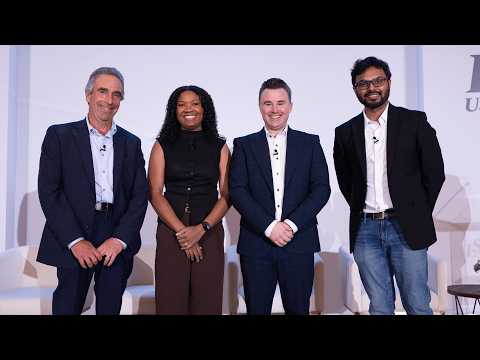
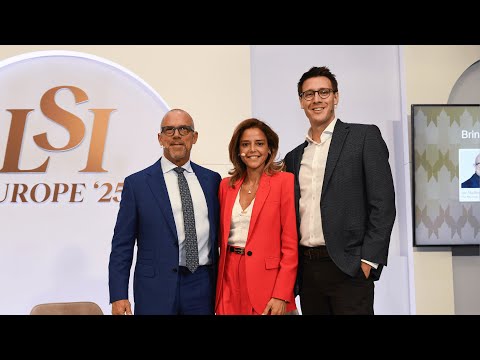
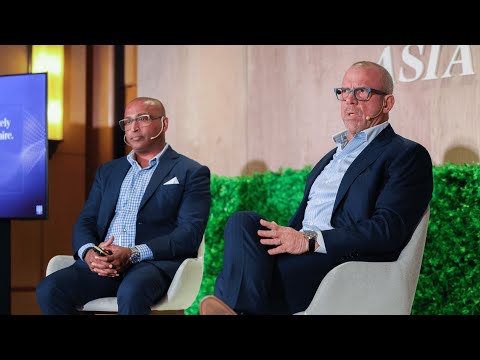
Join branding experts from Kadiko, Health+Commerce, and May Health as they share strategic insights on transforming medical technology innovations into recognized industry icons through effective brand building and market positioning.
Join Our Next Event
Partner with the leaders
shaping the future of
Medtech at LSI USA ‘26
March 16th - 20th, 2026
Waldorf Astoria, Monarch Beach

Paulo Simas  0:05  
Hi guys. My name is Paulo, and I have some awesome people here with me as well. We get to talk about fun stuff. For 30 years, I've been helping companies from seed early stage all the way to some of the largest brands in the world help express and tell their stories through both visual, verbal and experiential means, been doing specifically in healthcare for about 25 of those years, across Medtech and pharma and digital health life sciences, and super excited to share some of our thoughts with you guys today.


Nicole Osmer  0:40  
Nicole Osmer, I started out in my med tech career at guidance Corporation almost 25 years ago. I also was part of the Abbott acquisition, and then became a freelancer for 10 years before starting an agency in 2017 so I've worked with many very successful Medtech companies and lots of startups early stage, as well as public companies and and larger private companies as well. So mostly doing media relations, PR communications part of the mix.


Colby Holtshouse  1:20  
Colby, thanks. I'm Colby. I'm the CEO of May health, which is a clinical stage technology company with a product for PCOS. I could talk to you Berger about that at great length, but today we are really here to talk about these two and their craft. And so I thought instead, I would tell you a little bit about how I connected with each of them as part of my introduction. So back when I worked at Medtronic, I started my career in big companies, you know, big established brands, working in marketing. I was at the first, I think it was my first or second TCP, maybe the second. And, you know, this big maze of blue booths that all kind of look the same and have a lot of data. And I walk out of the exhibit hall into Washington DC square, and there is this bright green coffee cart, and it says minx on it. And I'm like, I don't know what that is, but I want to be part of that brand that it looks like so much more fun than everything we're doing in there. And I got to know, like, who's the agency that did that, and it's sometimes hard to find, like, who did what, but I happened to be on an agency website later because I was looking and I saw the coffee cart, and I immediately emailed, you know, hello at Oda health or whatever. And that's how I met Paulo, and he came and did some amazing work for us at Medtronic. And then I went to work for that company that had the Minx, because it was just so cool. And so we got to work together some more. And then later in my career was at my first early stage company, pelleven, which had a technology for urogynecology. And it was the first time I was the only marketer in the building. I was the fifth person in the company. We did a whole clinical study. We did our de novo, and at the end of the de novo, the FDA gave us our approval, and they issued a press release about our technology. And I did not know that that was a thing that the FDA might do. We were not planning to commercialize immediately, because we another 510, K, and all of a sudden we're getting all this media attention. And so I've been, you know, reading other people's press releases for years, and I always see the bottom of everyone's press release Nicole osmars name, and I'm like, this woman seems like she really knows what she's doing. She works with all the startups. So I called her, I said, Help. You know, have this situation on our hands, and she immediately came and helped, helped us manage the incoming attention we were getting. I really wished I'd called her earlier. So that is part of my PSA to all of you entrepreneurs, get your comm support in line before these things happen. But anyway, had the chance to work together there and then also add a lady health, which was the startup I was at until I joined may health very recently. So that's my too long introduction, but I wanted to give a little bit of color as to the great work that these two guys do full spectrum.


Paulo Simas  4:01  
Okay, let's maybe talk about what everybody still doesn't quite understand, which is, what is a brand? When you hear this term, everybody has different interpretations of it. Like I said, I've been doing this for a long time. I have enough gray hair to show that, and everybody knows what a brand is, hopefully. But a brand is not a logo. Everybody knows that, but it does have three very primary components to it. There's a verbal component to it, there's a visual component and there's an experiential component. You need all three to actually create a brand, but that is not branding two different things. So when you create a brand, these are the foundational elements that everybody should be thinking about, and you need to establish branding is what happens when you can accomplish this. And I've been using the same photo for about 15 years, it still blows me away, except for this one kid on the bottom right who didn't get the memo that this is what it looks like if you do it right, and you can see you've transcended that idea of just the tactical and the verb. Bull, but you've now entered the ethos of someone's being right. So it's the way that you feel about something, it's how you ascribe that emotion, that way that you engage with it, and at the end of the day, there's status that comes along with it. So these wonderful kids and some I still don't even know what university this is, but it just shows you the power of a brand. And again, this is about 15 years old, so even think about where Apple is today, and everybody can use that, but what does that look like in our space? This is also branding. It just happens to be for imperative care, which we've been working with for quite some time, from when they were called the stroke company, or the stroke project, and we worked with them, all the way from naming all the way to their just recent indication for for pulmonary embolism as well, in the vascular space, and they started a neurovascular but what you can see is it follows the same roadmap. We always start with, what's the story? What's the verbal components of our messaging, our positioning. How do we tell that and then how do we express that comes over time, branding then has to happen as you evolve. You have to then continually think about what stages and phases that you're at so that it's appropriate. And the key is that no matter what you do, branding can't solve everything. Poor palm and poor trio, and these guys at Blackberry that just didn't get the memo that nobody wants buttons on their phones anymore, and branding couldn't help that, because they didn't understand the need, they didn't understand the audience, they didn't stand the market, the competitive landscape. They didn't understand where the movements were going. And so while they had a great brand, they couldn't follow the innovation cycle, but if it's done correctly, and when you actually do it the right way, you can evolve and you can change. You can go from a simple animation to now being one of the strongest, most powerful brands in the world, because you're constantly evolving with your audience as well. And then if you do it all the way correctly, it gives you a competitive advantage versus everything else in the market. For those you don't liquid death, absolutely game changing brand and technology to and it is technology because they looked at the entire bottled water market. Think about bottled water, 370 some odd brands that you can go get on any given day at a grocery store. These guys said, Nobody put it inside of an aluminum can before. Wow. Okay, and we want to make it look like a rock star brand, and we want the kids at the rave to feel like if they're not drinking, they're still holding something that looks alcoholic, but it's not, and they are now worth something somewhere around four and a half billion dollars. And so that's how you disrupt a market. But the brand actually here was the great disrupter. It wasn't just the way that they innovated in the way they created a unique white space, but they created a brand to actually follow suit. So when do you start early, as soon as you can, because you'll see at the end, I'll foreshadow you have a brand. You started a company, or you started a project, you started idea. The second you you know, have have some sort of legal entity, you have a brand. So the question is, when do you want to make it matter? We've like, think we all have mentioned before. We worked across these various life cycles, and the the story is always evolving. Brands are always evolving. But there goes a very linear process that you go from a founder who has a vision for something that needs to be corrected in the world, they then need to go have that thing be built through some lore, some some some initial seating before it can actually turn into an actual product that needs to be adopted, not just by others, but by investors. And then they have to go build a business that ultimately has that value. Once they get there, they then enter a different phase, which they have to now operationalize all of that thought. So they have to go from what was a concept, which is the invention process, and then they have to go through this very long, rigorous clinical process before they can commercialize or grow, grow anything. And we all know that this can, you know, this is very elastic. I mean that clinical process unfortunately, takes way too long sometimes. So what do you do along the way? So what we try to do is say, okay, there is a bazillion things that you can be thinking about and doing, but I think the most important thing is what to do when, and the staging and the phasing is also very important. Because you're preserving cash, you also want to make sure that you're not getting ahead of your skis, especially on the positioning and some of the messaging and the value proposition work that you have to do. And you can also overbrand Right, that you you put things out on the market that don't represent where you are today, and they're not going to be as future proof as they can be, but the second you start, you can already start by creating an identity. You can start by creating your messaging and your positioning, your value prop, something that allows you to actually tell that story. And then you're going. To continue to add things as you go. By the time you get into commercialization and you're now trying to do any sort of lead acquisition and conversion of of sales, you enter a very different cycle. And so the ability to actually know what and when to do things is also equally as important. Did you want to say something?


Nicole Osmer  10:22  
No, you could, all right, jump in. Yeah, bro, I can jump in now. Yes, you can. So making your story easy to understand, interesting and impactful is is so critical. There's Paulo and I live in slightly different worlds, have slightly different approaches, but they're very aligned in and we've we work together now as sister agencies, as part of the same platform. I'm going to speak a little bit just to the media relations and public relations piece of things, because it can happen in parallel with the brand development. It can happen even before can happen. It just has to happen. So to me, there's a couple of things that are just basic building blocks that every company should have, no matter what stage your company is in, the messaging platform, and a lot of companies have messaging, documents, or, you know, backgrounders, fact sheets, things like that. What I have found, typically with a lot of early stage companies, and actually any stage company, including public companies, very large companies, they're not really used. Someone develops it. There's multiple versions. The marketing team did something. The PR agency did something that there's maybe an earning script right, that is used. There's an investor pitch deck, but it's there's a website, and so there's bits and pieces all over the place, but there's not really one cohesive story that is actually used by the executives to tell the story, by the marketing team, by the PR team, to pull those messages through in a consistent way. And so this, these screenshots here are just, I mean, you can see this is not as beautiful as what Paulo showing you, but it is very concrete information, having a really strong elevator pitch describing the unmet need of the previous panel talked about this too, and also where you fit, where your solution fits into the current state of the world. So painting a picture of this is the standard of care today. This is what it looks like after we are, you know, part of part of the world, the benefits, not the features. I almost don't even need to know how it works. I just need to know what the impact will be, right? And then proof points, clinical data, if you have it, statistics on the size of the market, you're addressing any hard data and information, and then as much third party validation as you can provide, it's just so much more credible when you can talk about the KOLs that have been a part of your development, or the fact that this technology came out of Oxford or and a lot of times, people don't include those types of they don't think to necessarily include that. Maybe it's at the very end, there's a slide with your board and there's but like, that's that's really important to people to see de risk it, for people to think, okay, you know, this gives me some validation that I don't have to only trust these people. All these other people that I respect have already put their belief into this. And so we actually turn this messaging platform into something that is distributed externally as well. And I found this extremely effective. So for example, I worked with neotract from almost the point of FDA approval, very soon after FDA approval of the Euro lift device all the way through recent years, and we did a lot of things for neotract, and it was very successful, obviously very successful exit. But one of the things we did is we took this messaging platform and turned it into a document we called a fast facts document had it approved through legal and regulatory every Kol speaking about the company's technology, received this. We brief them. We didn't, we didn't say this is a script. These are your talking points, but here's how we describe the technology in a very handy kind of cheat sheet. Every reporter who did a story would receive this. They don't have to hunt around on the website to try to figure out, okay, how do I describe this? What are and it's also sourced their citations. We use a claims matrix. Is there, if there is one, to pull all of this together, and you should have a claims matrix. This is another thing not every company has, so that we know. What we can say from a regulatory perspective, this is what has made it very easy for me to jump in and out of working with startups, because it's all here, and yes, it evolves, but if you do it right in the beginning, it can help align executives who maybe don't even understand the vision, like we've talked with founders and CTOs that think they're addressing different clinical needs, we find out. So it's just a very, very handy thing to do that is is very necessary. And if you're already working with a PR person or marketing people, just, you know, this is something you can develop that way, I can also delegate, and I think AI will make this probably even you could build a bot to do this, but I can delegate to a very junior employee, submit this award application or this speaker application, or draft a press release here, cut and paste this language. Don't get creative, because this is approved. This is what we need to be saying. So it just provides very consistent story, and then also a Q and A so I would never put a CEO on the phone with a reporter without first doing a mock interview, really understanding what are the things that are going to trip you up. It can be as simple as, How many employees do you have? People don't want to say, well, we only have three employees or six or whatever, right? So how are we going to answer those questions that are more reactive messaging. And you know, if you're a public company, your IR firm has an extensive it might be held a response document. They there are these, and also it's a way to catalog kind of what you've said. So if you are a public company, this is a document that should be continually updated so you can be sure to be consistent with whatever you said in the past, or if there's issues with the clinical data, something like that. So the messaging is just such a important foundational piece that is actually very simple and seems extremely obvious, but I know from working with dozens, if not hundreds of companies that it is not obvious and not always used.


Paulo Simas  16:59  
And by the way, we use the same messaging, so, right? It may not, can be documenting, may not be the pretty thing, but we still use the same, oh, and


Nicole Osmer  17:07  
that's Ben's point, too. So I, what I have found working with my clients is, normally, with a marketing or advertising agency, they're very focused on the customer. That's a that, you know, primarily, it's for sales, right? You're trying to drive sales and adoption. If it's an investor, like a earnings release or something like that, an IR firm has written it is very focused on investors. This should be high level, kind of telling your story to everyone. And I don't like to have different messages for different audiences. I don't think it's practical. It's just too much to keep track of. So one cohesive message for all audience should be low as common denominator, understandable and interesting to your mother, you know, and impactful. And then the second, really important building block, which obvious, seems quite obvious, but as many companies do not have it is a strategic plan I like to look at 12 months. Sometimes internally, people don't even know what's coming the marketing people don't talk to the clinical people. So we'll be surprised by a clinical data publication. Like, oh, did we know this was being published online tomorrow? Like, because that's actually really important. If you don't publicize things like a publication, it might as well have not have happened. No one will read it. You have to draw attention to it. You have to, you know, we can. We have had clients that miss opportunities. We can get, you know, coverage and clinical outlets, TCT, MD, Reuters, med, escape, you know all of these publications, Helio, that are reaching your audience and helping. But if, if you're too, like no reporter will cover it. If it's been even a week, it's too it's too old news. The news cycle is very, very quick, so you have to plan all of the milestones. That's the first you know. Screenshot here is of a timeline, because I can, if I know your objectives as a business, and I know your upcoming milestones, and can kind of think about other external milestones, like JP Morgan, or things that are happening that aren't really in your milestones, but are happening externally in the world. I can create a plan for you. It's all hung on the milestones, because if we're talking about the news and media, it has to be timely, and it's driven by events in time that once they happen, you can't get them back. So you really need to plan to maximize them, if it's important enough. That's how you can get into Forbes or CNBC or the New York Times or the Wall Street Journal. But again, like you have to plan for it, you have to have a really strong message. You have to have all your ducks in a row. We have to have a Kol identified and prepped, but we can pitch. An exclusive to really top tier media with enough time and with enough preparation that it takes to do that, you know, to really do something that moves the needle, it takes just as much time to pitch CNBC as it does to pitch cardiology today, it's the same amount of time. What do you have that's important information is currency, and that's where the strategy comes in. You can't just put everything out there all at once. You have to spend that currency over time with the right very targeted people, not just the outlets, but the people that you want to pitch, who you are hoping to help you tell your story. So and that's the fun part of what we do.


Paulo Simas  20:43  
And then part of that is, once you do have that opportunity, like in this particular example, where there was a randomized control trial that was going to be announced at your PCR a few years ago, how do you take scientific data? How do you take a normal, you know, presentation that's going to be done up at a panel or up on a podium, and make it interesting and make it somehow more engaging and activation through activation. So we worked with, you know, a few of our PhDs on staff to look through the data and say, what are the top three things that we can go talk about every single time. Worked with the, worked with our, with our colleagues on the on the PR side to say, Okay, how do we actually pitch this? How do we tell this story? And then we actually created an interactive module for that to actually happen. So instead of a traditional PowerPoint, we created a microsite that all the data was interactive so physicians can go on and actually learn and download and engage with the data in a much more compelling way, simplified the documentation, simplified the language, and you can see some of the outputs even just graphically, just to make it so it's more palatable. Again, make it easier to understand. Sometimes the visual execution is what can do that, as much as the verbal. But then you can pulse this out, because once you have this content created, now you can go create lots of different things from it that can get reused over and over again. So it's not a one and done. You can actually take parts of the assets, strip them down, use them for social use them back into PowerPoints. Use it for sales. Use them for, you know, for a lot of other activation ideas that allow you to then continue that conversation well after a presentation was ever made. So it's just a way to think about, you know, looking at how, how things can kind of work a little bit.


Nicole Osmer  22:26  
I have another example, actually, for a way to do creatively that's actually not visual, but that I just thought of while you were talking. And I would push whoever is doing your communications to be creative in their thinking. It's you don't only have to just write a press release and pitch it. There's other things you can do. So one example today for a non profit foundation, and they are for aortic dissection. It's actually for the John Ritter foundation. We're doing a visual, a virtual press conference with two KOLs. And you know, it's a little risky because we don't know who's going to attend. We pitched a lot. We pitched very broadly, healthcare reporters, but we've got Good Morning America attending this virtual press conference. We're going to record it. We'll have, even if no one shows up, it will be worth doing it, because we can send it to all the reporters as a recording. We can cut those clips, and the doctors are so excited about it, it's fantastic. And we can work with the PR and marketing departments of each of their hospitals as well. So it just becomes a much bigger thing if you can kind of be creative about how you're sharing the information, both visually and through other means.


Colby Holtshouse  23:36  
All right, Colby, bring it all together with a little case study. We'll do some questions. So do it. I mean, we all want to be Ted las always when we grow up. And what we're trying to do with these stories is take everything that you know about your product. You're working so hard, you're deep in all the details, and you know the promise that it has for patients, but the world doesn't know yet, right? The world's current belief is like, everything's fine, right? And we don't have a problem. So what are you going to do to get them to that future belief? There's a lot of pieces to that, right? And all of this comes together to be branding. There's evidence, there's the actual clinical evidence that we're working so hard on. There's an economic story. How are we going to, you know, make this fit in your your money story, right? There's the experience that providers are going to have as they're interacting with your product. And then there's the way it makes them feel, and which we have some control over through the brand, but they also, you know, just develop on their own. And each of these are, you know, these motivational triggers that we're leveraging to get from where we start today to the future belief. So I'll talk a little bit about the company that I was at most recently, which is called alidia Health, which we sold to Organon a couple years ago. I would love to talk about my current company. We haven't done all this stuff yet, so I'll come back in a few years and tell that story. But for today, alydia. Was a single product company based on the Jada system, which was for postpartum hemorrhage. And if you ask people, postpartum hemorrhage was 10 years ago. In fact, if you asked me, before I worked there, I would have been like, I don't know, it sounds like it's a bad thing that happens when you have a baby, right? You have bleeding. I was like, it's involved. There's really low awareness in the community and in labor and delivery awards, you know, it was recognized as a problem, but not necessarily something that was urgent. And then suddenly there was sort of media attention that started growing in the mid 2010s based on some society influence, which was very timely and helpful for us as a company. So all of a sudden, the societies were starting to talk about it, and starting to talk about it and starting to talk of it as a problem, but still, when we went out with our solution, physicians were telling us, you know, I don't know, we have this balloon. The balloon is fine. The balloon works. You know, maybe we don't need another thing. And so we had to go through a lot of these steps to get all the way over to belief. And here's a visual representation of all the different things that we did. And I'm not going to talk about each of these pieces, but what I will talk about is, you know, first, there was obviously really strong clinical research. We put together evidence that was, you know, took a long time to invest in and to build that the study that we did, it was hard to enroll, and the the outcomes were very meaningful at the end. And we worked with key KOLs through that process and leveraged their voices so that they could speak to not just the data when it come out, but also the experience of bringing in a new technology to their system, and then we tried to put the data into formats that were really easy for people to digest, right? And we, you know, created a lot of sort of tutorials to help understand the concept. But importantly, the other thing that we did is we spent a lot of time working with our authors and our FDA process to try to make sure that the 510, K clearance and the pivotal study paper came out within weeks of each other. And that was a really impactful moment in the market that allowed us to, you know, leverage both FDA clearance and the ability to talk, you know, publicly about, you know, promote the product, but also to have that moment of evidence building. So we were able to get a much bigger sort of moment of attention in the media and and on top of that, we were, you know, both simultaneously trying to launch and get into market and talk to strategics and investors about, you know, the potential sort of series, D versus M, and a pathway. And it was very helpful to start to have these feelers of, you know, media attention Come, come into, into the the acquisition dialog that we were having, right? So every time we were able to say, Oh, another hospital has come on board, you know, that was fuel to our m&a conversations. Or if we had, you know, something happened in social media. And so we were, we were trying to play with as we talked about those four pieces, the evidence, you know, the experience, the economics and the emotion. I'll give you one last emotion sort of piece. You can see it obviously in all of the materials here, because we're dealing with mothers and babies. It's a very emotional topic. It's easy to draw on. But we tried to also really play up the provider angle. So when we shipped our first products, it was actually the middle of covid. And so we put on the outside of our packaging box the words, you are a hero, just to sort of, you know, give a nod to the folks who are doing this hard work on the front lines, because obstetrics never stopped, right? It was like our and the ICU is the only areas of the hospital that that didn't get to take a break during covid. So we did this, you are a hero. And then we had a physician at the Cleveland Clinic do an unboxing video on LinkedIn, and that was a great moment for us, because, you know, now here's sort of unearned moment of of your brand being played out by peers. So we were the beneficiaries of a lot of great unearned media. You know, Paula has some of our Tiktok picks. I don't have great advice about how to make sure that your device really appeals to nurse so much that they independently want to make tiktoks About your their device. But if, if that happens, I recommend that you have a strategy in place to be able to work with those influencers. Help them make more videos, you know, support them with demos, get those stories amplified, etc. So it's a really fun story of how brand can take you know, what seemed like it wasn't a problem, created a sense of urgency and emotion in our users, which then translated into a really accelerated acquisition process that you know, ended with a two, $40 million acquisition just. You know, months after our 510, K approval,


Paulo Simas  30:03  
yeah, one thing on the I think we, like a lot of companies, spend at least an early stage, a lot of time around the evidence and the economics, right? The experience and emotion is something never to forget, and sometimes the experiences is understanding the pain or the gain from your user. What are they experiencing every single day that you're there to improve, that you can change, that you can, that you can, you can somehow provide them a better way, a new way, a different way. The emotion could come from frustration. Can come from complacency. Emotion can be used in a lot of different ways. Most healthcare companies, when they hear the turt emotion or emotional, they think about the patient, yes, but the emotion is actual, actually, sometimes your customer like they're emotional about how they feel every single day about doing their job. And so how do we, how do you tap into that, that inner, that inner desire for them to actually do their job to the best of their ability. That's emotion so and these tiktoks are a great example. These are nurses, like I was doing a bunch of research, they were getting like 68,000 views. This isn't like just somebody putting on a Tiktok, the engagement rate that was happening from this device, and them just having this attachment to letting everybody else know that you needed. This transcended any economics. There was no evidence. It was purely experience and emotion. And so those two triggers, those motivational triggers, moving from a current belief to a desired belief that they had to go out and evangelize. So at the end of the day, you know, build a brand, but build a brand that, you know, customers can't live without. Your competitors can't keep up with, and ultimately, companies can't afford to buy, because if they wait too long, they can't afford you. So get out there and and do that. And if you do it and do it right, look, I think we started, but the beginning of this whole conversation, you have a brand congratulations. Make it matter, because it does, and that's our shtick. Any questions? Yes, sir, I think there's a microphone coming around.


Audience Question  32:21  
Thank you. I agree with them, obviously, the premise of going early on your brand and your marketing, commercial strategy around it. I'm really interested around press. I've done quite a bit of press with startups in the UK and a bit in the US, but the credibility around press and your starter being without getting political, in the US, it's entertainment in the UK, it seems to be news. How do you advise on that? Because ending up in cheddar in the US versus the BBC in the UK, which I know. So how would you advise on that? Because there are that not all press is good press in terms of the not what said, but the companies that you work with, I'd love to get your view.


Nicole Osmer  33:03  
Well, I think you have to always think about the audience and evaluate whether that's an audience you want to reach. So you may not agree politically with Fox News, but if they're reaching your target audience, you should probably be happy to be there. I would say, I mean it, some people say all press is good press. I mean, I you know it is, but it's the quality of the message and the audience that you're reaching is really important, and that when you're pitching an outlet, you're pitching to their audience, because that's the filter that they're looking at. So you have to, like, make sure it's actually aligned with what you want to do.


Colby Holtshouse  33:44  
So I see a question on this side of the room, if you want to, and maybe I'll just say, Oh, Josh has quickly an answer. I would also add that there's a stage for when it makes sense to try to reach out to consumers through the media. And yeah, and you you don't want to go too early, because there's not a lot you can do with it at a certain point, and you only kind of get that one chance to to talk to consumers. So I think focusing on trade press and your physician audience for until you're really ready to go out to patients is probably smart too. Yeah, all right.


Audience Question 2  34:19  
First of all, I'm sure Colby will agree, you guys are rock stars. It's the reason why I've worked with you many times. And your Go Go to my go to people. I think one thing that would be awesome, because I have learned so much from you. I'm, you know, it's just been amazing. But I think when you talk about brand, if you can talk a little bit about how do you deal with when there's something bad that happens? What are the ways that you preserve that brand? Because, I mean, if it was all just building, and, you know, could be executed, it would be great, but often there's like an event, like a moment, right? Maybe if you could share some insights about. How people how you envision navigating those types of situations? Because I think everyone would benefit from here.


Paulo Simas  35:07  
We've actually had it happen a few times, and you can address from the media perspective, certainly, but from a brand perspective, very I mean, straight up, do not hide. It's the worst thing you can do. Pretend like it didn't happen, sweep it under the rug, try address it head on. The authenticity, the own ability, the accountability, is what's going to make the brand hopefully sustain and maintain and weather the storm. Now, if it's repeated over and over again, brands can be damaged to the point of not coming back. That's true. It happens all the time where brands get so tarnished. We've actually come in many times to help companies rebrand themselves, and they want to do perception or reputational analysis and studies to see where's their brand perception today? Where was it a few years ago? Is it worth changing, even renaming the company altogether? Now that doesn't change ever again. Don't forget, Blackberry has think about the gap. Think about Levi's, and we can go down the list. If Harley Davidson doesn't continue to find this next generation of motorcycle riders, it doesn't matter how good the brand is. So brands have to evolve. But when bad things happen, if you don't have the ability to just lean into that bad thing and say, here's how we're going to fix it immediately,


Nicole Osmer  36:29  
and it has to come from the CEO top down, the authentic you have to also be tread very carefully. I mean, I would say from a media relations standpoint, this is when you need a gatekeeper, you need a third party to kind of deal with things you don't ever want to be on the phone with the media, but generally STAND BY statement. Q, a, I've been in the room many product recalls. I just talked to someone last week who one of their employees murdered someone. I mean, things happen, right? So, like, that's bad. Yeah, yeah. But, I mean, I mean, but it can come back, but you have to have immediate, like you have to act immediately. I mean, we've all seen case studies where companies haven't responded soon enough, and we've also seen situations where someone has taken accountability and talked about what they're going to do to change and ensure the future, and people respect that, because things happen.


Paulo Simas  37:24  
Yeah, we've worked together on on crisis management issues. So what you do is you like, say, for example, sometimes the company does know something bad is coming. So call it an adverse event. Call it a bad data reading something that they know is coming. We can have two or three different kind of ready to go packages, depending on the severity of what comes out, and then what the media response is. Because sometimes things can just get things can get washed over if there's already so much going on in the media that it just doesn't get picked up in the same way. So you can respond a certain way, but if it does start to take off, you need to have the ability. So we will. Would we sometimes have even pre recorded two or three different versions of a CEO giving a giving, kind of like a, you know, 60 to 62nd to a two minute talk about addressing what what the situation is. And then we just have those ready to flip on any given day social, same thing. You have to have full community management ready to go, because the bombardment that you can get is pretty bad. And how do you deal with the negative? And again, you don't have to respond to everything, but you have to respond to the things that are going to be high, you know, high impact.


Audience Question 3  38:34  
Yes, this is probably a softball question for you, but majority of the people, I don't a majority myself, I'm building something that's sold directly to health care providers. Yep, it I don't need to advertise to patients. I don't need social media for as an example. So how do you build a branding? It almost seems like an afterthought for me to actually brand our company, because it's about the technology. It's not about the brand. I know that's a naive question. That's why phrase


Paulo Simas  39:02  
softball question, and we're out of time, but it is so I would say more than half our clients for B2B that we never talked to a C. So just to be clear, like most of our clients, do not ever go to direct to consumer. They have to have consumer, consumer, patient materials, patient information, advocacy groups, everything else but working directly with a health care provider. If you're selling to a doc or to an, you know, health system or an account within it, they are on social. Trust me, they're also learning from their peers. There's a lot of different ways to activate that brand, but I know we're out of time. It's blinking so but we can keep talking.


Colby Holtshouse  39:38  
Yes. Think about all those nurses on TikTok, yeah, each other. They're there. They're on a Facebook group together, labor and delivery Facebook nurses like we never talked to patients with a lady, but all that branding was for the provider. Yeah, create that, not


Paulo Simas  39:51  
their own. LinkedIn proximity. I mean, there's tons of other places that they're learning and and getting trained from,


Colby Holtshouse  39:57  
and the other people on social media are your investors. That's exactly right, and they are susceptible to brands too.


Paulo Simas  40:02  
Yes. Thank you guys. 


Nicole Osmer  40:04  
Thank you. 


Colby Holtshouse  40:05  
Thank you.