Demystifying Corporate Development — How to Avoid Common Pitfalls and Run a Best In Class Process | LSI USA '25

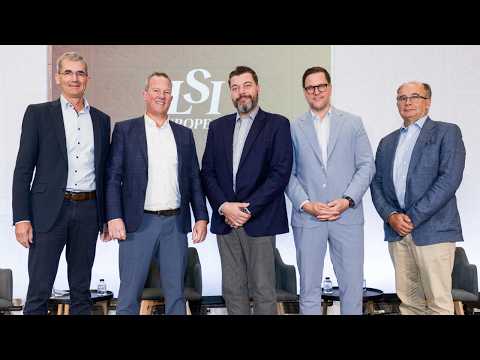
Industry experts from DaVita and beyond join moderator Tomer Stavitsky to share essential strategies and practical advice for navigating corporate development and avoiding common pitfalls in medtech.

Tomer Stavitsky  0:06  
All right, so this is an interesting topic, demystifying corporate development. You know, it could be a very simple process for corporations and startups, or it could be very complex. So hopefully we're able to help the folks in the audience today. Maybe let's start with quick intros, starting with you, Bill,


Bill Phillips  0:27  
yes, so my name is Bill Phillips. I'm a long term med tech executive. I've worked at the most of the major strategics today. I'm the Chief Commercial Officer at turmoil neuro. I also run a small family office called Al Runa advisors, and provide other advisory and investment work for several firms in PE and VC space.


Justin Montellese  0:53  
Justin Montellese, Senior Director of Corporate Development at Hologic. Hologic is a $4 billion company focused on women's health, but really underpinning our expertise is screening, diagnosis and treatment. Excited to have the opportunity to share this, this great panel with you today. Jovi, hi


Jovie Katticaran  1:12  
everyone. Jovi Katticaran, I'm a director on DaVita Ventures Group, who was previously with many different strategies, GE HealthCare. Levinova. Siemens was an electrical engineer by training and then moved into the field of corporate development and investing.


Tomer Stavitsky  1:32  
And I'm Thomas Davis key, a fractional Chief Business Officer, working with a number of startups, assisting with anything from inorganic growth to organic growth. Previously, it was intuitive J and J and Pfizer. So let's kick it off with a question about the early stage challenges. So the question is, in your experience, what are some common pitfalls in early engagement, the early engagement phase, between startups and strategics, it could be partnerships. It could be exits, like M and A's. And in your view, how can these be avoided? Maybe, let's start with you Justin,


Justin Montellese  2:09  
yeah, I think the the way to avoid some just challenges is just setting expectations right, making sure there's general alignment between, you know, a strategic and a startup, whether that startup is, you know, a commercial, a company that's pre commercial, pre revenue, or just on the sort of going through that commercial life cycle. You know, I think as you're engaging with the company, making sure there's alignment, making sure that there's just clear communication around what the expectations are and what we're look both parties are looking to try to achieve. I think that'll make things a lot more efficient and effective as you go down that deal pathway, whether it be a partnership, whether it be an acquisition or a strategic investment. I'm sure we'll cover a lot more of that in detail, but I think again, really strategic alignment communication that underpins everything, frankly, in deal making. So


Tomer Stavitsky  2:57  
yeah, Jovie,


Jovie Katticaran  3:00  
yeah, I'd say strategic alignment is definitely key. Another thing that I would tell startups is every strategic firm seems to have a different way of investing. There are some strategics that are willing to do early stage investments and take risks up front, and that is their norm. There are other strategics that are, you know, waiting for proof of concept studies or early feasibility studies before they decide to make an investment. And then there's another set that solely do transactions with commercial based, you know, revenue based companies where everything on the clinical side has been completely de risked. So I'd say also figuring out where a strategic falls in that continuum is important as you approach them, and decide when the right time would be for them to invest in the round.


Tomer Stavitsky  4:01  
Yeah, good points both. Maybe I'll just add startups. You know, when they come to the process, it's going to be good if come with an open mind. And, you know, for example, don't come just with an M, a and left. It's absolutely something that needs to be done. But there are multiple ways it's in order to do things. And at the same time, it's going to be good if the strategic folks, you know over the strategic they're also flexible in their thinking and can think about, you know, different deal types.


Bill Phillips  4:29  
I think that's a valid point, particularly to having been a large set of strategics through the acquisition side and now supporting a lot of small startups, is is that with limited resources and funding that you may have, or the size your organization, you need to think about the right fit. Because sometimes people will think about, well, that organization may be a good fit for me, but they don't understand the true and strategic intent behind the understanding of what the organization is built around, or what is the maybe pivot strategy that the organization is maybe considering. I. Yeah, and you can spend a lot of time and resources as relates to where you want to position yourself. So I really encourage particularly, a lot of the smaller firms that are looking at building these type of relationships. Who do you want to go to, where do you want to go to, and why do you want to be there? Because if you're not able to have that level of definition, it makes it very difficult to be able to initiate a discussion that's going to be able to continue that may or may not lead to something


Tomer Stavitsky  5:23  
absolutely shifting gears a little bit further down the deal process. This is about the uncertainty in the due diligence process. So, you know, look, I mean, at the end of the day, due diligence can pretty much make or break a deal. A deal could succeed. A deal could, you know, break in the middle, a great break in the beginning. I'm sure all of you guys then, you know, different flavor of it, and typically it breaks, at least in my view, due to certain overlooked areas. The Overlook could come, you know, from the strategic side, it will come from a startup side. What are some areas that you've seen are often overlooked. And do you have any sort of frameworks that you utilize to avoid these, these issues?


Justin Montellese  6:08  
I think in any diligence, the seller needs to come prepared and understand the expectation of what the buyer will have. So in terms of specifics areas that overlooked, I mean clinical, regulatory, right, making sure the trials are designed and done that would meet the end points of what a large strategic would expect. I think quality is something that's paramount, right, understanding what the quality system looks like, and recognizing a quality system of a startup or an early organization is will be very different from a large strategic but that's an area of diligence that will always sort of raise questions in an area that, you know, a large strategic will dig into and thinking about, you know, if the quality system is not up to par, what that remediation effort looks like. And then, of course, anything on the financial due diligence side, right? I think it's critical that you don't try to play hide the ball, or you're sort of transparent about the financials, transparent about the historicals, but also about the forecast and the reality of the forecast. I think just again, going back to transparency upfront, and being clear in terms of what, what the actual underlying business is, and communicating that to the strategic or to the acquirer or investor, I think that will result in, you know, getting to a successful outcome. And I think, you know, it might, there might be some challenges in that process, of course, right? There might be some changes the purchase price or deal terms or structure that protects the strategic or the buyer or investor in this case. But, you know, I think if the ultimate outcome is a exit or a transaction, and you think that this strategic or partner is the right home for the business, you know, I think that's it all goes back to, frankly, just being prepared and being open and, you know, being a good partner through the diligence process.


Tomer Stavitsky  7:47  
Absolutely bill. Anything to add? Yeah,


Bill Phillips  7:50  
I think beyond transparencies, I think the keywords, which is integrity, sometimes we think about the value of which will we bring information? The other challenge, I think, you know, reverse it is, is that we have to recognize, particularly for probably many of you in the field, is that the goal posts continue to move. If you look at where we were, pre 20, pre COVID, in terms of what were the requirements for a strategic to look at an interest, to make an investment post COVID, and the standards of which Now you talk about QMs, you talk about clinical data you talk about well as they're going to be market ready. I think that part of the frustration today, that that you, that you feel and or here in the smaller startup universe, is as you approach a strategic again, it goes back to your homework. Do you understand the type of game that you need to play in the field, you need to be in terms of those expectations, and then having the integrity to have the open discussion around are the goal posts understood and clear, to lean into that partnership that you brought out


Tomer Stavitsky  8:47  
absolutely doing the homework ahead of time. That's that's the best practice, that that helps avoid mistakes. Anything to


Jovie Katticaran  8:56  
yeah, definitely concur with what you've said. I think an area that keeps getting under looked is what happens after the acquisition, and that's where the importance of the forecasts come, especially if the deal is contingent on earn outs, where there is a significant part of valuation in those earn outs, those forecasts need to reflect reality and the integration plans of the company would should also take into account the investments required to meet those forecasts, especially as those especially so that those milestones are met. So I'd say, you know, phase one of diligence are those big questions, does this fit our strategic profile. Does it meet the clinical end points? You answer those big questions in phase one, and then the phase two of diligence. Is more the confirmatory diligence, but also figuring out what those future focus could look like after an acquisition,


Justin Montellese  9:56  
and going back to the earn out point, it's actually really paramount, too. Especially as you think about companies that are early in their life cycle, that are taking on clinical risk, regulatory risk, reimbursement risk, right, as we think about those earn outs, right, earn outs are oftentimes something that gets litigated if they're not if they're not achieved, and there's pointing fingers back and forth, and you know who's responsible. So I think being prepared and being representing a forecast, and being able to hold, sort of hold your your perspective on those, those numbers, I think it's critical, because you the the acquirer wants to be able to pay out those earn outs. They the seller wants them to be achieved, right? Because it creates value for everyone at the end.


Tomer Stavitsky  10:42  
Yeah, and just to piggyback on your point, you know, an issue I see happening, I wouldn't say constantly, but you know, sometimes it happens in deals is there's a lack of focus on scalability and kind of planning it out to the future. So typically, these things are being found out during diligence. And sometimes, you know the buyer and the seller, they just agree on scalability plans. But then if execution is not there and it's not scale, then exactly what you say starts happening. People miss on earn outs, yeah, so shifting gears a little bit to devaluation and deal structuring. Topic so very interested in your views. You know, obviously we're all deal makers here, and we see startups coming to our respective corporations with sometimes differing opinions, right? I mean, you can think that the startup is worth X. The startup can think they're worth 5x let's say, Okay, how, in your view, what's like the best mechanism in your view, to sort of balance that differing in opinions, as well as, how do you sort of balance the need of the startup on one hand to sort of be able to grow. And on the, on the other hand, the corporate wants to, you know, get things like exclusivity, rofrins, etc, so, so perhaps, like a two subject question, I


Jovie Katticaran  12:11  
guess, yeah. So that's, you know, there's always this pull and push of what the ideal valuation of a company should be. And if you look at most strategics, there is a mandate as to what any deal metrics would have to be. Is it return on invested capital in three years, in five years, NPV metrics. And so if the evaluation is much higher, then it's very difficult for that strategic to fit that deal in, within the financial metrics that we are given. One way to work through that is looking at earn out structures and then again, you know that isn't the perfect answer. There are some technologies where you acquire the technology, it becomes an integral part of your software. It's hard to figure out which part of the revenues accrue to the acquired technology versus the existing technology that was there. And so, you know, there are these few different mechanisms where you could de risk the company itself, and ensure that and if everything goes to plan, then both shareholders, both sets of shareholders, end up being rewarded.


Justin Montellese  13:35  
I mean, I think top line growth is everything in Medtech, right strategics are willing to pay premium multiples for for growth assets, right? I think that's the that's the name of the game in the sector. What is, I think, interesting, and something a paradigm to keep in mind is, right? As a innovator, a startup, someone who's driving, you know, and creating true value and success, your value idea valuation might be vastly different from a strategic view of valuation, right? I mean, there's that common, and Jovi was talking about this a little bit, there's that common mismatch between expectations, right? There's obviously a market clearing price, but and earn outs are a way to bridge that gap when there is a massive dis or a big disconnect, you know, I think that's the easiest way to do it. I think, is talking about valuations, right? We're in an environment where valuations have come down in public markets, but premium assets are still trading at, you know, the upper echelons, you know, eight to 10 times range for good quality assets in Medtech, you know, and Tomer, going back to your question around sort of structuring and exclusivity. I think, you know, exclusivity is something that we will always want in any transaction. You know, we want 4560, days to do our diligence. We want to ensure that there's no other parties at the table. I'm assuming you guys feel the same way, as you look at assets and are involved in processes. But with that. If it's a super competitive process and on a tight timeframe, there are instances where, you know, exclusivity cannot be granted, and that's sort of the world that we operate in as deal makers, and we're willing to take on that risk. But exclusivity is something, generally speaking, we always want as we're negotiating, but for the right if, as an innovator, as someone who's building a growth oriented company for the right asset, if you are a premium product and premium market, you know you can certainly bridge its gap and get to the market without exclusivity, as a without granting exclusivity to strategics.


Tomer Stavitsky  15:37  
Absolutely, absolutely so. Jumping to the integration topic. So integration, you know, we did the deal, but you know, the further issue that can crop up in the integration and kind of diminish the value that the corporate once thought, you know, in the valuation model, or the strategic case, once the deal is closed, in your own respective experiences. Where do you kind of see the major pitfalls? You know, maybe it could be cultural, operational, strategics, you know, maybe it's other topics. But where do you see the main pitfalls, and how do you sort of strategize to avoid its pitfalls? I


Justin Montellese  16:21  
think, you know, after everyone's done celebrating, the closing dinner is done, that's when the real work happens, right? That's when you have to create the value, the Excel model and the business case that's been constructed. Now, you need to turn that into reality. And that often, you know, there could be challenges in that, right? I think it goes back to true alignment during into the eight integration process, open communication, I think you need to treat every integration a little bit bespoke, right? You can't have the exact same playbook for the exact for a different asset, because every situation is different, right? There's situations where it might be just a commercial product that you're just looking to add to the bag and a core tuck in, where you're just want to integrate things as quickly as possible. And then there's other situations where it might be an acquisition, or that's a true strategic growth platform, where, in certain cases, we will reverse integrate our business into the acquirer. That brings, you know, new skills in a true innovation. You know, we've experienced that a number of our deals recently at Hologic. So again, every entry, integrations do is different. I think the pitfalls happen when communication isn't clear. True plans are not created. I think diligence should inform integration. One of the things that we do, like I'm sure everyone else does here, is integration starts at diligence. So we'll have an integration lead on all of our functional diligence calls. It's part of our governance process as we're going through the internal approval processes as well. And I think that's one common way to avoid pitfalls, at least.


Tomer Stavitsky  17:50  
Yeah, I mean, in my respective roles in the past and some of the big strategics, I found that when you have strategic drift happening post the deal, sort of keeping the startup a little bit independent, at least in the short term, as we kind of integrate it more enabling, you know, some kind of access to executive teams, or some kind of coordinator like the IMO office. You know, that's when things are being solved, basically as they go. I mean, there's


Justin Montellese  18:21  
certain things that have to happen right in order to sell the product right. You have to have do some form of getting the product or the platform into an IT system, for example. But then there's other things culturally that might not have to happen right away, or you might have to think about new ways, of course, of creating an integration plan around if the company that's being acquired has a core capability that we want to benefit from. So again, every situation is ultimately a little bit different. I think that's a way to at least drive success and value creation.


Bill Phillips  18:49  
Absolutely. I think it comes down to two simple things, process, process, process, clarity, clarity, clarity. And if you're a small firm that's going in, and it depends upon the intellectual capital and the R and D team and whether that transference is really relevant for the strategic to absorb in that clarity of role and expectation. Because strategic shift always occurs at the end of the last drink of the party. Because when a real work begins, the challenge of it is who's going to do that work and who's going to drive the accretive value of what the acquisition was for. And so if you look at I think that over the last several years, firms have really pivoted somewhat of having more of a third party adjudicator that's inside the corporation, whether they're coming from finance, they're coming from legal, they're coming from project management, driving a PMO initiative around process, process, process and clarity, clarity. Clarity allows for the organization to align more quickly, because those first 90 days, though, people don't think much about it, those first 90 days of the integration in which the speed of which the organizations will will come together, will really kind of determine the longer term trajectory, or the six. Success of that organization. And so if I'm a, you know, early stage startup that, you know, maybe here, that's the ability, where you want to be able to decide when you're going to be the passenger and when you're going to be able to be engaged and support and holding to the steering wheel. But all you need to be able to set up your process and your clarity. If you don't do those two up front and set that stage, it makes it for a very difficult relationship that's going to run off the rails at some point,


Tomer Stavitsky  20:25  
absolutely. So it kind of connects to the next question, actually the role of open dialog. So, you know, obviously transparency, quick communications, clarity, as you said. You know, these are all crucial, especially if the deal becomes more and more complex. So in your own experiences, any sort of frameworks or tips on, how do you ensure open communication across a number of stakeholders involved in a deal? You know, they can be functional experts, inside, outside the company. Deal sponsors, the founders of the company are acquiring or partnering or investing. You know, they could be investors. Any any thoughts on that topic?


Jovie Katticaran  21:06  
Yeah, I think what Bill said, having clarity on what the integration plan is for the first 90 days is key. You know, if the acquired company is a large company, that it's being run by itself, and you know, the head of that company reports into the acquiring company. That is one thing, but if it's a smaller company, where suddenly, if all of the functional leaders who are previously reporting to one CEO is now reporting into multiple functional leaders, and then there's all of the priorities of the larger org rolling down to these functional leaders, plus the integration work that needs to happen, it can get overwhelming. Plus there's a big cultural shift where you are focused on getting this product through the finish line to all of these organizational priorities that have to happen. And so aligning on those first 90 days, what that's going to look like is going to be key, and is also going to set the pace for how integration would work after that. You know, after that first 90 days,


Tomer Stavitsky  22:16  
Justin any any point for me.


Justin Montellese  22:18  
I mean, I think everything through the M A process comes down to communication, both internally within your own organization, but then also externally with the, you know, the company that you have under LOI or you going through diligence with, you know, internally, right? Having those that to make it a smooth process, having those core governance processes in terms of, you know, managing the diligence team, but ensuring that you know, you're also going through your appropriate governance process, where, in the sense, where you're getting your approvals done, you're managing your executive team, the executive sponsor of the deal. I think that's all obviously critical. But then as issues come up, having that executive sponsor or the deal team, even if the smaller group communicate that to the target and have an open dialog with them about it, right? Say, you know, we found diligence findings that you know were that we think are a issue, for an example. And just say, you know, we're still committed to the deal. We're still, you know, we still value the the opportunity and recognize the strategic thesis, but, you know, there might be a change to purchase price, but we still want to get this accomplished. I think that's really the easiest way to do it right. I think ensuring alignment between the buyer and the seller early on creates was really the creation or the opportunity to create success longer term in this partnership that you're going through together,


Bill Phillips  23:40  
there's one area that that many in the crowd probably would struggle with as well, and it always happens, particularly when you acquire a smaller company, which is the the larger strategic things. Well, I own you now, and your your job is to listen to everything I say, but the acquired firm also has a bunch of investors that they're also trying to manage and navigate, whether they're VC, whether they are a private set of investors or a small purchase group, and they're trying to navigate the journey of satisfying those needs, satisfied or not, in terms of how the acquisition was done, like you talked about Justin and Jovi spoke about the P evaluations. Is it going to be a 6x and 8x or a 10x if it's above 10x people are pretty happy in the med tech space when you're starting to talk 5x after you're acquired this this individual is now, this leader, is also engaging with the investor community, trying to make sure that they're maintaining that credibility, thinking about what is that next opportunity where they'll be able to bring that journey along for for new investments, and the next stage where They're going to go, because in many cases, they may stay short term, maybe a year or two or three with the acquired firm, but they'll probably end up moving on onto another idea, which they may feel is going to create new, accretive value, but but that empathetic turn can move pretty fast, and having been on the other side and did the you know, did the eating off the plate, you. Forget very quickly about the challenges that the that the that the founder has in terms of investor management, because that is that is one part that we mostly kind of step away from, but that is a very real thing that you had to think about through that process of how they're struggling and being able to manage multiple stakeholders.


Tomer Stavitsky  25:18  
Absolutely, absolutely so another topic. I'm just curious your guys opinion, it's leveraging outside advisors. So, you know, outside advisors, they're being used both by startups, both for large companies, and typically, they're being leveraged to fill some expertise gaps, or perhaps, you know, the organization doesn't have just enough resources to dedicate to the matter. I've seen cases where both startups and large companies, they just employ too many advisors in a given deal, and then there's just too many voices in the room, and things just turn chaotic and inefficient. How in your view, do you ensure that real value is actually generated by outside advisors? Yeah, as


Justin Montellese  26:06  
you're going through the sale process, I think, and speaking specifically to a sale, right? I think having an investment bank guide you through the process as a startup or a commercial company, I think it's critical. I think it's helpful for two reasons. One, it adds it's helpful for the buyer to just manage through sort of diligence with one party, probably who they're used to engaging with in the past, whether they've worked across the table from them before, alongside of them, or just have a general relationship. I also think Ben more importantly, in this situation, right? That investment bank is going to represent your interest as a startup or as a company, that's that's that you're their client. But not only that, they're going to understand the story, they're going to be able to communicate that story to to buyers effectively and really help sell the value proposition story and the value creation story. I also think obviously, bringing in the appropriate level of accounting, finance, tax advisors is always really helpful, particularly, you know, a sell side quality of earnings report. It just adds credibility as you're going through the diligence process. It helps. It's helpful across the board. So, you know, I think advisors represent the seller's interest. I think are really helpful in just expediting that process as well as we think about making it smooth for everyone to more to your point, sometimes too many advisors can create a little bit of havoc. But overall, I think, you know, having the right advisors at the table is really helpful,


Tomer Stavitsky  27:29  
right?


Jovie Katticaran  27:30  
Oh, so on the buyer side, on the strategic side, the times when external advisors are brought in, typically is when it's a white space. So when there's a new market that a strategic is trying to enter and they don't have those capabilities in house, then, you know, working with key physicians or Kol leaders in that space, regulately, legal consultants in that space, IP consultants in that space. That's when we bring in external advisors, and for the most part, that's added value, because those are capabilities today that the company doesn't have in house. Another situation is to manage conflicts of interest. If there are multiple technologies in the same space that we are looking to invest in, then having an external or separate teams digging through both companies or evaluating both companies. You know that's that's another space where it works well to bring in external advisors, but generally, because these are advisors in specific key areas with key asks. It's a very well managed you know, they have their scope of responsibilities. They come evaluate the technology or company, and then and leave. It's, it's a, typically, it's a very well managed process.


Tomer Stavitsky  28:58  
Great. Maybe we'll just finish with her bill.


Bill Phillips  29:02  
So Tony, I'm going to switch it just again on the smaller side, because their comments are like, really spot on as relates to how the strategic goes in the role as you're going through the acquisition process, right? You need to leverage that dollar and turn it into two the other piece of it is, is the QMS, the regulatory the tie down in terms of the package that you deliver to the organization, to be able to get that deal through those advisors, the work is absolutely critical. I would always encourage that you should spend into that final framework, whether you have to go out and get fractional partnerships or fractional contracts with certain specialties to ensure that when you're going into the strategic that integrity, that process, that workflow, is sitting there, because without it, it creates those crisis confidence of crisis in terms of saying, is this post my diligence the right way to go? So if you know, if you're moving through that, I would always encourage lean in and spend, but make sure that that burn is the right level and drive that revenue strain. So. You're building that that confidence on the other side of the table, you're going to be able to come in and close it at the right


Tomer Stavitsky  30:04  
way, makes perfect sense, and we're out of time. Thank you.

LSI USA ‘26 is filling fast. Secure your spot today to join Medtech and Healthtech leaders.

March 16th - 20th, 2026  Waldorf Astoria, Monarch Beach Register arrow