Gavin Leonard 0:06
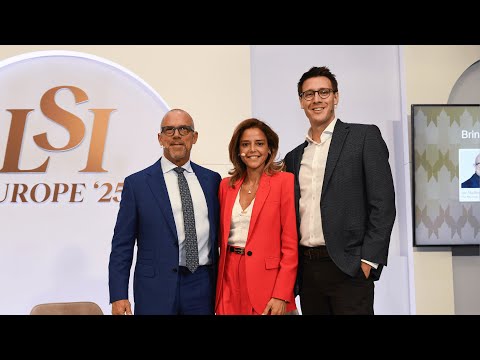
So good afternoon, everybody. I'm Gavin. I'm the CEO of Medtech syndicates. We're an online capital formation company that focus on clinicians investing in medical devices. For great panel here today, and I'm going to let them introduce themselves. So Dave, do you want to go ahead?
David Uffer 0:23
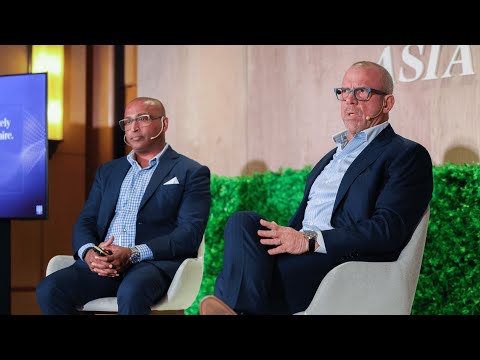
Hi, Dave Uffer, I'm the managing director of Trinity Life Sciences. It's a 1200 person strategy consulting firm. I lead the med tech practice. Have been myself in med tech for 35 years. First 25 years was corporate and strategy and M A as well as investing under corporate ventures. And then went to investment banking strategy advisory venture studio. So my day job is consulting, and then I also invest on the behalf of a $6 billion family office.
Soyoung Park 0:56
Hi everybody. My name is Soyoung Park. I'm a general partner of 1004 Venture Partners, we are the global early growth stage fund venture capital to invest in transformative technology to support healthy aging. So we are looking for companies in the three pillars. One is proactive health and wellness. And second is independent living and caregiving. My our third pillar is next generation health infrastructure. If you are fit in this criteria, I love to talk with you later. Awesome.
Omid Akhavan 1:35
Omid Akhavan, I lead Anthro Ventures, our family office. We invest across Medtech, mostly late clinical through commercial stage. Medtech, very sub sector agnostic. My background bio engineering management consulting, strategy, business development, Ben Dickinson, and then I was at MVM partners before leaving to focus on our family office. Perfect.
Gavin Leonard 1:58
So the title of our talk is how we use startups unlovingly violate funding laws. Okay, it sounds scary. It's not. What we want to do is not stop people from pitching, but we just want to educate you, and there's a right way to do it, and there's a wrong way to do it. And the laws go back to 1933, but have been updated recently in 2012 So Obama brought in the Jobs Act, and basically it was, before the Jobs Act, you could only have accredited investors investing in companies in the US. So the job Act allowed for general solicitation. So there's going to be a couple of rules that we go through. We're going to go through them very quickly, and we'll just do a little comparison, but we'll then discuss the pros and cons of all of those regulations, and we'll take questions as well. Okay, so with the Jobs Act, it did introduce equity crowd funding, so it introduced a thing called reg CF. So reg CF allows you to raise $5 million dollars, and it allows for a non accredited and accredited investor to invest at the same time. But one of the other things that did was brought in reg A which is you can raise up to 75 75 million. But there's two very cool things about it. One, it can have a liquidity event of up to 30% for your early stage investors. And the other thing is, it pre qualifies you for an IPO, which we don't encourage companies to jump on an IPO, but it's a comfort for investors knowing that you're pre qualified for it. So on an event like this, we always get the question, well, what's the difference between pitching and selling securities? And really it's just the language that you use. There's no magic thing about it. It's if you are pitching your company, you're describing it, you're talking about milestones, you're talking about future capital needs, and you can quantify that by how much you might need. The opposite side of it is selling securities, and that is stating that you're raising 5 million at a 20 million valuation, at that point, you're offering securities. If you're asking someone to invest, it's the same thing. There's a difference between if you know them versus you don't know them, so general solicitation versus friends and families. But if you're providing any information that allows somebody to invest in your company, there are laws between what you can and can't do. So let me just bring up reg D. So reg D 506 B and REG D 506 C are the two regulations that are most important for people who are raising money. Reg D, 506 B have been has been around since 1933 and essentially it is you can only sell securities to accredited investors. When the Jobs Act came around, they brought in reg D, 506, C, you're still selling to accredited investors, but you can do general solicitation, which means if you don't know somebody, you're still able to do that general solicitation, ask them if they want to invest. Asked. But the difference is they have to prove that they're accredited investor in reg D, 506, B, they have to be an accredited investor, but they're the barrier to proving that your accredited investor is essentially ticking a box. You can have 35 non accredited investors in that but once you have one non accredited investor, you have to prove accreditation for everybody. So it's not really worthwhile. Okay, so who can invest? What is an accredited investor? So essentially, somebody who has an income of over 200,000 a year, or has net worth of 1 million, not excluding their primary residence or any entities that have over 5 million under management. Okay, so here's the kind of guidelines in and around Reg d5, or 6b. General solicitation is not allowed, so you have to know the people who you're going to it's unlimited in terms of you can raise as much funds as you actually need to raise, and you can take in 35 non accredited investors. We don't recommend that you do that, but it is self certification, and then you just have to for fill in a form. D, it's best for friends and families, but it's very quick. There's less verification. So you can start raising under five or 6b without having making any submissions to the SEC. So it's very handy. When reg D, 506, C came in, it allowed general solicitation. It's only for us accredited investors, but you actually have to prove accreditation. Okay? So the difference between taking a box and proving you're accredited is you have to get your lawyer, you have to get your accountant. There's a number of ways. There's about eight different ways you can prove your accreditation. But on a site like Medtech syndicates, we have to prove that everybody is accredited coming in. You still have to fill in the same form, B. You don't have to have a dealer bro, a broker dealer. But it is. It's kind of looked at as a favorable thing to have, but it is a little bit slower than a 506 B. So I mentioned that 506 C and B are only for US investors. So if you have to take an investment from O us, you basically do what is called a reg s. A reg s is much easier to do because if you have any US investors, you fall under sec and finger guidelines. If you're o us, there's only about three countries that require for the accreditation, okay? So if you're doing o US and US investment, you just have to make sure that they're separate offerings. So one of the best things about the Jobs Act was it brought in reg CF. Okay, so reg CF is for one of a better word. It's crowd funding. The fancy way of calling it is online capital formation, and that's the one that we use. But what's beautiful about reg CF is you can take in funding from anybody globally into your reg CF, offering up to 5 million, and you can have accredited and non accredited investors. You do need a broker dealer, and that is to make sure that the KYC, the Know Your Customer, and the Am l, the anti money laundering is done, but there's also a bad actor check and due diligence. So it's actually very quick to do. You file your form C, and you're ready to go, Okay, so with Medtech syndicates, we do use reg CF, but we only do it for clinicians. Okay. So what? When the panel gets going, we will talk about the difference of retail investors and clinicians as well. The last regulation we'll talk to you about is reg a, Reg a plus. Okay, so reg a again, general solicitation. You are allowed to take in funds. Globally. It's up to 75 million. There are forms that you need to fill in. It is more expensive in terms of the due diligence that you'd have to do before you start, because you are raising such significant amounts of money. You do need a broker dealer to do that, and you also get the pre approval for an IPO, okay, so that's a very quick whistle stop tour of regulations. Okay, we will take questions later on, but I just want to talk to the panel a little bit about this. Okay, so in terms of fundraising that you have been involved in so far, has it been the majority Reg, D, 506, B, or has it been a mixture of the different regulations? What about you, Dave, I've seen it across just about any one of the ones that you presented today. More so crowdfunding for very early stage companies that
David Uffer 9:53
didn't want to go through their angel networks and the friends and family route and then on the. D, ones that are a little bit more structured, maybe even had some representation helping them navigate those waters.
Gavin Leonard 10:07
Okay? And what about you? So
Soyoung Park 10:09
yeah, in my case, I see definitely most of VCs are taking five or 6b The reason is, we definitely have some, some kind of big sources of the fund, and we like to have some limited LPs, rather than too many people in our cap table. So that's the one reason we think we like to go to five or 6b and also it actually reduce the expenses like tax, k1 insurance or administration, and also legal fee will be much, much simpler and cheaper in our side, in the under fund.
Gavin Leonard 10:48
Yeah, great. And it actually brings up follow on questions for both what you've said. So how about you?
Omid Akhavan 10:52
Amir, I've done both. I mean, I've also done crowd funding through angel list, just as an individual investor to support other companies in healthcare, outside healthcare. Okay, so
Gavin Leonard 11:05
I've talked to a number of different VCs, family offices, and the feelings between reg CF are often very mixed. Some people they don't mind it, and some people are going, Oh, I don't want to have a lot of unsophisticated investor or unaccredited investors in the cap table. When you look at a deal that has a reg CF completed and has an SPV, let's say, how do you look at that? Does it put you up or down on the investment, or is it something that requires a little bit more due diligence?
David Uffer 11:38
For me, look been around a med tech a long time, and in this day and age, we see a lot of your institutional investors that have kicked the can down the road a little bit, so they're going a little bit later stage. And we do have this gap in the very early stage. Again, if you don't have a very strong individual network, or you're not able to find angels directly through the network. I think reg CF is fine at a later stage, as we had discussed, it gets a little bit messy. And I do like SPVs in Angel networks, that will help you bring in many you get one check. You have one organization, the cap table. When you've got 132 lines on the cap table. It gets a little bit messy for the later rounds. And there's complications that we could talk to, but there make some complications later on for sure that you want to clean that up as you get to your series, A, B, even especially later on. Yeah.
Gavin Leonard 12:36
How about So, yeah, if you see reg CF rays on a cap table that you're looking at. How does it put you
Soyoung Park 12:43
so as a matter of, I don't really care if you can have access to the fund. Please take it as much as you can. That's what I think. But as David mentioned, that once you go to the Series C and D and E, who knows what? How round, how many rounds you will go the when big VCs come in, they make concern about this kind of cap table list. There are so many people in under the cap table, they usually not very happy about it. In my case, I'm I go to the little bit more stage, so we are little bit more open and flexible. But later stage, when they see that as a kind of too much cumbersome and then too much cost, expenses they are. You may need to be able to answer what, why we have this one, but if you can minimize the list on the cap table, I think that's actually very good strategy to show that how organized you are in managing your cap table.
Omid Akhavan 13:39
I definitely agree with so young I think, for for me, what's more important is governance. So as you think about, you know, when you have to go get shareholder approvals, where's the decision making? You know, is that concentrated? If it's an SPV and there's a single point of contact that's signing on behalf of all the shareholders, that's easy, but if you have to now go and get, you know, requisite approvals of, you know, 30% of the cap table, that's, you know, 50 individuals. I think that becomes difficult and onerous. I've had one company where they had raised a bunch of money from individuals and doctors and, you know, getting the deal done was difficult. But then, now that, you know, I'm a major investor, actually, our shareholder approvals are a lot easier, because it's, you know, we need seven signatures instead of, you know, 27 signatures, right? So it just goes a lot faster.
Gavin Leonard 14:28
Yeah, no, I agree. So we talked about this briefly outside as well, in terms of all of the companies that are at LSI or at various different conferences, get approached by people who are willing to help them to do a fundraise. And this can be really good, or, on the other side, it can be really bad. Have you got any advice for the companies in the room on, you know, how do you, how do you vet somebody in terms of, if they're saying, you know, we can help you fundraise? Well. Would be the questions you will ask.
Omid Akhavan 15:01
Well, I mean, I think the easiest thing is, you know, are you a registered broker dealer with FINRA? Right? That's, that's your starting point. And that's very clear cut, black and white. They can take a percentage of whatever they raise. And, you know, do a, you know, success based, milestone, based compensation. But then, I think, then you have these kind of in betweeners where, you know, it's an advisor, they're a consultant. How do you get paid? You know, and then you start dancing around the lines of, you know, broker dealer laws. And I think, when was it? Maybe 2018, 2019 FINRA came out with, like, it was, like, I guess, a guidance document on, you know what, what unregistered broker dealers are. And if you're a finder, which is really, you know, you make an introduction. You could take, you know, small amount, but it's always better to steer clear of any percentage based compensation.
Gavin Leonard 15:59
But unless you're a broker dealer,
Omid Akhavan 16:01
unless you're a broker, right? Yeah.
Gavin Leonard 16:04
What about you? Dave,
David Uffer 16:05
look, I've been approached many times and very intently. I worked as an investment banker under license of my firm, but I'm not a registered banker, nor do I care to be, and I'd helped a lot of people to raise capital, but outside of a success fee compensation. And that's where people try to skirt that line. And I think if people are skirting it and they're dancing too close to the line, that's a little bit of a signal. You must be fully registered to take a success fee as a percent of the capital raise. It's very clear. And you can have somebody come on as an advisor to the company, and you can pay them a fee for that, but then you're not success based. So it's scary world out there. When you're looking at that, do you put the capital in? And if you're going to do that, what do you check for? Everybody knows people, it's not hard to have a Rolodex and know a lot of venture funds, and people with those venture funds, but successfully raising capital is completely different story. A lot of people say, I know a ton of people, but they can't raise capital, and they haven't, and it's not easy. So just be very careful. When people come and tell you how much capital they've raised, and show me the ones that you've actually led in completed, and then you're open to talk, then you can work out the structure.
Gavin Leonard 17:24
Yeah, that's good advice. It really depends which which regulation you're using, based on how many accredited investors do you actually know, and can you list them? But let's see, is there, is there any questions that you guys would like to ask? I think we've we have a mic going around the room. So let's start off over here.
Audience Question 17:49
Yeah, Maria evenos from the Netherlands, in vivo, of course, always raising as a Medtech company, we are approached on me. Basically whole team is approached continuously by brokers. They say they have big Rolodex, right? Set Point you're barely discussing. Sometimes I go into the discussion, but nowadays, well, mostly I throw away the email because I don't believe the story. I think it's kind of hooks. And when I talk to them, I say, well, the only thing I want to do is a success fee. So do you take chance and the risk that you are able to raise money for me when, yes, when you're so convinced this, yes, then you should get a share of the raise capital. When you want to have a pre payment, it's completely no go for me. But do you see also in the US, a lot of companies trying to approach starter, because in this while we are with overwhelming every week we get a few meals for that one. It looks like a kind of well organized, hoaxed almost
David Uffer 18:48
you on tentative I see, I see a lot of folks that will go out there trying to lead a capital raise. It depends how structured they are, how large they are. We see a lot of bankers here that will take these when they're interested in being your M A or even some that are underwriters will take you through the IPO. They're not so interested in leading the capital raise, but they can, and they want to do that for the relationship and prove that they can be successful with you. Some of the brokers who are more specialized just in capital raise, I don't think any of them would do that if they're registered outside of at least a small retainer on a monthly basis. And if they're going to do it purely on success fee, you have to at least see their their last three to five milestones, tombstones, and then at least have a call with a couple of the companies that they've raised capital for, because everybody will want to take it on. But can they actually successfully in today's environment, lead that capital and talk to the people? How do they raise it? What were the timings that they promised you? What did they actually lead for process? How much of it that was left on you? Did they just drop off a. A venture firm with you after a phone call, or did they actually market this and lead the discussions? There's a lot we can get into, but you want to know what you're paying them to do.
Omid Akhavan 20:09
I think I'll add one thing to that, is that as you think about bringing on people to help you fundraise or help you in your journey as a startup, right, fundraising is one aspect right of that. And, you know, I think successful fundraise comes down to what is the problem you're solving? What is the team that's solving it? How good is your technology? How good is your IP? I mean, it's a multi factorial decision that an investor makes as I think about the process of fundraising. You know, what is important is to have, you know, a clear story with a polished deck, with a data room ready to go. And you know, nobody's going to do that for free, right? And so if you as the CEO, or you as the management team is able to do that, and capable of doing that, amazing, it's always good to get outside feedback on that. And so at times, you know, what I have found with some my portfolio companies is, you know, bring on an advisor. It's a strategic advisor who will help, you know, refine the story and refine the deck. And typically, those people are paid, you know, on a retainer, right? Maybe there is a bonus, right? I don't know, 20,000 $50,000 if you get a successful fundraise of, you know, 1,000,005 million, $10 million so it's basically a flat fee basis. And that, I think that is a structure that works. But I don't, you know, I think you get what you pay for. So people who are just out there, hey, you know, we'll just take a percentage and get no retainer, they'll send 150 emails. And that may also, I get all those emails all the time where it's like, you know, the per the random broker dealer, shopping five company. I've watched these emails come in. I've never responded, but I've watched and I'm like, Okay, wait, why is this company using this person, you know? Why don't they just email me directly, right? And so I think that's you also have to think about the brand that you're building, and what happens if you just, you don't pay someone to do the work, and they're out there on success based, you know, you have to worry
David Uffer 22:12
about each point Omid that remember, any representative is really an extension of your brand, and you're going to be viewed upon how they represent you as well. And if you work with an organization that really is incredible, they're not representing you well, and you're even maybe moving from one to two years your third advisor, you're going to look very bad in the marketplace. I had one company asking me, David, we want to use one of these three. Who would you recommend? Here are the terms they're setting. And one was so non standard in our industry, it send me so many red flags. I said, do not use them. They went with them. They promised them the world. They got nothing done. They were really upset, and like, You're not listening to the people who are advising you, and now you went with somebody really bad, and now you look bad and you don't look credible.
Soyoung Park 22:58
Yeah, I like to add one more thing there. So as Omid said, we receive a lot of emails from the brokers, a lot what we gonna do is just gonna pass it most of time, because we don't know them. So ask them if they know the investors directly, and at the end, we don't invest in you because of the broker. We invest in you, because of you and your team and your technology. The people who really, really need to bring everything on the table is you, not them. So ensure that you know everything, what they talk what they actually represent, what kind of brand they brought to the table. You are the one who takes a responsibility. And of course, it's great to get some help to prepare all this data room, all kind of things, but you should be the one who know all of this and then present it to us precisely and accurately. If you don't feel that way we like, we really like this company, so we actually can decide to go to due diligence, but this person probably don't understand what they are talking about versus what I read there, it gives a lot of red flag to us. So I highly recommend that actually you are the one who takes the responsibility and the reliable on here, they can help you to connect with some people. That's it. And then think about that. Is it worth to pay that much money?
Gavin Leonard 24:26
Yeah, that's great advice. We have another question over here as well.
Audience Question 2 24:29
Perfect. So forgive the slightly idiotic question that will come up, but someone made the comment earlier about fake investors, and I don't know about other people in the room, but I've been getting a lot of approaches from people who look like legitimate brokers, but when you Google actually, they just registered the website yesterday, so it certainly was something to watch out for. The idiot question is, when does a European or UK company fall in scope? Of sec. Is it if you take a check from an American investor, is it if you're an American corporation? Sorry to take us back, but it would be really helpful to ask your perspective.
Gavin Leonard 25:10
So the minute you take money from a US investor, you fall under sec and thinner guidelines, okay, but there are a number of exceptions. If it's not a public offering, and somebody came up to you and said, I really like what you're doing. Can I invest? There are rules in the 1933 Act that allows you to take on a few US investors before you have to do a reg D or make your disclosures. So there are times where you can use what's called Four, a two, and that's just for a number of investors. So if you have American investors on your cap table and you're going, oh my god, I haven't disclosed, it's fine. There are times where that is allowed. You just have to check with your securities lawyers, is this okay? Like, if you've got 100 people and you've raised 50 million, you're you're going to be in trouble. Whereas, if you've raised maybe 150 to 250 and you've got a couple of Americans, you just say, we raised that under four, a two. Okay, any other questions first? Okay. I just want to thank everybody on the panel. I think they are a wealth of knowledge. If you have any questions after the panel and you want to come and ask us individual if you're afraid you might be caught on camera saying something you shouldn't come up to us afterwards. And I'd just like to thank everybody on the panel. You did a great job.
Omid Akhavan 26:41
Thank you.
Soyoung Park 26:42
Thank you.
Gavin Leonard 0:06
So good afternoon, everybody. I'm Gavin. I'm the CEO of Medtech syndicates. We're an online capital formation company that focus on clinicians investing in medical devices. For great panel here today, and I'm going to let them introduce themselves. So Dave, do you want to go ahead?
David Uffer 0:23
Hi, Dave Uffer, I'm the managing director of Trinity Life Sciences. It's a 1200 person strategy consulting firm. I lead the med tech practice. Have been myself in med tech for 35 years. First 25 years was corporate and strategy and M A as well as investing under corporate ventures. And then went to investment banking strategy advisory venture studio. So my day job is consulting, and then I also invest on the behalf of a $6 billion family office.
Soyoung Park 0:56
Hi everybody. My name is Soyoung Park. I'm a general partner of 1004 Venture Partners, we are the global early growth stage fund venture capital to invest in transformative technology to support healthy aging. So we are looking for companies in the three pillars. One is proactive health and wellness. And second is independent living and caregiving. My our third pillar is next generation health infrastructure. If you are fit in this criteria, I love to talk with you later. Awesome.
Omid Akhavan 1:35
Omid Akhavan, I lead Anthro Ventures, our family office. We invest across Medtech, mostly late clinical through commercial stage. Medtech, very sub sector agnostic. My background bio engineering management consulting, strategy, business development, Ben Dickinson, and then I was at MVM partners before leaving to focus on our family office. Perfect.
Gavin Leonard 1:58
So the title of our talk is how we use startups unlovingly violate funding laws. Okay, it sounds scary. It's not. What we want to do is not stop people from pitching, but we just want to educate you, and there's a right way to do it, and there's a wrong way to do it. And the laws go back to 1933, but have been updated recently in 2012 So Obama brought in the Jobs Act, and basically it was, before the Jobs Act, you could only have accredited investors investing in companies in the US. So the job Act allowed for general solicitation. So there's going to be a couple of rules that we go through. We're going to go through them very quickly, and we'll just do a little comparison, but we'll then discuss the pros and cons of all of those regulations, and we'll take questions as well. Okay, so with the Jobs Act, it did introduce equity crowd funding, so it introduced a thing called reg CF. So reg CF allows you to raise $5 million dollars, and it allows for a non accredited and accredited investor to invest at the same time. But one of the other things that did was brought in reg A which is you can raise up to 75 75 million. But there's two very cool things about it. One, it can have a liquidity event of up to 30% for your early stage investors. And the other thing is, it pre qualifies you for an IPO, which we don't encourage companies to jump on an IPO, but it's a comfort for investors knowing that you're pre qualified for it. So on an event like this, we always get the question, well, what's the difference between pitching and selling securities? And really it's just the language that you use. There's no magic thing about it. It's if you are pitching your company, you're describing it, you're talking about milestones, you're talking about future capital needs, and you can quantify that by how much you might need. The opposite side of it is selling securities, and that is stating that you're raising 5 million at a 20 million valuation, at that point, you're offering securities. If you're asking someone to invest, it's the same thing. There's a difference between if you know them versus you don't know them, so general solicitation versus friends and families. But if you're providing any information that allows somebody to invest in your company, there are laws between what you can and can't do. So let me just bring up reg D. So reg D 506 B and REG D 506 C are the two regulations that are most important for people who are raising money. Reg D, 506 B have been has been around since 1933 and essentially it is you can only sell securities to accredited investors. When the Jobs Act came around, they brought in reg D, 506, C, you're still selling to accredited investors, but you can do general solicitation, which means if you don't know somebody, you're still able to do that general solicitation, ask them if they want to invest. Asked. But the difference is they have to prove that they're accredited investor in reg D, 506, B, they have to be an accredited investor, but they're the barrier to proving that your accredited investor is essentially ticking a box. You can have 35 non accredited investors in that but once you have one non accredited investor, you have to prove accreditation for everybody. So it's not really worthwhile. Okay, so who can invest? What is an accredited investor? So essentially, somebody who has an income of over 200,000 a year, or has net worth of 1 million, not excluding their primary residence or any entities that have over 5 million under management. Okay, so here's the kind of guidelines in and around Reg d5, or 6b. General solicitation is not allowed, so you have to know the people who you're going to it's unlimited in terms of you can raise as much funds as you actually need to raise, and you can take in 35 non accredited investors. We don't recommend that you do that, but it is self certification, and then you just have to for fill in a form. D, it's best for friends and families, but it's very quick. There's less verification. So you can start raising under five or 6b without having making any submissions to the SEC. So it's very handy. When reg D, 506, C came in, it allowed general solicitation. It's only for us accredited investors, but you actually have to prove accreditation. Okay? So the difference between taking a box and proving you're accredited is you have to get your lawyer, you have to get your accountant. There's a number of ways. There's about eight different ways you can prove your accreditation. But on a site like Medtech syndicates, we have to prove that everybody is accredited coming in. You still have to fill in the same form, B. You don't have to have a dealer bro, a broker dealer. But it is. It's kind of looked at as a favorable thing to have, but it is a little bit slower than a 506 B. So I mentioned that 506 C and B are only for US investors. So if you have to take an investment from O us, you basically do what is called a reg s. A reg s is much easier to do because if you have any US investors, you fall under sec and finger guidelines. If you're o us, there's only about three countries that require for the accreditation, okay? So if you're doing o US and US investment, you just have to make sure that they're separate offerings. So one of the best things about the Jobs Act was it brought in reg CF. Okay, so reg CF is for one of a better word. It's crowd funding. The fancy way of calling it is online capital formation, and that's the one that we use. But what's beautiful about reg CF is you can take in funding from anybody globally into your reg CF, offering up to 5 million, and you can have accredited and non accredited investors. You do need a broker dealer, and that is to make sure that the KYC, the Know Your Customer, and the Am l, the anti money laundering is done, but there's also a bad actor check and due diligence. So it's actually very quick to do. You file your form C, and you're ready to go, Okay, so with Medtech syndicates, we do use reg CF, but we only do it for clinicians. Okay. So what? When the panel gets going, we will talk about the difference of retail investors and clinicians as well. The last regulation we'll talk to you about is reg a, Reg a plus. Okay, so reg a again, general solicitation. You are allowed to take in funds. Globally. It's up to 75 million. There are forms that you need to fill in. It is more expensive in terms of the due diligence that you'd have to do before you start, because you are raising such significant amounts of money. You do need a broker dealer to do that, and you also get the pre approval for an IPO, okay, so that's a very quick whistle stop tour of regulations. Okay, we will take questions later on, but I just want to talk to the panel a little bit about this. Okay, so in terms of fundraising that you have been involved in so far, has it been the majority Reg, D, 506, B, or has it been a mixture of the different regulations? What about you, Dave, I've seen it across just about any one of the ones that you presented today. More so crowdfunding for very early stage companies that
David Uffer 9:53
didn't want to go through their angel networks and the friends and family route and then on the. D, ones that are a little bit more structured, maybe even had some representation helping them navigate those waters.
Gavin Leonard 10:07
Okay? And what about you? So
Soyoung Park 10:09
yeah, in my case, I see definitely most of VCs are taking five or 6b The reason is, we definitely have some, some kind of big sources of the fund, and we like to have some limited LPs, rather than too many people in our cap table. So that's the one reason we think we like to go to five or 6b and also it actually reduce the expenses like tax, k1 insurance or administration, and also legal fee will be much, much simpler and cheaper in our side, in the under fund.
Gavin Leonard 10:48
Yeah, great. And it actually brings up follow on questions for both what you've said. So how about you?
Omid Akhavan 10:52
Amir, I've done both. I mean, I've also done crowd funding through angel list, just as an individual investor to support other companies in healthcare, outside healthcare. Okay, so
Gavin Leonard 11:05
I've talked to a number of different VCs, family offices, and the feelings between reg CF are often very mixed. Some people they don't mind it, and some people are going, Oh, I don't want to have a lot of unsophisticated investor or unaccredited investors in the cap table. When you look at a deal that has a reg CF completed and has an SPV, let's say, how do you look at that? Does it put you up or down on the investment, or is it something that requires a little bit more due diligence?
David Uffer 11:38
For me, look been around a med tech a long time, and in this day and age, we see a lot of your institutional investors that have kicked the can down the road a little bit, so they're going a little bit later stage. And we do have this gap in the very early stage. Again, if you don't have a very strong individual network, or you're not able to find angels directly through the network. I think reg CF is fine at a later stage, as we had discussed, it gets a little bit messy. And I do like SPVs in Angel networks, that will help you bring in many you get one check. You have one organization, the cap table. When you've got 132 lines on the cap table. It gets a little bit messy for the later rounds. And there's complications that we could talk to, but there make some complications later on for sure that you want to clean that up as you get to your series, A, B, even especially later on. Yeah.
Gavin Leonard 12:36
How about So, yeah, if you see reg CF rays on a cap table that you're looking at. How does it put you
Soyoung Park 12:43
so as a matter of, I don't really care if you can have access to the fund. Please take it as much as you can. That's what I think. But as David mentioned, that once you go to the Series C and D and E, who knows what? How round, how many rounds you will go the when big VCs come in, they make concern about this kind of cap table list. There are so many people in under the cap table, they usually not very happy about it. In my case, I'm I go to the little bit more stage, so we are little bit more open and flexible. But later stage, when they see that as a kind of too much cumbersome and then too much cost, expenses they are. You may need to be able to answer what, why we have this one, but if you can minimize the list on the cap table, I think that's actually very good strategy to show that how organized you are in managing your cap table.
Omid Akhavan 13:39
I definitely agree with so young I think, for for me, what's more important is governance. So as you think about, you know, when you have to go get shareholder approvals, where's the decision making? You know, is that concentrated? If it's an SPV and there's a single point of contact that's signing on behalf of all the shareholders, that's easy, but if you have to now go and get, you know, requisite approvals of, you know, 30% of the cap table, that's, you know, 50 individuals. I think that becomes difficult and onerous. I've had one company where they had raised a bunch of money from individuals and doctors and, you know, getting the deal done was difficult. But then, now that, you know, I'm a major investor, actually, our shareholder approvals are a lot easier, because it's, you know, we need seven signatures instead of, you know, 27 signatures, right? So it just goes a lot faster.
Gavin Leonard 14:28
Yeah, no, I agree. So we talked about this briefly outside as well, in terms of all of the companies that are at LSI or at various different conferences, get approached by people who are willing to help them to do a fundraise. And this can be really good, or, on the other side, it can be really bad. Have you got any advice for the companies in the room on, you know, how do you, how do you vet somebody in terms of, if they're saying, you know, we can help you fundraise? Well. Would be the questions you will ask.
Omid Akhavan 15:01
Well, I mean, I think the easiest thing is, you know, are you a registered broker dealer with FINRA? Right? That's, that's your starting point. And that's very clear cut, black and white. They can take a percentage of whatever they raise. And, you know, do a, you know, success based, milestone, based compensation. But then, I think, then you have these kind of in betweeners where, you know, it's an advisor, they're a consultant. How do you get paid? You know, and then you start dancing around the lines of, you know, broker dealer laws. And I think, when was it? Maybe 2018, 2019 FINRA came out with, like, it was, like, I guess, a guidance document on, you know what, what unregistered broker dealers are. And if you're a finder, which is really, you know, you make an introduction. You could take, you know, small amount, but it's always better to steer clear of any percentage based compensation.
Gavin Leonard 15:59
But unless you're a broker dealer,
Omid Akhavan 16:01
unless you're a broker, right? Yeah.
Gavin Leonard 16:04
What about you? Dave,
David Uffer 16:05
look, I've been approached many times and very intently. I worked as an investment banker under license of my firm, but I'm not a registered banker, nor do I care to be, and I'd helped a lot of people to raise capital, but outside of a success fee compensation. And that's where people try to skirt that line. And I think if people are skirting it and they're dancing too close to the line, that's a little bit of a signal. You must be fully registered to take a success fee as a percent of the capital raise. It's very clear. And you can have somebody come on as an advisor to the company, and you can pay them a fee for that, but then you're not success based. So it's scary world out there. When you're looking at that, do you put the capital in? And if you're going to do that, what do you check for? Everybody knows people, it's not hard to have a Rolodex and know a lot of venture funds, and people with those venture funds, but successfully raising capital is completely different story. A lot of people say, I know a ton of people, but they can't raise capital, and they haven't, and it's not easy. So just be very careful. When people come and tell you how much capital they've raised, and show me the ones that you've actually led in completed, and then you're open to talk, then you can work out the structure.
Gavin Leonard 17:24
Yeah, that's good advice. It really depends which which regulation you're using, based on how many accredited investors do you actually know, and can you list them? But let's see, is there, is there any questions that you guys would like to ask? I think we've we have a mic going around the room. So let's start off over here.
Audience Question 17:49
Yeah, Maria evenos from the Netherlands, in vivo, of course, always raising as a Medtech company, we are approached on me. Basically whole team is approached continuously by brokers. They say they have big Rolodex, right? Set Point you're barely discussing. Sometimes I go into the discussion, but nowadays, well, mostly I throw away the email because I don't believe the story. I think it's kind of hooks. And when I talk to them, I say, well, the only thing I want to do is a success fee. So do you take chance and the risk that you are able to raise money for me when, yes, when you're so convinced this, yes, then you should get a share of the raise capital. When you want to have a pre payment, it's completely no go for me. But do you see also in the US, a lot of companies trying to approach starter, because in this while we are with overwhelming every week we get a few meals for that one. It looks like a kind of well organized, hoaxed almost
David Uffer 18:48
you on tentative I see, I see a lot of folks that will go out there trying to lead a capital raise. It depends how structured they are, how large they are. We see a lot of bankers here that will take these when they're interested in being your M A or even some that are underwriters will take you through the IPO. They're not so interested in leading the capital raise, but they can, and they want to do that for the relationship and prove that they can be successful with you. Some of the brokers who are more specialized just in capital raise, I don't think any of them would do that if they're registered outside of at least a small retainer on a monthly basis. And if they're going to do it purely on success fee, you have to at least see their their last three to five milestones, tombstones, and then at least have a call with a couple of the companies that they've raised capital for, because everybody will want to take it on. But can they actually successfully in today's environment, lead that capital and talk to the people? How do they raise it? What were the timings that they promised you? What did they actually lead for process? How much of it that was left on you? Did they just drop off a. A venture firm with you after a phone call, or did they actually market this and lead the discussions? There's a lot we can get into, but you want to know what you're paying them to do.
Omid Akhavan 20:09
I think I'll add one thing to that, is that as you think about bringing on people to help you fundraise or help you in your journey as a startup, right, fundraising is one aspect right of that. And, you know, I think successful fundraise comes down to what is the problem you're solving? What is the team that's solving it? How good is your technology? How good is your IP? I mean, it's a multi factorial decision that an investor makes as I think about the process of fundraising. You know, what is important is to have, you know, a clear story with a polished deck, with a data room ready to go. And you know, nobody's going to do that for free, right? And so if you as the CEO, or you as the management team is able to do that, and capable of doing that, amazing, it's always good to get outside feedback on that. And so at times, you know, what I have found with some my portfolio companies is, you know, bring on an advisor. It's a strategic advisor who will help, you know, refine the story and refine the deck. And typically, those people are paid, you know, on a retainer, right? Maybe there is a bonus, right? I don't know, 20,000 $50,000 if you get a successful fundraise of, you know, 1,000,005 million, $10 million so it's basically a flat fee basis. And that, I think that is a structure that works. But I don't, you know, I think you get what you pay for. So people who are just out there, hey, you know, we'll just take a percentage and get no retainer, they'll send 150 emails. And that may also, I get all those emails all the time where it's like, you know, the per the random broker dealer, shopping five company. I've watched these emails come in. I've never responded, but I've watched and I'm like, Okay, wait, why is this company using this person, you know? Why don't they just email me directly, right? And so I think that's you also have to think about the brand that you're building, and what happens if you just, you don't pay someone to do the work, and they're out there on success based, you know, you have to worry
David Uffer 22:12
about each point Omid that remember, any representative is really an extension of your brand, and you're going to be viewed upon how they represent you as well. And if you work with an organization that really is incredible, they're not representing you well, and you're even maybe moving from one to two years your third advisor, you're going to look very bad in the marketplace. I had one company asking me, David, we want to use one of these three. Who would you recommend? Here are the terms they're setting. And one was so non standard in our industry, it send me so many red flags. I said, do not use them. They went with them. They promised them the world. They got nothing done. They were really upset, and like, You're not listening to the people who are advising you, and now you went with somebody really bad, and now you look bad and you don't look credible.
Soyoung Park 22:58
Yeah, I like to add one more thing there. So as Omid said, we receive a lot of emails from the brokers, a lot what we gonna do is just gonna pass it most of time, because we don't know them. So ask them if they know the investors directly, and at the end, we don't invest in you because of the broker. We invest in you, because of you and your team and your technology. The people who really, really need to bring everything on the table is you, not them. So ensure that you know everything, what they talk what they actually represent, what kind of brand they brought to the table. You are the one who takes a responsibility. And of course, it's great to get some help to prepare all this data room, all kind of things, but you should be the one who know all of this and then present it to us precisely and accurately. If you don't feel that way we like, we really like this company, so we actually can decide to go to due diligence, but this person probably don't understand what they are talking about versus what I read there, it gives a lot of red flag to us. So I highly recommend that actually you are the one who takes the responsibility and the reliable on here, they can help you to connect with some people. That's it. And then think about that. Is it worth to pay that much money?
Gavin Leonard 24:26
Yeah, that's great advice. We have another question over here as well.
Audience Question 2 24:29
Perfect. So forgive the slightly idiotic question that will come up, but someone made the comment earlier about fake investors, and I don't know about other people in the room, but I've been getting a lot of approaches from people who look like legitimate brokers, but when you Google actually, they just registered the website yesterday, so it certainly was something to watch out for. The idiot question is, when does a European or UK company fall in scope? Of sec. Is it if you take a check from an American investor, is it if you're an American corporation? Sorry to take us back, but it would be really helpful to ask your perspective.
Gavin Leonard 25:10
So the minute you take money from a US investor, you fall under sec and thinner guidelines, okay, but there are a number of exceptions. If it's not a public offering, and somebody came up to you and said, I really like what you're doing. Can I invest? There are rules in the 1933 Act that allows you to take on a few US investors before you have to do a reg D or make your disclosures. So there are times where you can use what's called Four, a two, and that's just for a number of investors. So if you have American investors on your cap table and you're going, oh my god, I haven't disclosed, it's fine. There are times where that is allowed. You just have to check with your securities lawyers, is this okay? Like, if you've got 100 people and you've raised 50 million, you're you're going to be in trouble. Whereas, if you've raised maybe 150 to 250 and you've got a couple of Americans, you just say, we raised that under four, a two. Okay, any other questions first? Okay. I just want to thank everybody on the panel. I think they are a wealth of knowledge. If you have any questions after the panel and you want to come and ask us individual if you're afraid you might be caught on camera saying something you shouldn't come up to us afterwards. And I'd just like to thank everybody on the panel. You did a great job.
Omid Akhavan 26:41
Thank you.
Soyoung Park 26:42
Thank you.
17011 Beach Blvd, Suite 500 Huntington Beach, CA 92647
714-847-3540© 2026 Life Science Intelligence, Inc., All Rights Reserved. | Privacy Policy