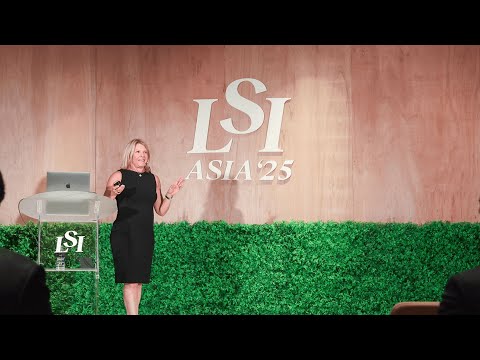
Ivanny Franklin 0:06
All right. Well, welcome everybody. Nice to see you all here this workshop, we're going to be focusing on data. This is amongst my favorite topics, and we're going to be chatting about all types of data. So clinical evidence, real world evidence, physician, clinician, feedback, regulatory, driven data, primary market research and kind of everything under the sun you'll see from the panelists and their intros today and with the feedback that they'll be providing, that we've got perspectives from all sides of the table. So investors, innovators, clinicians, who am I missing? Regulatory compliance as well, quality clinical evidence. So we're going to kind of cover the gambit in terms of expertise and experiences, because this is the workshop. Feel free to ask questions towards the end. Jess wherever she's at right there, she just kind of wave her down, and she's happy to pass the mic and and we're happy to provide feedback after if you're a bit shy as well. So without further ado, my name is Ivani Franklin. I'll be our moderator for today's session. I'm the global clinical strategy director for NAMSA. I'm also an investor, and I manage a family office primarily focused on seed through revenue generating companies. So I'll be sharing feedback and questions from that perspective, as well as the service provider. I'm going to go
Melissa Espinosa 1:35
next, Melissa, yes, Hi, I'm Melissa Espinosa, and I'm VP of strategic partnerships for Blue Goat Cyber and we help secure your device as far as cyber security and help get it to the market quicker. At Blue goat, I was actually, I've been a nurse the last 14 years as well.
Malin Nilsson 1:55
Yes, and my name is Malin Nilsson. I'm CEO of Inossia. We have bone cement softener that softens ordinary bone cement so they get better suited for osteopathic patients. I'm a material scientist and engineer by training, and I did my PhD in orthopedics. Yes, hi.
Angela Paterson 2:19
I'm Angela Paterson. I'm Principal Consultant at CS Lifesciences. We're a quality regulatory and clinical consultancy, and I head up the clinical technical side of the business. Great.
Ivanny Franklin 2:34
Thank you, ladies. So I think a great place to start is at what stage of fundraising and development Do you find it valuable to start gathering either clinician feedback, physician feedback or end user feedback? Whoever wants to start,
Angela Paterson 2:56
I can start. I work with a lot of real startups, university, spin out, some companies, maybe a clinician with an idea, something like that. Quite often. They're very, very clever. They're very enthusiastic. They have awesome ideas, but they genuinely think they can do everything all at once, and where the sort of clinical credibility for investors comes in is helping them to focus on what the device actually does, what's the most important thing that the device does, and what's the thing that's going to actually attract investment. And that may sound a little bit peculiar coming from a regulatory consultant. But because I work with so many tiny startups and, you know, university spin out, sometimes it's a bio engineering project. So these people really do not know how to do anything, how to get money, anything, so that's where I usually start with them. Is, what is your device actually going to do? Never mind all the stuff that you wish it could do in 10 years time. What does it do right now? How do we get your revenue quickly?
Malin Nilsson 4:11
Yes, and to tag on to that from the startup point of view, it's really important to understand if your solution is going to work in the in the operating theater or in the clinical setting, where you are supposed to be with your product. From an engineering point of view, you would think this is a great solution. We will just ease this problem we know of, but it, I think it's really, important that understood to understand that all the details about the use of your product, because that will save you a lot of time and money when you develop, because if you develop to a very late stage your product and then realize, Oh, it's too bulky or it's not possible to sterilize. Is, in a way, or that that would really be a big problem for you, so the faster you can get to know the user and get feedback from that, from the community, that's better, in my point of view.
Melissa Espinosa 5:15
Yes, innovation, patient, outcome and workflow is very important, and it's, I think it's paramount to it being adopted by hospitals and payees and nurses.
Ivanny Franklin 5:29
And I can add to that from an investor perspective. I think if you are especially in a seed round, my expectation is to have minimally the validation data and then moving into kind of first in human so I won't invest in unless I see some of that data. And so we're really talking there more about clinical evidence, and later we'll talk about maybe more physician feedback as as well. So maybe that's a good segue into the different types of data, because we all have different perspectives there. So maybe each of you can speak to you know whether that's real world evidence, clinician feedback, regulatory driven data, clinical evidence. What you might see in the field? What are the different types of data and when do you typically suggest collecting
Melissa Espinosa 6:21
other than charting when you're, you know bedside, you really don't get, you know feedback other than patient, you know patient feedback and workflow your own, but you don't see, you know, the the end result, nobody who's reporting to you on stuff like that.
Malin Nilsson 6:39
So yeah, and again, from the startup perspective and talking to investors, for instance, it's always good to have the data, but it's very, sometimes very tricky to to achieve it. But what is a really inflection point for startup is to get first in human data. So I wouldn't, I wouldn't suggest anyone to try to push that, maybe not design for a really big control trial at the first stage, but really go for the lowest hanging fruit and trying to get some small case series or first in human data just to show that your product is really working,
Angela Paterson 7:25
one of the biggest things for me is about collecting the right data. In Europe right now, to get a CE mark, you need to have clinical data, but it also needs to be exactly the right information. It needs to based on safety and performance objectives. That when you go to submit a file, they're looking for safety and performance objectives based on your intended use, and you've got to apply numerical figures to those in your clinical study. So what happens is, especially startups, they want to get to first in human they want to just get it used. But they end up they have a 10 patient study, and there's nothing that they can do with it, because they haven't covered the risk management process, their clinical evaluation process. They don't have these, excuse me, safety and performance objectives, and it just causes you to fall at the first hurdle. So even a lot of companies are going us first, absolutely fine. They do. They collect the data in the US, but when they try to come back to Europe, they just don't have the right information to be able to get that CE mark, and they have to essentially start again with the data collection. It's a very different world in Europe to what it used to be. Europe used to be so simple, and now it's actually harder than anywhere, even Japan. So it's definitely the right data is so important really early,
Ivanny Franklin 9:00
and let's touch on that maybe as well. We're talking about adequate and accurate data. And Mallon, when you were talking about first and human, can you comment on, you know, timelines and readiness for first and human? Because I know from my perspective, if I see bad first and human data, you know that you might be out immediately. So how do you decide, throughout validation for that type of data, when to pursue it?
Malin Nilsson 9:32
Yeah, so I think there are different levels depending on what kind of product you have, I think you can do proof of concept studies fairly early on, if it's not in amazing product. The problem is when you have a class three product in Europe, or a class to be in the US, where you really need to. To where it's more about implants or diagnostics, where it needs to be more rigorously regulated before you can go into that kind of data. But yeah, I we have the we did like that. We did a pilot series. So we we did a very small series of only five patients to have first in in human data, and then on. Then we built the protocol on top of that to collect evidence for the regulatory purposes, so with the claims and and all that. But so we try to make this as lean as possible, not to have to do all the approvals for a clinical trial twice. So we build it in in the in one go. But it's it all depends on the case, how much funding you have, how long the collection of your data needs to be. Sometimes it's, it's, it could be limited to half a year follow up. Sometimes you need two years follow up. It it's really depending on on the indication, but I think that it's important to have to have first in human data, just to show that your your product is really working and and from that built on credibility.
Ivanny Franklin 11:31
And did you do that in your pre seed, or seed
Malin Nilsson 11:34
in the pre seed? And we also had a lot of soft funding, yeah, yeah.
Ivanny Franklin 11:38
And then Angela, from your perspective, in terms of regulatory driven data, at what point would you have expectation that they're that innovators are establishing accurate data per market? How early, as early as humanly yesterday, is the answer?
Angela Paterson 11:58
Literally, as soon as they've got even before design phrase, as soon as I've got a solid idea that's that's the right time, because otherwise it becomes too late.
Ivanny Franklin 12:11
Okay, so let's move into kind of different type of feedback, physician, clinician and institutional relationships and gathering their feedback. Can you guys provide some tactical examples of how you do that? When you do that, what happens if a physician changes institutions? What types of stakeholders are you communicating with within the institution, what you know, what's your best practice or suggestion?
Malin Nilsson 12:48
Yes, so I think it would be very interesting to, or it's, it's important, to connect with the hospital or or physician office or an outpatient facility wherever your product is going to be used, but as soon as possible, and try to engage not only the principal investigator, but trying to engage with the entire staff, so that you will Have more than only one person to rely on. We were discussing this before that it's important to have a research nurse, and from the nurse perspective,
Melissa Espinosa 13:29
yes, the kind of monitor the workflow, because oftentimes the doctor might be an advocate for a medical device, but is not actively working in the you know, with the workflow and so don't see things firsthand besides. So, yeah, if you could get a more institutional collaboration, I think that it'd be easier to gather data and not lose it from, you know, Dr Levin, possibly, or like a leadership and
Ivanny Franklin 13:59
yeah, do you ever have innovators approach you directly?
Melissa Espinosa 14:03
I do not, yeah, and not as a nurse, yeah.
Ivanny Franklin 14:07
So how do you typically provide feedback on a on a new product or device?
Melissa Espinosa 14:13
Well, as a nurse, you're always concerned with the, you know, patient safety, patient outcome. You don't want cumbersome, you know, alarms that are, you know, non actionable or false alarms that causes a lot of fatigue. You don't want controls that make you that are, you know, cumbersome to get into. You'd like the intuitive devices that integrate with the EHR so that you don't have to do double charting, you know, just things that save time, that's incorporate with safety. Yeah, I think
Ivanny Franklin 14:48
is there, like a chain of command to provide, if you say, or incorporate, incorporating into your workflow, a device that's adversary to your objectives? You escalate that to the physician. Or, how do you, how do we get the feedback back to the interview?
Melissa Espinosa 15:04
Yeah, usually, you know, you'll go to, I mean, I don't know that I was doing that for the that necessarily the innovator at the time, you know, it was, you know, I was actively practicing, but you know, you would take it to your nurse manager, nursing director. Um, usually, if there's any kind of, you know, issues that you're having or foresee. Yeah, I
Angela Paterson 15:24
think one of the big things here is the value in data from coming out of hospitals. It's is usually not your senior surgeon or someone like that that has the information that's a real value to a company. It's usually people like Melissa in her previous career, you know, they're the people talking to the patients. They're the people with the charts. Are the people on the ground. And I know from almost 30 years in devices, the only time I ever hear from the nurses is when there's a complaint because somebody makes them write it. And I think there's a lot of value in innovators and startups and things talking to the people that actually do the real work. I mean, obviously we have the surgeons, and they're very important, but the nurses are super important as well, and that's usually where the information lies. And I think a lot of people completely miss it. They don't actually speak to people like not that you're still nursing, but did anybody ever come and talk to you? No, exactly, and you your example
Melissa Espinosa 16:29
of, now, I see them, you know, yeah, connects, for sure. But we were talking
Angela Paterson 16:33
earlier about when you're in cardiology and there's just alarms everywhere, all the time. You don't know who's alarming, why they're alarming. It all sounds the
Melissa Espinosa 16:42
same from every room and every type of machine. And so you do get desensitized sometimes and often, worry that you're going to miss, you know, critical situation in a timely fashion, because,
Angela Paterson 16:54
but nobody ever comes to say, how do we fix this? Yeah?
Ivanny Franklin 16:57
Me, don't you have a solution there? Or said, like an example of your involvement on site, yeah.
Malin Nilsson 17:05
So I think when you meet with the when the medical team as a startup or later also in the sales perspective, then the normal meeting point is when you train, so you would train the nurses and you, or you train the physician on this new device, and then once the training is done, you leave it over to the clinics. I think that the companies can do much better, and then go back and try to collect feedback after, you know, yeah, after a while that you could have this as a recurrent event that you can collect the data, really, from a company perspective, reaching out, just checking in on how this is doing and how, how, how we can improve features of the device.
Ivanny Franklin 17:57
And do you? Do you need permission from the institution or from the staff to be able to do that. So if you want to go on site and gather feedback from nurses in the break room or to watch the procedure being conducted, are you always permitted, or is there a process for how you can gather the feedback?
Malin Nilsson 18:17
I have not run into problems once you have established a relationship with that clinical team, you can reach out and if, if, for any reason, you can't go in, into the ward, you they would. You can have a meeting room outside. You will be able to meet them, I'm sure.
Ivanny Franklin 18:37
Yeah, I think another important topic we can discuss is biased versus unbiased data. So I'll start from the investor point of view, and I want to get everybody's feedback, but in reviewing pitch decks, if I see clinician feedback from physicians or KOLs on the board, you know, for me, that feels a little bit biased, or from, you know, LPs or physicians that have been investing in the port coast. So let's talk about kind of primary market research, clinician, unbiased, double blinded, clinician, feedback. I think all of you have had some experience with that and how it's collected, but I'll pause there and see recommendations on gathering kind of that right type of unbiased data to include in pitch decks or to aid in product development and business strategy for exit,
Melissa Espinosa 19:43
I personally feel like it should be multi disciplinary, where you have, you know, a little entire, you know, medical staff that has a little bit of say over it, because I do know that it's hard a lot of times. The training on a new device is timely. Usually, there might be, you know, that doctor that was trained on a certain device and has mastered it and does not necessarily want to, you know, try a new innovation, possibly even if it might be even, you know, smoother or better. It's just it takes a lot of time and training that could then go to, you know, delay in patient care. So, yeah, I think it should be a multidisciplinary thing in the hospital setting anyway. Yeah.
Malin Nilsson 20:34
Also, if there are devices that are used by different categories of surgeons, for instance, could be neurosurgeons, spine surgeon or orthopedic they in that sense, it would also make sense to have feedback from all user groups. And I think that it's important also to gather information by an independent so not as a company go out collect the data, but use an independent, yeah, partner,
Angela Paterson 21:14
maybe you can fill in on that. I see it being done differently, shall we say. What I see is sometimes companies, they go for marketing companies to do market research, and they give them a please find me this answer so they get the answer they wanted, but it's just not credible. I've also done other ways where I've designed questionnaires for usability or handling and things like that. And we go visit clinicians, and I just, I say nothing, I just design the questionnaire, and I write down what gets said. And then usually you go after you meet all the surgeons, you go with the company to a bar, you have a beer, and I say, okay, they said absolutely not to that. And they say, I didn't hear that. And I'm like, I that's what it was, and you end up in a sort of all credibility is lost because I've written down exactly what was said. I've ticked the boxes, but they don't want to hear it. So therefore, what vanity was talking about? The independence of that collection is absolutely paramount.
Ivanny Franklin 22:32
And melon maybe you can speak to from an innovator perspective. I think you did a study right? What type of data were you looking at with the value proposition or pricing, or, you know that that's kind of a different subset that you were using as you were developing the product?
Malin Nilsson 22:49
Yeah, so we did the control trial with the predicate device. So we wanted, obviously to to show that our treatment is superior. So it was more targeted on the value proposition than anything else. But it's also very, very important to collect pricing data when you do especially for a US trial, so that you you you can collect the data needed for the reimbursement strategy you are looking for, and also in both in the US, but also in in Europe, we are targeting clinical sites in countries that where we would like to be launching or where we would Like to have a stronger market presence. So that's also something that you need to build into your strategy when it when it comes to collecting the data. Do you want to sell in Spain? Yeah, maybe you should involve two or three sites in in Spain in your clinical trial. Do you want to be present in another country? Just think about that. This third country, is that not, not, maybe you are thinking about launching it with distributors in a special country and and direct sales rep in another. So it would probably be better to have your clinical sites in in where you will have your direct sales and not and not distributors, to have references centers, because in in when you're going to launch a product, it will be new. So everyone you approach will say, okay, who's using this? And if you have reference centers, it will be much easier to to get market penetration in an early stage.
Ivanny Franklin 24:38
So maybe we can you touched on geography and reimbursement and Angela, I'll put you on the spot here. So from more of a regulatory and quality perspective, at what stage throughout development and fundraising, should that be included in the strategic plan? What type of data, what's driving you?
Angela Paterson 25:00
It's really it depends. It depends on the sort of overall plan. Where do you want to sell long term, because it goes back to that original what, what is it you're going to try and do if you want to get to Europe? In Europe, we don't really care where the data comes from. Sadly, in the US, there's a big drive for demographics, making sure that you cover absolutely every demographic Japan. You need a Japanese study. They will not accept data from anywhere but Japan. There's a fundamental thinking in Japan that people are different. Don't understand it, but it is the way it is. So trying to think to the future rather than thinking about that first step, that first sale, that first implant, that first human usage, where are you trying to go? Because it saves money in the long run, and also it gives people more credibility for like, speaking to investors, when it comes to diligence and things that that looking for investment, if you have that strategy, that plan in place, you just look like, you know what you're doing.
Melissa Espinosa 26:18
It's almost like reverse engineering, like we were talking earlier, yeah, yeah. How about
Ivanny Franklin 26:25
gathering data for multiple indications? So I don't know from each perspective, the innovator perspective, or from you in the workflows, or from a regulatory perspective, at what point do you gather data for subsequent indications. If you're prioritizing one, should that be done up front? Should it be done concurrently or sequentially?
Angela Paterson 26:51
I usually start with, what do you want to be able to say about your product? And then I'll get given a spreadsheet, huge spreadsheet, and I say, Okay, we'll design you a study. And say, Okay, you need a 27 arm study. You need 3000 patients. And they say, What? And before you know it, suddenly you've got one indication, one thing that needs done, and you don't even have a comparator device. That's usually the way it goes with the real startups, they want to do everything all at once, and then they realize it's just impossible. So the drive to try and in to get your CE mark in Europe is try and go with your indications, and then what do you actually really need to say? And that's how you design the data collection. Sometimes it's a shock to people, yeah.
Malin Nilsson 27:44
I also think it's a time to market aspect here. So while, on one hand, it's very good to design for a big study, and you will have all the answers. On the other hand, you would like to be on the market. You will like to have some kind of revenue as a pre revenue company. So, yeah, it is, I think you need to think about a lot of different aspects when it comes to collecting your data, and these different perspectives of, do you want to go for a lot of claims and maybe do a P may or de novo in in the US? Or would you like to try to target a 510, K, and do as little as possible used to be out there, and then, then go for the next indication? And I also think that, again, from a startup point of view, and for us with the spinal implant, we thought, okay, we can target, we can target the fractures of the vertebral body. We can target the disc. We can we can do screw augmentation, for instance. But then we realize that there are different categories of users. So we spine surgeons would do the screw augmentations, interventional radiologists will never touch a screw. So it depends on if you're going for if you're targeting in your first clinical trial you're in intervention radiologist, do not try to make them also use screws, because they will never touch your screw. So that's also one aspect with the different indication that you really need to know, if the indication is targeted to the same user group, or if it's slightly different, then you would need to design for different and and also later on. From from a sales perspective, it will not be the same sales rep that will go to an interventional radiologist and the spine surgery that would be too different. So on one side, you would like to use your product in many different indices. Innovations. But on the other side, it may cause you a lot of problems or or you need to scale on two ends at the same time.
Ivanny Franklin 30:11
From an investor perspective, I like to see certainly potential of multiple indications, but focus and prioritization. So red flag is, if they're spread too thin, and you're pursuing, you know, data associated with multiple indications, a suggestion I have there is stay focused and in pursuit of validating, commercializing primary indication, and then subsequently do a regulatory strategy of how you're going to either leverage your 510, K clearance for additional indications, or build a commercialization plan for, you know, pursuit of what else the platform or technology can do. So I think there's different ways you can demonstrate that without appearing to be lack in focus. How about, let's talk maybe about reimbursement. I don't know, maybe Angela from your perspective, to start at what point should reimbursement end points be clearly defined, especially if a company is moving into generating clinical evidence, or, you know, fundraising early stage where they have to demonstrate either Dr, G or CPT codes that exist, what is, and I don't know, Milan, if you've done this, or if in your workplace, you see that they basically
Angela Paterson 31:28
see people approaching the reimbursement is more. They try to use programs through FDA in order to get better reimbursement. It's such a complicated area, you know, I'm working on one right now. It's a CE mark device already. It's got MDR, but Germany has decided that they reimburse it definitely than the whole rest of Europe. So we now have to work on a clinical trial for an already CE marked product that's already got 10s of 1000s of uses, because otherwise we're not going to get that reimbursement in Germany. And I can't say anything other than it's strange, it's the rules, and it's not the rules anywhere else, it's only the rules in Germany. So reimbursement is such a huge topic, we could sit here all day and talk about it. People are using breakthrough in the US, break through designation to get add on payments for reimbursement, even safer technology programs, people are saying they can get add ons for reimbursement. It seems in Europe, there's a drive to get reimbursement at all. In the US, it's trying to get add on payments all the time, more than the standard
Ivanny Franklin 32:59
melon anything from your perspective,
Malin Nilsson 33:03
I think the the you need to do a reimbursement and analysis when you start designing your your product, just to make sure if it fits under an already The existing DRG code, or if you need to create something new, because the pathway of getting coverage is completely different in terms of timing. So if it if your product already goes inside of an existing DRG code, then you will get payment when you launch. But if it's non existent, then you will need to be settling without getting coverage for could be several years. So just to have that understanding, I think it's a good start.
Ivanny Franklin 33:55
Yeah, we see it. NAMSA, we've had, we call them repeat studies that we've seen. Oftentimes, sponsors will run their pivotal trial without identifying the right clinical endpoints associated with substantiating either a new quote or an existing code, and they've had to repeat studies or do additional studies to provide that evidence as well. So I think early, earlier the better, but that's always the case. So Okay, any last parting remarks or tips and tricks or suggestions for innovators moving through fundraising or trying to get physician feedback through workflows,
Melissa Espinosa 34:36
I think clinical expertise can kind of close the or bridge the gap anyway, with innovation, if you get there early enough and get the data for adaptability, I think it's a good thing.
Malin Nilsson 34:52
Yeah, I think you should, as an innovator, try to get hold of the user as fast as possible, just to show a mock up. A thing, or your device or anything, just to try the concept, to get the feedback, try to get into the or say hi, I just want to hang around for one day, see how the workflow is, and try to understand the user setting. I think that's key
Angela Paterson 35:19
from my perspective. And I think blue goat cyber you guys are the same at CES and at Blue goat specifically got medical professionals on staff, and that's because I'm a regulatory person. I've done it for a very long time, and I've learned a lot about medical things, but I don't know everything, and you need to have that actual medical knowledge when, when I'm talking to start ups a new product at some of disease state that I'm no expert in. So having the medical professionals on that can actually understand what the what the client is talking about, what the doctors are talking about is is really important. It gives us as service providers some sort of credibility that we actually know what we're we're talking about when we're talking to our customers. Great.
Ivanny Franklin 36:16
Thank you. Ladies. Appreciate it. If anyone has questions, we'll hang around for a few minutes here and let you all get to happy hour. Thanks.
Ivanny Franklin 0:06
All right. Well, welcome everybody. Nice to see you all here this workshop, we're going to be focusing on data. This is amongst my favorite topics, and we're going to be chatting about all types of data. So clinical evidence, real world evidence, physician, clinician, feedback, regulatory, driven data, primary market research and kind of everything under the sun you'll see from the panelists and their intros today and with the feedback that they'll be providing, that we've got perspectives from all sides of the table. So investors, innovators, clinicians, who am I missing? Regulatory compliance as well, quality clinical evidence. So we're going to kind of cover the gambit in terms of expertise and experiences, because this is the workshop. Feel free to ask questions towards the end. Jess wherever she's at right there, she just kind of wave her down, and she's happy to pass the mic and and we're happy to provide feedback after if you're a bit shy as well. So without further ado, my name is Ivani Franklin. I'll be our moderator for today's session. I'm the global clinical strategy director for NAMSA. I'm also an investor, and I manage a family office primarily focused on seed through revenue generating companies. So I'll be sharing feedback and questions from that perspective, as well as the service provider. I'm going to go
Melissa Espinosa 1:35
next, Melissa, yes, Hi, I'm Melissa Espinosa, and I'm VP of strategic partnerships for Blue Goat Cyber and we help secure your device as far as cyber security and help get it to the market quicker. At Blue goat, I was actually, I've been a nurse the last 14 years as well.
Malin Nilsson 1:55
Yes, and my name is Malin Nilsson. I'm CEO of Inossia. We have bone cement softener that softens ordinary bone cement so they get better suited for osteopathic patients. I'm a material scientist and engineer by training, and I did my PhD in orthopedics. Yes, hi.
Angela Paterson 2:19
I'm Angela Paterson. I'm Principal Consultant at CS Lifesciences. We're a quality regulatory and clinical consultancy, and I head up the clinical technical side of the business. Great.
Ivanny Franklin 2:34
Thank you, ladies. So I think a great place to start is at what stage of fundraising and development Do you find it valuable to start gathering either clinician feedback, physician feedback or end user feedback? Whoever wants to start,
Angela Paterson 2:56
I can start. I work with a lot of real startups, university, spin out, some companies, maybe a clinician with an idea, something like that. Quite often. They're very, very clever. They're very enthusiastic. They have awesome ideas, but they genuinely think they can do everything all at once, and where the sort of clinical credibility for investors comes in is helping them to focus on what the device actually does, what's the most important thing that the device does, and what's the thing that's going to actually attract investment. And that may sound a little bit peculiar coming from a regulatory consultant. But because I work with so many tiny startups and, you know, university spin out, sometimes it's a bio engineering project. So these people really do not know how to do anything, how to get money, anything, so that's where I usually start with them. Is, what is your device actually going to do? Never mind all the stuff that you wish it could do in 10 years time. What does it do right now? How do we get your revenue quickly?
Malin Nilsson 4:11
Yes, and to tag on to that from the startup point of view, it's really important to understand if your solution is going to work in the in the operating theater or in the clinical setting, where you are supposed to be with your product. From an engineering point of view, you would think this is a great solution. We will just ease this problem we know of, but it, I think it's really, important that understood to understand that all the details about the use of your product, because that will save you a lot of time and money when you develop, because if you develop to a very late stage your product and then realize, Oh, it's too bulky or it's not possible to sterilize. Is, in a way, or that that would really be a big problem for you, so the faster you can get to know the user and get feedback from that, from the community, that's better, in my point of view.
Melissa Espinosa 5:15
Yes, innovation, patient, outcome and workflow is very important, and it's, I think it's paramount to it being adopted by hospitals and payees and nurses.
Ivanny Franklin 5:29
And I can add to that from an investor perspective. I think if you are especially in a seed round, my expectation is to have minimally the validation data and then moving into kind of first in human so I won't invest in unless I see some of that data. And so we're really talking there more about clinical evidence, and later we'll talk about maybe more physician feedback as as well. So maybe that's a good segue into the different types of data, because we all have different perspectives there. So maybe each of you can speak to you know whether that's real world evidence, clinician feedback, regulatory driven data, clinical evidence. What you might see in the field? What are the different types of data and when do you typically suggest collecting
Melissa Espinosa 6:21
other than charting when you're, you know bedside, you really don't get, you know feedback other than patient, you know patient feedback and workflow your own, but you don't see, you know, the the end result, nobody who's reporting to you on stuff like that.
Malin Nilsson 6:39
So yeah, and again, from the startup perspective and talking to investors, for instance, it's always good to have the data, but it's very, sometimes very tricky to to achieve it. But what is a really inflection point for startup is to get first in human data. So I wouldn't, I wouldn't suggest anyone to try to push that, maybe not design for a really big control trial at the first stage, but really go for the lowest hanging fruit and trying to get some small case series or first in human data just to show that your product is really working,
Angela Paterson 7:25
one of the biggest things for me is about collecting the right data. In Europe right now, to get a CE mark, you need to have clinical data, but it also needs to be exactly the right information. It needs to based on safety and performance objectives. That when you go to submit a file, they're looking for safety and performance objectives based on your intended use, and you've got to apply numerical figures to those in your clinical study. So what happens is, especially startups, they want to get to first in human they want to just get it used. But they end up they have a 10 patient study, and there's nothing that they can do with it, because they haven't covered the risk management process, their clinical evaluation process. They don't have these, excuse me, safety and performance objectives, and it just causes you to fall at the first hurdle. So even a lot of companies are going us first, absolutely fine. They do. They collect the data in the US, but when they try to come back to Europe, they just don't have the right information to be able to get that CE mark, and they have to essentially start again with the data collection. It's a very different world in Europe to what it used to be. Europe used to be so simple, and now it's actually harder than anywhere, even Japan. So it's definitely the right data is so important really early,
Ivanny Franklin 9:00
and let's touch on that maybe as well. We're talking about adequate and accurate data. And Mallon, when you were talking about first and human, can you comment on, you know, timelines and readiness for first and human? Because I know from my perspective, if I see bad first and human data, you know that you might be out immediately. So how do you decide, throughout validation for that type of data, when to pursue it?
Malin Nilsson 9:32
Yeah, so I think there are different levels depending on what kind of product you have, I think you can do proof of concept studies fairly early on, if it's not in amazing product. The problem is when you have a class three product in Europe, or a class to be in the US, where you really need to. To where it's more about implants or diagnostics, where it needs to be more rigorously regulated before you can go into that kind of data. But yeah, I we have the we did like that. We did a pilot series. So we we did a very small series of only five patients to have first in in human data, and then on. Then we built the protocol on top of that to collect evidence for the regulatory purposes, so with the claims and and all that. But so we try to make this as lean as possible, not to have to do all the approvals for a clinical trial twice. So we build it in in the in one go. But it's it all depends on the case, how much funding you have, how long the collection of your data needs to be. Sometimes it's, it's, it could be limited to half a year follow up. Sometimes you need two years follow up. It it's really depending on on the indication, but I think that it's important to have to have first in human data, just to show that your your product is really working and and from that built on credibility.
Ivanny Franklin 11:31
And did you do that in your pre seed, or seed
Malin Nilsson 11:34
in the pre seed? And we also had a lot of soft funding, yeah, yeah.
Ivanny Franklin 11:38
And then Angela, from your perspective, in terms of regulatory driven data, at what point would you have expectation that they're that innovators are establishing accurate data per market? How early, as early as humanly yesterday, is the answer?
Angela Paterson 11:58
Literally, as soon as they've got even before design phrase, as soon as I've got a solid idea that's that's the right time, because otherwise it becomes too late.
Ivanny Franklin 12:11
Okay, so let's move into kind of different type of feedback, physician, clinician and institutional relationships and gathering their feedback. Can you guys provide some tactical examples of how you do that? When you do that, what happens if a physician changes institutions? What types of stakeholders are you communicating with within the institution, what you know, what's your best practice or suggestion?
Malin Nilsson 12:48
Yes, so I think it would be very interesting to, or it's, it's important, to connect with the hospital or or physician office or an outpatient facility wherever your product is going to be used, but as soon as possible, and try to engage not only the principal investigator, but trying to engage with the entire staff, so that you will Have more than only one person to rely on. We were discussing this before that it's important to have a research nurse, and from the nurse perspective,
Melissa Espinosa 13:29
yes, the kind of monitor the workflow, because oftentimes the doctor might be an advocate for a medical device, but is not actively working in the you know, with the workflow and so don't see things firsthand besides. So, yeah, if you could get a more institutional collaboration, I think that it'd be easier to gather data and not lose it from, you know, Dr Levin, possibly, or like a leadership and
Ivanny Franklin 13:59
yeah, do you ever have innovators approach you directly?
Melissa Espinosa 14:03
I do not, yeah, and not as a nurse, yeah.
Ivanny Franklin 14:07
So how do you typically provide feedback on a on a new product or device?
Melissa Espinosa 14:13
Well, as a nurse, you're always concerned with the, you know, patient safety, patient outcome. You don't want cumbersome, you know, alarms that are, you know, non actionable or false alarms that causes a lot of fatigue. You don't want controls that make you that are, you know, cumbersome to get into. You'd like the intuitive devices that integrate with the EHR so that you don't have to do double charting, you know, just things that save time, that's incorporate with safety. Yeah, I think
Ivanny Franklin 14:48
is there, like a chain of command to provide, if you say, or incorporate, incorporating into your workflow, a device that's adversary to your objectives? You escalate that to the physician. Or, how do you, how do we get the feedback back to the interview?
Melissa Espinosa 15:04
Yeah, usually, you know, you'll go to, I mean, I don't know that I was doing that for the that necessarily the innovator at the time, you know, it was, you know, I was actively practicing, but you know, you would take it to your nurse manager, nursing director. Um, usually, if there's any kind of, you know, issues that you're having or foresee. Yeah, I
Angela Paterson 15:24
think one of the big things here is the value in data from coming out of hospitals. It's is usually not your senior surgeon or someone like that that has the information that's a real value to a company. It's usually people like Melissa in her previous career, you know, they're the people talking to the patients. They're the people with the charts. Are the people on the ground. And I know from almost 30 years in devices, the only time I ever hear from the nurses is when there's a complaint because somebody makes them write it. And I think there's a lot of value in innovators and startups and things talking to the people that actually do the real work. I mean, obviously we have the surgeons, and they're very important, but the nurses are super important as well, and that's usually where the information lies. And I think a lot of people completely miss it. They don't actually speak to people like not that you're still nursing, but did anybody ever come and talk to you? No, exactly, and you your example
Melissa Espinosa 16:29
of, now, I see them, you know, yeah, connects, for sure. But we were talking
Angela Paterson 16:33
earlier about when you're in cardiology and there's just alarms everywhere, all the time. You don't know who's alarming, why they're alarming. It all sounds the
Melissa Espinosa 16:42
same from every room and every type of machine. And so you do get desensitized sometimes and often, worry that you're going to miss, you know, critical situation in a timely fashion, because,
Angela Paterson 16:54
but nobody ever comes to say, how do we fix this? Yeah?
Ivanny Franklin 16:57
Me, don't you have a solution there? Or said, like an example of your involvement on site, yeah.
Malin Nilsson 17:05
So I think when you meet with the when the medical team as a startup or later also in the sales perspective, then the normal meeting point is when you train, so you would train the nurses and you, or you train the physician on this new device, and then once the training is done, you leave it over to the clinics. I think that the companies can do much better, and then go back and try to collect feedback after, you know, yeah, after a while that you could have this as a recurrent event that you can collect the data, really, from a company perspective, reaching out, just checking in on how this is doing and how, how, how we can improve features of the device.
Ivanny Franklin 17:57
And do you? Do you need permission from the institution or from the staff to be able to do that. So if you want to go on site and gather feedback from nurses in the break room or to watch the procedure being conducted, are you always permitted, or is there a process for how you can gather the feedback?
Malin Nilsson 18:17
I have not run into problems once you have established a relationship with that clinical team, you can reach out and if, if, for any reason, you can't go in, into the ward, you they would. You can have a meeting room outside. You will be able to meet them, I'm sure.
Ivanny Franklin 18:37
Yeah, I think another important topic we can discuss is biased versus unbiased data. So I'll start from the investor point of view, and I want to get everybody's feedback, but in reviewing pitch decks, if I see clinician feedback from physicians or KOLs on the board, you know, for me, that feels a little bit biased, or from, you know, LPs or physicians that have been investing in the port coast. So let's talk about kind of primary market research, clinician, unbiased, double blinded, clinician, feedback. I think all of you have had some experience with that and how it's collected, but I'll pause there and see recommendations on gathering kind of that right type of unbiased data to include in pitch decks or to aid in product development and business strategy for exit,
Melissa Espinosa 19:43
I personally feel like it should be multi disciplinary, where you have, you know, a little entire, you know, medical staff that has a little bit of say over it, because I do know that it's hard a lot of times. The training on a new device is timely. Usually, there might be, you know, that doctor that was trained on a certain device and has mastered it and does not necessarily want to, you know, try a new innovation, possibly even if it might be even, you know, smoother or better. It's just it takes a lot of time and training that could then go to, you know, delay in patient care. So, yeah, I think it should be a multidisciplinary thing in the hospital setting anyway. Yeah.
Malin Nilsson 20:34
Also, if there are devices that are used by different categories of surgeons, for instance, could be neurosurgeons, spine surgeon or orthopedic they in that sense, it would also make sense to have feedback from all user groups. And I think that it's important also to gather information by an independent so not as a company go out collect the data, but use an independent, yeah, partner,
Angela Paterson 21:14
maybe you can fill in on that. I see it being done differently, shall we say. What I see is sometimes companies, they go for marketing companies to do market research, and they give them a please find me this answer so they get the answer they wanted, but it's just not credible. I've also done other ways where I've designed questionnaires for usability or handling and things like that. And we go visit clinicians, and I just, I say nothing, I just design the questionnaire, and I write down what gets said. And then usually you go after you meet all the surgeons, you go with the company to a bar, you have a beer, and I say, okay, they said absolutely not to that. And they say, I didn't hear that. And I'm like, I that's what it was, and you end up in a sort of all credibility is lost because I've written down exactly what was said. I've ticked the boxes, but they don't want to hear it. So therefore, what vanity was talking about? The independence of that collection is absolutely paramount.
Ivanny Franklin 22:32
And melon maybe you can speak to from an innovator perspective. I think you did a study right? What type of data were you looking at with the value proposition or pricing, or, you know that that's kind of a different subset that you were using as you were developing the product?
Malin Nilsson 22:49
Yeah, so we did the control trial with the predicate device. So we wanted, obviously to to show that our treatment is superior. So it was more targeted on the value proposition than anything else. But it's also very, very important to collect pricing data when you do especially for a US trial, so that you you you can collect the data needed for the reimbursement strategy you are looking for, and also in both in the US, but also in in Europe, we are targeting clinical sites in countries that where we would like to be launching or where we would Like to have a stronger market presence. So that's also something that you need to build into your strategy when it when it comes to collecting the data. Do you want to sell in Spain? Yeah, maybe you should involve two or three sites in in Spain in your clinical trial. Do you want to be present in another country? Just think about that. This third country, is that not, not, maybe you are thinking about launching it with distributors in a special country and and direct sales rep in another. So it would probably be better to have your clinical sites in in where you will have your direct sales and not and not distributors, to have references centers, because in in when you're going to launch a product, it will be new. So everyone you approach will say, okay, who's using this? And if you have reference centers, it will be much easier to to get market penetration in an early stage.
Ivanny Franklin 24:38
So maybe we can you touched on geography and reimbursement and Angela, I'll put you on the spot here. So from more of a regulatory and quality perspective, at what stage throughout development and fundraising, should that be included in the strategic plan? What type of data, what's driving you?
Angela Paterson 25:00
It's really it depends. It depends on the sort of overall plan. Where do you want to sell long term, because it goes back to that original what, what is it you're going to try and do if you want to get to Europe? In Europe, we don't really care where the data comes from. Sadly, in the US, there's a big drive for demographics, making sure that you cover absolutely every demographic Japan. You need a Japanese study. They will not accept data from anywhere but Japan. There's a fundamental thinking in Japan that people are different. Don't understand it, but it is the way it is. So trying to think to the future rather than thinking about that first step, that first sale, that first implant, that first human usage, where are you trying to go? Because it saves money in the long run, and also it gives people more credibility for like, speaking to investors, when it comes to diligence and things that that looking for investment, if you have that strategy, that plan in place, you just look like, you know what you're doing.
Melissa Espinosa 26:18
It's almost like reverse engineering, like we were talking earlier, yeah, yeah. How about
Ivanny Franklin 26:25
gathering data for multiple indications? So I don't know from each perspective, the innovator perspective, or from you in the workflows, or from a regulatory perspective, at what point do you gather data for subsequent indications. If you're prioritizing one, should that be done up front? Should it be done concurrently or sequentially?
Angela Paterson 26:51
I usually start with, what do you want to be able to say about your product? And then I'll get given a spreadsheet, huge spreadsheet, and I say, Okay, we'll design you a study. And say, Okay, you need a 27 arm study. You need 3000 patients. And they say, What? And before you know it, suddenly you've got one indication, one thing that needs done, and you don't even have a comparator device. That's usually the way it goes with the real startups, they want to do everything all at once, and then they realize it's just impossible. So the drive to try and in to get your CE mark in Europe is try and go with your indications, and then what do you actually really need to say? And that's how you design the data collection. Sometimes it's a shock to people, yeah.
Malin Nilsson 27:44
I also think it's a time to market aspect here. So while, on one hand, it's very good to design for a big study, and you will have all the answers. On the other hand, you would like to be on the market. You will like to have some kind of revenue as a pre revenue company. So, yeah, it is, I think you need to think about a lot of different aspects when it comes to collecting your data, and these different perspectives of, do you want to go for a lot of claims and maybe do a P may or de novo in in the US? Or would you like to try to target a 510, K, and do as little as possible used to be out there, and then, then go for the next indication? And I also think that, again, from a startup point of view, and for us with the spinal implant, we thought, okay, we can target, we can target the fractures of the vertebral body. We can target the disc. We can we can do screw augmentation, for instance. But then we realize that there are different categories of users. So we spine surgeons would do the screw augmentations, interventional radiologists will never touch a screw. So it depends on if you're going for if you're targeting in your first clinical trial you're in intervention radiologist, do not try to make them also use screws, because they will never touch your screw. So that's also one aspect with the different indication that you really need to know, if the indication is targeted to the same user group, or if it's slightly different, then you would need to design for different and and also later on. From from a sales perspective, it will not be the same sales rep that will go to an interventional radiologist and the spine surgery that would be too different. So on one side, you would like to use your product in many different indices. Innovations. But on the other side, it may cause you a lot of problems or or you need to scale on two ends at the same time.
Ivanny Franklin 30:11
From an investor perspective, I like to see certainly potential of multiple indications, but focus and prioritization. So red flag is, if they're spread too thin, and you're pursuing, you know, data associated with multiple indications, a suggestion I have there is stay focused and in pursuit of validating, commercializing primary indication, and then subsequently do a regulatory strategy of how you're going to either leverage your 510, K clearance for additional indications, or build a commercialization plan for, you know, pursuit of what else the platform or technology can do. So I think there's different ways you can demonstrate that without appearing to be lack in focus. How about, let's talk maybe about reimbursement. I don't know, maybe Angela from your perspective, to start at what point should reimbursement end points be clearly defined, especially if a company is moving into generating clinical evidence, or, you know, fundraising early stage where they have to demonstrate either Dr, G or CPT codes that exist, what is, and I don't know, Milan, if you've done this, or if in your workplace, you see that they basically
Angela Paterson 31:28
see people approaching the reimbursement is more. They try to use programs through FDA in order to get better reimbursement. It's such a complicated area, you know, I'm working on one right now. It's a CE mark device already. It's got MDR, but Germany has decided that they reimburse it definitely than the whole rest of Europe. So we now have to work on a clinical trial for an already CE marked product that's already got 10s of 1000s of uses, because otherwise we're not going to get that reimbursement in Germany. And I can't say anything other than it's strange, it's the rules, and it's not the rules anywhere else, it's only the rules in Germany. So reimbursement is such a huge topic, we could sit here all day and talk about it. People are using breakthrough in the US, break through designation to get add on payments for reimbursement, even safer technology programs, people are saying they can get add ons for reimbursement. It seems in Europe, there's a drive to get reimbursement at all. In the US, it's trying to get add on payments all the time, more than the standard
Ivanny Franklin 32:59
melon anything from your perspective,
Malin Nilsson 33:03
I think the the you need to do a reimbursement and analysis when you start designing your your product, just to make sure if it fits under an already The existing DRG code, or if you need to create something new, because the pathway of getting coverage is completely different in terms of timing. So if it if your product already goes inside of an existing DRG code, then you will get payment when you launch. But if it's non existent, then you will need to be settling without getting coverage for could be several years. So just to have that understanding, I think it's a good start.
Ivanny Franklin 33:55
Yeah, we see it. NAMSA, we've had, we call them repeat studies that we've seen. Oftentimes, sponsors will run their pivotal trial without identifying the right clinical endpoints associated with substantiating either a new quote or an existing code, and they've had to repeat studies or do additional studies to provide that evidence as well. So I think early, earlier the better, but that's always the case. So Okay, any last parting remarks or tips and tricks or suggestions for innovators moving through fundraising or trying to get physician feedback through workflows,
Melissa Espinosa 34:36
I think clinical expertise can kind of close the or bridge the gap anyway, with innovation, if you get there early enough and get the data for adaptability, I think it's a good thing.
Malin Nilsson 34:52
Yeah, I think you should, as an innovator, try to get hold of the user as fast as possible, just to show a mock up. A thing, or your device or anything, just to try the concept, to get the feedback, try to get into the or say hi, I just want to hang around for one day, see how the workflow is, and try to understand the user setting. I think that's key
Angela Paterson 35:19
from my perspective. And I think blue goat cyber you guys are the same at CES and at Blue goat specifically got medical professionals on staff, and that's because I'm a regulatory person. I've done it for a very long time, and I've learned a lot about medical things, but I don't know everything, and you need to have that actual medical knowledge when, when I'm talking to start ups a new product at some of disease state that I'm no expert in. So having the medical professionals on that can actually understand what the what the client is talking about, what the doctors are talking about is is really important. It gives us as service providers some sort of credibility that we actually know what we're we're talking about when we're talking to our customers. Great.
Ivanny Franklin 36:16
Thank you. Ladies. Appreciate it. If anyone has questions, we'll hang around for a few minutes here and let you all get to happy hour. Thanks.
17011 Beach Blvd, Suite 500 Huntington Beach, CA 92647
714-847-3540© 2026 Life Science Intelligence, Inc., All Rights Reserved. | Privacy Policy