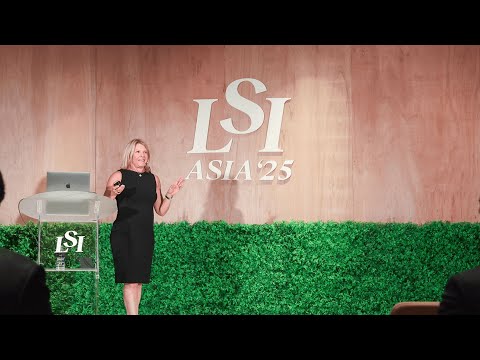
Ken Nelson 0:05
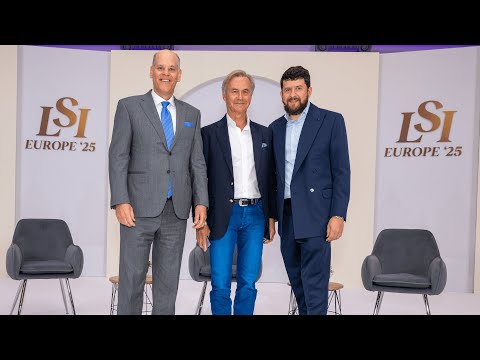
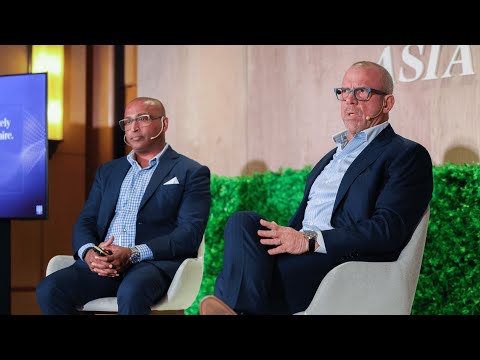
All right, thanks for joining the building to buy powering growth with strategic acquisition session. Maybe we'll start with some brief introductions and then get right into it. I'm Ken Nelson with the medtech advantage fund. We're a fund that sits on top of med tech innovator. So when we close the fund, we'll be investing exclusively in Medtech Innovator alumni companies. Prior to that, I commercialized three companies in the cardiac patch monitoring space. The first was irrhythm, which eventually went public. The second was biotelemetry, which eventually got acquired by Philip. So we did a lot of acquisitions of competitors there, and we'll talk a little bit about that. And then the third was party diagnostics, which was acquired by Hill ROM and then later Baxter. Wonderful.
Dan Johnson 0:54
Thanks again. Dan Johnson, CEO and founder of instrumentum. Instrumentum is the Emerging Leader in the United States of sterilization as a service for medical instruments used in surgeries as an off site specialized third party relationship with healthcare providers to be able to increase the capacity of surgeries and improve the quality of sterilization of the instruments. Excellent.
Edward Ruppel 1:17
Edward Ruppel, not Ted Ruppel, we the same name, so that's what the confusion came from. So it was part of a group called Deerfield catalyst. It was a front end medical device incubator for Deerfield management. And so I had the pleasure of spinning out about 15 companies, anywhere from concept through series A and really focused on all aspects. And luckily, I had some exits associated. Now I'm with the fund out of San Francisco, Nexus, 100% neuro investments, but we're also looking for exit says an investor. Say, Hey
Kevin Rocco 1:49
everybody, my name is Kevin Rocco. I'm a partner at neovait Capital Partners, $100 million Life Science fund focused on med tech. Most people know me from being the founder, CEO of a company called biores, we raised $12 million and sold to CONMED in a structured transaction. We had a implant for orthopedic surgery to improve tendon and ligament healing, and that was a successful transaction to CONMED.
Ken Nelson 2:14
So just to set the foundation, maybe we'll start with talking about why strategics do acquisitions, or what are the core reasons that that they happen? So I don't know, Dan, if you want to maybe kick that off.
Dan Johnson 2:25
Well, in building relationships with the strategics, we have relationship through instrumentum with all five of the leading strategics in the US in contract participation, because the instrumentation is oftentimes owned by the strategics, even though used by the healthcare systems, we've been able to create a hybrid partnership scenario where both parties win by participating in the off site model. We've actually already had offers from strategics to acquire instrumentum, and have politely passed at this point because of our growth trajectory. But in building those partnerships, what we find is the strategics are motivated by the ability to think ahead and in if, for example, in our particular case, asset utilization is a big challenge for the OEMs, and as we've built our model, we've been able to align with them and their interests by being able to take their asset utilization from two or three or four times a month using instrumentation to eight to 10 times a month using that instrumentation, it's 10s of million. One make sure that what you're doing operationally is lining up with what helps the bottom line of the strategic,
Ken Nelson 3:45
some cases of companies will acquire for additional market share. In other cases, they're trying to get new technology. Eddie, what's been your experience?
Edward Ruppel 3:55
Yeah, historically, it's been exactly explaining market share. But Now recently, it seems to be tuck ins is the name of the game. It's very rare. You know, they're planning 510, years out on what they need and what they need to expand on. So if it's not fitting in that strategic pipeline, it won't go in. They really need something that is smooth, gets in their bag. Same pipeline, same call points. Otherwise, it's an uphill battle.
Ken Nelson 4:21
So another thing I've seen is, if people are really trying to protect their patents, they'll go after companies, and in many cases, those companies, at certain point in the negotiations, will fold and they'll get acquired. Have any you guys had that experience?
Kevin Rocco 4:37
Well, I mean, in my case, I can talk a little bit about it. We had developed a highly differentiated implant called Bio brace, which is kind of becoming the market leader for augmenting tendon and ligament repair. So in addition to doing, you know, your repair reconstruction of your soft tissue in your joint, they're actually adding this implant, which is based in collagen with some resorbable fiber to both improve the strength of the. Repair times zero strength, but also improve the healing. It actually regenerates new thicker tissue. And for a company like CONMED, you know, most back up, most strategics in the orthopedic space, 95% of what they're selling is commoditized. It's anchor screws, you know, everything in the hospital. So you really need that, that 5% has to be special enough to build a relationship with a new surgeon. You're really trying to gain market share with something that's highly differentiated, and then you have the ability with that relationship to cross sell other things. So in our case, you know, our intellectual property was really the key there, because it differentiated us and it protected us, and by acquiring us, CONMED not only gets kind of that special, differentiated thing to drive the commercial growth for them, it also blocks out people, because we had, I think about 12 issued US patents at the time of acquisition.
Ken Nelson 5:54
So another thing you see a lot is eliminating competitive threats. So one of the things we did at bio telemetry, as we eventually became the market leader, we would evaluate all the competitors that were out there, try to find ones that were good match culturally, and then we'd acquire them. So we did that a number of different times. We also went after a few that we felt were violating our patents. Those turned into acquisitions as well as you see the market evolving. You know, Eddie, what are you seeing now in the current marketplace?
Edward Ruppel 6:28
Yeah, it's an interesting question. So to to catch and kill, as we put it, is is very clear market entry point for a lot of experts, and it honestly, I'd say it's about half a half acquisitions now is, truthfully, to kill and maintain it's the Kodak model, right? We don't want to innovate if we don't have to, and so we're going to take what's out there that could bastardize our market share, and we're going to place it on the shelf, you know, as part of an acquisition like that. Similarly, in orthopedics, where it was a tracking technology that had a lot of interest from all the strategics in the space. And so it was a bidding war. And so the final one effectively just put another million on the table with earnouts that pushed it over the edge. And then as soon as they brought it in, we selected them as the acquirer because it was earnout potential. And as soon as they brought it in, they basically completely defunded it, so that the earnouts were untenable and unreachable. Yeah.
Kevin Rocco 7:28
Ken, if I could, I think, I think it is really important to understand what's motivating, the strategic and I would encourage everybody to build that relationship, you know, early, and update them frequently, relatively frequently. I think that, again, majority of strategics are trying to follow the market, follow what their direct competitors are doing. And one trend that I have seen like in our case, shortly after we were acquired, there were other augment technologies, and basically every strategic went and bought one, actually Johnson, and Johnson and Johnson hasn't bought one yet, but you now see that, and then that follows through, because you see the M and A activity now the investors are going there, and now you actually see dozens of startups kind of going after the same thing. It'll be interesting to see over the coming decade, kind of how that plays out.
Ken Nelson 8:17
So Dan, you've had some interesting MNA activity in your career. Like to share some of your personal experiences
Dan Johnson 8:25
in specifically with instrumentum here, most recently, I am a partner in a firm where we do invest in early stage companies and as pre seed partners and lead them through the concept beta launch and momentum phases. Instrumentum is a little more operationally oriented, supported by technology, than maybe some of the technology advances that are represented across the conference. Here in the US, there were four early movers in our space to bring sterilization as a service to the market. Instrumentum was the fourth to come into the market, but more advanced in our ability to bring all parties together, the health systems, the OEMs and the surgeons, and create a rare disruption, where everybody wins when they participate. As we got to know the other three early movers in the space, there had been some wins, some struggles, but none had reached viability yet. So we were able, over the last year, to acquire all three of the early other early stage companies in this space with various gains, either from personnel or processes or faster speed to market from the normal 12 to 15 month construction time frame on new facilities. What it did do is roll all of this segment into instrumentum, and gave us a very clear 24 month, if you will first move or advantage in the marketplace, which only, of course, accelerated our conversations with all five of the OEMs and now multiple healthcare systems across the country. I would say, you know, oftentimes people focus on more through acquisition, and we like to say more is not better. Better is better. Yeah. So really identifying what the gain is, either through certain personnel or certain process or certain IP that strengthens the team or the company or market share or speed to market when that's important, are key drivers. In our particular case, we were able to invite all three of the other companies to roll into instrumentum, and it has created now the leader in the category.
Ken Nelson 10:26
So acquisitions can take a very long time. They can be very complex, and they don't always work. So I'd love to get some sorry, some personal stories from you guys. Is what's worked, what hasn't worked. And if you think about the good, the bad and the ugly side of acquisitions, what should people keep in mind as they go into some of these deals?
Kevin Rocco 10:49
How long do you want me to talk for? So in my in my case, is a bit of a unique acquisition, in that 1/3 of the deal value was up front, and two thirds was over a four year earn out. And you might think, I'm not a very good negotiator based on that arrangement, but it was a way to share the risk. And so in our case, we had raised $12 million the upfront 1/3 amount is 85 million. So there's actually a good chance to kind of return money to investors with a decent multiple, and then there's 165 distributed over four years. And so you talk about integration or kind of acquisitions going well. In our case, we had a team full of people highly motivated to go over and make sure that went well. And I'm proud to say that it has gone well over the last three years. So I think what, what I could, would like to go back in time and tell myself, and for people that go through a similar process, you know, you go from being essentially a dictator of your company to, at best, an assistant coach, and you can no longer just kind of make those decisions, and you have to find a way to influence large bureaucratic organizations, to actually focus on your thing. You know that everybody's got competing priorities. Most of these strategics. People there come from different backgrounds, different experiences. They may not understand what you're actually doing, what you're actually selling. And so I spent most of my time really educating people internally, not only sales people, but marketing people and even corporate people.
Ken Nelson 12:25
And how different was it than you actually thought, like when you went into the acquisition, versus when you look back for over the last three years or so? Was it significantly different than how you thought it would unfold?
Kevin Rocco 12:39
I think that's for me, that's as a first time CEO and a first time acquisition, I didn't have the opportunity to really set expectations. I knew that. I didn't know, and I knew that everybody around the table, whether it was the lawyers, whether it was the banker, whether it was the BD teams, you know, they've done this dozens of times, and so I kind of went in maybe more like a gold fish, and I'm just trying to, like, live in the moment and get through it and make sure we get it successful. And I guess, you know, the the advice there is, if you're in a situation like mine, put some people around the table on your team that have done a bunch of deals. So expectation versus reality, I knew it was going to be hard. It was very hard. The busiest I've ever been in my whole life was, you know, the two months prior to the closing that deal.
Edward Ruppel 13:27
Yeah, so been part of few different acquisitions, and they've all been not in any regard of what you'd expect. Yeah, many times you you get brought in, they assign a Zoar, they come and cut half your people after SKUs and expect it to work. And as Kevin says, they don't understand the product, and they don't necessarily are incentivized to learn about it well. So we had one with a similar earn out potential, that they were not incentivized to put internal funding and people behind it. So the Earn outs ran out within a year. So effectively, they got a very cheap catch and kill. In other regards, you know, it's an empty feeling with a big like a Full Wallet. So if you are a innovator, you really have to think about what you're what you're driving towards. Why are you there? Do you want your team around you to stay around you? So the key thing to take away is you really want to make sure that your integration strategy is well documented. Assign internal key leaders, assign internal budgets, make sure you can actually reach those goals that are needed and provide for your people. The people that are going to do well in a startup are not going to do well in a large corporation. And it's it's unfortunate, and you hate to see them go. It's the it's the family you grew the business with. So it's a really key question, do you want to build it, to run it? You want to go to IPO, which is a now, a viable market opportunity now, or do you just want to take the cash out, go live on a beach somewhere, and then maybe come back in 10 years? I feel
Dan Johnson 14:56
Ken a little camaraderie with all that have been through those experience. Instances, from 2015 to 18, I was the CEO and part owner of a company that we grew revenue 10 times in three and a half years, and then, in a similar experience, exited to a large family fund organization that was making a technology play in that space. There was a little idealism, because part of the enticement to actually be acquired was liking the systems and the way we did things well enough that they actually gave the position of VP of integration, because they actually acquired nine companies at the same time. We were under the nine at the same time, they acquired nine of the same time. And you know, part of the enticement for us coming to the table as a market leader was they wanted our systems adopted across all of the companies. So they did put out the position of VP of integration, with the idea that, you know, our team would lead that, and our people would be the leaders in that organization. It took about three months to realize that there were a lot of other people and and the intention was not necessarily to allow us to do that. And so you are right. There's a difference between those that build and those that you know run in a more corporate environment. In that particular scenario, you know, we did well on an eight figure exit that you know took care of everybody very well and many of our key team members, but within 18 months or so, the $90 million worth of acquisitions that they did, they simply shelled and decided to move on, from which it was interesting, disheartening. You know, still was the win on the exit, but the years of work to build it were just sort of sidelined, and so there is that emotional and financial balance. So in this particular building of instrumentum, we decided to begin with the end in mind and make sure that we kept our ability to be nimble agile and go in the direction we chose through I would encourage anybody that you know is in the earlier stages of something that you're looking eventually down the road to exit from, to get slow down, to speed up. We we had an unusual fourth and fifth seed round that gave over $18 million of raises. In the seed round gave us the autonomy to remain debt free, to pick and choose partners and to come to market at the speed that we chose to. And even though there's been multiple offers within 18 months of operation beginning, we've been able to have the discipline to just keep, you know, build a company so they can be sold at any time. That's good business, but run a company every day like you're going to own it forever and you never need to sell. And so I would encourage early stage folks to slow down a little bit, put in the foundation that allows you to have the choice of picking and curating, if you will, your cap table partners for an alignment of vision and values.
Ken Nelson 17:53
So trying to integrate nine companies at the same time must have been really complex. What are some of the learning points. What would you have done differently? And is that too many? I mean, to me, that seems like it's way too many, but from your experience, we
Dan Johnson 18:10
didn't acquire nine companies the same time we were one of nine being acquired. So I would agree with you, that's not a good thing to take on most of the time, and we certainly learned that as we dove into it on their behalf. You know, most of the time in business, things make sense or they don't. I think 95% of the time, whether things work out or not have to do with the human dynamics, even more than the business dynamics. And so again, beginning with the end in mind, I would kind of say the answer to your question is, take the time to really research the motivations and the whys of each of the parties coming to the table, because no matter what does or doesn't make sense, business wise, at the end of the day, people will make decisions, you know, based on the emotions or the protections or the other things that they're feeling. And another reason why, you know, not all acquisitions or integrations that make sense on paper, necessarily make sense overall, unless you're all headed for the same goals and the same motivations, and you know that diminishes where things can get chunked up in the process. Yeah.
Ken Nelson 19:13
I mean, some of the time you can spend a year, you could spend a year and a half, you could spend two years, and the deal just doesn't happen. I mean, with Barty, we tried to to merge Barty and prevent us for almost 18 months and at the end of the day, and I guess I can talk about this now, because both those companies got acquired, but we tried to merge the companies. We were going to bring the combined company public. Boston Scientific was a big owner in prevent this, as was Merc, and they could never agree on what to do with the company. And so fast forward, Boston eventually bought preventus, but it was really distracting, and it could put a company under if you put all these resources towards an acquisition. And it doesn't happen, and in this case, didn't happen, and we got lucky, both companies eventually got acquired. But what's your experience been in deals that haven't worked out? And you know, what's your take on? What do you do after two years when it doesn't happen?
Kevin Rocco 20:17
So I'll give a quick story that I don't typically share broadly and publicly. But I guess here we are. A few years later, I had a signed term sheet from a strategic for a $10 million investment at a very attractive pre money valuation. You know, I thought I was the hero. My existing investors were very excited. I had them ready to come in. We were basically done with definitive documents, and that company had something sort of public go poorly, and they literally came to our office. They said, Hey, we got to meet with you in person. Came to the office, a group of them, and basically apologized for having to pull out. And that was very traumatic at the time, because I completely took my foot off the gas with the rest of my fundraising process, and it felt like it was a near death experience for me and for the company. And I think the advice there is just don't lose your shit, you know, like, I mean, that felt very bad. And the irony is, it ended up being the best thing ever for us, because it opened the door for an acquisition. So instead of actually raising that round, we actually sold the company. And if I had taken that money, that would have never happened, or at least it wouldn't have happened that quickly. So I think you know you're going to have, as you all know, we all know it's a roller coaster, and I think you got to just kind of stay calm and power through. And if some door closes or some deal doesn't happen, it's okay, as long as you survive and make it to the next one.
Edward Ruppel 21:45
Absolutely, I would keep it informal until you have 12 to 18 months of runway so you're not burning. We had a situation where strategic had a third of the capital and they pulled out the day before closing to start the pivotal you know, we had a team at sites across the US, and we had to call them and tell them way to close the company. So unfortunately, it was recapped and is now going back into pivotal but that took two years, and that doesn't that's not always the case. You know, the assets could have been sold off. So it's working with strategics can be a kiss of death, especially if they're on your cap table, and if they don't want to purchase you later. They don't take that first. Right now, you have to explain that, and that's a very difficult conversation to have with other acquirers. And then having multiple on your cap table if they're not, if they're in the same vertical, is even worse, as you say. You know, you can't really serve two masters, and so it's a very difficult place to play. So you know, my takeaway is try to keep strategics out as long as possible, and only come to them when you have leverage and you want to make sure that they have a little bit of FOMO and they don't want to miss the rocket ship.
Kevin Rocco 22:48
Yeah, it's hard to hard to catalyze action with them, and you can't control their timing, right? You know, internally, they may be doing other things, and so I think maintaining a relationship, but then I would encourage you all to be transparent with them, you know, hey, we're going to whatever. Give them 12 weeks, you know, don't give them two years. Give them, give them enough time to be able to run some preliminary diligence, etc. But, but tell them you're going to raise this next round, you know, if, if there isn't a deal here, and then I think, just work it. But, yeah, you're not going to be able to control their timing. And most of these strategics, you know, they're not that active, right? They have to be very selective, and they need high, high conviction prior to doing it,
Edward Ruppel 23:32
it's sign up from every business unit, and sometimes it's the last signature which kills you.
Ken Nelson 23:38
So Dan, any any additional perspective there.
Dan Johnson 23:41
I agree with what's said, and I would build on it to say, understand who you are and what you do and what the differentiation is that you're bringing for the strategic but never leave yourselves in a spot where you only have one option. You know, to the minute any of us start to try to lock in on one predetermined outcome. Generally, many times it ends up down the road with it not getting to the finish line, because, as Addie said, we've given up all of our leverage at that point in time. So to continue to bring a solution to the table, needs to be a solution that's broader than just one targeted person or group to take you out. You know, the more options you have, the more leverage you have. And that takes some ties back into what I said a few months ago, put ourselves in a position to not need for that to happen so that you can continue to develop until there's a fear of missing out. And just two or three months ago, we actually had a situation like that were the largest strategic in the US, who tends to take a little slower time, they will almost pay five times as much five years from now, when it's sure, as opposed to buying early on. But one of the other strategics that realized this would be a differentiator to compete against the large strategic signed a contract and. Started a pilot. Well, it's amazing. Two weeks later, the large strategic logistics team was touring our facility, but the minute we start locking in, because something looks good to your point, Kevin, about you didn't realize that there was a gift, even though it felt that way at the time, none of us can predict how that unwinds or happens in the future. So keep the focus on doing what we do really well and creating multiple options, and then watch it play out. We also coach our teams to not get attached to the idea of a pre determined outcome, because from my experience, maybe from yours, most of the time, the path to that success is not a straight line, and it will look different in the end from what we projected it looked like. So keep the focus on being excellent with the differentiation, and the rest will shape up.
Ken Nelson 25:48
So one of the things we did at bio telemetry, we'd gotten to a point where we're doing about 100 million in revenue, we still weren't profitable, and we determined the way to get to profitability was partly through volume, and so we had to acquire companies to get to that volume faster. But in the process, you start to acquire too fast. So the first one goes okay, but it's all about the integration. And if you don't do the integration right, the cultures get killed, and a lot of people start to leave. So the first one went well. Second one went okay. By the third one, we were still trying to integrate the first two. And it just gets really complicated. Have you all experienced anything similar in your backgrounds? Yeah.
Kevin Rocco 26:35
I mean, sure. I think the integration is really critical. Now, if, if it's a, if it's an all cash deal up front, you know, maybe it's not as it's not your responsibility anymore. And for a lot, a lot of deals, that's, that's how it works, and the strategic is taking that risk. I think I typically see mostly structured deals with some risk sharing. And I would encourage you all to, you know, remember, look after your team, right? You know, there, this might be great news for your investor. Great news for you. Well, you know, some of your employees have kids in college or sick parents or whatever, and it's like they're concerned about what is, what is the future of my career? What does this do to me? And you know, I wish I could have spent a little bit more time, probably in almost like an HR capacity, and just making sure everybody's comfortable and along for the ride.
Edward Ruppel 27:22
Absolutely, integration plan is critical. You know, I've had a few different, very varied experiences. The one that sticks out, and it's probably the most common, is when you're brought in, you're effectively spinning your wheels, and it highly depends on your your business unit and how well it tucks in. But if it's something that still has some development to go, you're most likely going to sit there and go, you know, be mind numbed by how long it takes to make a simple decision when you're used to wearing 10,000 hats,
Dan Johnson 27:51
when in our particular purchase asset purchase agreements or entity purchase agreements, we build in an assimilation period prior to the close for a couple of different reasons, you know. So there's a commencement date that's got such a heavy penalty for walk away that you make sure you're actually getting married, not just engaged at the beginning, but the assimilation period is the verification of that where having the authorization to begin to transform the company being acquired to test out that they are really willing to merge into our company. Allows us to begin all of that transition happening prior to the close Ideally, when you hit the closing date, it's everything's already assimilated, and on day one, you're in an integrated culture. We've learned to do that as a as a, you know, the trust but verify that the intention is really to see it assimilated. Because anytime you're merging, as you mentioned, two different cultures, people can be enamored with the idea and the potential of that coming together, but not have dealt yet with the emotional components of the transition. So we build in the assimilation period in between commencement and close because the proof of the willingness to go there is the willingness to let your organization begin to be transitioned over even ahead of the close date. And while not every company will want to go there, it is a good vetting, if you will, of whether this is a good idea or this is a serious intention to assimilate.
Kevin Rocco 29:24
I think that's good, I think that's good advice. I mean, in my case, we announced our deal and we essentially started integrating teams. Are meeting everything. We didn't close the deal yet. So, you know, it's like, you kind of have to, like, should we be doing this? So I think trying to build in some time is really good advice to make sure you do things at the right kind of cadence, if you will. But the reality is also that you know you want to go fast, especially startup culture, so you're going to
Edward Ruppel 29:50
lose people. That's a guarantee. You're going to lose focus, you're going to lose the original thesis of the company, and you have to be able to let go emotionally, which is very difficult for you know, early founders.
Kevin Rocco 30:00
Nobody cries. Nobody cries for the exited founder. No, exactly, there is this, but there is a sense of loss.
Edward Ruppel 30:05
Yes, exactly, you see the big number on the press release. There's a lot loaded things behind that. When you
Ken Nelson 30:11
think about earnouts, you hear some horror stories about people getting nothing from the earnouts. But how do you do it successfully so that both sides are incentivized? You're able to retain your key people, and at the end of the day, if you're the acquired company, you actually get a significant portion of those dollars.
Kevin Rocco 30:30
Yeah, I mean, I can, I can speak to that directly. Most of my experienced investors heavily discounted and earn out, you know, and I think in their experience, typically it doesn't go well. And in fact, I've had a number of them come back to me and say, This is the most successful earn out we've ever been a part of, part of how I approach the strategy of that knowing investors already discounted that money, and knowing investors don't have to go work for that company, I actually asked the investors for a management carve out that is back end heavy in the earn out. So take a bigger piece of that money you're already discounting, and let me redistribute it to the team, myself included, to ensure, almost as an insurance policy, that we have people going to help hit that and so, you know one person in particular, and my vice president of sales, very important part of the commercial growth, I was actually basically able to double up, you know, what his equity was worth. So, and his equity was already worth a fair amount. It's like, hey, you know, this is, you had this one piece, you know, I can, I can put two times that in this deal, if you stick around. And that's it was tied to time as well. So it's really, hey, we want you here. You're going to stay for the money, but we're also going to add a time component, and to this day out of when we when we sold, we were 18 people. The majority are actually still there. And the craziest thing, in my perspective, is now people who I hired have now been CONMED employees longer than they were. Bio Rez employees. The majority of them have now been CONMED employees longer than they are bio Raz employees, which blows my mind.
Ken Nelson 32:06
That's not typical. That's great, but I think that's that's one way. That's how we want to
Edward Ruppel 32:11
strive for Yeah, absolutely. I think the average is that you never see an earn out check, which is our experience, at least. And it's best to try to get any regression plan from the get go that guarantees that internal budget to drive to those earn outs. And I think it's definitely different depending upon the product. If it's something that is ready to sell, ready to go in, you can almost guarantee, as long as you train your the sales people, you make sure that they are carrying the bag properly and they know how to sell it, or they incentivize to sell properly. And so if you can build that into that integration plan, that incentivization plan, you can almost guarantee a good earn out. But for the vast majority, if it's something that is bought pre clinical, right at the end of trial, they're actively de incentivized to pay out this earn out, so they're going to stick them around until they they expire.
Kevin Rocco 32:53
One other, just practical, I think it's great advice. One other, just practical. Thing that we did was, prior to the deal, I actually went to the engineering team, and they thought I was crazy. They didn't know what was going on. They knew we were raising our Series A and I said, we need to scale up manufacturing really quickly. How are we going to do that? I need a plan like as quickly as possible, under the guise of sort of diligence. And we actually ended up ordering a ton of equipment to scale up manufacturing before even doing the deal. We were gonna have to do it eventually anyway. So it was money well spent, even if the deal didn't happen. But we took a bit of a risk, because, you know, you have to, you can only control things up until the moment your deal closes. Once you, once you close the deal, you have no idea what's going to happen. And so I think, you know, preparing your house for any sort of storm while you still have control, while you still have resources, do as much of that as you possibly can. And if there is something important to you, I would encourage you to put it into the deal itself. And in our case, one other thing that we did was we baked in a budget for clinical studies. You know, we knew that we wanted to do post market studies to drive the market towards our technology. We knew that the company we were selling to doesn't have a rich history of doing those studies. We said, Let's put the money that we're going to do budget it into the actual deal itself. Otherwise we don't actually want to do this transaction with you.
Ken Nelson 34:16
We only have a couple minutes left. Anything critical we haven't discussed before we open it up for a couple questions.
Edward Ruppel 34:24
You need the M and A slide, whether or not that's your exit point. So key thing is, as an early innovator, have the M and A slide, but build it to run it. Don't assume you're going to get an exit that. As we said, the average is 14 years now. Do you expect to be in this company 14 years? Probably not. So build it to run it, and hopefully that will build it, make it more valuable for an exit to come in early
Dan Johnson 34:46
agree, appreciate the integrity that Kevin demonstrated with his people to have that not normal scenario for that many of your people to stay through in that kind of scenario, it takes leadership to be able to vision Kevin. Asked effectively enough to line everybody up. And even I would imagine you probably were very upfront in your communication to your team about the pros and cons. Oftentimes, there's everybody can get so focused on the potential outcome, as we said earlier, that there's not just the plumb line to keep steady all the way through build it so it can be sold, but run it like you're going to own it forever is a better way to go. The last thing I would say on that is that from a timing standpoint, because it does never happen exactly like you think it's going to, it would bring us back to make sure you put yourself in a position where you can self sufficiently maintain therefore entertaining the options that come for the merit, not for the need.
Kevin Rocco 35:46
Yeah, I would say there's a theme from what you both said, and I think it's about having options, so keeping your options open, obviously, and if you do have options, whether it's to do another financing or maybe even go public now in lieu of a transaction that gives you a ton of leverage. It really does. I think I underestimated how much leverage that is for a company that really is motivated to buy you, or they need you for some reason, you obviously have to understand what's motivating them. But I would encourage you, kind of, maybe my final parting words here would be, I'd encourage you to have the confidence to be able to walk away at any point. And actually, I had to walk away twice before really being able to do the deal. And that was traumatic. Again, that was a roller coaster. But it's okay to walk away.
Ken Nelson 36:34
And you learn so much in the process, totally that it makes that, that actual one, that much stronger when you go through the terms and negotiate,
Kevin Rocco 36:42
yeah, and if you can't walk away, then you probably shouldn't be doing the deal, because you're so desperate. It's it's just not good. So just, it's okay to walk away.
Ken Nelson 36:50
So we probably have time for maybe one question. Anybody with a burning question out there?
Audience Question 36:57
Thank you. Tad sunrise here for science, for brain out of Lithuania question, maybe in terms of what's to look out for when you go in working or partnering up with strategics, are there certain loopholes that should be aware of? And maybe second part of the question is, how to minimize the earn out that you never how to minimize the risk of earn out that you never get. Maybe some of the pointers, I
Ken Nelson 37:23
think, for one, be really careful with the earnouts. I mean, if they're structured in the wrong way, or they're too aggressive, you could end up with nothing. And I've seen that happen before. And one of the advantages with the last company I was involved with is the founder had been burned before, and so when we were going through the process, he didn't want to announce at all, but he structured them in such a way that we got at least a 50% payout at a minimum. And so we knew we're going to get at least 50% on the payouts. But there was also upside. Depending on what we did, from a sales perspective, we could gain 150% of what the Earn outs were, so there was upside, and then he mitigated the downside risk. So I think that's one thing you should definitely look out for. And if the other part
Kevin Rocco 38:08
of your question was about risk of maybe disclosing stuff as people start to do diligence, I would just encourage you to take it step by step. I wouldn't go full detail until there's really something on paper, and it's very easy for strategics to go talk to companies. You hear all the time, oh, I got Stryker talking to me. I got Johnson and Johnson talking to me. It's like people that work for those companies are paid to go talk to you, you know, like that. Talking is easy. So I would only share so much until there's actually something on paper, usually some sort of letter of intent, and then you can go, I think, more formally and share more? Yeah, absolutely.
Edward Ruppel 38:42
If you're sharing the space with them, they almost are guaranteed to have an internal program. And a lot of these companies have, you know, R and D budgets that are larger than some small countries, GDPs. So it's important to not poison your IP and share it as piecemeal as possible. And so that informal process you want to start quarterly as early as possible, as we said, takes five to 10 years for a company to steer their ship, so you want to get them early and only come to them when you have leverage for the formal diligence.
Ken Nelson 39:10
So I think we're out of time. But appreciate everybody coming to the panel today, and thanks so much. Panelists. Thanks, Dan, thanks everybody. You.
Ken Nelson 0:05
All right, thanks for joining the building to buy powering growth with strategic acquisition session. Maybe we'll start with some brief introductions and then get right into it. I'm Ken Nelson with the medtech advantage fund. We're a fund that sits on top of med tech innovator. So when we close the fund, we'll be investing exclusively in Medtech Innovator alumni companies. Prior to that, I commercialized three companies in the cardiac patch monitoring space. The first was irrhythm, which eventually went public. The second was biotelemetry, which eventually got acquired by Philip. So we did a lot of acquisitions of competitors there, and we'll talk a little bit about that. And then the third was party diagnostics, which was acquired by Hill ROM and then later Baxter. Wonderful.
Dan Johnson 0:54
Thanks again. Dan Johnson, CEO and founder of instrumentum. Instrumentum is the Emerging Leader in the United States of sterilization as a service for medical instruments used in surgeries as an off site specialized third party relationship with healthcare providers to be able to increase the capacity of surgeries and improve the quality of sterilization of the instruments. Excellent.
Edward Ruppel 1:17
Edward Ruppel, not Ted Ruppel, we the same name, so that's what the confusion came from. So it was part of a group called Deerfield catalyst. It was a front end medical device incubator for Deerfield management. And so I had the pleasure of spinning out about 15 companies, anywhere from concept through series A and really focused on all aspects. And luckily, I had some exits associated. Now I'm with the fund out of San Francisco, Nexus, 100% neuro investments, but we're also looking for exit says an investor. Say, Hey
Kevin Rocco 1:49
everybody, my name is Kevin Rocco. I'm a partner at neovait Capital Partners, $100 million Life Science fund focused on med tech. Most people know me from being the founder, CEO of a company called biores, we raised $12 million and sold to CONMED in a structured transaction. We had a implant for orthopedic surgery to improve tendon and ligament healing, and that was a successful transaction to CONMED.
Ken Nelson 2:14
So just to set the foundation, maybe we'll start with talking about why strategics do acquisitions, or what are the core reasons that that they happen? So I don't know, Dan, if you want to maybe kick that off.
Dan Johnson 2:25
Well, in building relationships with the strategics, we have relationship through instrumentum with all five of the leading strategics in the US in contract participation, because the instrumentation is oftentimes owned by the strategics, even though used by the healthcare systems, we've been able to create a hybrid partnership scenario where both parties win by participating in the off site model. We've actually already had offers from strategics to acquire instrumentum, and have politely passed at this point because of our growth trajectory. But in building those partnerships, what we find is the strategics are motivated by the ability to think ahead and in if, for example, in our particular case, asset utilization is a big challenge for the OEMs, and as we've built our model, we've been able to align with them and their interests by being able to take their asset utilization from two or three or four times a month using instrumentation to eight to 10 times a month using that instrumentation, it's 10s of million. One make sure that what you're doing operationally is lining up with what helps the bottom line of the strategic,
Ken Nelson 3:45
some cases of companies will acquire for additional market share. In other cases, they're trying to get new technology. Eddie, what's been your experience?
Edward Ruppel 3:55
Yeah, historically, it's been exactly explaining market share. But Now recently, it seems to be tuck ins is the name of the game. It's very rare. You know, they're planning 510, years out on what they need and what they need to expand on. So if it's not fitting in that strategic pipeline, it won't go in. They really need something that is smooth, gets in their bag. Same pipeline, same call points. Otherwise, it's an uphill battle.
Ken Nelson 4:21
So another thing I've seen is, if people are really trying to protect their patents, they'll go after companies, and in many cases, those companies, at certain point in the negotiations, will fold and they'll get acquired. Have any you guys had that experience?
Kevin Rocco 4:37
Well, I mean, in my case, I can talk a little bit about it. We had developed a highly differentiated implant called Bio brace, which is kind of becoming the market leader for augmenting tendon and ligament repair. So in addition to doing, you know, your repair reconstruction of your soft tissue in your joint, they're actually adding this implant, which is based in collagen with some resorbable fiber to both improve the strength of the. Repair times zero strength, but also improve the healing. It actually regenerates new thicker tissue. And for a company like CONMED, you know, most back up, most strategics in the orthopedic space, 95% of what they're selling is commoditized. It's anchor screws, you know, everything in the hospital. So you really need that, that 5% has to be special enough to build a relationship with a new surgeon. You're really trying to gain market share with something that's highly differentiated, and then you have the ability with that relationship to cross sell other things. So in our case, you know, our intellectual property was really the key there, because it differentiated us and it protected us, and by acquiring us, CONMED not only gets kind of that special, differentiated thing to drive the commercial growth for them, it also blocks out people, because we had, I think about 12 issued US patents at the time of acquisition.
Ken Nelson 5:54
So another thing you see a lot is eliminating competitive threats. So one of the things we did at bio telemetry, as we eventually became the market leader, we would evaluate all the competitors that were out there, try to find ones that were good match culturally, and then we'd acquire them. So we did that a number of different times. We also went after a few that we felt were violating our patents. Those turned into acquisitions as well as you see the market evolving. You know, Eddie, what are you seeing now in the current marketplace?
Edward Ruppel 6:28
Yeah, it's an interesting question. So to to catch and kill, as we put it, is is very clear market entry point for a lot of experts, and it honestly, I'd say it's about half a half acquisitions now is, truthfully, to kill and maintain it's the Kodak model, right? We don't want to innovate if we don't have to, and so we're going to take what's out there that could bastardize our market share, and we're going to place it on the shelf, you know, as part of an acquisition like that. Similarly, in orthopedics, where it was a tracking technology that had a lot of interest from all the strategics in the space. And so it was a bidding war. And so the final one effectively just put another million on the table with earnouts that pushed it over the edge. And then as soon as they brought it in, we selected them as the acquirer because it was earnout potential. And as soon as they brought it in, they basically completely defunded it, so that the earnouts were untenable and unreachable. Yeah.
Kevin Rocco 7:28
Ken, if I could, I think, I think it is really important to understand what's motivating, the strategic and I would encourage everybody to build that relationship, you know, early, and update them frequently, relatively frequently. I think that, again, majority of strategics are trying to follow the market, follow what their direct competitors are doing. And one trend that I have seen like in our case, shortly after we were acquired, there were other augment technologies, and basically every strategic went and bought one, actually Johnson, and Johnson and Johnson hasn't bought one yet, but you now see that, and then that follows through, because you see the M and A activity now the investors are going there, and now you actually see dozens of startups kind of going after the same thing. It'll be interesting to see over the coming decade, kind of how that plays out.
Ken Nelson 8:17
So Dan, you've had some interesting MNA activity in your career. Like to share some of your personal experiences
Dan Johnson 8:25
in specifically with instrumentum here, most recently, I am a partner in a firm where we do invest in early stage companies and as pre seed partners and lead them through the concept beta launch and momentum phases. Instrumentum is a little more operationally oriented, supported by technology, than maybe some of the technology advances that are represented across the conference. Here in the US, there were four early movers in our space to bring sterilization as a service to the market. Instrumentum was the fourth to come into the market, but more advanced in our ability to bring all parties together, the health systems, the OEMs and the surgeons, and create a rare disruption, where everybody wins when they participate. As we got to know the other three early movers in the space, there had been some wins, some struggles, but none had reached viability yet. So we were able, over the last year, to acquire all three of the early other early stage companies in this space with various gains, either from personnel or processes or faster speed to market from the normal 12 to 15 month construction time frame on new facilities. What it did do is roll all of this segment into instrumentum, and gave us a very clear 24 month, if you will first move or advantage in the marketplace, which only, of course, accelerated our conversations with all five of the OEMs and now multiple healthcare systems across the country. I would say, you know, oftentimes people focus on more through acquisition, and we like to say more is not better. Better is better. Yeah. So really identifying what the gain is, either through certain personnel or certain process or certain IP that strengthens the team or the company or market share or speed to market when that's important, are key drivers. In our particular case, we were able to invite all three of the other companies to roll into instrumentum, and it has created now the leader in the category.
Ken Nelson 10:26
So acquisitions can take a very long time. They can be very complex, and they don't always work. So I'd love to get some sorry, some personal stories from you guys. Is what's worked, what hasn't worked. And if you think about the good, the bad and the ugly side of acquisitions, what should people keep in mind as they go into some of these deals?
Kevin Rocco 10:49
How long do you want me to talk for? So in my in my case, is a bit of a unique acquisition, in that 1/3 of the deal value was up front, and two thirds was over a four year earn out. And you might think, I'm not a very good negotiator based on that arrangement, but it was a way to share the risk. And so in our case, we had raised $12 million the upfront 1/3 amount is 85 million. So there's actually a good chance to kind of return money to investors with a decent multiple, and then there's 165 distributed over four years. And so you talk about integration or kind of acquisitions going well. In our case, we had a team full of people highly motivated to go over and make sure that went well. And I'm proud to say that it has gone well over the last three years. So I think what, what I could, would like to go back in time and tell myself, and for people that go through a similar process, you know, you go from being essentially a dictator of your company to, at best, an assistant coach, and you can no longer just kind of make those decisions, and you have to find a way to influence large bureaucratic organizations, to actually focus on your thing. You know that everybody's got competing priorities. Most of these strategics. People there come from different backgrounds, different experiences. They may not understand what you're actually doing, what you're actually selling. And so I spent most of my time really educating people internally, not only sales people, but marketing people and even corporate people.
Ken Nelson 12:25
And how different was it than you actually thought, like when you went into the acquisition, versus when you look back for over the last three years or so? Was it significantly different than how you thought it would unfold?
Kevin Rocco 12:39
I think that's for me, that's as a first time CEO and a first time acquisition, I didn't have the opportunity to really set expectations. I knew that. I didn't know, and I knew that everybody around the table, whether it was the lawyers, whether it was the banker, whether it was the BD teams, you know, they've done this dozens of times, and so I kind of went in maybe more like a gold fish, and I'm just trying to, like, live in the moment and get through it and make sure we get it successful. And I guess, you know, the the advice there is, if you're in a situation like mine, put some people around the table on your team that have done a bunch of deals. So expectation versus reality, I knew it was going to be hard. It was very hard. The busiest I've ever been in my whole life was, you know, the two months prior to the closing that deal.
Edward Ruppel 13:27
Yeah, so been part of few different acquisitions, and they've all been not in any regard of what you'd expect. Yeah, many times you you get brought in, they assign a Zoar, they come and cut half your people after SKUs and expect it to work. And as Kevin says, they don't understand the product, and they don't necessarily are incentivized to learn about it well. So we had one with a similar earn out potential, that they were not incentivized to put internal funding and people behind it. So the Earn outs ran out within a year. So effectively, they got a very cheap catch and kill. In other regards, you know, it's an empty feeling with a big like a Full Wallet. So if you are a innovator, you really have to think about what you're what you're driving towards. Why are you there? Do you want your team around you to stay around you? So the key thing to take away is you really want to make sure that your integration strategy is well documented. Assign internal key leaders, assign internal budgets, make sure you can actually reach those goals that are needed and provide for your people. The people that are going to do well in a startup are not going to do well in a large corporation. And it's it's unfortunate, and you hate to see them go. It's the it's the family you grew the business with. So it's a really key question, do you want to build it, to run it? You want to go to IPO, which is a now, a viable market opportunity now, or do you just want to take the cash out, go live on a beach somewhere, and then maybe come back in 10 years? I feel
Dan Johnson 14:56
Ken a little camaraderie with all that have been through those experience. Instances, from 2015 to 18, I was the CEO and part owner of a company that we grew revenue 10 times in three and a half years, and then, in a similar experience, exited to a large family fund organization that was making a technology play in that space. There was a little idealism, because part of the enticement to actually be acquired was liking the systems and the way we did things well enough that they actually gave the position of VP of integration, because they actually acquired nine companies at the same time. We were under the nine at the same time, they acquired nine of the same time. And you know, part of the enticement for us coming to the table as a market leader was they wanted our systems adopted across all of the companies. So they did put out the position of VP of integration, with the idea that, you know, our team would lead that, and our people would be the leaders in that organization. It took about three months to realize that there were a lot of other people and and the intention was not necessarily to allow us to do that. And so you are right. There's a difference between those that build and those that you know run in a more corporate environment. In that particular scenario, you know, we did well on an eight figure exit that you know took care of everybody very well and many of our key team members, but within 18 months or so, the $90 million worth of acquisitions that they did, they simply shelled and decided to move on, from which it was interesting, disheartening. You know, still was the win on the exit, but the years of work to build it were just sort of sidelined, and so there is that emotional and financial balance. So in this particular building of instrumentum, we decided to begin with the end in mind and make sure that we kept our ability to be nimble agile and go in the direction we chose through I would encourage anybody that you know is in the earlier stages of something that you're looking eventually down the road to exit from, to get slow down, to speed up. We we had an unusual fourth and fifth seed round that gave over $18 million of raises. In the seed round gave us the autonomy to remain debt free, to pick and choose partners and to come to market at the speed that we chose to. And even though there's been multiple offers within 18 months of operation beginning, we've been able to have the discipline to just keep, you know, build a company so they can be sold at any time. That's good business, but run a company every day like you're going to own it forever and you never need to sell. And so I would encourage early stage folks to slow down a little bit, put in the foundation that allows you to have the choice of picking and curating, if you will, your cap table partners for an alignment of vision and values.
Ken Nelson 17:53
So trying to integrate nine companies at the same time must have been really complex. What are some of the learning points. What would you have done differently? And is that too many? I mean, to me, that seems like it's way too many, but from your experience, we
Dan Johnson 18:10
didn't acquire nine companies the same time we were one of nine being acquired. So I would agree with you, that's not a good thing to take on most of the time, and we certainly learned that as we dove into it on their behalf. You know, most of the time in business, things make sense or they don't. I think 95% of the time, whether things work out or not have to do with the human dynamics, even more than the business dynamics. And so again, beginning with the end in mind, I would kind of say the answer to your question is, take the time to really research the motivations and the whys of each of the parties coming to the table, because no matter what does or doesn't make sense, business wise, at the end of the day, people will make decisions, you know, based on the emotions or the protections or the other things that they're feeling. And another reason why, you know, not all acquisitions or integrations that make sense on paper, necessarily make sense overall, unless you're all headed for the same goals and the same motivations, and you know that diminishes where things can get chunked up in the process. Yeah.
Ken Nelson 19:13
I mean, some of the time you can spend a year, you could spend a year and a half, you could spend two years, and the deal just doesn't happen. I mean, with Barty, we tried to to merge Barty and prevent us for almost 18 months and at the end of the day, and I guess I can talk about this now, because both those companies got acquired, but we tried to merge the companies. We were going to bring the combined company public. Boston Scientific was a big owner in prevent this, as was Merc, and they could never agree on what to do with the company. And so fast forward, Boston eventually bought preventus, but it was really distracting, and it could put a company under if you put all these resources towards an acquisition. And it doesn't happen, and in this case, didn't happen, and we got lucky, both companies eventually got acquired. But what's your experience been in deals that haven't worked out? And you know, what's your take on? What do you do after two years when it doesn't happen?
Kevin Rocco 20:17
So I'll give a quick story that I don't typically share broadly and publicly. But I guess here we are. A few years later, I had a signed term sheet from a strategic for a $10 million investment at a very attractive pre money valuation. You know, I thought I was the hero. My existing investors were very excited. I had them ready to come in. We were basically done with definitive documents, and that company had something sort of public go poorly, and they literally came to our office. They said, Hey, we got to meet with you in person. Came to the office, a group of them, and basically apologized for having to pull out. And that was very traumatic at the time, because I completely took my foot off the gas with the rest of my fundraising process, and it felt like it was a near death experience for me and for the company. And I think the advice there is just don't lose your shit, you know, like, I mean, that felt very bad. And the irony is, it ended up being the best thing ever for us, because it opened the door for an acquisition. So instead of actually raising that round, we actually sold the company. And if I had taken that money, that would have never happened, or at least it wouldn't have happened that quickly. So I think you know you're going to have, as you all know, we all know it's a roller coaster, and I think you got to just kind of stay calm and power through. And if some door closes or some deal doesn't happen, it's okay, as long as you survive and make it to the next one.
Edward Ruppel 21:45
Absolutely, I would keep it informal until you have 12 to 18 months of runway so you're not burning. We had a situation where strategic had a third of the capital and they pulled out the day before closing to start the pivotal you know, we had a team at sites across the US, and we had to call them and tell them way to close the company. So unfortunately, it was recapped and is now going back into pivotal but that took two years, and that doesn't that's not always the case. You know, the assets could have been sold off. So it's working with strategics can be a kiss of death, especially if they're on your cap table, and if they don't want to purchase you later. They don't take that first. Right now, you have to explain that, and that's a very difficult conversation to have with other acquirers. And then having multiple on your cap table if they're not, if they're in the same vertical, is even worse, as you say. You know, you can't really serve two masters, and so it's a very difficult place to play. So you know, my takeaway is try to keep strategics out as long as possible, and only come to them when you have leverage and you want to make sure that they have a little bit of FOMO and they don't want to miss the rocket ship.
Kevin Rocco 22:48
Yeah, it's hard to hard to catalyze action with them, and you can't control their timing, right? You know, internally, they may be doing other things, and so I think maintaining a relationship, but then I would encourage you all to be transparent with them, you know, hey, we're going to whatever. Give them 12 weeks, you know, don't give them two years. Give them, give them enough time to be able to run some preliminary diligence, etc. But, but tell them you're going to raise this next round, you know, if, if there isn't a deal here, and then I think, just work it. But, yeah, you're not going to be able to control their timing. And most of these strategics, you know, they're not that active, right? They have to be very selective, and they need high, high conviction prior to doing it,
Edward Ruppel 23:32
it's sign up from every business unit, and sometimes it's the last signature which kills you.
Ken Nelson 23:38
So Dan, any any additional perspective there.
Dan Johnson 23:41
I agree with what's said, and I would build on it to say, understand who you are and what you do and what the differentiation is that you're bringing for the strategic but never leave yourselves in a spot where you only have one option. You know, to the minute any of us start to try to lock in on one predetermined outcome. Generally, many times it ends up down the road with it not getting to the finish line, because, as Addie said, we've given up all of our leverage at that point in time. So to continue to bring a solution to the table, needs to be a solution that's broader than just one targeted person or group to take you out. You know, the more options you have, the more leverage you have. And that takes some ties back into what I said a few months ago, put ourselves in a position to not need for that to happen so that you can continue to develop until there's a fear of missing out. And just two or three months ago, we actually had a situation like that were the largest strategic in the US, who tends to take a little slower time, they will almost pay five times as much five years from now, when it's sure, as opposed to buying early on. But one of the other strategics that realized this would be a differentiator to compete against the large strategic signed a contract and. Started a pilot. Well, it's amazing. Two weeks later, the large strategic logistics team was touring our facility, but the minute we start locking in, because something looks good to your point, Kevin, about you didn't realize that there was a gift, even though it felt that way at the time, none of us can predict how that unwinds or happens in the future. So keep the focus on doing what we do really well and creating multiple options, and then watch it play out. We also coach our teams to not get attached to the idea of a pre determined outcome, because from my experience, maybe from yours, most of the time, the path to that success is not a straight line, and it will look different in the end from what we projected it looked like. So keep the focus on being excellent with the differentiation, and the rest will shape up.
Ken Nelson 25:48
So one of the things we did at bio telemetry, we'd gotten to a point where we're doing about 100 million in revenue, we still weren't profitable, and we determined the way to get to profitability was partly through volume, and so we had to acquire companies to get to that volume faster. But in the process, you start to acquire too fast. So the first one goes okay, but it's all about the integration. And if you don't do the integration right, the cultures get killed, and a lot of people start to leave. So the first one went well. Second one went okay. By the third one, we were still trying to integrate the first two. And it just gets really complicated. Have you all experienced anything similar in your backgrounds? Yeah.
Kevin Rocco 26:35
I mean, sure. I think the integration is really critical. Now, if, if it's a, if it's an all cash deal up front, you know, maybe it's not as it's not your responsibility anymore. And for a lot, a lot of deals, that's, that's how it works, and the strategic is taking that risk. I think I typically see mostly structured deals with some risk sharing. And I would encourage you all to, you know, remember, look after your team, right? You know, there, this might be great news for your investor. Great news for you. Well, you know, some of your employees have kids in college or sick parents or whatever, and it's like they're concerned about what is, what is the future of my career? What does this do to me? And you know, I wish I could have spent a little bit more time, probably in almost like an HR capacity, and just making sure everybody's comfortable and along for the ride.
Edward Ruppel 27:22
Absolutely, integration plan is critical. You know, I've had a few different, very varied experiences. The one that sticks out, and it's probably the most common, is when you're brought in, you're effectively spinning your wheels, and it highly depends on your your business unit and how well it tucks in. But if it's something that still has some development to go, you're most likely going to sit there and go, you know, be mind numbed by how long it takes to make a simple decision when you're used to wearing 10,000 hats,
Dan Johnson 27:51
when in our particular purchase asset purchase agreements or entity purchase agreements, we build in an assimilation period prior to the close for a couple of different reasons, you know. So there's a commencement date that's got such a heavy penalty for walk away that you make sure you're actually getting married, not just engaged at the beginning, but the assimilation period is the verification of that where having the authorization to begin to transform the company being acquired to test out that they are really willing to merge into our company. Allows us to begin all of that transition happening prior to the close Ideally, when you hit the closing date, it's everything's already assimilated, and on day one, you're in an integrated culture. We've learned to do that as a as a, you know, the trust but verify that the intention is really to see it assimilated. Because anytime you're merging, as you mentioned, two different cultures, people can be enamored with the idea and the potential of that coming together, but not have dealt yet with the emotional components of the transition. So we build in the assimilation period in between commencement and close because the proof of the willingness to go there is the willingness to let your organization begin to be transitioned over even ahead of the close date. And while not every company will want to go there, it is a good vetting, if you will, of whether this is a good idea or this is a serious intention to assimilate.
Kevin Rocco 29:24
I think that's good, I think that's good advice. I mean, in my case, we announced our deal and we essentially started integrating teams. Are meeting everything. We didn't close the deal yet. So, you know, it's like, you kind of have to, like, should we be doing this? So I think trying to build in some time is really good advice to make sure you do things at the right kind of cadence, if you will. But the reality is also that you know you want to go fast, especially startup culture, so you're going to
Edward Ruppel 29:50
lose people. That's a guarantee. You're going to lose focus, you're going to lose the original thesis of the company, and you have to be able to let go emotionally, which is very difficult for you know, early founders.
Kevin Rocco 30:00
Nobody cries. Nobody cries for the exited founder. No, exactly, there is this, but there is a sense of loss.
Edward Ruppel 30:05
Yes, exactly, you see the big number on the press release. There's a lot loaded things behind that. When you
Ken Nelson 30:11
think about earnouts, you hear some horror stories about people getting nothing from the earnouts. But how do you do it successfully so that both sides are incentivized? You're able to retain your key people, and at the end of the day, if you're the acquired company, you actually get a significant portion of those dollars.
Kevin Rocco 30:30
Yeah, I mean, I can, I can speak to that directly. Most of my experienced investors heavily discounted and earn out, you know, and I think in their experience, typically it doesn't go well. And in fact, I've had a number of them come back to me and say, This is the most successful earn out we've ever been a part of, part of how I approach the strategy of that knowing investors already discounted that money, and knowing investors don't have to go work for that company, I actually asked the investors for a management carve out that is back end heavy in the earn out. So take a bigger piece of that money you're already discounting, and let me redistribute it to the team, myself included, to ensure, almost as an insurance policy, that we have people going to help hit that and so, you know one person in particular, and my vice president of sales, very important part of the commercial growth, I was actually basically able to double up, you know, what his equity was worth. So, and his equity was already worth a fair amount. It's like, hey, you know, this is, you had this one piece, you know, I can, I can put two times that in this deal, if you stick around. And that's it was tied to time as well. So it's really, hey, we want you here. You're going to stay for the money, but we're also going to add a time component, and to this day out of when we when we sold, we were 18 people. The majority are actually still there. And the craziest thing, in my perspective, is now people who I hired have now been CONMED employees longer than they were. Bio Rez employees. The majority of them have now been CONMED employees longer than they are bio Raz employees, which blows my mind.
Ken Nelson 32:06
That's not typical. That's great, but I think that's that's one way. That's how we want to
Edward Ruppel 32:11
strive for Yeah, absolutely. I think the average is that you never see an earn out check, which is our experience, at least. And it's best to try to get any regression plan from the get go that guarantees that internal budget to drive to those earn outs. And I think it's definitely different depending upon the product. If it's something that is ready to sell, ready to go in, you can almost guarantee, as long as you train your the sales people, you make sure that they are carrying the bag properly and they know how to sell it, or they incentivize to sell properly. And so if you can build that into that integration plan, that incentivization plan, you can almost guarantee a good earn out. But for the vast majority, if it's something that is bought pre clinical, right at the end of trial, they're actively de incentivized to pay out this earn out, so they're going to stick them around until they they expire.
Kevin Rocco 32:53
One other, just practical, I think it's great advice. One other, just practical. Thing that we did was, prior to the deal, I actually went to the engineering team, and they thought I was crazy. They didn't know what was going on. They knew we were raising our Series A and I said, we need to scale up manufacturing really quickly. How are we going to do that? I need a plan like as quickly as possible, under the guise of sort of diligence. And we actually ended up ordering a ton of equipment to scale up manufacturing before even doing the deal. We were gonna have to do it eventually anyway. So it was money well spent, even if the deal didn't happen. But we took a bit of a risk, because, you know, you have to, you can only control things up until the moment your deal closes. Once you, once you close the deal, you have no idea what's going to happen. And so I think, you know, preparing your house for any sort of storm while you still have control, while you still have resources, do as much of that as you possibly can. And if there is something important to you, I would encourage you to put it into the deal itself. And in our case, one other thing that we did was we baked in a budget for clinical studies. You know, we knew that we wanted to do post market studies to drive the market towards our technology. We knew that the company we were selling to doesn't have a rich history of doing those studies. We said, Let's put the money that we're going to do budget it into the actual deal itself. Otherwise we don't actually want to do this transaction with you.
Ken Nelson 34:16
We only have a couple minutes left. Anything critical we haven't discussed before we open it up for a couple questions.
Edward Ruppel 34:24
You need the M and A slide, whether or not that's your exit point. So key thing is, as an early innovator, have the M and A slide, but build it to run it. Don't assume you're going to get an exit that. As we said, the average is 14 years now. Do you expect to be in this company 14 years? Probably not. So build it to run it, and hopefully that will build it, make it more valuable for an exit to come in early
Dan Johnson 34:46
agree, appreciate the integrity that Kevin demonstrated with his people to have that not normal scenario for that many of your people to stay through in that kind of scenario, it takes leadership to be able to vision Kevin. Asked effectively enough to line everybody up. And even I would imagine you probably were very upfront in your communication to your team about the pros and cons. Oftentimes, there's everybody can get so focused on the potential outcome, as we said earlier, that there's not just the plumb line to keep steady all the way through build it so it can be sold, but run it like you're going to own it forever is a better way to go. The last thing I would say on that is that from a timing standpoint, because it does never happen exactly like you think it's going to, it would bring us back to make sure you put yourself in a position where you can self sufficiently maintain therefore entertaining the options that come for the merit, not for the need.
Kevin Rocco 35:46
Yeah, I would say there's a theme from what you both said, and I think it's about having options, so keeping your options open, obviously, and if you do have options, whether it's to do another financing or maybe even go public now in lieu of a transaction that gives you a ton of leverage. It really does. I think I underestimated how much leverage that is for a company that really is motivated to buy you, or they need you for some reason, you obviously have to understand what's motivating them. But I would encourage you, kind of, maybe my final parting words here would be, I'd encourage you to have the confidence to be able to walk away at any point. And actually, I had to walk away twice before really being able to do the deal. And that was traumatic. Again, that was a roller coaster. But it's okay to walk away.
Ken Nelson 36:34
And you learn so much in the process, totally that it makes that, that actual one, that much stronger when you go through the terms and negotiate,
Kevin Rocco 36:42
yeah, and if you can't walk away, then you probably shouldn't be doing the deal, because you're so desperate. It's it's just not good. So just, it's okay to walk away.
Ken Nelson 36:50
So we probably have time for maybe one question. Anybody with a burning question out there?
Audience Question 36:57
Thank you. Tad sunrise here for science, for brain out of Lithuania question, maybe in terms of what's to look out for when you go in working or partnering up with strategics, are there certain loopholes that should be aware of? And maybe second part of the question is, how to minimize the earn out that you never how to minimize the risk of earn out that you never get. Maybe some of the pointers, I
Ken Nelson 37:23
think, for one, be really careful with the earnouts. I mean, if they're structured in the wrong way, or they're too aggressive, you could end up with nothing. And I've seen that happen before. And one of the advantages with the last company I was involved with is the founder had been burned before, and so when we were going through the process, he didn't want to announce at all, but he structured them in such a way that we got at least a 50% payout at a minimum. And so we knew we're going to get at least 50% on the payouts. But there was also upside. Depending on what we did, from a sales perspective, we could gain 150% of what the Earn outs were, so there was upside, and then he mitigated the downside risk. So I think that's one thing you should definitely look out for. And if the other part
Kevin Rocco 38:08
of your question was about risk of maybe disclosing stuff as people start to do diligence, I would just encourage you to take it step by step. I wouldn't go full detail until there's really something on paper, and it's very easy for strategics to go talk to companies. You hear all the time, oh, I got Stryker talking to me. I got Johnson and Johnson talking to me. It's like people that work for those companies are paid to go talk to you, you know, like that. Talking is easy. So I would only share so much until there's actually something on paper, usually some sort of letter of intent, and then you can go, I think, more formally and share more? Yeah, absolutely.
Edward Ruppel 38:42
If you're sharing the space with them, they almost are guaranteed to have an internal program. And a lot of these companies have, you know, R and D budgets that are larger than some small countries, GDPs. So it's important to not poison your IP and share it as piecemeal as possible. And so that informal process you want to start quarterly as early as possible, as we said, takes five to 10 years for a company to steer their ship, so you want to get them early and only come to them when you have leverage for the formal diligence.
Ken Nelson 39:10
So I think we're out of time. But appreciate everybody coming to the panel today, and thanks so much. Panelists. Thanks, Dan, thanks everybody. You.
17011 Beach Blvd, Suite 500 Huntington Beach, CA 92647
714-847-3540© 2026 Life Science Intelligence, Inc., All Rights Reserved. | Privacy Policy