Paul Grand 0:05
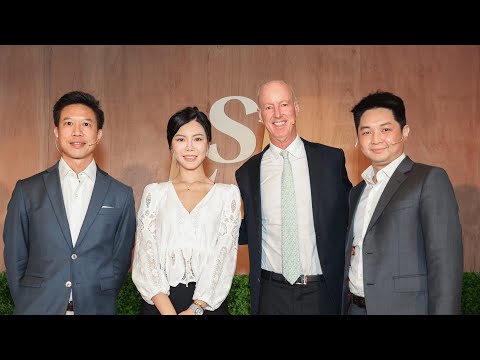
Hi everyone. I'm Paul Grand I'm the CEO here at Medtech Innovator. For those of you not familiar with us, Medtech Innovator is an accelerator, but we're more of a downstream accelerator. We're not looking for people with an idea who want to start a company and telling them how to how to file patents and how to, you know, write an employment agreement. That's not what we're about. We're more of like the graduate schools accelerators. We find the med tech companies anywhere in the world, regionally agnostic, who are the most promising companies in the world, and we want to make sure they actually succeed in making it not only to patients, but to public health, impact, value creation, all the things we all strive for, but unfortunately, it doesn't happen all too often. We want to make sure those things happen for you and for all the companies that ultimately have that potential. That's what we're all about. That's we're focused on. There's way too many reasons why companies fail that have nothing to do with the clinical trial itself failing. It's all the other stuff. It's all these other things. Is so many companies that get approved and then have products and sit in a shelf somewhere because they don't have the proper evidence generation strategy to satisfy payers, and all those things that people, you know you're just worried about trying to, like, you know, get your company off the ground. And, you know, you don't think about these things all the time, but they will drive the ultimate decision about whether or not you're successful. So Medtech individual designed for that and purpose built, and we got a great panel here today of some of our alumni who've been part of med tech innovator who can tell you a little about that journey, and then also one of our corporate partners as well. So I'll do our introductions, so you can hear a little bit about the people who are involved, and then we'll just talk about what this is all about, and give you a chance to ask some questions throughout this too, so we can talk about the journey. So why don't we start over here and just go, go left to right, this way from me, and start with David. So introduce yourself. Tell us, you know your company, a little bit about you, what you do, and you know, maybe even the stage that you well, we'll get into the stage after start
David Constantine 2:19
Fair enough, fair enough. Thank you very much. It's really nice to be here and to be accompanied by some pretty awesome people who I know and enjoy. I'm David Constantine. I'm a co founder and CEO of juniper biomedical. We were part of the 2024 cohort at MTI. We were we were a Grand Prize finalist. Juniper Biomedical is developing dramatically improved therapies for pelvic health conditions, and our first anchor application is the ability to treat mixed urinary incontinence with an implant that's half the size of a US dine. We have the unique capability to selectively target end organs using their distal innervations. So that allows us to go after novel applications, novel nerve targets that other technologies cannot. MTI was a transformational experience for us, for our team, and it continues as alumni. It's not just the program that is transformational, it's being part of a spectacular community of innovators and support.
Paul Grand 3:15
Fantastic and Jennifer,
Jennifer Fried 3:17
Hi, I'm Jennifer Fried. I'm the co founder and CEO of Flow Medical, where we are developing a next generation pulmonary embolism, thrombolysis, catheter. I've had the privilege of going through Medtech Innovator twice. I took my first company explore surgical through Medtech Innovator in 2017 right around the time that we raised our Series A we exited that business in 2021 and then I came back to Medtech Innovator again with my second company, flow, and took it through the 2024 cohort with David, which was a lot of fun,
Paul Grand 3:54
Virginia.
Virginia Giddings 3:54
So I'm Virginia Giddings. It's wonderful to be here with all of you today. I head up a function called exploration, which is a very front end of business development for Edwards Life Sciences. For those of you not familiar with Edwards, we are a company just down the road. We're sort of an Orange County startup, many, many, many years ago now grown into pretty, large, structural, hard company. We've been partnered with Medtech Innovator now, formally, for five years. So I'm happy to be here as representing a strategic corporate sponsor. Great to have you here. All right,
Ken Nelson 4:36
so I'm Ken Nelson, partner and founder of MedTech Advantage Fund. MedTech Advantage Fund is a fund that will be investing exclusively in Medtech Innovator alumni companies. Prior to that, I started out in the implantable world and cardiac rhythm management with Gaiden and then Boston Scientific post acquisition for about 10 years, and then spent the next dozen or so years. Uh, building the teams and commercializing what had become three of the four biggest players in cardiac digital health and remote patient monitoring, all of which eventually led to either an IPO or an acquisition. First was I rhythm, which went public. Second was bio telemetry, which got acquired by Phillips. And then the last was party diagnostics, which got acquired by Hill ROM and then Baxter, where I was Chief Commercial Officer. That's where I first went through Medtech Innovator. Wish I'd known about it the first one, but that's where I met Paul. Really enjoyed the the ecosystem, so much that afterwards, Paul was kind enough to invite me to be a judge. So the last five years or so, I've judged all their global pitch events, and so I've been on both sides, both both as a startup, going through Medtech Innovator and now as a judge. So interesting on both perspectives, and really feel like I continue to learn as much as a judge as I did going through it as a startup. So happy to be here.
Paul Grand 6:00
Terrific. Thank you all. So before we start, I'm curious in the audience. Since this is a workshop and we're supposed to be more interactive, I'm just curious, you know, just who's in the audience. So if you're an innovator, if you're an innovative startup, and you're the start, raise your hand. So that looks like the majority of the audience. How about if you're an investor? Any investors in the audience? Investors, some more investors, good. Go hit them up for checks after we're going to lock the doors and just stay in here and you're going to everyone's going to pitch you before we leave. How about any let's see. I'll just ask maybe one other category. Those are the two major ones that are here. But anyone here also from a strategic any other strategics in the room? Okay, so you had it all to yourself, Virginia, that's great. All this companies are you all right? So that's great. So we're going to mainly emphasize, I think, on the innovator side of this. And also, how many of you have already gone through med tech in beer? How many of you are an alumni or a graduate? So good, so, and then I guess the majority of not good. Okay, perfect. So let's start off a little bit about just, you know, memory, summarize some of the benefits that you got out of Medtech. And if it just so, we just kind of set the stage and talk a little bit about the kinds of things you got for Medtech Innovator in Virginia. I'll have a different question for you, but I'll start with the innovators first. I'm going to start all the way down. PM, with Ken. Since he was the last one, we'll come back this way, Ken, and also you were a mid stage company. So just for just make sure people understand we have companies that range in stage from pre seed companies that are still pre clinical all the way to people who have raised hundreds of millions of dollars and have products on the market that go through Medtech Innovator, because everybody has mistakes that they could be making ahead of them, that we're trying to avoid on the path of success. So you were in the mid stage cohort, yeah.
Ken Nelson 7:50
So it was interesting when, when we went through, we were, let's see we the product was FDA cleared. I just got brought in because they, they had tried to commercialize it for a year and failed. So they burned it, burned through 40 million in Series A. We're raising a $35 million Series B. So a lot of times, people just assume accelerators are for super early stage. We were actually already starting to commercialize when we pitched and went through. And it is extremely helpful. I can tell you, I didn't really do lots of pitch competitions with the other two companies, but Medtech Innovator, because they really focus so much on the pitch. The first thing they do is they make you do a one minute pitch, which I think is the hardest thing to do, because if five set to seven minute pitches. It's somewhat difficult, but then pairing that down to a minute in front of a big group of people is really, really difficult. So that alone was really, really helpful. And then the succession of, I think it's like 12 pitches in a row, if you get picked to go to one of the events, really helps you crisp your message, and you kind of if, if you're doing it right and listening to the feedback, you're adapting and changing your story throughout the day. So by the end of the day, ideally, your pitch is much, much better. And for me, I feel like I came out of that and I was much stronger at pitching just from that one leading into it. That's just another side of Windows. That was day one, and then that, that experience I'd met, just to give you some examples, I met virin maina at J, and J that eventually led to a lot of discussions, and we went down a whole pathway of potential, like I could talk about this because it's far enough along, but an M and A pathway didn't work out, but that's just an example of what things could lead to. We also met other investors, so Series B investors of Philly on which was one of them that I met at the Medtech Innovator events. Also led to health tech Arkansas, which is now hard X, another accelerator. That we did that led to some clinical studies, and it just the whole experience of the the ecosystem, from the FDA to commercial payers to lots of strategics like Virginia at Edwards, that it's just so much more robust than any other program that I've either gone through or been a judge for even been a part of it's at such a higher level than everything else it's it's hard to compare to other accelerator. So that, that was my experience, and I got so much out of it that, you know, now I'm involved in Paul and I, and Kris and Patrick started this fund on top of it. So just so much, so much learning, and I continue to learn from the program.
Paul Grand 10:41
Tremendous. All right, I'll go to Jennifer next. Jennifer, you want to talk a little bit about, again, just some general benefits and things that you got out of it.
Jennifer Fried 10:43
Yeah, I mean, I've had the benefit of going through the program twice now, and very different experiences when I did it. And in 2017 Ken, you were 19, right? 19, but we were kind of the same vintage company. The first time around, we did all the same programs together. It was lot smaller. So in 2017 there were 20 CEOs. And those really became my, you know, CEO friends. And so when I was thinking about doing another company, that was the group that I called, those were the CEOs that I said, Help me evaluate this opportunity. Am I completely insane to go do this again? Please talk me out of this, you know, and they didn't sell. Here I am. And then going through the program in 2024 I've really had the privilege of seeing it grow into a much larger program now with all of these different tracks. So there's a lot of great companies, but also now we have this huge wealth of corporate partners. Edwards wasn't there in 2017 we have all of these service providers. And so it's great to be able to be part of the full ecosystem. So going through it this time, I remember when I first applied, people looked at me. And so, you know, why are you doing this again? I suppose, totally different company, but also the program is very different. So we were able to get exposure to a number of key strategics that were interested in our space, key investors, other operators that are building at the same stage, but also service providers and all of the key areas of Medtech. So it's just a wonderful ecosystem to be a part of.
Paul Grand 12:25
Fantastic, and David.
David Constantine 12:27
So first of all, I would echo everything that you both said, no question. But I think one of the things that that strikes me about kind of evaluating this program is is a little bit the nomenclature people group programs into the nomenclature of an accelerator, and I would add the phrase, but not just pretty much every description about this program. It's not just about pitch competition. It's not just one opportunity to refine your pitch. It's a range over the course of months to continuously refine based on feedback from investors, based on feedback from not just people you met at an event, but people that you have cultivated a deep relationship because you've gotten to know them for months over multiple meetings. These are strategic advisors. These are service providers who are offering their time pro bono to get to know you, and for you to get to know them so you can cultivate a meaningful relationship. If you want to work together, awesome. If not, they still want to help you. So it's, it's really an incredible program in terms of the depth that it goes in, all of the attributes that it provides. There are also, and I didn't really realize this when we jumped into it there. There are all these little things that look like they're small line items on what happens during the program. Oh, there's the video. And then there's the VACC program, the value analysis committee program. Those additions are not mild enhancements, the ability to go into, to dig into, what makes our company provide really tangible, meaningful value for each of the relevant stakeholders, and to have that beat up by specialists, that's gold. And I don't know about other accelerators, they don't do that. There's no way. So, so there are so many extra layers of value within the experience of Medtech Innovator deeper than each line item of what is the program entails. And those relationships are really where they're the whole thing comes together deep relationships that you develop with your peers, with the supporters of the program, and as alumni. It's this extra little, little bond. I mean, the term alumni that you all associate with school is there. It's there. Oh, you went through that. It's a shared experience. It's a shared battle, if you will. And I mean, the Battle of building these companies is its own battle, but nonetheless, that that alumni community is pretty incredible.
Ken Nelson 14:51
So, so when you think about the the one or two things that you've been involved with that broadened your network the most, at least when I think about it, I. Yeah, they've got to be up there towards the top, if not the top, in terms of rapidly broadening my network, but also the deep relationships you're talking about. Because we do so many events, I think getting to see people and getting to know the people, it's a lot deeper relationships. So it's wider, but also deeper relationships,
Paul Grand 15:20
Yeah, yeah, and I think that's, you know, as I look back at our at our ecosystem, and I look across all the people, like a lot of people in the audience here, who are, have been part of MTI in some way, I hear the same thing from people all the time, which is like, you know, there's little bits and pieces, you know, that everybody extracts of value. You know, that huge value. But the network, you know, you both mentioned there, maybe all three of you mentioned it, that network is not to be underestimated. So, like, the title of this panel was like, how Medtech builds investable companies. And I can tell you that one of the most important things we do is create an ecosystem support, whether it's the peer startups, whether it's the service providers like you've mentioned, who also provide a lot of value and a huge amount of that support and the strategics. Having people who are in your corner through this journey is not to be underestimated, because, other than school, as you said, if you know going through school or something, there's not many other things like that where you can go like, Oh, we're on the same team. You know, we're on the same like, if you win, I'm win. We're all helping. So when there's fundraises, for example, our innovators help each other. You know people who are here, and I hear them all the time, they'll be like, oh, yeah, they were my wing man. You know, for that, that investor I was just trying to talk to before my wing woman to this investor, whatever it is, like I, you know, people are always, you know, they're pulling people in. So it's a huge part of all that. And, you know, and on the strategic side, I'm gonna flip it around to the other side for you Virginia for a minute. So Medtech Innovator, you know, is, again, it's many different things for, you know, for different people. Maybe just talk a little bit about Edwards in particular, about, you know, again, your involvement and and what you've gotten out of it.
Virginia Giddings 17:07
Yeah, I was gonna say a network like, I know there aren't that many, you know, investors in the in the room, but you know, for us as well, the network is really, like, it's sort of like this web of, you know, networking like, it's really important to us as well, to network, not just with the companies, but with our peers and other companies, and with, you know, venture investors. And just like having that connection and we, you know, being able to hear how they're thinking about different technologies is, you know, really helpful, and not from like, a competitive, like insight perspective, but just like how they're thinking about things, can help us with how we're thinking about it as well. But yeah, so Edwards, we use a model of we do a lot of organic innovation, so we invest heavily in R and D internally, but we also have a really strong external component as well. We think those two are very complimentary and and we have made, you know, we've made many investments over the years. Investment formed the basis of our TAVR business, but we also had an organic program in that area. So we'll often do, you know, sometimes we'll do side to side, or see different benefits of different pathways, the internal path versus the external. We're in structural heart. It's one of those fields that's like, it's highly competitive, and we have historically been a leader in that instructional heart, and we want to continue to be leaders. So to be leaders, you have to invest. You have to get in early. And for us, that means, you know, with our external piece of things, it's investing in early stage. So for med tech innovator, we were talking about sort of the tangible, intangible benefits. And I think the network is bit can be a bit intangible for for us, not free, not for the entrepreneurs who are getting funding through that. But the tangible is identifying those companies that we otherwise wouldn't have exposure to. Maybe we wouldn't have exposure to them, or maybe we don't, didn't know them in the same way that you know we were. You were talking and Ken about, like the depth of the relationship. Maybe we knew them, but we didn't know them as deeply. And med tech innovator really gives us an opportunity to interact with these companies in a very deep way, and not in the time bound way that maybe a funding, discrete funding round event would allow us to get, get to know them. So you know, recently, this past year, we announced an acquisition of endotronic. It was Medtech Innovator alumni company. We weren't partners at the time, but the connection of us to that company was made in 2015, it was a long it was a long time ago, which when you think about it like hey, timelines can be long for how you develop these relationships and that ultimately and in an acquisition. So for us, the tangible is absolutely like we we want to find those, those companies that are on strategy for us, that are early, that we can invest in and ultimately acquire the technology to be part of our our portfolio. So that's sort of the tangible, and then the intangible is like, sort of everything you're talking about is network. It's like the depth, being able to form a deep relationship, getting insight into how other experts in the field just think about things.
Paul Grand 20:56
Have you ever had, has Edwards ever had a company after you've invested in them, go through the program, or have you thought about putting a trying to get a company in?
Virginia Giddings 21:06
Yeah, for sure. We think about it, and we think, you know, is it the right match for, you know, just for the Yeah, it just depends. But we think it's a great opportunity. And, you know, sometimes it's a company where, like, we've had companies where we're, like, very interesting technology, but it's just too early for us to go in. There's too many unknowns and too many things they need to de risk and think through. And so we do recommend going into Medtech Innovator, because it's a way to get just this sort of multi dimensional feedback from the experts, like all the service providers, consultants, all of that are so, so knowledgeable, so these companies being able to benefit from all that input. And then us give it another look.
Ken Nelson 21:56
It feels like it really rapidly helps in terms of, if you're going to scale the company, because of those consultants, because the advice that you get, you're going to scale faster. At least, in my opinion, yeah, we did. Yeah. We scaled much faster than the other two in the same space. I think a lot of that was some of the things that we learned.
Virginia Giddings 22:17
Yeah. I mean, I think it truly is an accelerator. I don't know, Paul, if I'm jumping the gun on this or whatever, but you were talking about the pitching and the course of the day, the pitch contest, where you're going from table to table pitching. And one of the things you know we really focus on when we're mentoring a company is on the pitch. And having a good pitch is such it's such a strong I mean, you're in front of investors to have it be really, really dialed in. So it's pretty amazing to see how, like, the companies come in initially, the initial pitches day one, and by the time we get to the fall and, like, the ad for men and those pitches amazing. Yeah? Tell the story with that, yeah, it's pretty transformational. Yeah, really,
Paul Grand 23:04
yeah. And actually, and Virginia, you were touching on, you know, mentorship. So again, for those of you who haven't done this before, which is the whole point of this panel, hopefully, is that the program is a combination of mentorship from strategics and service providers and others who are subject matter experts. Everybody gets value coaches, for example, is another component of that. So every single company, we didn't do this in the, you know, back when Jennifer did the first time, but we did it the second time. And you have value professionals. You know, I see Leslie Weiss in the audience over there, who's one of our value professionals. From evidence matters. You should definitely talk to Leslie. If you don't know Leslie, but this process is something that, like, people know in, you know, I mean, you kind of know, you'll say, like, oh, we know that reimbursement is important, and we need to think about that. We should be thinking about it is very different from like, let's really think through the strategy. Let's really understand our stakeholders and kind of just the forcing factor, I think of our program is designed to just make you go into depth on things that you you know you're maybe you're putting off til later, but make you investable. Are the things that investors and strategics and people are listening for when you're when you're giving a pitch when you're having a conversation. I know Jennifer, you you We were talking. We were before this panel, we were talking about some of your experience going through it a second time. And you were saying, like, you know, in the value process, even though you've been through this before, a bit, you know, like you had some epiphanies that came from that too. Yeah.
Jennifer Fried 24:37
I mean, I can share an example. They worked with Tom Pat salt, who was terrific from the value perspective when I went through the program the first time. We were a software company, so very different than now, which is more of a traditional med device. And when you go through the value program, you really talk about all of the different stakeholders, because healthcare is still multifaceted. So you're thinking about your value to the patient. You're thinking about. Value to the physician, to the hospital, to the insurance provider, and we always talk about patient first. One of the key things that our product at flow does is allow physicians to tailor the dose of medicine to each patient. So when we're going through this value workshop, I remember saying, Oh, this is so great for patients. They may not need to have as much medication, and this is a big value to them. And Tom was looking at me. He's like, You think a patient cares how much medicine they get? They don't care. They care if they live right? They care when they go home. And it really reframed my thinking. And now, as we're getting ready for our clinical study, and we're actually going through our informed consent agreement, our regulatory advisors that, hey, you really need to make this so clear to everybody of any education level, what they're doing, why they're doing it. And it made me come back to that value program. And so, yeah, a patient doesn't care if they're getting 10 or 20 milligrams of T PA. They care about, am I going to when am I going to go home? And am I going to live? And it really reframed a lot of our thinking. So it's continued to provide value well beyond finishing the program.
Paul Grand 26:08
Yeah, no, that's that's helpful. So So again, like, you know, there's a so many components to med tech innovator, and if we were to get into all them, this panel would be three hours long, and I know that's not going to happen. So, so, you know what? Why don't I touch on some of the, some other areas, and some things that, again, that I think would be helpful if any of you guys are thinking about actually, actually, even just ask in the audience. So just generally speaking, how many of you guys who are have not been through Medtech Innovator, have been through another accelerator of some kind? Okay, and how many of you are even thinking about Medtech Innovator as a potential accelerator. Okay, good. So at least some of you here, and maybe we'll convince the rest after and so, so when you think back now to some of the other the other things again, that you that you can draw from, from this experience, if you're giving advice again, to, like, you know, people out here in the audience, and you're thinking, why might you want to go, take the time to go do this? Because, to be clear, like it is a commitment, right? Like it takes time. It's not like you do this for an hour and you're done. You know, me even just ask that, just in terms of, like, time commitment. What was the time commitment like for you? The two of you just did it this year. So
David Constantine 27:18
I think I would probably equate it to, in separating the events, an event is event, yeah, an adventure. You're going to disappear and go to a place for a little while, but in an online I would, I would say maybe a half to at the peaks, a day and a half of substance in a given week. And that ebbs and flows, and it's always pertinent to what we're doing. At the time, I didn't find that because you enter where you enter, you for us, we had closed a series seed. We were in a transition to position ourselves and create the value that we'd aim to with that money for the series A so the conversations were about that, and we were matched with the matching wasn't, hey, you guys seem to like some of the same things. Why don't you guys talk? We're matched with somebody who was interested in what we were doing tangibly, and we are interested in their perspective. So we met up with Olympus as our our mentor, Abby there at the in the Charles adventure group, and she put us in touch with 10 different people in the organization to attack each individual subset of what we were bringing forth. So when you talk about readiness for venture, we were beat up. I mean, we went, we went through literally every aspect of the company. So they're no blind spots anymore. We hit everything. And that's, that's one of the relationships. We also were paired with veronex. They added a whole bunch of value to our clinical study strategy, you also get an access point to AdvaMed, which is an incredible value if you lean into it. So these relationships, and also the peripheral relationships, where you're not formally matched, but where there's a lot of opportunities. Some of the folks in the back of the room, Cambridge consultants, Mullings group, has been awesome with us, all of these relationships that we cultivated, not on a quick intro, but deeply connected. And the assets that you the tangible assets that you develop during competition the video, each one of those is a reason to deeply connect with somebody that's going to help you. So,
Paul Grand 29:16
yes, and you, you know, we talked about this, you know the idea of that forcing function in the video. Since you just mentioned that every company who goes through Medtech Innovator, you have to make a video. And it's not like you turn on your zoom and you talk to your zoom for a minute. It's a it's a production, like, you know, these, these come out and they look like commercials at the end, and if you watch the videos, they're one minute long. And most of the companies that come out of med tech inveter are using that video for four or five years still, and they're still using the video because they're designed to be timeless, and it's an amazing thing. But you might not have done that, no, if it wasn't for med tech innovator, right?
David Constantine 29:48
Not, not in that, none that way, and not for that reason. And it ends up being a very, very useful assets at the bottom of every email I send, so quick, if somebody doesn't want to read, here's 60 seconds. And, you know. What we do,
Paul Grand 30:00
yeah, yeah, that's good other examples, maybe just very quickly. Again, you know, I can go back, maybe back to Ken over there. You know, you, you had an experience I remember on the pediatric side that you did not expect through Medtech Innovator, maybe just talk a little bit about that as well.
Ken Nelson 30:15
Yeah. So again, like I was saying earlier, I didn't go do pitch competitions before Barty and before Medtech Innovator. And it kind of started with Bardy at Medtech Innovator. After that, that led to doing some of the pediatric innovation pitch events, where we won a couple research grants, but also helped us focus on our pediatric indication, which ended up being a really good niche area for us, as we were commercializing early and it was something like 20 or 25% of all of our early growth came out of Pediatrics, which was an unexpected area for us and just became a big focus area for us. And we felt like because the other companies didn't have, or most of them didn't have a pediatric indication, I started to use that in pitches with investors, and just became something that resonated with people. So that was great. The other thing outside of the pediatrics that I felt was really strong was the importance of the reimbursement strategy and your economic story, and seeing some of the companies come in and pitch now that don't have that in their decks at all, or just don't have a great story, it's a big learning point. And now I try to stress to companies that are coming through, or companies that I'm on the boards of you got to have that down, because that can be an automatic out. If you're talking to a strategic or an investor and you don't have a good reimbursement strategy or economic model in in your pitch track tech and in your story, but would love to get your take on that too, because as a strategic Do you agree with that? What with that, with if you don't have a strong reimbursement strategy or economic model?
Virginia Giddings 31:58
Yeah, for sure. I mean, you need to have that, yeah, and sort of depending on, like, how close it is to our base business, we may understand that really well. But then there are other areas where it's like, you know, digital health or AI, or where, you know, like, where even just the fundamentals are not really well understood, of like, who is the customer, so having that define this
Ken Nelson 32:26
And it also really seems to be an oversight of a lot of startups I go. I don't need to have a resource for that, or it's an expensive area. But through Medtech Innovator, we met all these consultants in that area, so that became really helpful. So now, as I join these different boards, I always first I try to get them to come through Medtech Innovator and most have now. But I also really highly recommend that they get a good reimbursement.
Virginia Giddings 32:52
Yeah, for sure.
Paul Grand 32:54
Jennifer, so in addition to being a two time entrepreneur, so you've got advice from that side. You're also an investor as well. Prior to this, right? You did. You started there, you went back there, in between, on if you're still investing on the side, a little bit on the side. So, you know, when you think about what makes a company investable, like, what in the med tech space in particular, like, what are some of the key things that you see people making mistakes with, you know, whether or not we help, I think we probably help with most in the med tech innovator, but I'm just, you know, as an education thing for the audience. You know, what are some of the key things that you think make somebody succeed in being investable?
Jennifer Fried 33:33
I think one of the things a lot of early companies get wrong is their customer discovery. And so there's nothing I love more than meeting a physician who says I take care of these patients every day, and I see a way to do something better, and I will do everything I possibly can to meet with anybody who fits that mold that comes to me and wants to talk. But that's one data point, and that's one experience. And so one of the things that I really learned as a VC was you can't just take anything as a given. So anytime I'm looking at a new technology or thinking about an opportunity for myself, if I dig in seriously, the first thing I'm doing is calling a dozen or two dozen physicians who are in that field, who are subject matter experts, and just getting them talking, so not presenting them something and saying, What do you think of this? But for in this case, looking at pulmonary embolism, it was, hey, how many PE patients do you get? How do you treat them today? How you decide what to use? What do you like about it? What don't you like about it? And so I think it's really kind of pushing those boundaries of customer discovery, because there's so much inertia in healthcare that it's very easy to keep doing things the way that you've always been doing them. So anything that you're solving, it has to be a big enough problem that people care, and it's one of their top priorities to go and do something differently. And so I think that's something that is really important. For anybody
Paul Grand 35:02
talking to a lot of them getting that, yeah, don't just have the one physician founder or the physician, the people in that one little, small universe, you know, be your only input. That's that's not a good recipe for success, right? Yeah.
Jennifer Fried 35:13
And I think not necessarily just KOLs, because KOLs are terrific on the pollutant, but they're not always the most high volume physicians. So finding the docs that are really out there that are treating these patients every day, and what net tech innovator is so great at, is providing this ecosystem and people to call. So like I said when I was about doing this company, a lot of a lot of the innovators in MTI are physicians or have a clinical background, and so I was calling them saying, Do you have any buddies from med school that went on to be interventional cardiologist, and can I talk to them and let me get as many diverse opinions as I possibly can? So I think just being a part of this community helps give you the access to be able to ask and answer those tough questions of what you're of what you're trying to build.
Paul Grand 35:59
Yeah, no, it's super great. I want to make sure, too. It's only four minutes left on the clock. If anybody has questions you want to ask, of any of our panelists, you can use the mic over here in the center and come over if anyone has a question. Nobody's a question. We're just going to keep going. But, but do line up if you have a question in the time that we've left. So, you know, going back to again, you know, I asked before this, before about, like, tips too. So I'm going to go to Virginia again for a second. Because, you know, I'm sure you had hundreds of people send you meeting requests for, you know,
Virginia Giddings 36:31
it was 100 at least,
Paul Grand 36:33
yeah, at least,
Virginia Giddings 36:33
I tried to respond to them too. But, yeah, I mean, maybe just to build, like, what makes something investable is it's also about the team. So I think that that's a key thing to think about. We're also we're investing in the technology, the product, the innovation, but it's also in the team that's going to be able to deliver it. So, and we talk a lot about this in med tech innovator like, do we think, like, the team is coachable? Like, that's that I feel like is a good like, sometimes we, like, love the technology, but we're like, oh my gosh, the CEO, we don't think that they will list listen to the input. So is that a good use of the resources? So I think you know that that would be one of my top things to say to the entrepreneurs, is you, you have the opportunity when, whenever you're out there, here at this conference, other conferences, part of Medtech Innovator, you're pitching to people. Really pay attention to their reaction. Really note their questions, and try to think about those. And then, if you come back, when you come back, make sure you've thought that that through and like, just be really open to, you know, people are so willing to invest in their time, in other people, sort of despite what you see in the news. I really think that people genuinely care and they want to help others out. So just listen to what you're hearing and then try to incorporate that in terms of your next steps. Some of that takes, you know, some humility to be able to accept the coaching points. It's not always to get easy to get feedback, but really try to try to take that and, and that's something we really look for, is, what did we say the last time we met with that entrepreneur? What did we say to them, and did it seem like they listened like the next time we met with them? Did they listen? And did they because, like a great entrepreneur will come back, you know, six months or whatever, later and be like, Hey, I remember you were asking about this, and I've really thought it through, and this is what I think. And then that's an entrepreneur that you're really impressed with. So that would be my one piece of advice.
Paul Grand 38:54
I see Yosef from Happitech, yeah, you want to, yeah.
Audience Question 38:58
I am an alumni of Medtech Innovator, and I, and it's not a question, but maybe just to add on to it, when I when we came into the program, we had a very local network of people that we knew in the industry. And when we joined Medtech Innovator, you start really realizing that everybody's just a phone call away for any kind of topic. And I think you hinted on it, we found a lot of our consultants. Everybody's vetted, you know. So you know, orange, from your insurance to your FDA consultants to our board member and a lot of different things. So you get a toolbox. You fill it up basically during Medtech Innovator of anything you need during your journey. And in the same way here at LSI, you meet all the investors. So Medtech Innovator kind of combines all the different segments as a founder that you need to be successful in building your medical device company. So I recommend everybody to apply. It's been a great experience. I wasn't paid for this.
Paul Grand 39:58
Thank you. Yosef, well, I. I see we have three seconds left, so that really was a great way to end the panel. Thank you and and thank you everybody on the panel up here, I have, I absolutely recommend you guys seek them out as well as anybody else. If you look around, you see Medtech Innovator pin and you're non med tech innovator. You wanted to learn more. Ask anybody who's wearing one of these. They're generally our alumni or one of our partners. By the way, if you're an alumni or a partner, we have a 2pm group photo on the grand lawn, so please come for that 2pm and thank you the panel for for a fantastic bow.
Ken Nelson 40:30
Thanks, Paul.
Paul Grand 40:31
You too, guys. Great job.
David Constantine 40:34
Thank you. Thank you very much.
Paul Grand 0:05
Hi everyone. I'm Paul Grand I'm the CEO here at Medtech Innovator. For those of you not familiar with us, Medtech Innovator is an accelerator, but we're more of a downstream accelerator. We're not looking for people with an idea who want to start a company and telling them how to how to file patents and how to, you know, write an employment agreement. That's not what we're about. We're more of like the graduate schools accelerators. We find the med tech companies anywhere in the world, regionally agnostic, who are the most promising companies in the world, and we want to make sure they actually succeed in making it not only to patients, but to public health, impact, value creation, all the things we all strive for, but unfortunately, it doesn't happen all too often. We want to make sure those things happen for you and for all the companies that ultimately have that potential. That's what we're all about. That's we're focused on. There's way too many reasons why companies fail that have nothing to do with the clinical trial itself failing. It's all the other stuff. It's all these other things. Is so many companies that get approved and then have products and sit in a shelf somewhere because they don't have the proper evidence generation strategy to satisfy payers, and all those things that people, you know you're just worried about trying to, like, you know, get your company off the ground. And, you know, you don't think about these things all the time, but they will drive the ultimate decision about whether or not you're successful. So Medtech individual designed for that and purpose built, and we got a great panel here today of some of our alumni who've been part of med tech innovator who can tell you a little about that journey, and then also one of our corporate partners as well. So I'll do our introductions, so you can hear a little bit about the people who are involved, and then we'll just talk about what this is all about, and give you a chance to ask some questions throughout this too, so we can talk about the journey. So why don't we start over here and just go, go left to right, this way from me, and start with David. So introduce yourself. Tell us, you know your company, a little bit about you, what you do, and you know, maybe even the stage that you well, we'll get into the stage after start
David Constantine 2:19
Fair enough, fair enough. Thank you very much. It's really nice to be here and to be accompanied by some pretty awesome people who I know and enjoy. I'm David Constantine. I'm a co founder and CEO of juniper biomedical. We were part of the 2024 cohort at MTI. We were we were a Grand Prize finalist. Juniper Biomedical is developing dramatically improved therapies for pelvic health conditions, and our first anchor application is the ability to treat mixed urinary incontinence with an implant that's half the size of a US dine. We have the unique capability to selectively target end organs using their distal innervations. So that allows us to go after novel applications, novel nerve targets that other technologies cannot. MTI was a transformational experience for us, for our team, and it continues as alumni. It's not just the program that is transformational, it's being part of a spectacular community of innovators and support.
Paul Grand 3:15
Fantastic and Jennifer,
Jennifer Fried 3:17
Hi, I'm Jennifer Fried. I'm the co founder and CEO of Flow Medical, where we are developing a next generation pulmonary embolism, thrombolysis, catheter. I've had the privilege of going through Medtech Innovator twice. I took my first company explore surgical through Medtech Innovator in 2017 right around the time that we raised our Series A we exited that business in 2021 and then I came back to Medtech Innovator again with my second company, flow, and took it through the 2024 cohort with David, which was a lot of fun,
Paul Grand 3:54
Virginia.
Virginia Giddings 3:54
So I'm Virginia Giddings. It's wonderful to be here with all of you today. I head up a function called exploration, which is a very front end of business development for Edwards Life Sciences. For those of you not familiar with Edwards, we are a company just down the road. We're sort of an Orange County startup, many, many, many years ago now grown into pretty, large, structural, hard company. We've been partnered with Medtech Innovator now, formally, for five years. So I'm happy to be here as representing a strategic corporate sponsor. Great to have you here. All right,
Ken Nelson 4:36
so I'm Ken Nelson, partner and founder of MedTech Advantage Fund. MedTech Advantage Fund is a fund that will be investing exclusively in Medtech Innovator alumni companies. Prior to that, I started out in the implantable world and cardiac rhythm management with Gaiden and then Boston Scientific post acquisition for about 10 years, and then spent the next dozen or so years. Uh, building the teams and commercializing what had become three of the four biggest players in cardiac digital health and remote patient monitoring, all of which eventually led to either an IPO or an acquisition. First was I rhythm, which went public. Second was bio telemetry, which got acquired by Phillips. And then the last was party diagnostics, which got acquired by Hill ROM and then Baxter, where I was Chief Commercial Officer. That's where I first went through Medtech Innovator. Wish I'd known about it the first one, but that's where I met Paul. Really enjoyed the the ecosystem, so much that afterwards, Paul was kind enough to invite me to be a judge. So the last five years or so, I've judged all their global pitch events, and so I've been on both sides, both both as a startup, going through Medtech Innovator and now as a judge. So interesting on both perspectives, and really feel like I continue to learn as much as a judge as I did going through it as a startup. So happy to be here.
Paul Grand 6:00
Terrific. Thank you all. So before we start, I'm curious in the audience. Since this is a workshop and we're supposed to be more interactive, I'm just curious, you know, just who's in the audience. So if you're an innovator, if you're an innovative startup, and you're the start, raise your hand. So that looks like the majority of the audience. How about if you're an investor? Any investors in the audience? Investors, some more investors, good. Go hit them up for checks after we're going to lock the doors and just stay in here and you're going to everyone's going to pitch you before we leave. How about any let's see. I'll just ask maybe one other category. Those are the two major ones that are here. But anyone here also from a strategic any other strategics in the room? Okay, so you had it all to yourself, Virginia, that's great. All this companies are you all right? So that's great. So we're going to mainly emphasize, I think, on the innovator side of this. And also, how many of you have already gone through med tech in beer? How many of you are an alumni or a graduate? So good, so, and then I guess the majority of not good. Okay, perfect. So let's start off a little bit about just, you know, memory, summarize some of the benefits that you got out of Medtech. And if it just so, we just kind of set the stage and talk a little bit about the kinds of things you got for Medtech Innovator in Virginia. I'll have a different question for you, but I'll start with the innovators first. I'm going to start all the way down. PM, with Ken. Since he was the last one, we'll come back this way, Ken, and also you were a mid stage company. So just for just make sure people understand we have companies that range in stage from pre seed companies that are still pre clinical all the way to people who have raised hundreds of millions of dollars and have products on the market that go through Medtech Innovator, because everybody has mistakes that they could be making ahead of them, that we're trying to avoid on the path of success. So you were in the mid stage cohort, yeah.
Ken Nelson 7:50
So it was interesting when, when we went through, we were, let's see we the product was FDA cleared. I just got brought in because they, they had tried to commercialize it for a year and failed. So they burned it, burned through 40 million in Series A. We're raising a $35 million Series B. So a lot of times, people just assume accelerators are for super early stage. We were actually already starting to commercialize when we pitched and went through. And it is extremely helpful. I can tell you, I didn't really do lots of pitch competitions with the other two companies, but Medtech Innovator, because they really focus so much on the pitch. The first thing they do is they make you do a one minute pitch, which I think is the hardest thing to do, because if five set to seven minute pitches. It's somewhat difficult, but then pairing that down to a minute in front of a big group of people is really, really difficult. So that alone was really, really helpful. And then the succession of, I think it's like 12 pitches in a row, if you get picked to go to one of the events, really helps you crisp your message, and you kind of if, if you're doing it right and listening to the feedback, you're adapting and changing your story throughout the day. So by the end of the day, ideally, your pitch is much, much better. And for me, I feel like I came out of that and I was much stronger at pitching just from that one leading into it. That's just another side of Windows. That was day one, and then that, that experience I'd met, just to give you some examples, I met virin maina at J, and J that eventually led to a lot of discussions, and we went down a whole pathway of potential, like I could talk about this because it's far enough along, but an M and A pathway didn't work out, but that's just an example of what things could lead to. We also met other investors, so Series B investors of Philly on which was one of them that I met at the Medtech Innovator events. Also led to health tech Arkansas, which is now hard X, another accelerator. That we did that led to some clinical studies, and it just the whole experience of the the ecosystem, from the FDA to commercial payers to lots of strategics like Virginia at Edwards, that it's just so much more robust than any other program that I've either gone through or been a judge for even been a part of it's at such a higher level than everything else it's it's hard to compare to other accelerator. So that, that was my experience, and I got so much out of it that, you know, now I'm involved in Paul and I, and Kris and Patrick started this fund on top of it. So just so much, so much learning, and I continue to learn from the program.
Paul Grand 10:41
Tremendous. All right, I'll go to Jennifer next. Jennifer, you want to talk a little bit about, again, just some general benefits and things that you got out of it.
Jennifer Fried 10:43
Yeah, I mean, I've had the benefit of going through the program twice now, and very different experiences when I did it. And in 2017 Ken, you were 19, right? 19, but we were kind of the same vintage company. The first time around, we did all the same programs together. It was lot smaller. So in 2017 there were 20 CEOs. And those really became my, you know, CEO friends. And so when I was thinking about doing another company, that was the group that I called, those were the CEOs that I said, Help me evaluate this opportunity. Am I completely insane to go do this again? Please talk me out of this, you know, and they didn't sell. Here I am. And then going through the program in 2024 I've really had the privilege of seeing it grow into a much larger program now with all of these different tracks. So there's a lot of great companies, but also now we have this huge wealth of corporate partners. Edwards wasn't there in 2017 we have all of these service providers. And so it's great to be able to be part of the full ecosystem. So going through it this time, I remember when I first applied, people looked at me. And so, you know, why are you doing this again? I suppose, totally different company, but also the program is very different. So we were able to get exposure to a number of key strategics that were interested in our space, key investors, other operators that are building at the same stage, but also service providers and all of the key areas of Medtech. So it's just a wonderful ecosystem to be a part of.
Paul Grand 12:25
Fantastic, and David.
David Constantine 12:27
So first of all, I would echo everything that you both said, no question. But I think one of the things that that strikes me about kind of evaluating this program is is a little bit the nomenclature people group programs into the nomenclature of an accelerator, and I would add the phrase, but not just pretty much every description about this program. It's not just about pitch competition. It's not just one opportunity to refine your pitch. It's a range over the course of months to continuously refine based on feedback from investors, based on feedback from not just people you met at an event, but people that you have cultivated a deep relationship because you've gotten to know them for months over multiple meetings. These are strategic advisors. These are service providers who are offering their time pro bono to get to know you, and for you to get to know them so you can cultivate a meaningful relationship. If you want to work together, awesome. If not, they still want to help you. So it's, it's really an incredible program in terms of the depth that it goes in, all of the attributes that it provides. There are also, and I didn't really realize this when we jumped into it there. There are all these little things that look like they're small line items on what happens during the program. Oh, there's the video. And then there's the VACC program, the value analysis committee program. Those additions are not mild enhancements, the ability to go into, to dig into, what makes our company provide really tangible, meaningful value for each of the relevant stakeholders, and to have that beat up by specialists, that's gold. And I don't know about other accelerators, they don't do that. There's no way. So, so there are so many extra layers of value within the experience of Medtech Innovator deeper than each line item of what is the program entails. And those relationships are really where they're the whole thing comes together deep relationships that you develop with your peers, with the supporters of the program, and as alumni. It's this extra little, little bond. I mean, the term alumni that you all associate with school is there. It's there. Oh, you went through that. It's a shared experience. It's a shared battle, if you will. And I mean, the Battle of building these companies is its own battle, but nonetheless, that that alumni community is pretty incredible.
Ken Nelson 14:51
So, so when you think about the the one or two things that you've been involved with that broadened your network the most, at least when I think about it, I. Yeah, they've got to be up there towards the top, if not the top, in terms of rapidly broadening my network, but also the deep relationships you're talking about. Because we do so many events, I think getting to see people and getting to know the people, it's a lot deeper relationships. So it's wider, but also deeper relationships,
Paul Grand 15:20
Yeah, yeah, and I think that's, you know, as I look back at our at our ecosystem, and I look across all the people, like a lot of people in the audience here, who are, have been part of MTI in some way, I hear the same thing from people all the time, which is like, you know, there's little bits and pieces, you know, that everybody extracts of value. You know, that huge value. But the network, you know, you both mentioned there, maybe all three of you mentioned it, that network is not to be underestimated. So, like, the title of this panel was like, how Medtech builds investable companies. And I can tell you that one of the most important things we do is create an ecosystem support, whether it's the peer startups, whether it's the service providers like you've mentioned, who also provide a lot of value and a huge amount of that support and the strategics. Having people who are in your corner through this journey is not to be underestimated, because, other than school, as you said, if you know going through school or something, there's not many other things like that where you can go like, Oh, we're on the same team. You know, we're on the same like, if you win, I'm win. We're all helping. So when there's fundraises, for example, our innovators help each other. You know people who are here, and I hear them all the time, they'll be like, oh, yeah, they were my wing man. You know, for that, that investor I was just trying to talk to before my wing woman to this investor, whatever it is, like I, you know, people are always, you know, they're pulling people in. So it's a huge part of all that. And, you know, and on the strategic side, I'm gonna flip it around to the other side for you Virginia for a minute. So Medtech Innovator, you know, is, again, it's many different things for, you know, for different people. Maybe just talk a little bit about Edwards in particular, about, you know, again, your involvement and and what you've gotten out of it.
Virginia Giddings 17:07
Yeah, I was gonna say a network like, I know there aren't that many, you know, investors in the in the room, but you know, for us as well, the network is really, like, it's sort of like this web of, you know, networking like, it's really important to us as well, to network, not just with the companies, but with our peers and other companies, and with, you know, venture investors. And just like having that connection and we, you know, being able to hear how they're thinking about different technologies is, you know, really helpful, and not from like, a competitive, like insight perspective, but just like how they're thinking about things, can help us with how we're thinking about it as well. But yeah, so Edwards, we use a model of we do a lot of organic innovation, so we invest heavily in R and D internally, but we also have a really strong external component as well. We think those two are very complimentary and and we have made, you know, we've made many investments over the years. Investment formed the basis of our TAVR business, but we also had an organic program in that area. So we'll often do, you know, sometimes we'll do side to side, or see different benefits of different pathways, the internal path versus the external. We're in structural heart. It's one of those fields that's like, it's highly competitive, and we have historically been a leader in that instructional heart, and we want to continue to be leaders. So to be leaders, you have to invest. You have to get in early. And for us, that means, you know, with our external piece of things, it's investing in early stage. So for med tech innovator, we were talking about sort of the tangible, intangible benefits. And I think the network is bit can be a bit intangible for for us, not free, not for the entrepreneurs who are getting funding through that. But the tangible is identifying those companies that we otherwise wouldn't have exposure to. Maybe we wouldn't have exposure to them, or maybe we don't, didn't know them in the same way that you know we were. You were talking and Ken about, like the depth of the relationship. Maybe we knew them, but we didn't know them as deeply. And med tech innovator really gives us an opportunity to interact with these companies in a very deep way, and not in the time bound way that maybe a funding, discrete funding round event would allow us to get, get to know them. So you know, recently, this past year, we announced an acquisition of endotronic. It was Medtech Innovator alumni company. We weren't partners at the time, but the connection of us to that company was made in 2015, it was a long it was a long time ago, which when you think about it like hey, timelines can be long for how you develop these relationships and that ultimately and in an acquisition. So for us, the tangible is absolutely like we we want to find those, those companies that are on strategy for us, that are early, that we can invest in and ultimately acquire the technology to be part of our our portfolio. So that's sort of the tangible, and then the intangible is like, sort of everything you're talking about is network. It's like the depth, being able to form a deep relationship, getting insight into how other experts in the field just think about things.
Paul Grand 20:56
Have you ever had, has Edwards ever had a company after you've invested in them, go through the program, or have you thought about putting a trying to get a company in?
Virginia Giddings 21:06
Yeah, for sure. We think about it, and we think, you know, is it the right match for, you know, just for the Yeah, it just depends. But we think it's a great opportunity. And, you know, sometimes it's a company where, like, we've had companies where we're, like, very interesting technology, but it's just too early for us to go in. There's too many unknowns and too many things they need to de risk and think through. And so we do recommend going into Medtech Innovator, because it's a way to get just this sort of multi dimensional feedback from the experts, like all the service providers, consultants, all of that are so, so knowledgeable, so these companies being able to benefit from all that input. And then us give it another look.
Ken Nelson 21:56
It feels like it really rapidly helps in terms of, if you're going to scale the company, because of those consultants, because the advice that you get, you're going to scale faster. At least, in my opinion, yeah, we did. Yeah. We scaled much faster than the other two in the same space. I think a lot of that was some of the things that we learned.
Virginia Giddings 22:17
Yeah. I mean, I think it truly is an accelerator. I don't know, Paul, if I'm jumping the gun on this or whatever, but you were talking about the pitching and the course of the day, the pitch contest, where you're going from table to table pitching. And one of the things you know we really focus on when we're mentoring a company is on the pitch. And having a good pitch is such it's such a strong I mean, you're in front of investors to have it be really, really dialed in. So it's pretty amazing to see how, like, the companies come in initially, the initial pitches day one, and by the time we get to the fall and, like, the ad for men and those pitches amazing. Yeah? Tell the story with that, yeah, it's pretty transformational. Yeah, really,
Paul Grand 23:04
yeah. And actually, and Virginia, you were touching on, you know, mentorship. So again, for those of you who haven't done this before, which is the whole point of this panel, hopefully, is that the program is a combination of mentorship from strategics and service providers and others who are subject matter experts. Everybody gets value coaches, for example, is another component of that. So every single company, we didn't do this in the, you know, back when Jennifer did the first time, but we did it the second time. And you have value professionals. You know, I see Leslie Weiss in the audience over there, who's one of our value professionals. From evidence matters. You should definitely talk to Leslie. If you don't know Leslie, but this process is something that, like, people know in, you know, I mean, you kind of know, you'll say, like, oh, we know that reimbursement is important, and we need to think about that. We should be thinking about it is very different from like, let's really think through the strategy. Let's really understand our stakeholders and kind of just the forcing factor, I think of our program is designed to just make you go into depth on things that you you know you're maybe you're putting off til later, but make you investable. Are the things that investors and strategics and people are listening for when you're when you're giving a pitch when you're having a conversation. I know Jennifer, you you We were talking. We were before this panel, we were talking about some of your experience going through it a second time. And you were saying, like, you know, in the value process, even though you've been through this before, a bit, you know, like you had some epiphanies that came from that too. Yeah.
Jennifer Fried 24:37
I mean, I can share an example. They worked with Tom Pat salt, who was terrific from the value perspective when I went through the program the first time. We were a software company, so very different than now, which is more of a traditional med device. And when you go through the value program, you really talk about all of the different stakeholders, because healthcare is still multifaceted. So you're thinking about your value to the patient. You're thinking about. Value to the physician, to the hospital, to the insurance provider, and we always talk about patient first. One of the key things that our product at flow does is allow physicians to tailor the dose of medicine to each patient. So when we're going through this value workshop, I remember saying, Oh, this is so great for patients. They may not need to have as much medication, and this is a big value to them. And Tom was looking at me. He's like, You think a patient cares how much medicine they get? They don't care. They care if they live right? They care when they go home. And it really reframed my thinking. And now, as we're getting ready for our clinical study, and we're actually going through our informed consent agreement, our regulatory advisors that, hey, you really need to make this so clear to everybody of any education level, what they're doing, why they're doing it. And it made me come back to that value program. And so, yeah, a patient doesn't care if they're getting 10 or 20 milligrams of T PA. They care about, am I going to when am I going to go home? And am I going to live? And it really reframed a lot of our thinking. So it's continued to provide value well beyond finishing the program.
Paul Grand 26:08
Yeah, no, that's that's helpful. So So again, like, you know, there's a so many components to med tech innovator, and if we were to get into all them, this panel would be three hours long, and I know that's not going to happen. So, so, you know what? Why don't I touch on some of the, some other areas, and some things that, again, that I think would be helpful if any of you guys are thinking about actually, actually, even just ask in the audience. So just generally speaking, how many of you guys who are have not been through Medtech Innovator, have been through another accelerator of some kind? Okay, and how many of you are even thinking about Medtech Innovator as a potential accelerator. Okay, good. So at least some of you here, and maybe we'll convince the rest after and so, so when you think back now to some of the other the other things again, that you that you can draw from, from this experience, if you're giving advice again, to, like, you know, people out here in the audience, and you're thinking, why might you want to go, take the time to go do this? Because, to be clear, like it is a commitment, right? Like it takes time. It's not like you do this for an hour and you're done. You know, me even just ask that, just in terms of, like, time commitment. What was the time commitment like for you? The two of you just did it this year. So
David Constantine 27:18
I think I would probably equate it to, in separating the events, an event is event, yeah, an adventure. You're going to disappear and go to a place for a little while, but in an online I would, I would say maybe a half to at the peaks, a day and a half of substance in a given week. And that ebbs and flows, and it's always pertinent to what we're doing. At the time, I didn't find that because you enter where you enter, you for us, we had closed a series seed. We were in a transition to position ourselves and create the value that we'd aim to with that money for the series A so the conversations were about that, and we were matched with the matching wasn't, hey, you guys seem to like some of the same things. Why don't you guys talk? We're matched with somebody who was interested in what we were doing tangibly, and we are interested in their perspective. So we met up with Olympus as our our mentor, Abby there at the in the Charles adventure group, and she put us in touch with 10 different people in the organization to attack each individual subset of what we were bringing forth. So when you talk about readiness for venture, we were beat up. I mean, we went, we went through literally every aspect of the company. So they're no blind spots anymore. We hit everything. And that's, that's one of the relationships. We also were paired with veronex. They added a whole bunch of value to our clinical study strategy, you also get an access point to AdvaMed, which is an incredible value if you lean into it. So these relationships, and also the peripheral relationships, where you're not formally matched, but where there's a lot of opportunities. Some of the folks in the back of the room, Cambridge consultants, Mullings group, has been awesome with us, all of these relationships that we cultivated, not on a quick intro, but deeply connected. And the assets that you the tangible assets that you develop during competition the video, each one of those is a reason to deeply connect with somebody that's going to help you. So,
Paul Grand 29:16
yes, and you, you know, we talked about this, you know the idea of that forcing function in the video. Since you just mentioned that every company who goes through Medtech Innovator, you have to make a video. And it's not like you turn on your zoom and you talk to your zoom for a minute. It's a it's a production, like, you know, these, these come out and they look like commercials at the end, and if you watch the videos, they're one minute long. And most of the companies that come out of med tech inveter are using that video for four or five years still, and they're still using the video because they're designed to be timeless, and it's an amazing thing. But you might not have done that, no, if it wasn't for med tech innovator, right?
David Constantine 29:48
Not, not in that, none that way, and not for that reason. And it ends up being a very, very useful assets at the bottom of every email I send, so quick, if somebody doesn't want to read, here's 60 seconds. And, you know. What we do,
Paul Grand 30:00
yeah, yeah, that's good other examples, maybe just very quickly. Again, you know, I can go back, maybe back to Ken over there. You know, you, you had an experience I remember on the pediatric side that you did not expect through Medtech Innovator, maybe just talk a little bit about that as well.
Ken Nelson 30:15
Yeah. So again, like I was saying earlier, I didn't go do pitch competitions before Barty and before Medtech Innovator. And it kind of started with Bardy at Medtech Innovator. After that, that led to doing some of the pediatric innovation pitch events, where we won a couple research grants, but also helped us focus on our pediatric indication, which ended up being a really good niche area for us, as we were commercializing early and it was something like 20 or 25% of all of our early growth came out of Pediatrics, which was an unexpected area for us and just became a big focus area for us. And we felt like because the other companies didn't have, or most of them didn't have a pediatric indication, I started to use that in pitches with investors, and just became something that resonated with people. So that was great. The other thing outside of the pediatrics that I felt was really strong was the importance of the reimbursement strategy and your economic story, and seeing some of the companies come in and pitch now that don't have that in their decks at all, or just don't have a great story, it's a big learning point. And now I try to stress to companies that are coming through, or companies that I'm on the boards of you got to have that down, because that can be an automatic out. If you're talking to a strategic or an investor and you don't have a good reimbursement strategy or economic model in in your pitch track tech and in your story, but would love to get your take on that too, because as a strategic Do you agree with that? What with that, with if you don't have a strong reimbursement strategy or economic model?
Virginia Giddings 31:58
Yeah, for sure. I mean, you need to have that, yeah, and sort of depending on, like, how close it is to our base business, we may understand that really well. But then there are other areas where it's like, you know, digital health or AI, or where, you know, like, where even just the fundamentals are not really well understood, of like, who is the customer, so having that define this
Ken Nelson 32:26
And it also really seems to be an oversight of a lot of startups I go. I don't need to have a resource for that, or it's an expensive area. But through Medtech Innovator, we met all these consultants in that area, so that became really helpful. So now, as I join these different boards, I always first I try to get them to come through Medtech Innovator and most have now. But I also really highly recommend that they get a good reimbursement.
Virginia Giddings 32:52
Yeah, for sure.
Paul Grand 32:54
Jennifer, so in addition to being a two time entrepreneur, so you've got advice from that side. You're also an investor as well. Prior to this, right? You did. You started there, you went back there, in between, on if you're still investing on the side, a little bit on the side. So, you know, when you think about what makes a company investable, like, what in the med tech space in particular, like, what are some of the key things that you see people making mistakes with, you know, whether or not we help, I think we probably help with most in the med tech innovator, but I'm just, you know, as an education thing for the audience. You know, what are some of the key things that you think make somebody succeed in being investable?
Jennifer Fried 33:33
I think one of the things a lot of early companies get wrong is their customer discovery. And so there's nothing I love more than meeting a physician who says I take care of these patients every day, and I see a way to do something better, and I will do everything I possibly can to meet with anybody who fits that mold that comes to me and wants to talk. But that's one data point, and that's one experience. And so one of the things that I really learned as a VC was you can't just take anything as a given. So anytime I'm looking at a new technology or thinking about an opportunity for myself, if I dig in seriously, the first thing I'm doing is calling a dozen or two dozen physicians who are in that field, who are subject matter experts, and just getting them talking, so not presenting them something and saying, What do you think of this? But for in this case, looking at pulmonary embolism, it was, hey, how many PE patients do you get? How do you treat them today? How you decide what to use? What do you like about it? What don't you like about it? And so I think it's really kind of pushing those boundaries of customer discovery, because there's so much inertia in healthcare that it's very easy to keep doing things the way that you've always been doing them. So anything that you're solving, it has to be a big enough problem that people care, and it's one of their top priorities to go and do something differently. And so I think that's something that is really important. For anybody
Paul Grand 35:02
talking to a lot of them getting that, yeah, don't just have the one physician founder or the physician, the people in that one little, small universe, you know, be your only input. That's that's not a good recipe for success, right? Yeah.
Jennifer Fried 35:13
And I think not necessarily just KOLs, because KOLs are terrific on the pollutant, but they're not always the most high volume physicians. So finding the docs that are really out there that are treating these patients every day, and what net tech innovator is so great at, is providing this ecosystem and people to call. So like I said when I was about doing this company, a lot of a lot of the innovators in MTI are physicians or have a clinical background, and so I was calling them saying, Do you have any buddies from med school that went on to be interventional cardiologist, and can I talk to them and let me get as many diverse opinions as I possibly can? So I think just being a part of this community helps give you the access to be able to ask and answer those tough questions of what you're of what you're trying to build.
Paul Grand 35:59
Yeah, no, it's super great. I want to make sure, too. It's only four minutes left on the clock. If anybody has questions you want to ask, of any of our panelists, you can use the mic over here in the center and come over if anyone has a question. Nobody's a question. We're just going to keep going. But, but do line up if you have a question in the time that we've left. So, you know, going back to again, you know, I asked before this, before about, like, tips too. So I'm going to go to Virginia again for a second. Because, you know, I'm sure you had hundreds of people send you meeting requests for, you know,
Virginia Giddings 36:31
it was 100 at least,
Paul Grand 36:33
yeah, at least,
Virginia Giddings 36:33
I tried to respond to them too. But, yeah, I mean, maybe just to build, like, what makes something investable is it's also about the team. So I think that that's a key thing to think about. We're also we're investing in the technology, the product, the innovation, but it's also in the team that's going to be able to deliver it. So, and we talk a lot about this in med tech innovator like, do we think, like, the team is coachable? Like, that's that I feel like is a good like, sometimes we, like, love the technology, but we're like, oh my gosh, the CEO, we don't think that they will list listen to the input. So is that a good use of the resources? So I think you know that that would be one of my top things to say to the entrepreneurs, is you, you have the opportunity when, whenever you're out there, here at this conference, other conferences, part of Medtech Innovator, you're pitching to people. Really pay attention to their reaction. Really note their questions, and try to think about those. And then, if you come back, when you come back, make sure you've thought that that through and like, just be really open to, you know, people are so willing to invest in their time, in other people, sort of despite what you see in the news. I really think that people genuinely care and they want to help others out. So just listen to what you're hearing and then try to incorporate that in terms of your next steps. Some of that takes, you know, some humility to be able to accept the coaching points. It's not always to get easy to get feedback, but really try to try to take that and, and that's something we really look for, is, what did we say the last time we met with that entrepreneur? What did we say to them, and did it seem like they listened like the next time we met with them? Did they listen? And did they because, like a great entrepreneur will come back, you know, six months or whatever, later and be like, Hey, I remember you were asking about this, and I've really thought it through, and this is what I think. And then that's an entrepreneur that you're really impressed with. So that would be my one piece of advice.
Paul Grand 38:54
I see Yosef from Happitech, yeah, you want to, yeah.
Audience Question 38:58
I am an alumni of Medtech Innovator, and I, and it's not a question, but maybe just to add on to it, when I when we came into the program, we had a very local network of people that we knew in the industry. And when we joined Medtech Innovator, you start really realizing that everybody's just a phone call away for any kind of topic. And I think you hinted on it, we found a lot of our consultants. Everybody's vetted, you know. So you know, orange, from your insurance to your FDA consultants to our board member and a lot of different things. So you get a toolbox. You fill it up basically during Medtech Innovator of anything you need during your journey. And in the same way here at LSI, you meet all the investors. So Medtech Innovator kind of combines all the different segments as a founder that you need to be successful in building your medical device company. So I recommend everybody to apply. It's been a great experience. I wasn't paid for this.
Paul Grand 39:58
Thank you. Yosef, well, I. I see we have three seconds left, so that really was a great way to end the panel. Thank you and and thank you everybody on the panel up here, I have, I absolutely recommend you guys seek them out as well as anybody else. If you look around, you see Medtech Innovator pin and you're non med tech innovator. You wanted to learn more. Ask anybody who's wearing one of these. They're generally our alumni or one of our partners. By the way, if you're an alumni or a partner, we have a 2pm group photo on the grand lawn, so please come for that 2pm and thank you the panel for for a fantastic bow.
Ken Nelson 40:30
Thanks, Paul.
Paul Grand 40:31
You too, guys. Great job.
David Constantine 40:34
Thank you. Thank you very much.
17011 Beach Blvd, Suite 500 Huntington Beach, CA 92647
714-847-3540© 2025 Life Science Intelligence, Inc., All Rights Reserved. | Privacy Policy